
In recent years, the Ha Dermal Filler industry has seen dramatic shifts. According to the latest report by Grand View Research, the market is projected to reach $7.59 billion by 2025. This reflects a growing demand for non-surgical aesthetics. Experts point to increased consumer awareness and advanced technology as driving factors.
Dr. Emily Johnston, a leading figure in aesthetic dermatology, emphasizes the importance of innovation. "The future of Ha Dermal Filler lies in personalized treatments," she states. This highlights a shift toward customized approaches. As patients seek more tailored results, the industry must adapt.
Competitors are also keen to introduce cutting-edge formulations. Increased hyaluronic acid concentrations are trending. This aims to improve longevity and enhance results. However, the rapid pace of change may lead to inconsistencies in product quality. Consumers must remain informed and cautious in their choices. The landscape of Ha Dermal Fillers is evolving, and staying updated is crucial for both practitioners and clients.
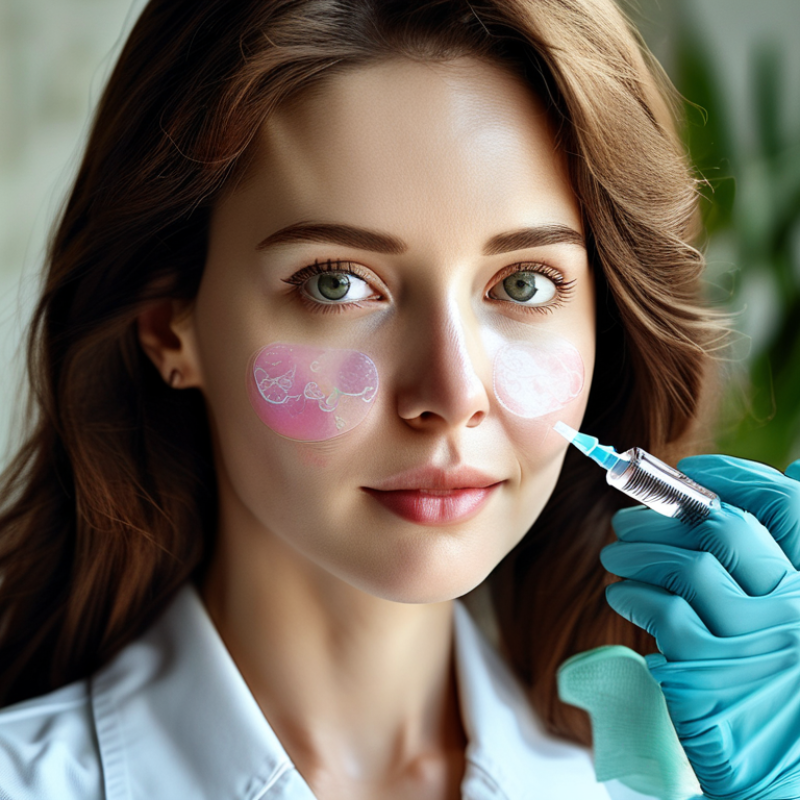
The dermal filler landscape is set for exciting changes in 2026. Innovations are emerging rapidly, reshaping how we approach facial aesthetics. Advanced formulations allow for safer and more effective applications. These innovations promise longer-lasting results and reduced downtime.
New materials are being developed to enhance compatibility with human tissue. Biocompatibility means lower risks of adverse reactions. Additionally, new injection techniques are minimizing discomfort. Some practitioners are focusing on personalized treatments that account for individual facial anatomy.
As these trends evolve, challenges remain. The focus on natural results sometimes clashes with high client expectations. Balancing artistry and scientific precision is crucial. Practitioners must stay informed of the latest research and techniques. Continuous education is vital for maintaining credibility in this field. The possibility of underwhelming results may provoke reflection on the limits of current technology.
As 2026 approaches, the dermal filler industry is evolving rapidly. Key ingredients are at the forefront of this transformation. Hyaluronic acid continues to dominate, known for its hydrating properties. New formulations are now incorporating peptides, which enhance skin elasticity and firmness. This combination aims to provide longer-lasting results and a natural appearance.
Another exciting trend is the use of plant-based ingredients. These innovative options cater to those seeking more organic solutions. Among these, botanicals like chamomile and green tea extract offer soothing benefits. They contribute to reducing inflammation post-treatment. While many practitioners embrace these new ingredients, questions about their efficacy remain. More research is needed to determine their long-term effects.
The shift in ingredients also brings challenges. Ensuring compatibility with diverse skin types is crucial. Understanding patient needs is essential for successful outcomes. As the industry adapts, professionals must stay informed and clinically savvy. The focus on transparency around ingredient sourcing and effectiveness is vital for maintaining trust. The dermal filler landscape is changing, and engaging with these trends can elevate treatment experiences.
In 2026, consumer preferences in dermal fillers are evolving rapidly. Patients are increasingly seeking natural-looking results without the "overfilled" appearance that characterized earlier trends. According to a recent industry report, about 70% of patients prefer subtle enhancements that maintain their facial identity. This shift reflects a growing desire for authenticity in cosmetic procedures.
Patients are also prioritizing safety and longevity. The same report notes that 65% of consumers are more informed about ingredients in dermal fillers. They want products backed by clinical research and safety data. This focus on transparency has led to increased scrutiny of filler formulations and a demand for certified providers. Awareness of potential side effects keeps patients cautious and reflective about their choices.
Moreover, the role of technology in consultations is significant. More patients are turning to virtual consultations, seeking convenience alongside expertise. A study shows that around 50% of potential clients are influenced by online reviews and before-and-after photos when selecting providers. This reliance on digital platforms emphasizes the importance of maintaining a robust online presence for practitioners in 2026. The market continues to adapt, responding to these evolving patient expectations and values.
Advancements in application techniques for dermal fillers are transforming aesthetic treatments. Practitioners are now utilizing innovative tools and methods to enhance precision. This shift ensures more natural results and improved patient satisfaction.
One notable technique is micro-cannula usage. This approach reduces bruising and swelling significantly. By allowing for a smoother injection process, micro-cannulas minimize trauma to the tissue. Practitioners are seeing enhanced outcomes with fewer side effects.
Tips for practitioners: Always maintain proper hygiene. Ensure your tools are sterile to avoid complications. Additionally, discuss expectations with clients clearly. Understanding their goals can lead to better results. Employing live training sessions can also improve skill levels.
Reflection on technique is vital. Not every session will yield perfect outcomes. Continuous learning is essential in this rapidly evolving field. Keeping up with trends ensures you meet client needs effectively.
As we look towards 2026, the evolution of dermal fillers is set to transform the anti-aging landscape. Future innovations will emphasize natural results. More clients seek subtle enhancements over dramatic changes. This shift indicates a growing appreciation for authenticity in beauty.
One major trend is biocompatibility. Fillers that better integrate with the skin will lead to longer-lasting results. Patients are more aware of ingredient safety. They want products that align with their bodies, reducing the chance of adverse reactions.
Tip: Always consult with a qualified professional about your goals. Ensure you understand the procedures and products involved. Another noteworthy trend is the rise of customized treatments. Everyone's skin is unique. Personalized solutions will be in demand. This approach may consider factors like age, skin type, and lifestyle.
Tip: Take time to research practitioners. Look for those with specialized training and experience. The road ahead in dermal fillers prioritizes safety and personalization. As you navigate these choices, be mindful of what feels right for your body.
: Innovations are reshaping facial aesthetics with advanced formulations, longer-lasting results, and reduced downtime.
They enhance compatibility with human tissue, lowering risks of adverse reactions through improved biocompatibility.
Hyaluronic acid remains key, while peptides and plant-based ingredients like chamomile are gaining attention for their benefits.
Patients prefer natural-looking results, avoiding the "overfilled" appearance, with 70% seeking subtle enhancements.
Safety is a top priority, with 65% of consumers wanting products backed by clinical research and safety data.
Balancing patient expectations with artistic precision can be difficult, and there’s a need for continuous education.
It builds trust with patients, as they seek information about the effectiveness and safety of dermal filler formulations.
Virtual consultations are becoming popular, with over 50% of patients influenced by online reviews when choosing providers.
Yes, questions regarding efficacy and long-term effects of new ingredients highlight the need for ongoing research.
The limits of current technology and unachievable client expectations often provoke reflection among practitioners.
The article "2026 Top Ha Dermal Filler Trends You Need to Know" explores the future landscape of HA dermal fillers, highlighting emerging innovations that are set to transform the industry. With key ingredients reshaping formulation standards, the market is witnessing a shift in consumer preferences, as patients increasingly seek natural-looking results and long-lasting effects.
In addition to advancements in product formulations, the article discusses new application techniques and methods that enhance the efficacy and safety of HA dermal fillers. As the anti-aging segment continues to evolve, it outlines the trends to watch for in 2026, ensuring that both practitioners and patients are well-informed about the latest developments that prioritize safety and satisfaction in aesthetic treatments.
