Engineered high-performance formulations tailored to global chemical and cosmetic standards.
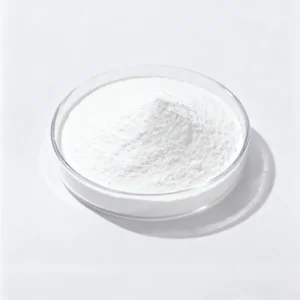
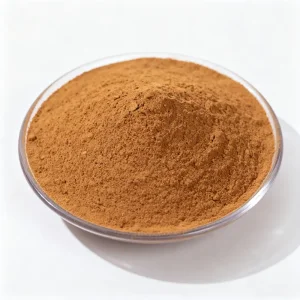
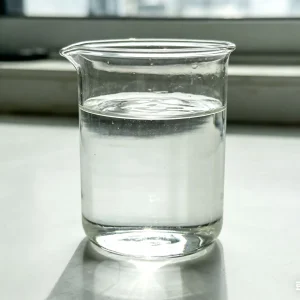
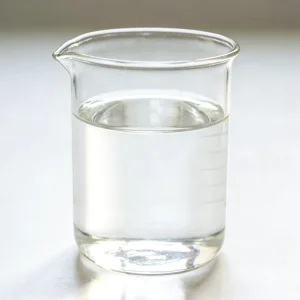
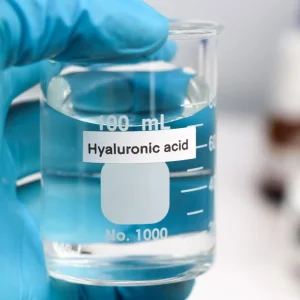
As a global leader in high-performance cosmetic, pharmaceutical, and nutritional active ingredients, Suzhou Wanfukang Chemical Co., Ltd (popularly known as Wanfukang) stands at the intersection of modern synthetic biotechnology and global distribution efficiency. Spanning decades of cumulative R&D expertise, our primary objective is to supply verified, premium-grade bioactive molecules that address the stringent formulation standards of contemporary cosmetics, nutraceuticals, and functional medical applications.
We specialized initially in the customized manufacturing, refining, and industrial export of Sodium Hyaluronate and Hyaluronic Acid. Today, as global consumer patterns shift towards safety, ecological footprint mitigation, and clinical efficacy, we have expanded our capacity to deliver highly customized ingredients that resolve stability, delivery, and compliance hurdles across 20+ countries worldwide.
To deliver tailored biopolymer configurations and botanical extractions via fermentation-derived, non-animal-origin synthesis. We offer raw material solutions engineered to match specific molecular weight ranges, viscosities, and stability indexes to empower downstream brands in maintaining highly reliable formulations.
"Our dedication to global quality metrics ensures that every batch is backed by precise analytical testing, complete traceability, and reliable regulatory dossiers."
Resolving complex thermodynamic stability, bioavailability, and skin-penetration barriers in modern cosmetics and health supplements.
Conventional skin creams often fail due to the high molecular weight of standard Hyaluronic Acid, which sits on the skin surface without deep hydration. By implementing customized molecular range targeting (such as our 4D Multiple Sodium Hyaluronate Solutions), we combine high, medium, low, and micro-molecular weights. This multi-layered delivery mechanism hydrates the stratum corneum, dermis, and subcutaneous cells simultaneously.
Active botanical compounds such as Glabridin and unstable vitamins suffer rapid oxidation when exposed to light, heat, and air. Our customized raw materials utilize stabilizer systems, modern dry crystallization, and micro-emulsification vectors. This increases shelf life, maintains active concentrations (Assay >= 99% for Citric Acid, Vit C, Niacinamide), and eliminates the need for harsh synthetic preservatives.
For oral supplement formulations, raw materials such as Chondroitin Sulfate and Coenzyme Q10 require precise solubility indexes to undergo gastrointestinal absorption. Through advanced particle size management, spray-drying techniques, and pure microbial fermentation, our ingredients are readily absorbed by biological systems without leaving synthetic chemical residues.
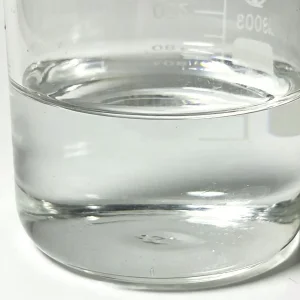
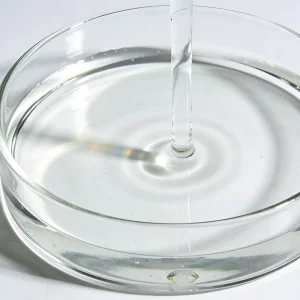
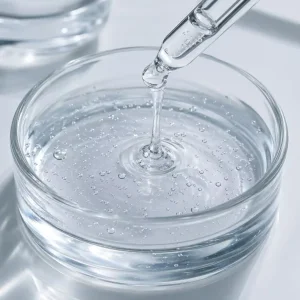
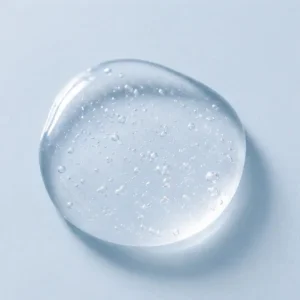
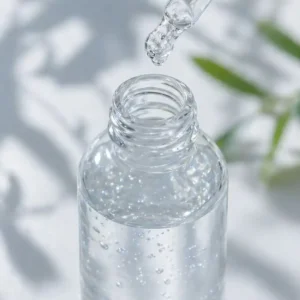
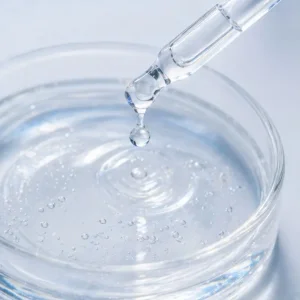
Modern formulators face a double-edged sword: consumer-driven demand for clean-label, vegan-friendly products, combined with regulatory scrutiny on synthetic additives. Wanfukang resolves this tension by using microbial fermentation technologies to synthesize high-purity biopolymers. Our 1% Sodium Hyaluronate Aqueous Solutions are formulated with biological precision, optimizing water retention while maintaining complete transparency in formulation chemistry.
Evaluating the shift from animal extraction to synthetic biology and modern supply chain integration.
Historically, the global hyaluronic acid market relied on tissue extraction, primarily from rooster combs. This method limited scaling and presented biological safety issues, such as viral contamination risk. Over the last decade, the industry transitioned to microbial fermentation using strains like Streptococcus zooepidemicus, followed by advanced purification processes.
This biotechnological shift stabilized supply chains and lowered manufacturing costs. China has developed into a central hub, manufacturing over 70% of the world's cosmetic, food, and pharmaceutical-grade Sodium Hyaluronate. Major importing markets like India, Europe, and North America depend on Chinese suppliers for reliable, high-volume shipments.
Wanfukang supports this global framework by offering diverse packaging formats, liquid dilutions, and customized dry powders to meet international logistics standards.
Additionally, the rising demand for multi-functional cosmetics in the Asia-Pacific region has increased the need for stable, pre-formulated liquid solutions. Rather than handling dry polymer dissolution, which requires high shear mixing equipment, brands frequently request pre-dissolved 1% Sodium Hyaluronate Aqueous Solutions.
This ready-to-use liquid solution reduces mixing times, energy usage, and contamination risks in cleanroom environments, improving efficiency for manufacturers in markets such as India, South Korea, and Southeast Asia.
"Sustainable sourcing is now a commercial requirement. Our non-animal origin verification ensures alignment with modern clean-label demands."
Global trade in chemical and bioactive raw materials requires strict adherence to international regulatory bodies. At Wanfukang, compliance is central to our operational strategy.
For European markets, we maintain alignment with Registration, Evaluation, Authorisation and Restriction of Chemicals (REACH) standards, ensuring full traceability of chemical hazards and ecological impact profiles. For North America, our manufacturing processes align with US FDA guidelines for food and cosmetic ingredients.
For the Indian market, where demand for cosmetic active ingredients is expanding rapidly, we provide comprehensive documentation for CDSCO compliance, supporting smooth customs clearance and product registrations.
Adapting chemical compounds to match regional skin physiology, environmental conditions, and consumer expectations.
In high-humidity environments, heavy cosmetic oils can block pores and cause acne. Formulators utilize our Low Molecular Weight Sodium Hyaluronate Solutions combined with Niacinamide. This creates lightweight serums that hydrate without leaving a greasy film, while supporting sebum regulation.
In dry conditions, low molecular weight HA can draw moisture outward from the deeper skin layers, worsening dryness. Formulators combine our Cross-linked Hyaluronic Acid with high molecular weight biopolymers to build a breathable protective layer that locks in moisture.
In regions with high UV exposure, skin irritation and post-inflammatory hyperpigmentation are common. Combining our 40% Glabridin and Arbutin with 4D Sodium Hyaluronate creates synergistic formulations that soothe redness while supporting skin brightening.
Developing the next generation of biopolymer technologies, enzymatic synthesis, and sustainable green chemistry.
The cosmetic and pharmaceutical ingredient sector is moving toward biosynthetically engineered molecules. Wanfukang's technical roadmap outlines our commitment to sustainable chemistry and functional molecular design, ensuring we remain a preferred supplier for years to come.
"Our long-term R&D is focused on three areas: enzymatic polymerization control, green solvent extraction, and AI-driven molecular weight customization."
Traditional bacterial fermentation requires significant energy and nutrient inputs, leaving organic cell residues that must be filtered out. Our research team is developing cell-free enzymatic synthesis, which uses isolated enzymes to build HA chains directly in sterile aqueous reactors. This process produces ultra-pure, high-molecular-weight polymers with a low carbon footprint.
Rather than simply blending raw materials, the future of ingredient design lies in chemical hybridization. We are working on binding trace elements (like Zinc or Copper) directly to the Sodium Hyaluronate polymer chain. These hybrid compounds will offer deep hydration alongside targeted anti-inflammatory and tissue-repair benefits.
Using predictive AI modeling, we aim to help partners input their desired formulation viscosity, pH target, and skin penetration profiles to receive a recommended ratio of custom molecular weight ingredients. This digital optimization service reduces formulation trials, helping cosmetic chemists bring products to market faster.
Answering technical queries from cosmetic chemists, quality controllers, and global procurement departments.
High-purity cosmetic, food, and pharmaceutical grade ingredients sourced and delivered globally.
Browse through our specialized divisions for target industrial applications.
Active cosmetic agents including Hyaluronic Acid, Niacinamide, and Arbutin engineered for skin brightening and hydration.
High-purity additives and acidulants like Citric Acid, Vitamin A, and Vitamin C supporting nutrition formulations.
Joint health, eye-care, and medical-grade precursors such as Chondroitin Sulfate and Coenzyme Q10.
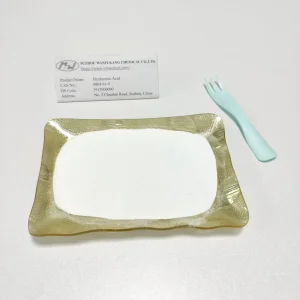
Tailored aqueous solutions, specific molecular weight limits, and customized packaging solutions.
Technical analyses explaining global market trends and supplier trust dynamics.
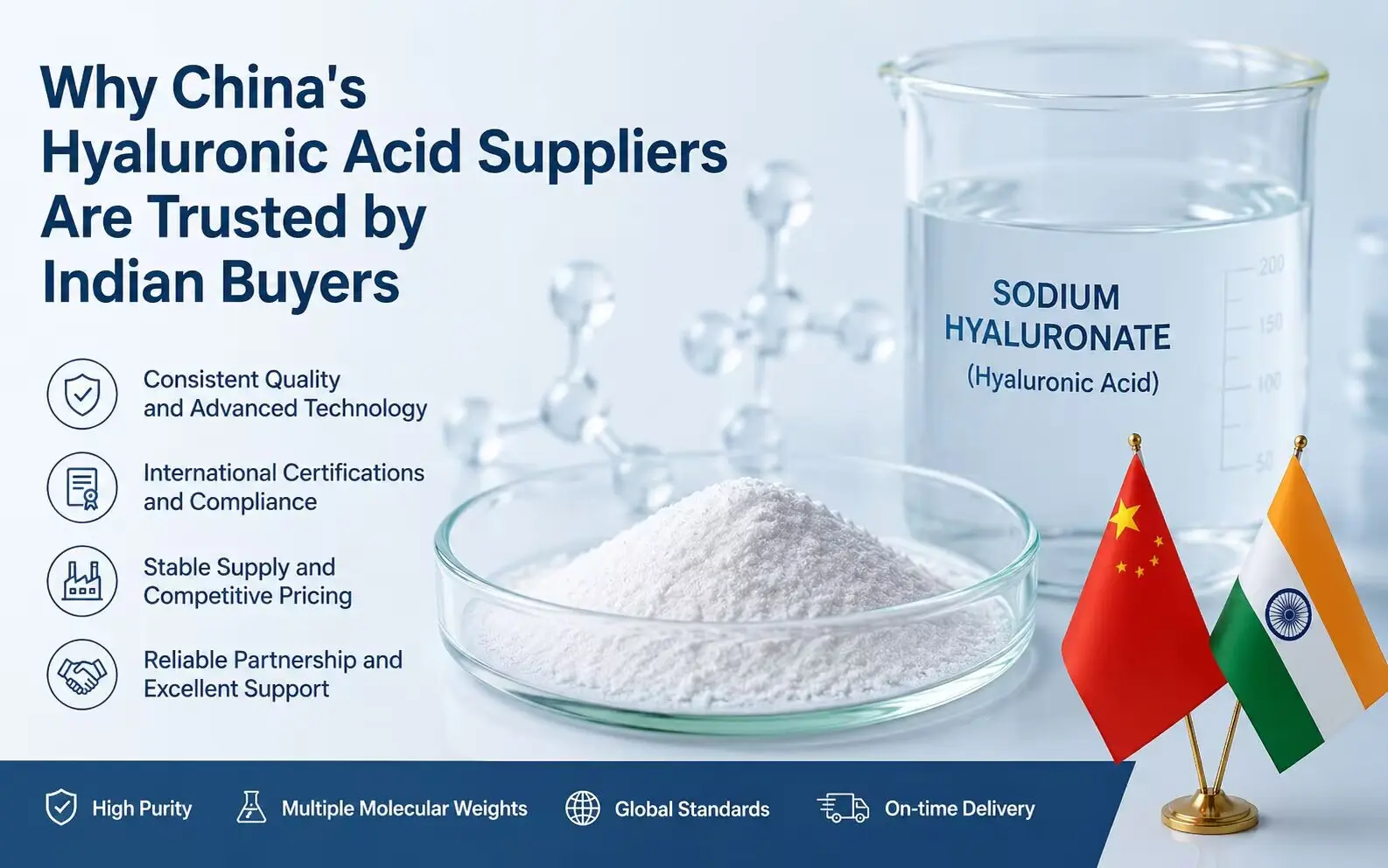
With the rapid development of India's cosmetics, pharmaceutical, and health product industries, demand for hyaluronic acid (HA) continues to rise. We analyze how Chinese suppliers meet these volume and compliance requirements.
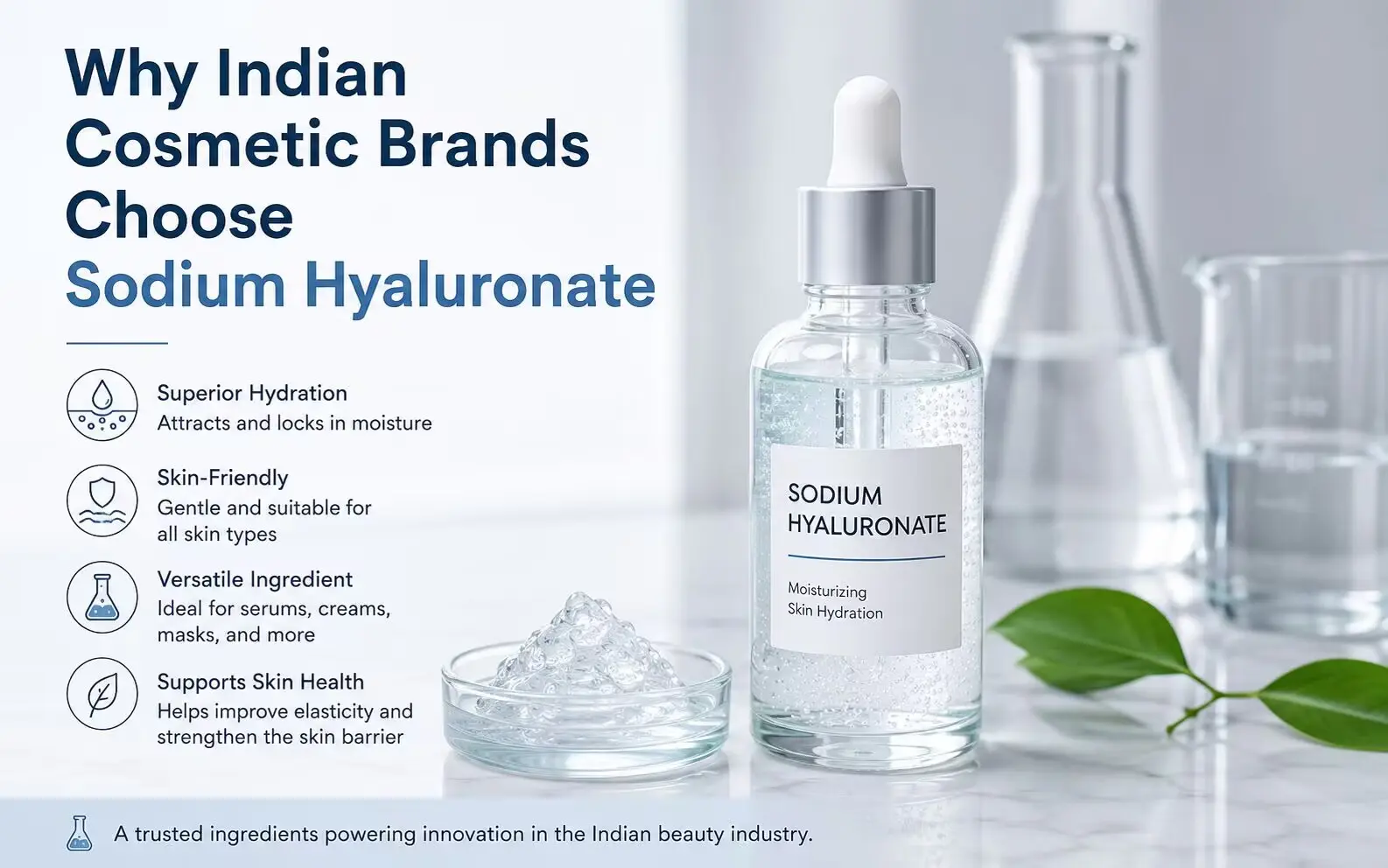
As Indian consumers seek high-performance skincare, local cosmetic brands are incorporating Sodium Hyaluronate into serums, creams, and makeup to deliver reliable hydration.
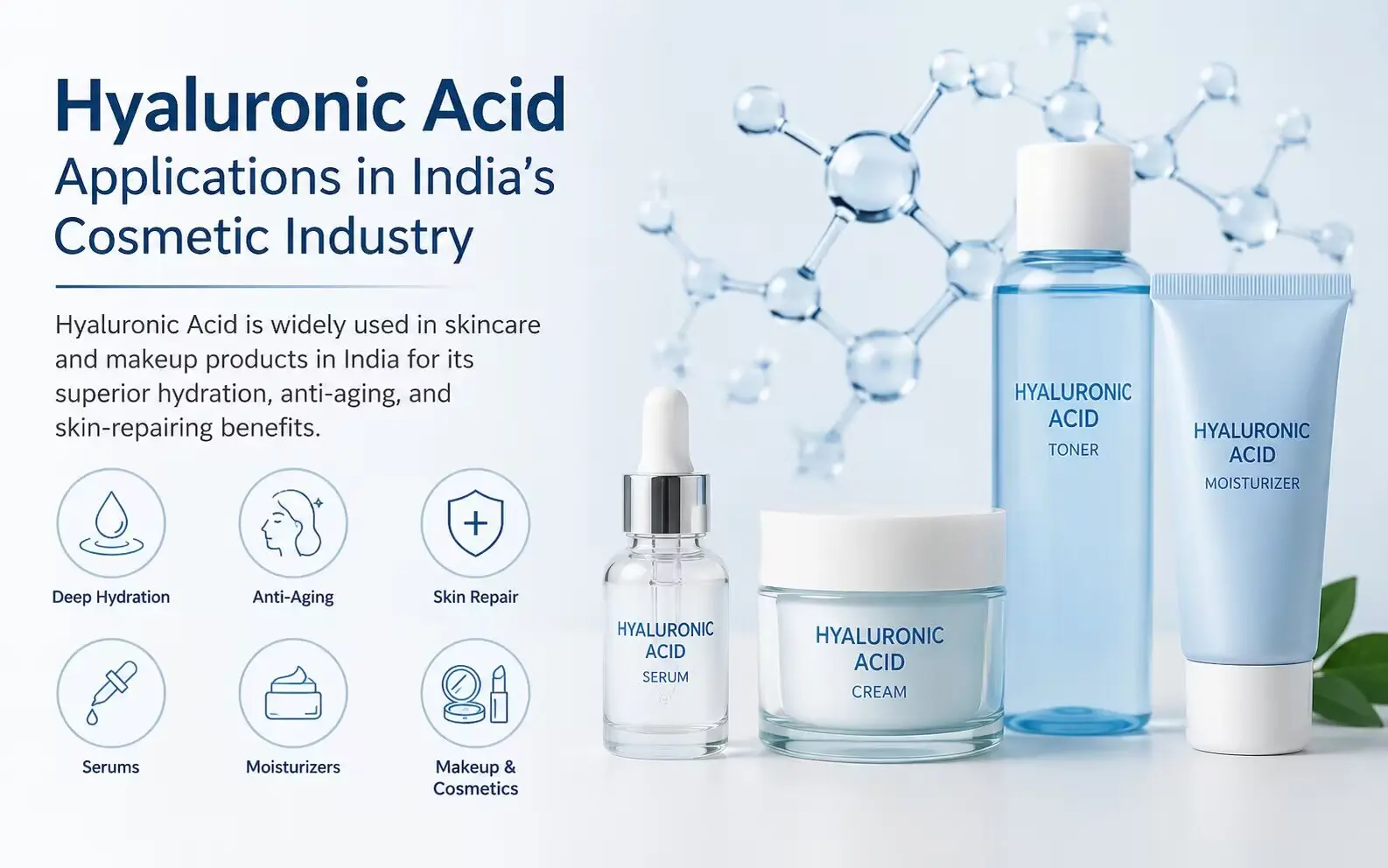
A detailed study on the formulation techniques, molecular weight distributions, and market trends shaping the use of Hyaluronic Acid in the Indian beauty sector.