
Fuller-looking lips do not always require injectable treatment. For global buyers, Natural Lip Fillers may include hyaluronic-acid lip serums, peptide balms, collagen-supporting formulas, cinnamon-free plumpers, and moisturizing lip masks. Their effects vary. Some create temporary volume through hydration, while others mainly improve shine and softness.
“Natural-looking enhancement should preserve the person, not replace them,” says cosmetic dermatologist Dr. Ava Shamban. This principle matters when comparing products across international markets. Labels, ingredient standards, and advertising rules differ between countries. A product sold as “natural” may still cause redness, burning, or swelling. Natural does not mean risk-free.
This guide examines five practical options for buyers seeking a softer, fuller appearance without exaggerated results. We will consider ingredient evidence, visible effects, comfort, packaging, price, and suitability for sensitive lips. Hyaluronic acid can attract water. Peptides may support a smoother surface. However, marketing claims can move faster than research. That deserves caution.
Read the ingredient list carefully. Avoid products with unclear formulas or unrealistic promises. Patch testing is sensible, especially before international travel. A small mirror test helps too. Apply a thin layer first, then wait. Do not use injectable fillers without a qualified, licensed medical professional. That decision requires local clinical advice, not a marketplace review.
The best choice may be the least dramatic one. Sometimes, hydrated lips look fuller enough. This article aims to help readers compare Natural Lip Fillers with clearer expectations, stronger evidence, and fewer costly surprises.
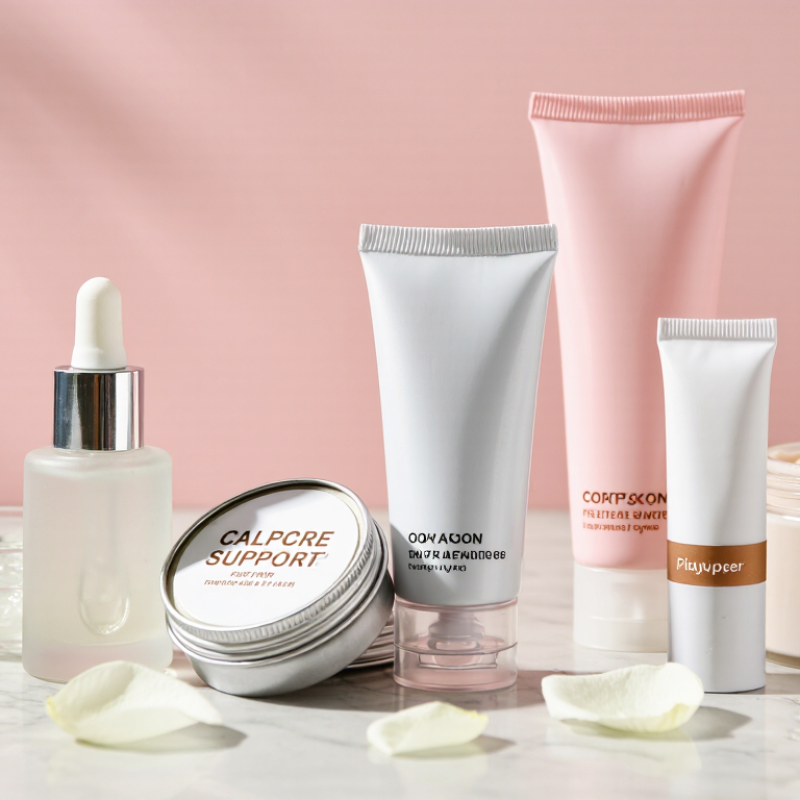
“Natural lip fillers” can mean two different things. Some buyers mean injectable hyaluronic acid, a substance naturally found in skin. Others mean topical products with plant oils, peptides, or gentle plumping ingredients. They do not work alike.
Topical hyaluronic acid mainly hydrates the outer layers. It can make lips look smoother, not significantly larger. Shea butter, jojoba oil, and squalane reduce moisture loss and soften dry texture. They improve appearance without creating real volume.
Peptide formulas may support a smoother look, although evidence for dramatic plumping remains limited. Mint, ginger, or cinnamon-based plumpers can create temporary swelling through irritation. That is not genuine tissue growth.
Check manufacturing information and local regulatory requirements. “Natural” does not automatically mean gentle or safe. Patch testing helps, especially for sensitive skin. Avoid products that cause burning, blistering, or persistent redness.
I once underestimated how much marketing shapes expectations. A softer, moisturized lip may look fuller in daylight, but it is not the same as added volume.
No. “Natural” describes an impression, not a universal safety standard. Check ingredients, testing, batch details, and expiry dates.
Look for a complete ingredient list and clear manufacturer contact details. Avoid strong fragrance, cinnamon, menthol, or essential oils if your skin reacts easily.
Apply a small amount to a discreet skin area. Wait 24 hours. Stop if redness, itching, swelling, or blisters appear.
No. A balm may soften dry lips and create temporary fullness. It cannot produce permanent volume. That difference is easy to miss.
No. Injectable products require administration by a licensed medical professional. Do not buy sealed syringes for self-use. That shortcut is dangerous.
Check regulatory clearance, sterility testing, traceable batches, and published clinical evidence. Glowing reviews alone are not enough.
Hyaluronic acid gel may offer adjustable, temporary definition. Results depend on product quality, treatment technique, and patient suitability.
Not necessarily. Fat transfer may last longer, but it requires surgery and results can vary. Some gradual treatments need several sessions.
Check local regulations, import requirements, language support, refund terms, and emergency procedures. Rules differ between destinations.
Question dramatic before-and-after photos. Lighting, facial expression, and lip posture can change the appearance. I would remain cautious.
Natural Lip Fillers are cosmetic products designed to enhance lip moisture, softness, and temporary fullness through ingredients such as hydrating agents, plant-based oils, peptides, and gentle plumping compounds. Unlike injectable procedures, they are generally applied topically and create results that vary according to formulation, skin sensitivity, and frequency of use. Buyers should evaluate ingredient transparency, safety testing, expected effects, application method, and suitability for sensitive skin before making a purchase.
This guide compares five types of Natural Lip Fillers for different needs, including hydration, subtle daily enhancement, smoothing fine lines, nourishing dry lips, and achieving a more visible temporary plumping effect. It also considers ingredient quality, price, performance, and how long results may last. For global buyers, packaging standards, product labeling, storage requirements, import rules, and regional cosmetic regulations are important factors. A careful choice should prioritize reputable manufacturing, clear instructions, realistic claims, and a patch test when appropriate.
