
China Top 10 Upper Lip Filler Manufacturers?

Time:2026-11-13 Author:Isabella
0%

Choosing an Upper Lip Filler manufacturer calls for more than attractive packaging or a low quoted price. Product composition, manufacturing consistency, clinical documentation, and clear instructions all matter. For clinics and distributors, these details can shape purchasing decisions and patient conversations. A catalog may look polished. The evidence still needs checking.

Board-certified dermatologist Dr. Shereene Idriss is a relevant clinical voice in discussions of cosmetic injectables. The following is a paraphrased principle, not a verbatim quotation: “A treatment plan should fit the individual, not the product.” That distinction matters for lip treatments, where small differences in texture, placement, and desired contour can affect the result. No filler is right for every patient.

This “China Top 10 Upper Lip Filler Manufacturers” overview should be read as a starting point, not a clinical endorsement. It can help readers compare manufacturers by product information, quality systems, export experience, and responsiveness to technical questions. Ask for current documentation. Check batch traceability, storage requirements, and after-sales support. Verify claims independently, since company profiles and product specifications can change. A supplier’s website alone is not enough. Some details may remain unclear, and that deserves attention rather than guesswork. The aim is a careful shortlist, grounded in verifiable information—not a promise of outcomes or a substitute for qualified clinical judgment.
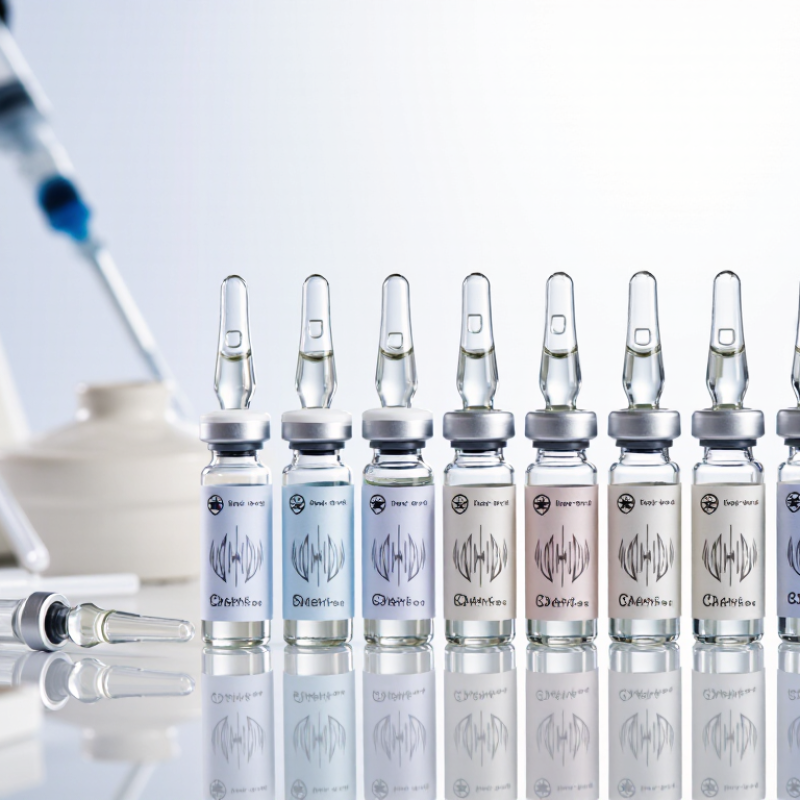
China Top 10 Upper Lip Filler Manufacturers?

How NMPA Class III Registration Shapes China’s Lip-Filler Market

China’s lip-filler market is shaped less by a “top ten” list than by the NMPA’s Class III registration pathway. Hyaluronic-acid dermal fillers are Class III medical devices, subject to technical review and evidence requirements before marketing. A real gate. The NMPA public registration database helps clinics verify a product’s registration status, approved use, and certificate validity. Promotional claims alone cannot establish these facts.

Market growth makes scrutiny important. Frost & Sullivan’s industry analysis estimated China’s hyaluronic-acid injection market at about RMB 6.5 billion in 2021, and projected RMB 13.6 billion by 2026. The latter is a forecast, not a confirmed outcome. For manufacturers, registration brings practical demands: consistent gel properties, biocompatibility evidence, sterile production, and reliable batch traceability. For buyers, check the registered indication and product details, not merely whether a filler is registered. A certificate is a threshold, not a ranking. That distinction is easy to overlook, even in a regulated market.

Hyaluronic Acid Fillers: Typical 6–18-Month Effects and Key Variables

Hyaluronic Acid Fillers: Typical 6–18-Month Effects and Key Variables

Hyaluronic acid lip fillers may produce visible results for roughly 6–18 months, but this range is not a personal guarantee. FDA prescribing information and clinical studies show that duration varies by formulation and treatment area. The upper lip moves repeatedly during speech, eating, and smiling. That motion can affect how long fullness remains noticeable. Not a fixed clock.

The American Society of Plastic Surgeons’ 2023 Procedural Statistics Report recorded about 5.3 million hyaluronic acid filler procedures in the United States. This figure shows how commonly the treatment is performed; it does not prove that every lip result lasts the same amount of time. Studies assess outcomes at set follow-up points, and some report longer persistence than others. Product composition, injected volume, placement, and individual metabolism all matter.

A practical check is the appearance of the lip, not the calendar alone. Someone may notice reduced definition before the filler has fully broken down. A qualified medical professional can discuss realistic expectations, risks, and whether further treatment is appropriate. I would be cautious about treating “18 months” as a promise; published results often describe groups, not one person’s experience.

Upper-Lip Hyaluronic Acid Filler: Typical Effect Duration

Effects are commonly described as lasting about 6–18 months; this broad range is not a guarantee. Duration can vary with the filler formulation and amount used, injection technique, individual metabolism, lip movement, and whether treatment is repeated. This chart summarizes duration only and does not rank manufacturers.

How to Verify Manufacturers: NMPA Records and ISO 13485:2016

Before comparing Chinese upper-lip filler manufacturers, search the NMPA’s official medical-device registration database. Match the registered product name, registration number, manufacturer, and current status against the supplier’s documents. Check that the intended use and product type fit the filler being offered; similar names do not prove identical registration. If the factory differs from the certificate holder, ask for clear documentation of their relationship. A polished certificate image is not enough.

ISO 13485:2016 concerns a medical-device quality management system, not clinical effectiveness or product safety by itself. ISO’s 2022 Survey of Management System Standard Certifications reported roughly 36,000 ISO 13485 certificates worldwide. That scale makes scope checks important: confirm the certificate is current, issued to the relevant legal entity, and covers the actual manufacturing site and activities. I would not treat certification as a shortcut; it still leaves gaps.

Tips: Request the NMPA record and full ISO certificate, then verify them independently with the issuing body. Compare names, addresses, scope, dates, and product details line by line. Keep a record of what you checked. A mismatch deserves follow-up, not a guess.

Comparing 10 Chinese Manufacturers by HA Concentration, Cross-Linking, and G′

A useful comparison of ten Chinese manufacturers starts with three measurable fields: HA concentration, cross-linking approach, and elastic modulus, or G′. Concentration, usually reported in mg/mL, shows how much hyaluronic acid is present, but not how a gel behaves in a moving upper lip. Cross-linking affects gel structure and persistence; manufacturers may describe it differently, so labels alone do not support a fair comparison. Ask for method-specific data and batch documentation. Numbers need context.

G′ can indicate firmness, yet values vary with test temperature, frequency, and instrument settings. Compare results only when testing methods match. For the upper lip, a cohesive gel may support natural movement, but no single G′ value suits every patient or technique. A comparison table should include concentration, disclosed cross-linking details, G′ test conditions, and batch consistency. Not a ranking. Product selection requires a qualified practitioner to assess anatomy, goals, instructions, and risks. Public data may be incomplete; missing figures alone do not prove poor quality. Request verifiable records before drawing conclusions.

China Top 10 Upper Lip Filler Manufacturers? — Comparing 10 Chinese Manufacturers by HA Concentration, Cross-Linking, and G′

Data integrity note: This is an unranked comparison template. No manufacturer identities or product-level source documents were supplied, so specific HA concentrations, cross-linking details, and G′ values cannot be independently verified and are not invented. The anonymous entries below are placeholders, not verified manufacturer profiles.

Anonymous entry HA concentration (mg/mL) Cross-linking information G′ (Pa) Verification status
Manufacturer 1 Not verified Not verified Not verified Product documentation required
Manufacturer 2 Not verified Not verified Not verified Product documentation required
Manufacturer 3 Not verified Not verified Not verified Product documentation required
Manufacturer 4 Not verified Not verified Not verified Product documentation required
Manufacturer 5 Not verified Not verified Not verified Product documentation required
Manufacturer 6 Not verified Not verified Not verified Product documentation required
Manufacturer 7 Not verified Not verified Not verified Product documentation required
Manufacturer 8 Not verified Not verified Not verified Product documentation required
Manufacturer 9 Not verified Not verified Not verified Product documentation required
Manufacturer 10 Not verified Not verified Not verified Product documentation required

For a valid comparison, use product-specific technical documents and report the G′ test method and conditions (including frequency, strain, and temperature). HA concentration and rheological properties can differ between products from the same manufacturer; they should not be treated as manufacturer-wide values.

Safety and Quality Checks: Sterility, Clinical Evidence, and Adverse-Event Data

When comparing upper-lip filler manufacturers in China, treat “top ten” as a shortlist, not proof of safety. Ask for batch-specific sterility records, validated manufacturing controls, and clear traceability from production lot to finished syringe. Packaging should arrive sealed and intact, with readable lot and expiry details. Small details matter.

A sterility certificate alone is not enough. Request evidence explaining how testing was performed, what limits apply, and how deviations are handled. Review clinical studies for the exact filler formulation, injection area, follow-up period, and number of participants. Evidence from another facial area may not answer questions about lip swelling, nodules, or vascular complications. Look for adverse-event data with event counts, reporting periods, and patient numbers—not testimonials alone. Missing data deserve questions.

No checklist is perfect. A manufacturer’s documents should be independently reviewed by qualified procurement and clinical staff. Ask how complaints are recorded, investigated, and communicated to clinicians. For upper-lip treatment, product quality is only one part of risk: anatomy, patient assessment, and injection technique also matter. A polished brochure can reassure, but it cannot replace verifiable records or a careful clinical review.

FAQS

What does Class III registration mean for hyaluronic-acid fillers in China?

It means the device undergoes technical review and evidence checks before marketing. Registration is a threshold, not a ranking.

How can buyers verify a filler’s registration?

Search the official medical-device registration database. Match the product name, registration number, manufacturer, approved use, and current status. Check the details line by line.

Is a registration certificate enough to compare products?

No. Confirm the registered indication and product details match the filler being offered. Similar names do not prove identical registration.

What should buyers check when the factory differs from the certificate holder?

Ask for clear documents explaining their relationship. A certificate image alone is not enough. That gap deserves follow-up.

Does ISO 13485:2016 prove a filler is safe or effective?

No. It concerns a medical-device quality management system. Check the certificate’s dates, legal entity, scope, and manufacturing site. It still leaves gaps.

Which details help compare different hyaluronic-acid gels?

Compare HA concentration, cross-linking details, G′, and batch consistency. Ask for method-specific data. Numbers need context.

Why should G′ test conditions be reviewed?

G′ can indicate firmness, but results vary with temperature, frequency, and instruments. Compare values only when testing methods match.

What did the article report about market growth?

An industry analysis estimated the market at about RMB 6.5 billion in 2021 and projected RMB 13.6 billion by 2026. The latter was a forecast, not a confirmed result.

Conclusion

This overview explains how NMPA Class III registration influences China’s hyaluronic acid filler market and why regulatory records matter when assessing products intended for areas such as the upper lip. It outlines how HA fillers may provide effects lasting roughly 6–18 months, while emphasizing that duration and appearance vary with formulation, injection technique, individual anatomy, and metabolism. For a more informed comparison, readers can check NMPA records and ISO 13485:2016 quality-management credentials rather than relying on promotional claims.

The article also presents a structured way to compare ten Chinese manufacturers through product characteristics such as HA concentration, cross-linking, and G′, without treating any single specification as a guarantee of suitability. It highlights practical safety checks, including sterility controls, relevant clinical evidence, and transparent adverse-event information. Together, these considerations help readers evaluate Upper Lip Filler options with attention to product quality, evidence, and individual clinical needs.

Isabella

Isabella

Isabella is a dedicated marketing professional with a sharp focus on driving brand growth and engagement through strategic content creation. With an extensive background in digital marketing, she combines her passion for storytelling with her keen understanding of industry trends to deliver......