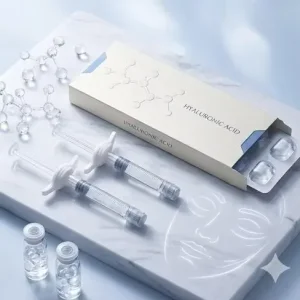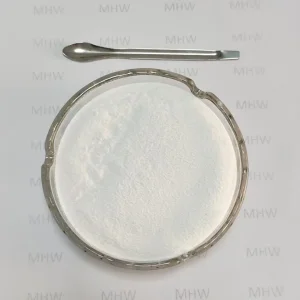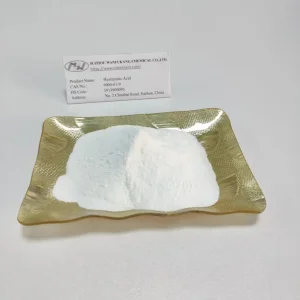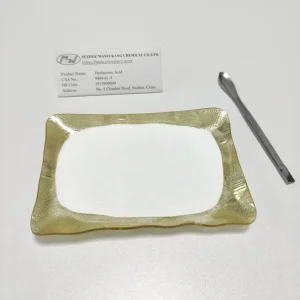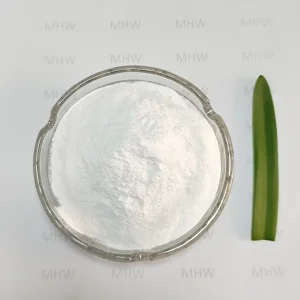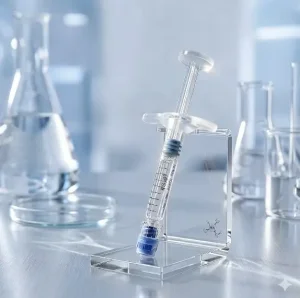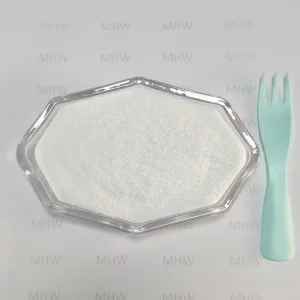
High-purity sodium hyaluronate raw materials and specialized formulations developed for clean beauty, functional food, and pharmaceutical applications.
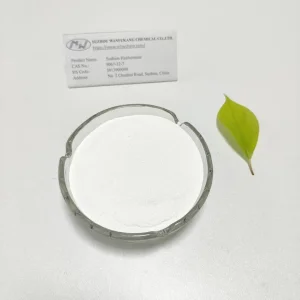
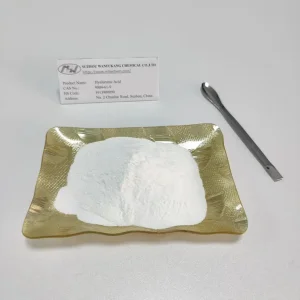
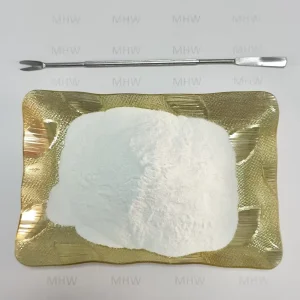
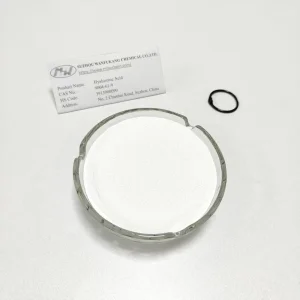
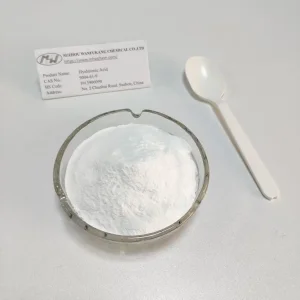
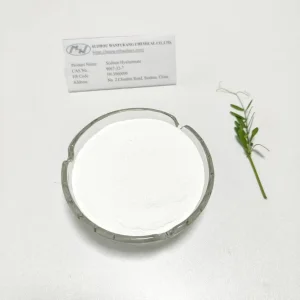
The global cosmetics and personal care market is witnessing a paradigm shift toward formulation minimalism. Driven by clean beauty initiatives, dermatologist recommendations, and highly informed consumers who demand structural simplicity, B2B manufacturers are reformulating their signature products. Minimalist Hyaluronic Acid (HA) serums, often formulated with fewer than ten clean ingredients, are leading this trend.
In B2B enterprise procurement, selecting the right partner for minimalist HA serums requires evaluating key performance indices (KPIs) beyond price. Brands require raw material stability, structural uniformity, low molecular irritation profiles, and strict bio-fermentation verification. Standard parameters like total heavy metal levels, bacterial endotoxins in pharmaceutical-grade applications, and non-animal-derived sourcing certifications have become non-negotiable standards.
Minimalist formulations expose the raw material directly to the skin's surface without masking agents. Any trace impurities (e.g., residual proteins, heavy metals, or chemical solvent residues) can cause formulation instability or adverse cutaneous reactions, compromising consumer trust.
Furthermore, supply chain directors are increasingly prioritizing integrated manufacturing capabilities. A supplier that can deliver raw sodium hyaluronate powder, stabilized solutions, and complete private label or semi-finished bulk formulations offers unparalleled efficiency and regulatory cohesion. For brands operating in dynamic markets like India, Europe, and North America, regulatory document availability (such as MSDS, COA, ECOCERT alignment, and DMF registrations) determines the launch velocity of new product pipelines.
Hyaluronic acid is not a singular raw material; its bio-efficacy is dictated by its molecular weight distribution. A comprehensive approach to minimalist serums leverages multi-weight hyaluronate matrices to target multiple skin layers simultaneously. Understanding the molecular dynamics of these fractions allows formulation chemists to maximize transdermal absorption and moisture retention.
| Molecular Weight Category | Molecular Weight Range (Da) | Primary Application Area | Bio-Physical Action Mechanism |
|---|---|---|---|
| High Molecular Weight (HMW) | > 1.6 x 10⁶ Da | Cosmetic Topical Protection, Eye Drops | Forms a breathable, viscoelastic surface film; reduces TEWL (Trans-epidermal Water Loss). |
| Medium Molecular Weight (MMW) | 800,000 – 1,200,000 Da | Daily Hydration Serums, Gels | Reinforces the natural skin barrier; provides structural moisture in the stratum corneum. |
| Low Molecular Weight (LMW) | 10,000 – 150,000 Da | Deep-penetration Anti-aging Serums | Penetrates outer epidermal layers to promote inner hydration; stimulates collagen synthesis. |
| Oligo Hyaluronic Acid (MiniHA) | < 10,000 Da | Clinical Skin Repair, Fast-absorption Serums | Dermal absorption; exhibits strong cell-signaling properties and antioxidant activity. |
| Cross-Linked Hyaluronic Acid | Polymer network matrix | Dermal Fillers, Long-lasting Moisturizers | Provides high resistance to enzymatic degradation by hyaluronidase; prolongs plumping effects. |
In a minimalist formulation, utilizing a single molecular weight can limit efficacy. For instance, while high molecular weight sodium hyaluronate offers immediate surface smoothing, it cannot penetrate the epidermal barrier. Conversely, excessive use of ultra-low molecular weight hyaluronate may lead to formulation tackiness and lacks film-forming protective benefits. Therefore, Suzhou Wanfukang Chemical Co., Ltd. provides customized multi-molecular weight blends to balance hydration mechanics, ensuring aesthetic elegance and clinical efficacy.
We utilize advanced Streptococcus zooepidemicus fermentation processes to biosynthesize sodium hyaluronate. Unlike animal-derived sources (e.g., avian comb extraction), fermentation-derived hyaluronate guarantees a vegan-compliant profile, high purity (>98% assay), and a completely uniform molecular distribution. This bioprocess minimizes risks associated with animal pathogens, fulfilling the global clean beauty standards set by regulatory authorities worldwide.
Creating a stable, consumer-appealing, minimalist Hyaluronic Acid serum involves mitigating multiple chemical and biological stress factors. In classical cosmetic formulation design, synthetic polymers, emulsifiers, and heavy preservatives are used to ensure product shelf life and texture. In minimalist design, chemists must rely solely on the intrinsic properties of sodium hyaluronate combined with selected clean humectants and natural preservative boosters.
Sodium Hyaluronate is highly sensitive to ionic concentration and pH variations. When formulating with other active compounds (such as L-Ascorbic Acid or Niacinamide), the ionic strength of the aqueous phase can alter the polymer's conformation, causing visual thinning or precipitation. To maintain a rich, luxurious slip without adding synthetic thickening agents (such as Carbomer or Xanthan Gum), formulators must control:
A typical minimalist serum contains water, sodium hyaluronate, a humectant (such as Glycerin or Propanediol), and a preservative system. Traditional preservatives like parabens, formaldehyde donors, and isothiazolinones are undesirable in clean beauty. Formulators must transition to natural or skin-identical preservation boosters (e.g., Caprylyl Glycol, Ethylhexylglycerin, or Pentylene Glycol) combined with organic acids like Sodium Benzoate or Potassium Sorbate to guarantee a 30-month shelf life without provoking irritation.
As international supply chains face dynamic shifts, cosmetic manufacturers require reliable raw material partners. Suzhou Wanfukang Chemical Co., Ltd. (WFK Chem) has developed a resilient infrastructure to ensure continuous, standardized shipping to over 20 destination countries, with a primary focus on rapidly growing markets such as India, North America, and Europe.
With an annual sales volume exceeding 500 tons of Sodium Hyaluronate across various grades, our production facilities are optimized to minimize batch-to-batch variation. This consistency is crucial for high-throughput automated filling lines, where deviations in raw material hydration behavior can lead to production downtime.
Our bio-fermentation process utilizes renewable carbon sources. The wastewater treatment infrastructure associated with our manufacturing processes is fully compliant with municipal discharge standards, reducing the chemical oxygen demand (COD) and supporting global sustainability initiatives.
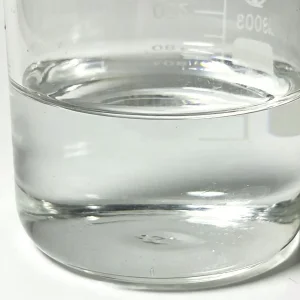
For B2B buyers seeking customization, we provide custom packaging configurations from 1kg aluminum foil bags for high-potency applications up to 25kg fiber drums for industrial-scale manufacturing. Additionally, our 1% aqueous solutions offer a pre-solubilized option that reduces preparation time in the buyer's production facility.
Navigating the global regulatory landscape is a critical milestone for any product launch. Suzhou Wanfukang Chemical Co., Ltd. provides robust regulatory support documentation to facilitate cosmetic registrations. Our cosmetic, food, and pharmaceutical-grade sodium hyaluronate lines comply with major international systems:
Explore our diverse raw material portfolios categorized by industrial application sectors.
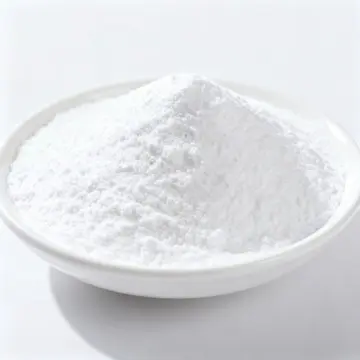
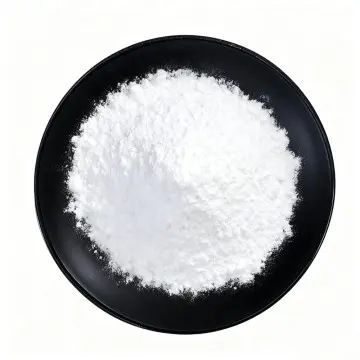
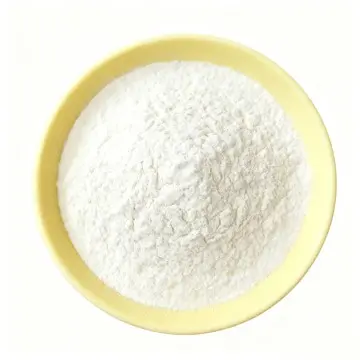
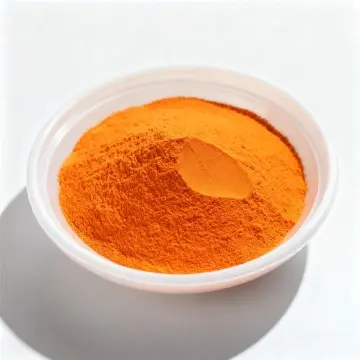
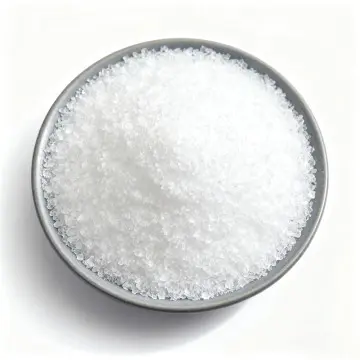
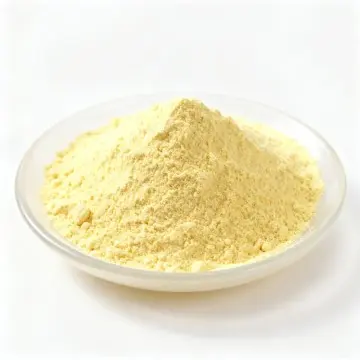
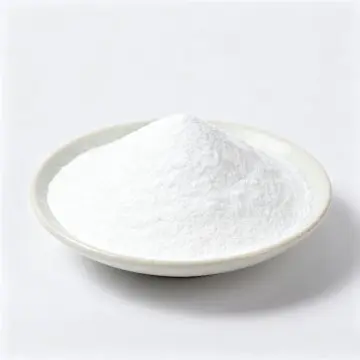
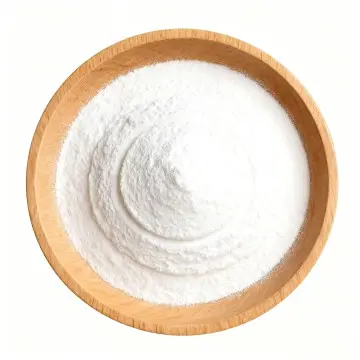
Suzhou Wanfukang Chemical Co., Ltd. is a dedicated manufacturer and global supplier of high-purity Sodium Hyaluronate and active cosmetic ingredients. Over the past decade, we have established ourselves as a reliable partner in the biotechnology and chemical supply chain, catering to the strict demands of cosmetic, food, and pharmaceutical companies globally.
Our raw material portfolio includes various grades of sodium hyaluronate—such as low molecular weight for rapid penetration, medium molecular weight for daily skin barrier support, and cross-linked variations for clinical aesthetic fillers. Our modern distribution network ensures that clients receive product batches under controlled logistics conditions, backed by standardized documentation (MSDS, COA, ISO 9001 certifications).
Through our dedicated customer support teams, we provide technical formulating advice, custom packaging configurations, and regulatory compliance assistance to ensure smooth entry into international cosmetics and supplement markets.


Technical articles and market research compiled by our R&D specialists regarding global hyaluronic acid demands and usage patterns.
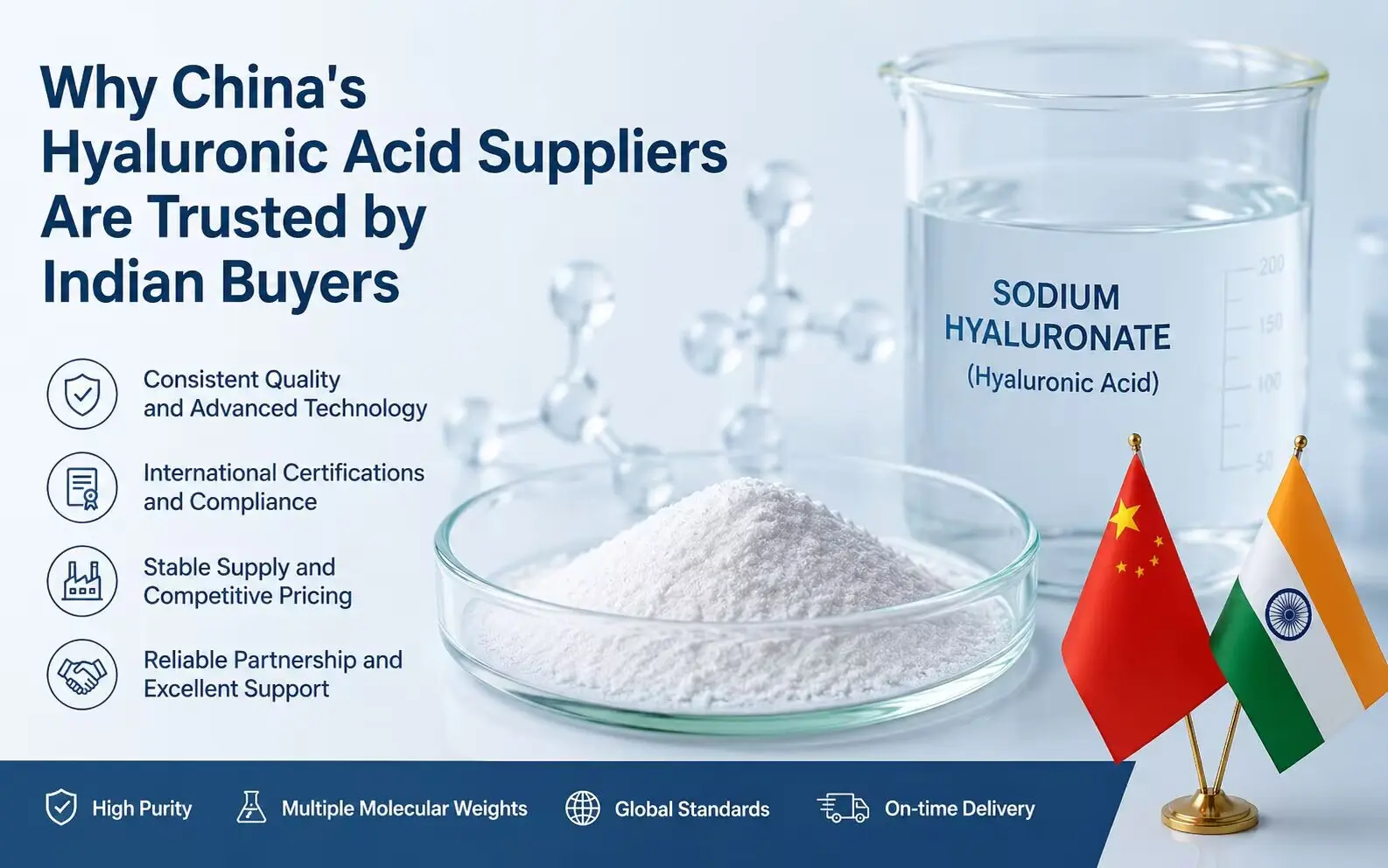
With the rapid development of India's cosmetics, pharmaceutical, and health supplement industries, market demand for high-grade hyaluronic acid continues to rise, driving Indian procurement directors to seek consistent Chinese supply sources.
Read Article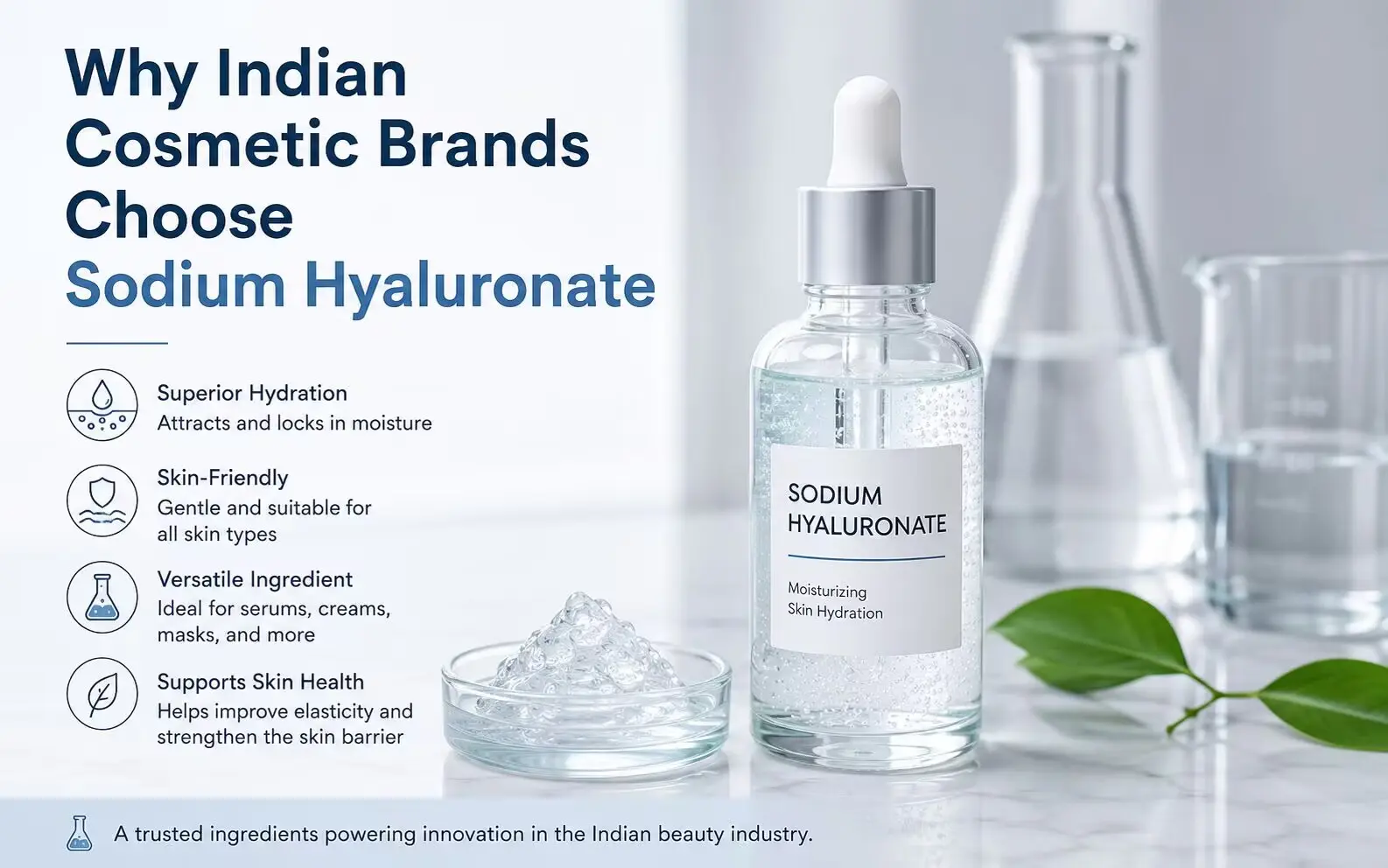
Driven by the expansion of the Indian personal care sector, consumers are seeking clean, active hydration options. Sodium hyaluronate is increasingly utilized as a signature ingredient in clean serums and moisturizers.
Read Article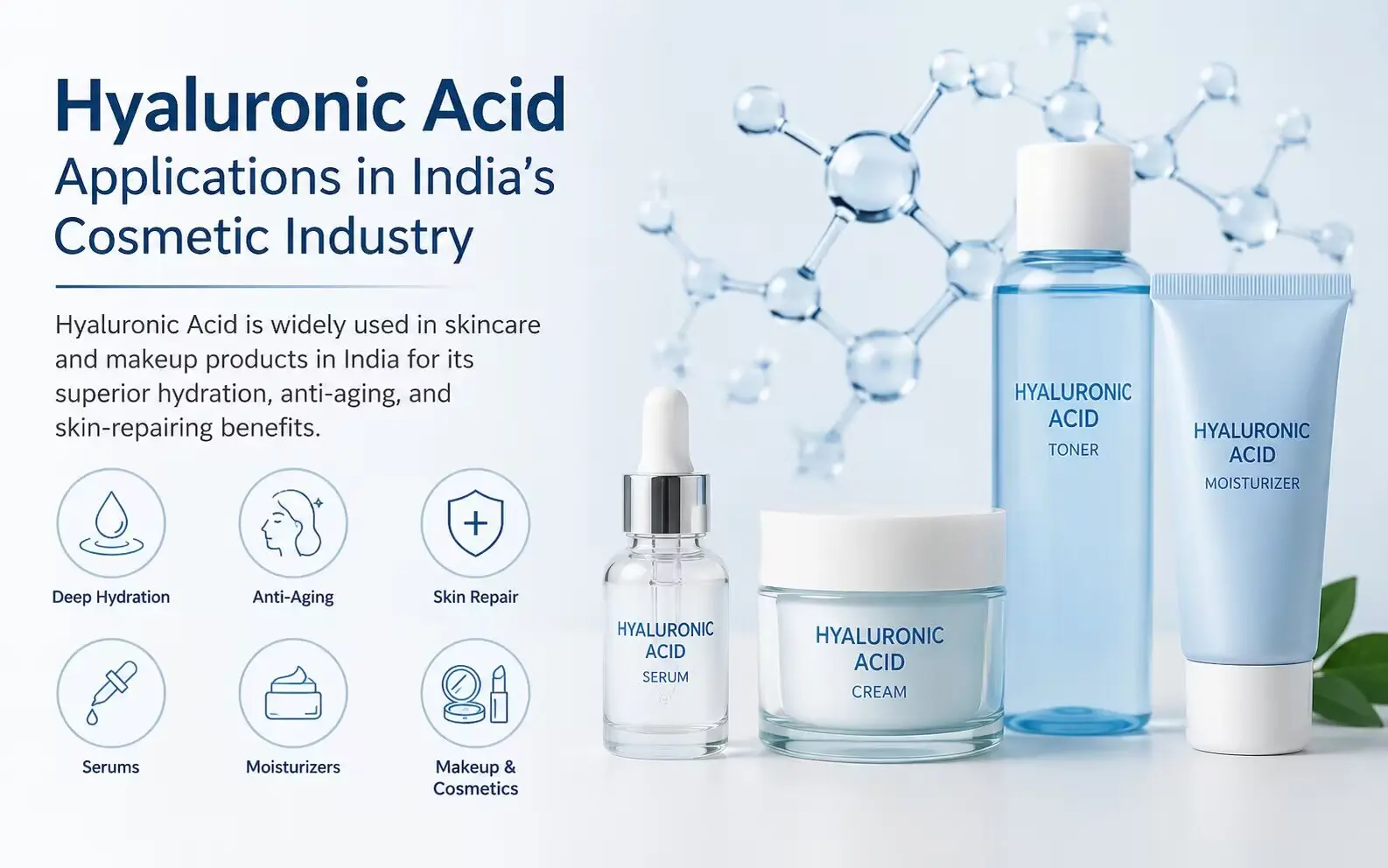
Analyzing formulation trends in local manufacturing hubs, this report details the transition from synthetic polymers to natural, biological humectants like sodium hyaluronate in Indian cosmetic products.
Read ArticleTechnical and logistical insights to help procurement managers and formulation chemists optimize raw material selection.
Highly requested specifications across major manufacturing hubs, selected for stability and quality standards.
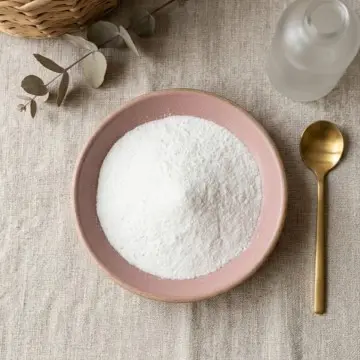
Additional sodium hyaluronate specifications for diverse B2B formulation demands.