High-purity bioactive agents, structural polysaccharides, and dermatological ingredients from ISO & GMP certified lines.
Hyaluronic Acid (HA), or Sodium Hyaluronate, is a linear anionic nonsulfated glycosaminoglycan. In its native biological state, it exhibits a massive molecular mass, frequently reaching between 1.5 Million Daltons (MDa) and 3.0 Million Daltons (MDa). As leading global suppliers and a modern production factory, we understand that the functional behavior of HA is strictly dependent on its chain length.
High Molecular Weight Hyaluronic Acid (HMW-HA) operates through entirely different biochemical pathways compared to low molecular weight variants. On the skin surface, HMW-HA forms an invisible, breathable viscoelastic film. This macromolecular net binds water molecules up to 1000 times its own dry weight. It physically reduces Trans-Epidermal Water Loss (TEWL) and shields the cutaneous barrier from environmental stressors, PM2.5, and oxidative toxins.
In physiological and orthopaedic applications, HMW-HA provides high shear-viscosity, structural lubrication, and shock-absorbing properties. Understanding these physical-chemical mechanisms is crucial for formulating high-end anti-aging emulsions, medical-grade eye lubricants, or clinical joint health supplements.
| Parameter | Specification Value |
|---|---|
| Molecular Weight Range | 1.5 x 10⁶ – 3.0 x 10⁶ Daltons (SEC-MALLS) |
| Sodium Hyaluronate Content | ≥ 98.0% (Cosmetic / Food / Pharma grade standards) |
| Glucuronic Acid Content | ≥ 46.0% |
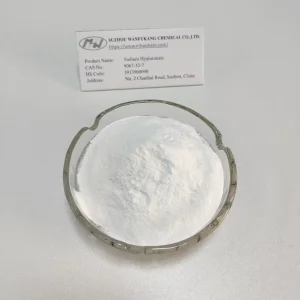
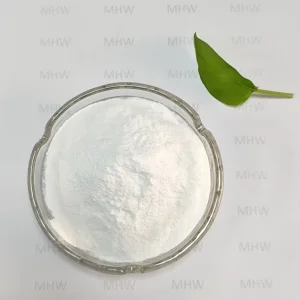
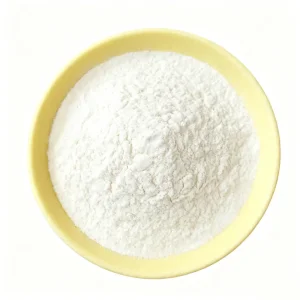
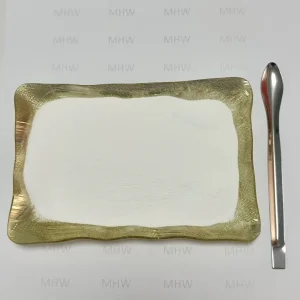
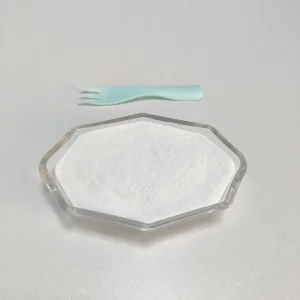
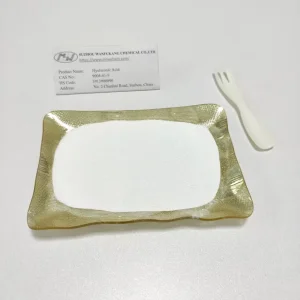
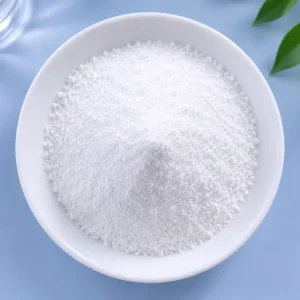
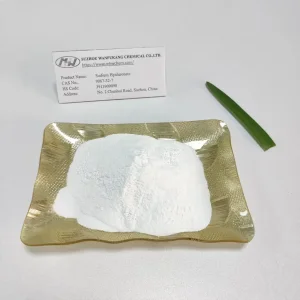
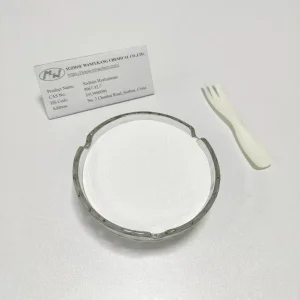
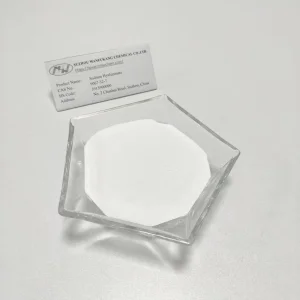
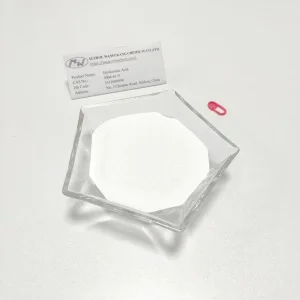
| Appearance | White or almost white fibrous powder / granules |
| pH (0.1% aqueous solution) | 6.0 – 7.5 |
| Heavy Metals (as Pb) | < 10 ppm |
| Protein Residue | < 0.1% |
The path to achieving high purity, zero-animal-derived HMW-HA involves state-of-the-art bio-manufacturing systems.
Our industrial production relies on a highly active, non-hemolytic strain of Streptococcus equi subsp. zooepidemicus. Through strategic metabolic engineering, the production pathway is optimized to direct glucose flux towards UDP-glucuronic acid and UDP-N-acetylglucosamine precursors, accelerating HA synthase activities.
Conducted in computer-controlled, automated fermenters. Crucial factors like oxygen transfer coefficients (kLa), pH stabilization using high-purity inorganic bases, and continuous carbon source feeds (using vegan sucrose/glucose) are monitored in real-time to prevent molecular chain degradation.
To extract pure HMW-HA without shortening the polymer chains, we use gentle filtration, selective precipitation with USP-grade ethanol, and multi-stage membrane ultrafiltration. This removes nucleic acids, cell wall proteins, and bacterial endotoxins without using harsh chemical methods.
How our manufacturing footprint delivers reliable volume, purity, and trace-metal limits globally.
Operating a modernized facility in China, we leverage a digitalized manufacturing pipeline (often referred to as Factory 4.0). This integration combines automated raw material tracking, computerized feeding systems, and constant quality monitoring, minimizing human error and batch-to-batch variation.
For global supply chains, our infrastructure provides several key advantages:
Our plants conform to international certifications, ensuring that cosmetics and food-grade raw products meet the strict import regulations of the European Union, North America, and the Asia-Pacific region:
Optimizing HMW-HA behavior across diverse cosmetics, personal care, nutraceuticals, and medical formulations.
HMW-HA (1.5 - 2.0 MDa) is widely used in anti-aging creams, serums, and masks. It forms a film that holds moisture, immediately softening the appearance of fine lines and providing skin protection. Combine with Oligo HA to hydrate both surface and deeper layers of the skin.
Oral consumption of HMW-HA supports joint comfort. Absorbed through the intestinal lymphatic system, it helps replenish synovial fluid, providing shock absorption and lubricating joints. Perfect for tablet, capsule, and functional beverage formulations.
High Molecular Weight Sodium Hyaluronate acts as a natural lubricant for dry eye relief. It is highly biocompatible and shows shear-thinning properties, offering lasting eye comfort without causing blurry vision.
Suzhou Wanfukang Chemical Co., Ltd, is a professional supplier of Sodium Hyaluronate and Hyaluronic Acid with years of industry-leading experience. We specialize in the development and export of cosmetic and food ingredients.
As a professional company, we provide every grade of sodium hyaluronate, including food grade, cosmetic grade, and pharmaceutical grade. With the development of our business, our portfolio has extended to many areas, such as cosmetic ingredients, health food materials, and pharmaceutical ingredients. Many of our products are widely applied in cosmetics, joint health products, and various medical applications globally.



Stay informed with the latest market developments and technical guides on Sodium Hyaluronate.
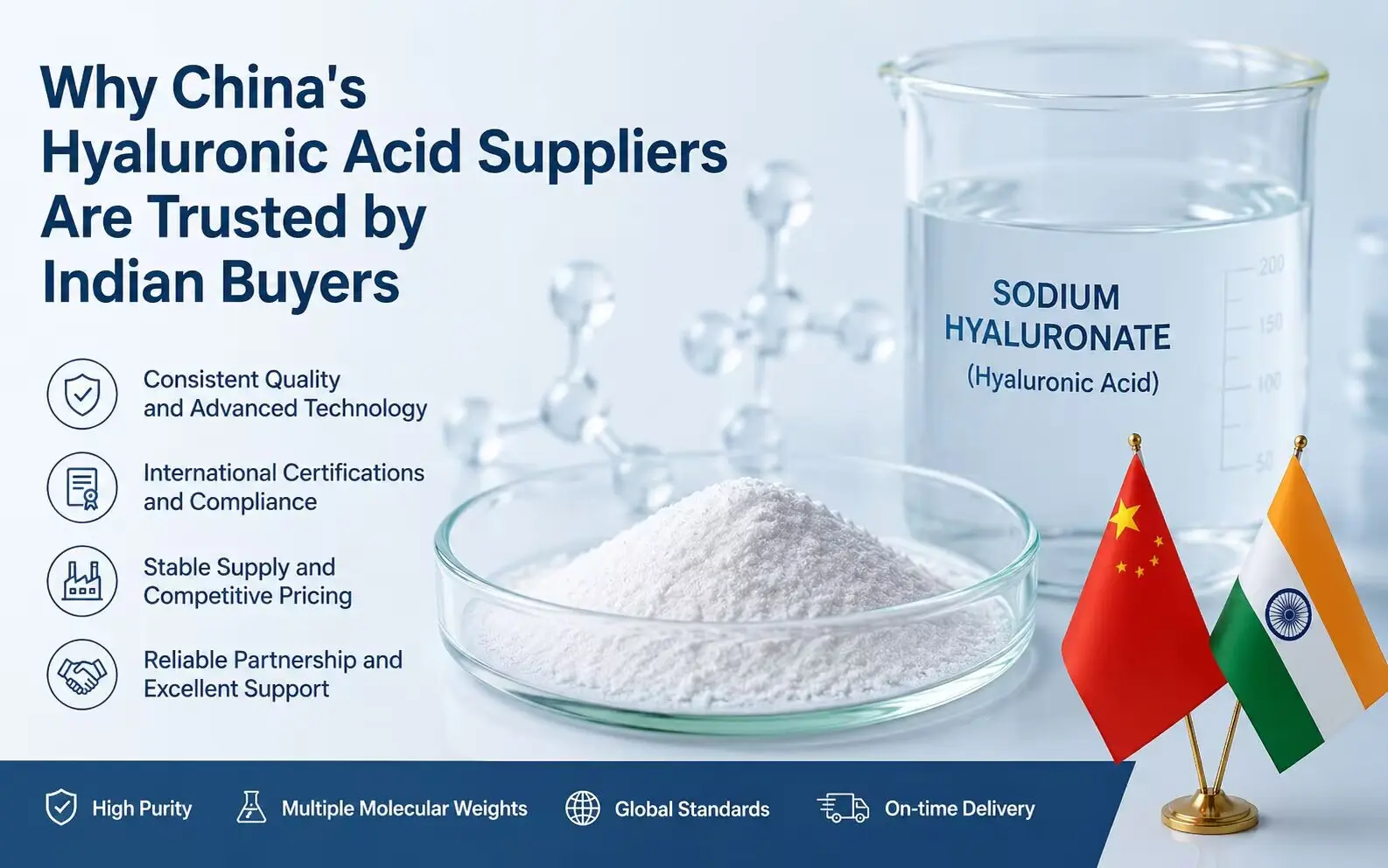
In recent years, with the rapid development of India's cosmetics, pharmaceutical, and food and health product industries, the market demand for hyaluronic acid (HA) and sodium hyaluronate has continued to grow. More and more Indian buyers are turning to Chinese suppliers due to reliable quality controls and production scaling.
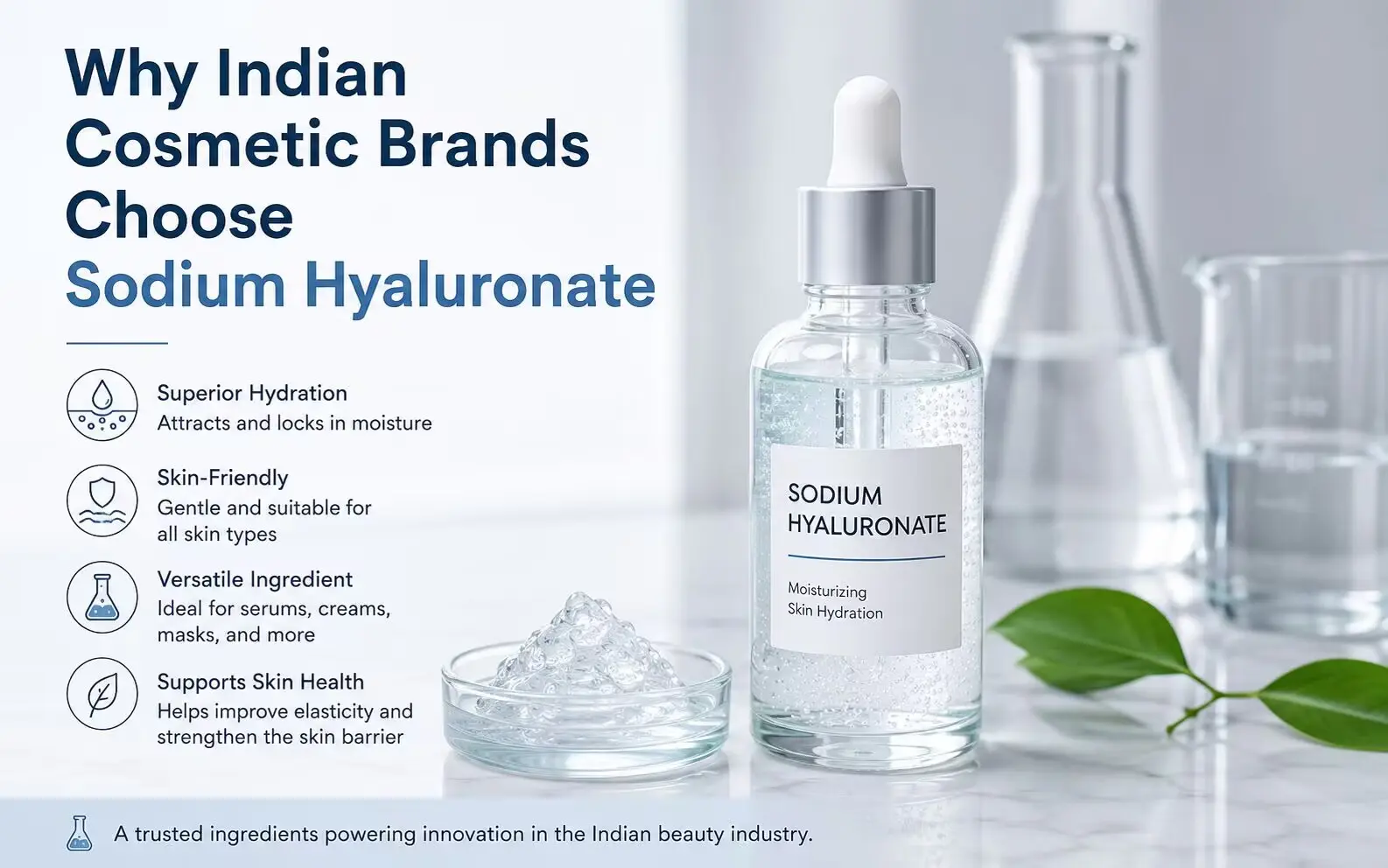
With the continued growth of the Indian beauty and personal care market, consumers' demand for highly effective and safe skincare products is rising. As a widely used moisturizing ingredient, sodium hyaluronate has become an important choice for serums, creams, masks, and makeup formulations.
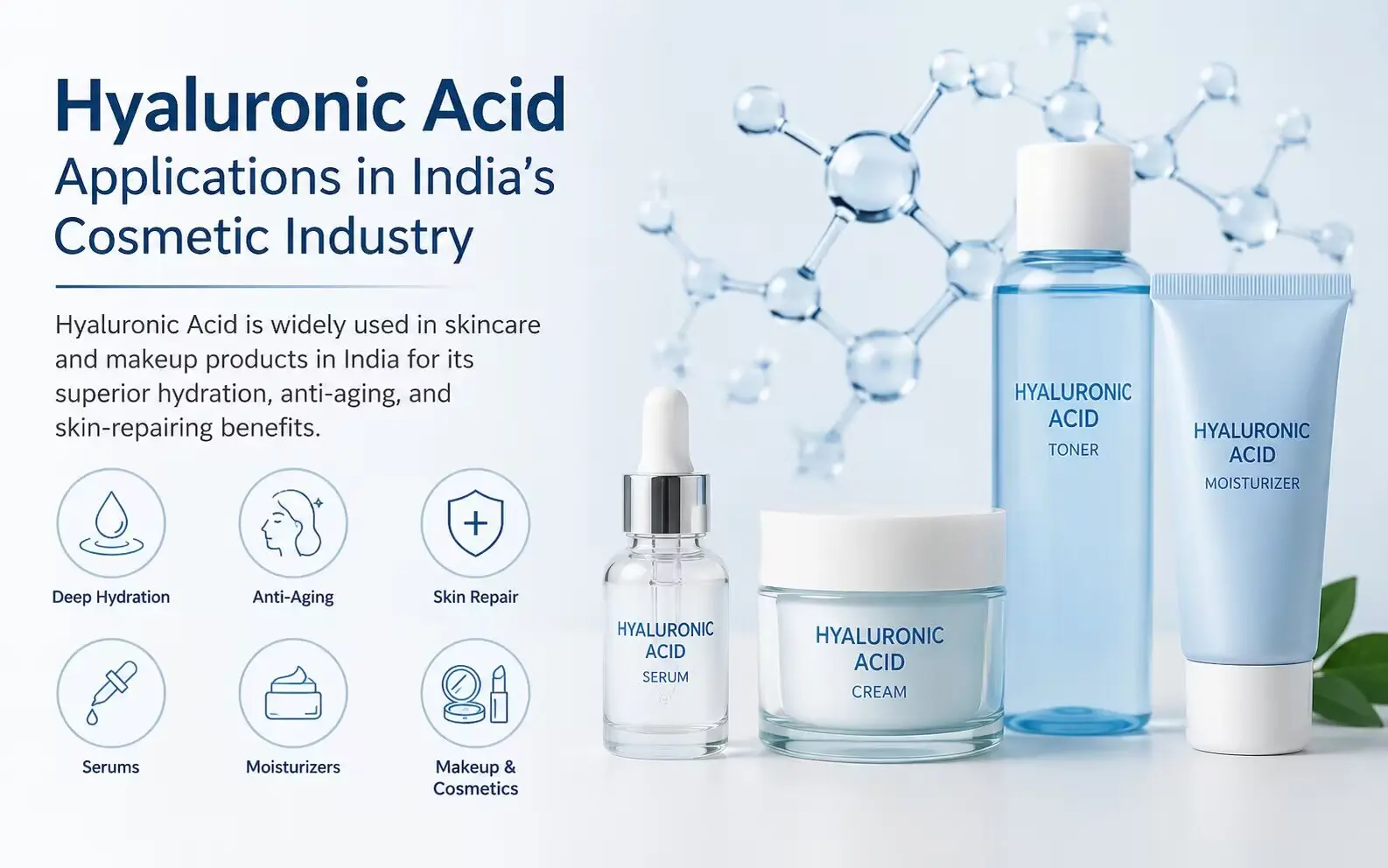
With the expansion of the cosmetics market and growing consumer interest in clean label skincare, hyaluronic acid (HA) has become a primary functional active ingredient in the regional personal care space, driving product innovation across multiple skin types.
Expert answers on molecular behavior, formulation stability, quality testing, and supply chain logistics.
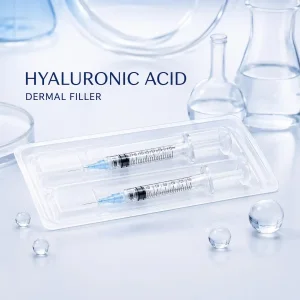
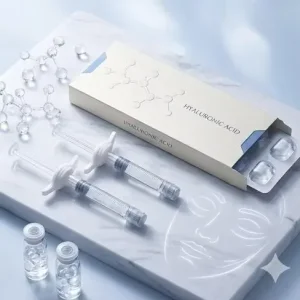
Explore our full line of functional ingredients, dermal fillers, and high-purity sodium hyaluronate formulations.
Supporting chemical distributors, formulation labs, and cosmetic brands in over 20 countries.