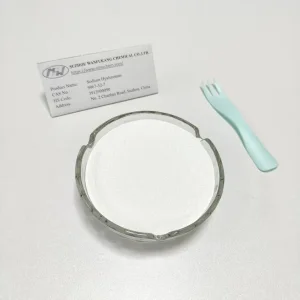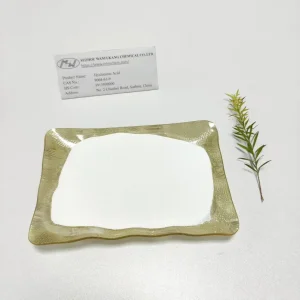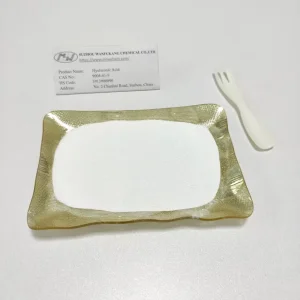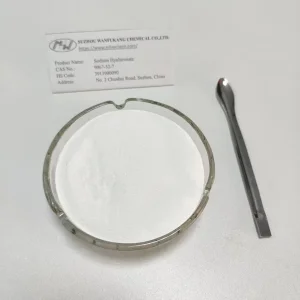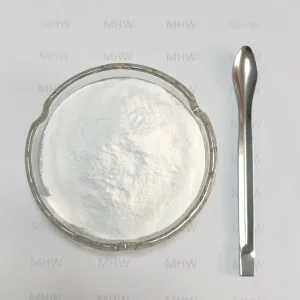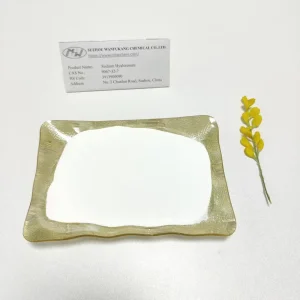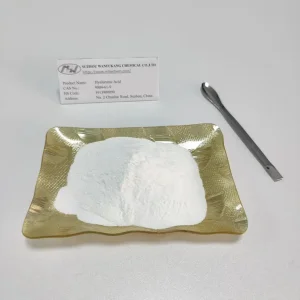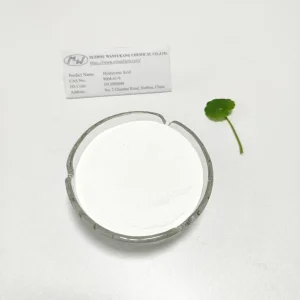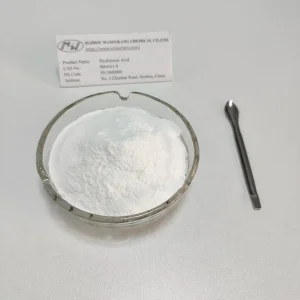
Explore our certified pharmaceutical, cosmetic, and food grade sodium hyaluronate raw materials directly sourced from our cleanroom-validated factory.
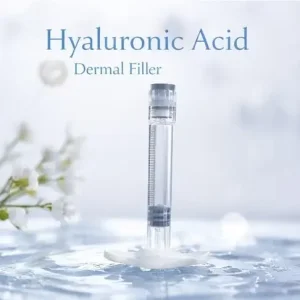
Hyaluronic Acid (HA) has transformed the global medical aesthetics and tissue engineering industries over the last two decades. As a naturally occurring glycosaminoglycan in human connective tissue, HA is biocompatible, non-immunogenic, and highly hydrophilic. However, native HA suffers from a short half-life in human tissue, degrading rapidly via endogenous hyaluronidases. To bypass this limitation, advanced aesthetic manufacturers utilize chemical cross-linking technologies to modify the spatial structure of HA chains, transforming a viscous solution into a cohesive, viscoelastic gel network capable of resisting physical degradation.
Technical Focus: The performance of dermal fillers is determined by their rheological profile, specifically the Elastic Modulus (G') and Viscous Modulus (G''). An optimal G' balance allows dermal fillers to resist external mechanical compression (e.g., facial muscle contractions) while maintaining tissue integration and a natural aesthetic finish.
The manufacturing process begins with advanced bio-fermentation using non-animal source strains (typically Streptococcus zooepidemicus). By cultivating these microorganisms under strict, automated conditions, we control the starting molecular weight of the raw HA. High-molecular-weight HA forms the robust backbone of our cross-linked matrices. Post-fermentation, a multi-stage alcohol precipitation and ultrafiltration sequence purifies the raw material, reducing bacterial endotoxins to less than 0.01 EU/mg—far exceeding the standard requirements of the European Pharmacopoeia (EP) and United States Pharmacopeia (USP).
Unmodified HA degrades within days if injected directly into human skin tissue. To construct a durable gel, we utilize 1,4-butanediol diglycidyl ether (BDDE), the industry gold-standard cross-linking agent. Under controlled alkaline conditions, BDDE forms ether bonds with the hydroxyl groups of the HA chains. Crucially, raw BDDE contains reactive epoxide groups that must be fully reacted or washed out of the final product. Our proprietary purification loop removes unreacted, free BDDE to levels below 1 ppm, ensuring that the final gel meets the highest safety criteria for medical devices, keeping adverse reactions to a minimum.
How China's specialized chemical corridors provide unmatched production capacity, quality assurance, and global economic efficiency.
China operates the largest raw material manufacturing base for sodium hyaluronate. Our factory runs internal culture preparation, fermentation, extraction, purification, and cross-linking stages in one facility, lowering raw material transport costs and reducing contamination risks during transfer stages.
Our production floor uses industrial fermentation vessels and automated sterile filling lines, delivering high batch-to-batch consistency. Scaled operations mean we can fulfill bulk orders from 500 kg to tons while meeting international quality standards.
Our facilities are operated under strict ISO 9001 and ISO 13485 (Medical Devices Quality Management) protocols. Every batch undergoes high-performance liquid chromatography (HPLC) testing, verifying molecular weight distribution, purity index, and heavy metal concentrations.
Solid figures illustrating our export capacity, global presence, and chemical formulation expertise.
Navigating the complex landscape of global medical regulations is a major challenge for medical device distributors and cosmetic formulators. Each market has specific quality standards and documentation requirements. Our regulatory affairs team helps streamline local approvals by providing documentation tailored to regional standards.
For European buyers, we provide data to support CE mark registration (MDR 2017/745), ensuring traceability and bio-safety. For the North American market, we provide Drug Master Files (DMF) to support FDA submissions. We also supply raw materials to meet regional requirements in dynamic markets like India and Latin America.
We provide full documentation, including Certificate of Analysis (COA), Material Safety Data Sheets (MSDS), stability reports, and analytical testing protocols. This documentation helps minimize delays at customs and regulatory bottlenecks, helping your product reach the market smoothly.
Detailed testing metrics including molecular weight, pH, loss on drying, protein content, and bacterial count for every batch.
Our manufacturing plants use certified cleanrooms (Class 100/ISO Class 5 environments) for sterile formulation processes.
All our sodium hyaluronate grades are produced through bacterial fermentation, making them vegan-friendly and suitable for Halal formulations.
Different applications require specific molecular weights and cross-linking levels. We offer customized options to match your product's requirements.
We supply cross-linked hyaluronic acid gel in various particle sizes for deep dermis contouring, nasolabial fold correction, lip enhancement, and superficial fine-line treatments.
Our injection-grade sodium hyaluronate works as a lubricant in ophthalmic drops, protecting corneal tissues and relieving dry eye symptoms.
Our food-grade HA has excellent bioavailability. Used in dietary supplements, it supports joint lubrication and cartilage health while helping maintain skin hydration from within.
Select a category to view the core cosmetic and food ingredients manufactured by Suzhou Wanfukang Chemical Co., Ltd.

High-efficacy moisture binder for personal care formulations.

Ultrapure Vitamin B3 powder for reliable hyperpigmentation treatments.

Premium biological arbutin extract for skin brightener systems.

Antioxidant raw material for cardiovascular health formulations.
Key technological developments and shifting market demands shaping the future of hyaluronic acid medical solutions.
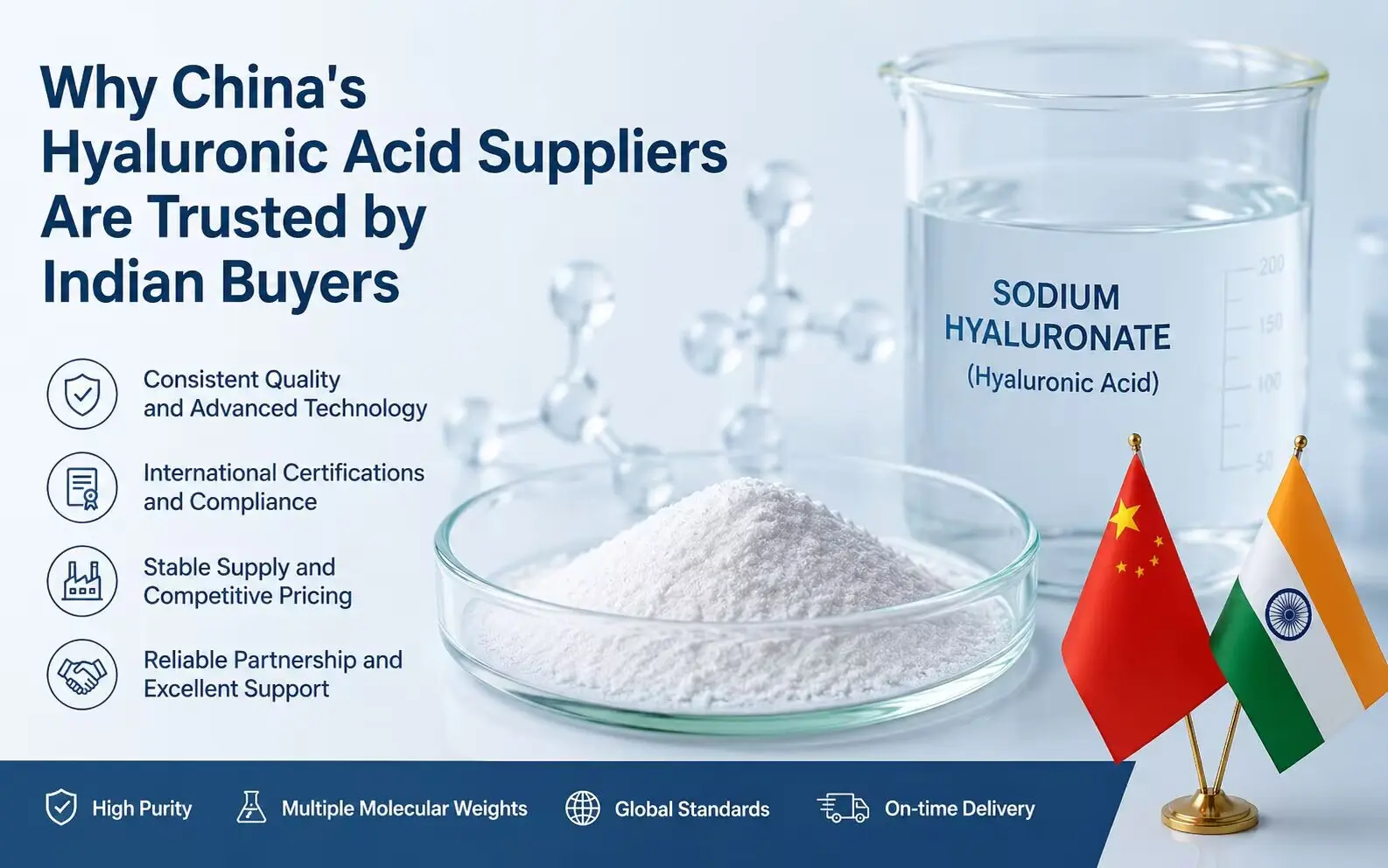
India's pharmaceutical and cosmetic sectors are growing rapidly, increasing the demand for high-purity hyaluronic acid. Chinese manufacturers supply certified, scale-produced materials that help Indian formulators maintain consistent product quality.
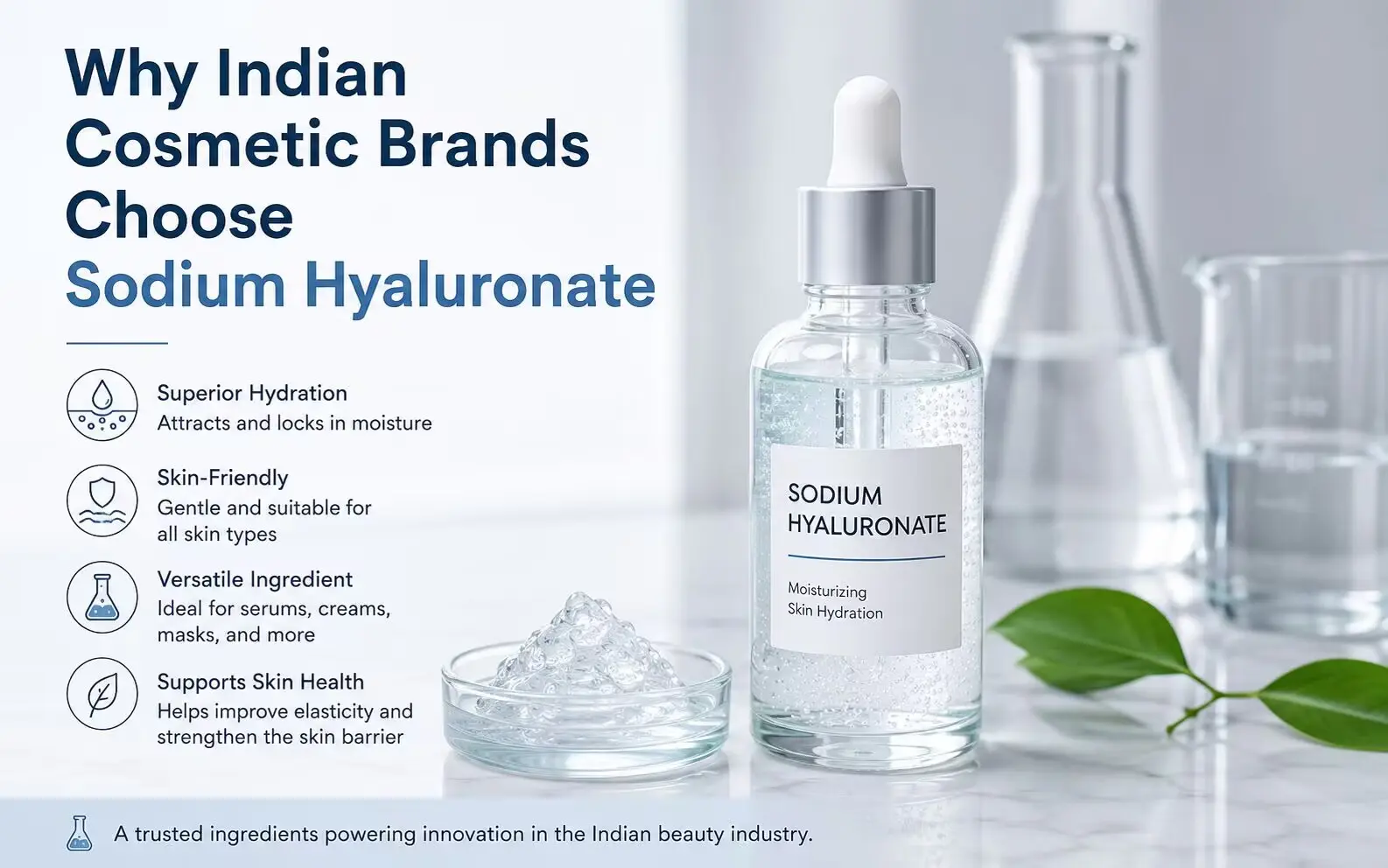
Sodium hyaluronate has become a key ingredient for hydration in serums, sunscreens, and creams. Its stability and compatibility make it a reliable choice for cosmetics brands in the region.
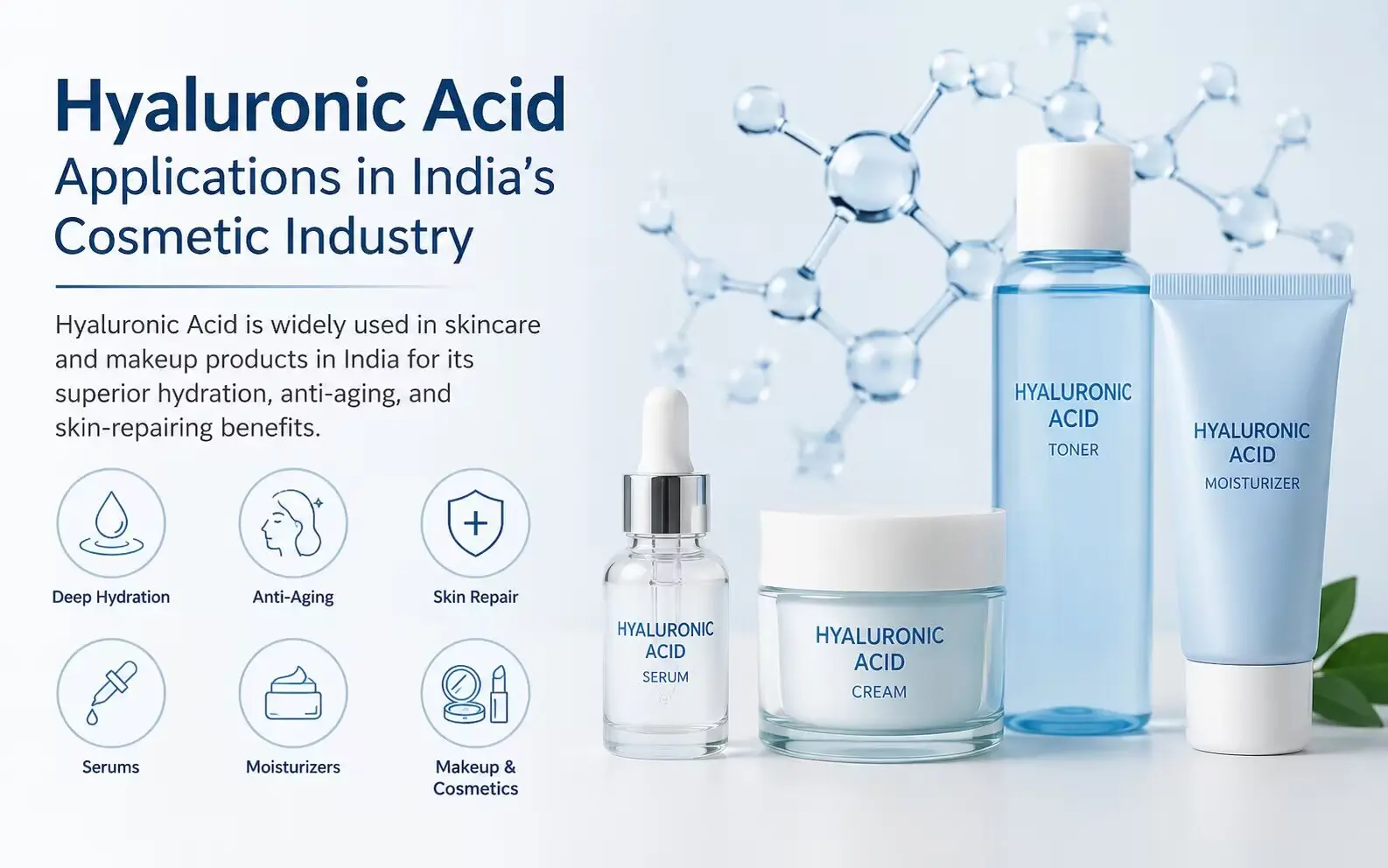
The beauty and personal care market increasingly demands functional, science-backed skin care solutions. We provide specific molecular weights to meet these formulation needs.
Answers to common technical, logistics, and quality control questions from global procurement managers.
Select from our production-ready grades or request customization for your formulation's target molecular weight.