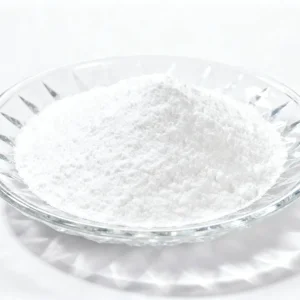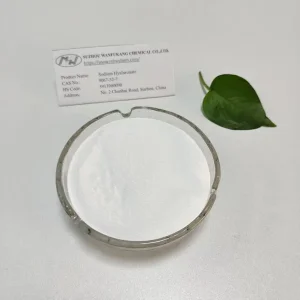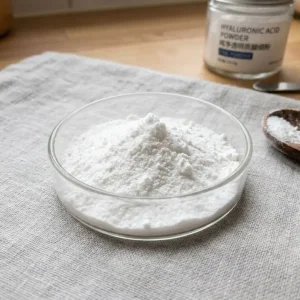
Premium raw materials engineered for target applications, complying with USP, EP, and CosIng cosmetic standards.
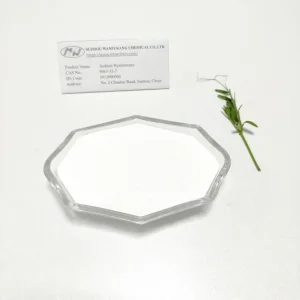
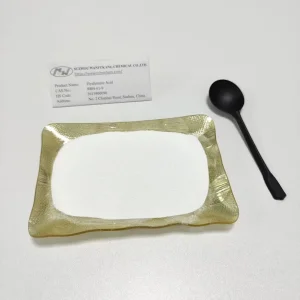
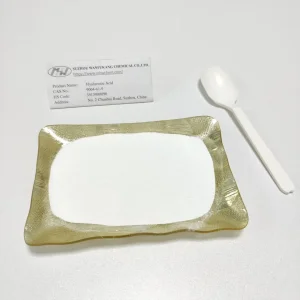
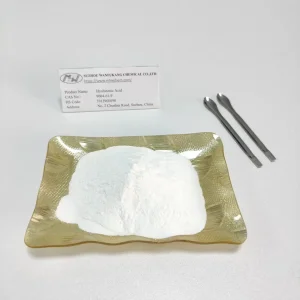
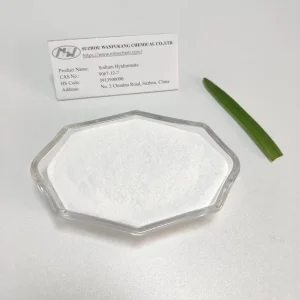
Initially isolated in the 1930s and historically harvested from rooster combs, Hyaluronic Acid (HA) has undergone a biotechnical revolution. The development of advanced microbial fermentation, primarily using Streptococcus zooepidemicus, has allowed manufacturers to eliminate animal-derived contaminants. This shift directly addresses the surging consumer demand for vegan-certified, ethical skincare and dietary supplement products.
Today, the industrial landscape of HA focuses heavily on molecular weight customization. Low molecular weight (LMW) HA, typically ranging from 10 kDa to 150 kDa, easily penetrates the stratum corneum to deliver deep hydration and signals cells to boost collagen production. Conversely, high molecular weight (HMW) HA (>1,500 kDa) creates a protective, breathable, moisture-retaining layer on the skin surface, significantly reinforcing the skin barrier.
"The future of hyaluronic acid synthesis is rooted in multi-molecular weight synergy and cross-linked matrix formations that prolong bio-availability and mimic the skin's natural extracellular matrix."
Eliminating pathogen risks, our bacterial strains are cultivated in high-tech bioreactors under strict parameters, yielding a pure, non-animal origin product.
Precision molecular weight configuration allows B2B buyers to select the exact molecular weights required to maximize the efficacy of their formulations.
Procuring raw cosmetics and medical-grade ingredients requires strict compliance, stable supply chains, and precise quality assurance.
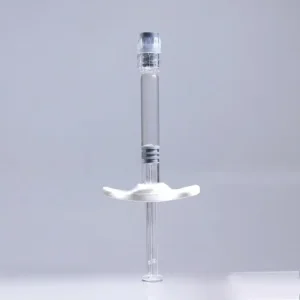
For pharmaceutical-grade applications, such as intra-articular injections and ophthalmic eye drops, raw materials must satisfy stringent monograph specifications. Ensuring low endotoxin limits (<0.05 IU/mg) is crucial to preventing inflammatory host reactions.
Fluctuational global logistics can cause critical bottlenecks for cosmetic manufacturers. Partnering with suppliers that maintain large inventories of standard raw materials helps businesses avoid production delays.
Fluctuations in active assay percentages (standard: >95.0% for cosmetic grade, >100% for pharmaceutical grade) directly impact formulation stability. We utilize advanced chromatography to ensure batch-to-batch consistency.
Combining modern industrial automation with sustainable scale to support the global beauty and health industries.



By leveraging Factory 4.0 technology, Chinese biopharmaceutical plants have drastically optimized the raw material supply chain. Fully automated bioreactors monitor pH levels, temperature, and feeding cycles in real time. This minimizes manual interventions and reduces batch variation to less than 1%.
Furthermore, China's robust upstream chemical and downstream logistics ecosystems provide unmatched raw material cost-efficiency. Our manufacturing lines run on green-energy networks, minimizing carbon footprints while scaling production to meet high-volume global demands.
Suzhou Wanfukang Chemical Co., Ltd, specializing in the development and export of cosmetic and food ingredients.
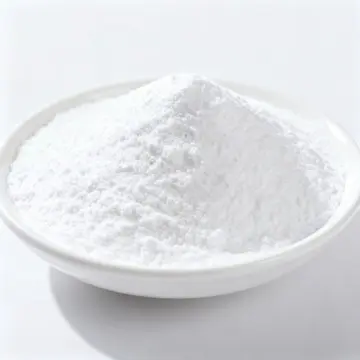
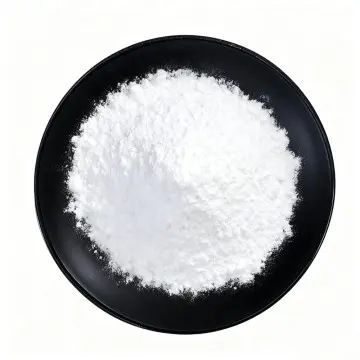
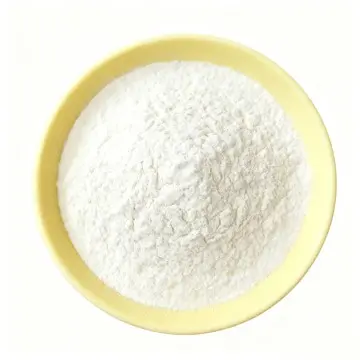
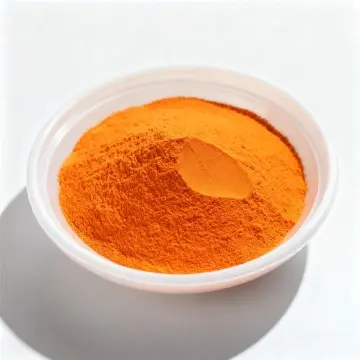
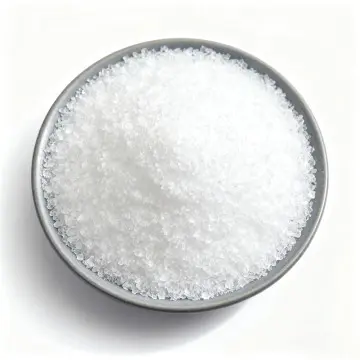
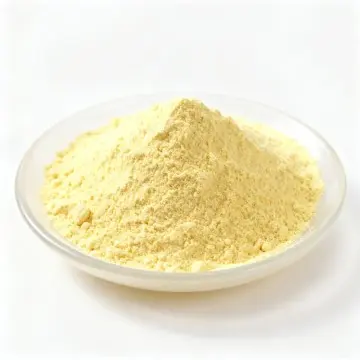
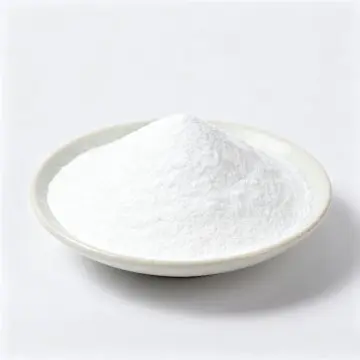
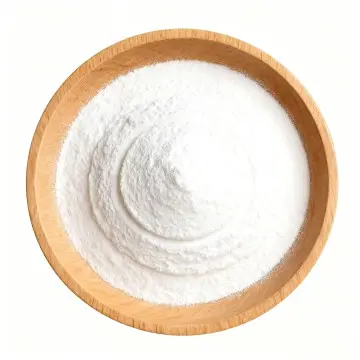
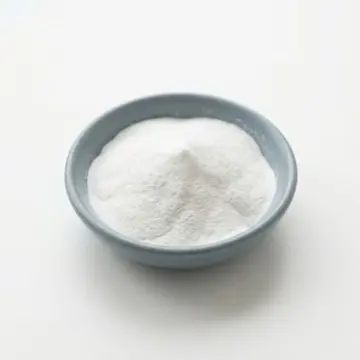
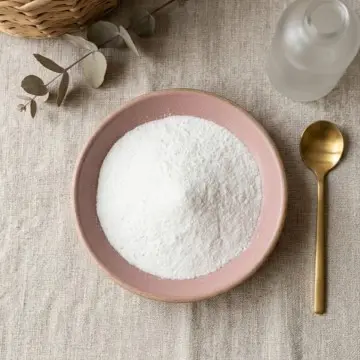
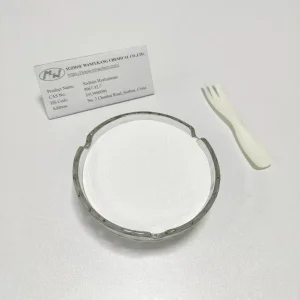
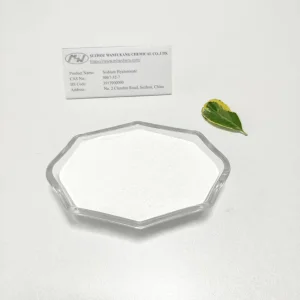
Suzhou Wanfukang Chemical Co., Ltd. is an established manufacturer and supplier of Sodium Hyaluronate and Hyaluronic Acid raw materials.
We offer food-grade, cosmetic-grade, and pharmaceutical-grade sodium hyaluronate. Over the years, our product line has expanded to include high-grade cosmetic ingredients, dietary supplements, and specialized pharmaceutical active ingredients. These are widely used in anti-aging creams, joint health supplements, and medical devices.
Expert perspectives on importing, regional trends, and high-performance applications in growing cosmetics markets.
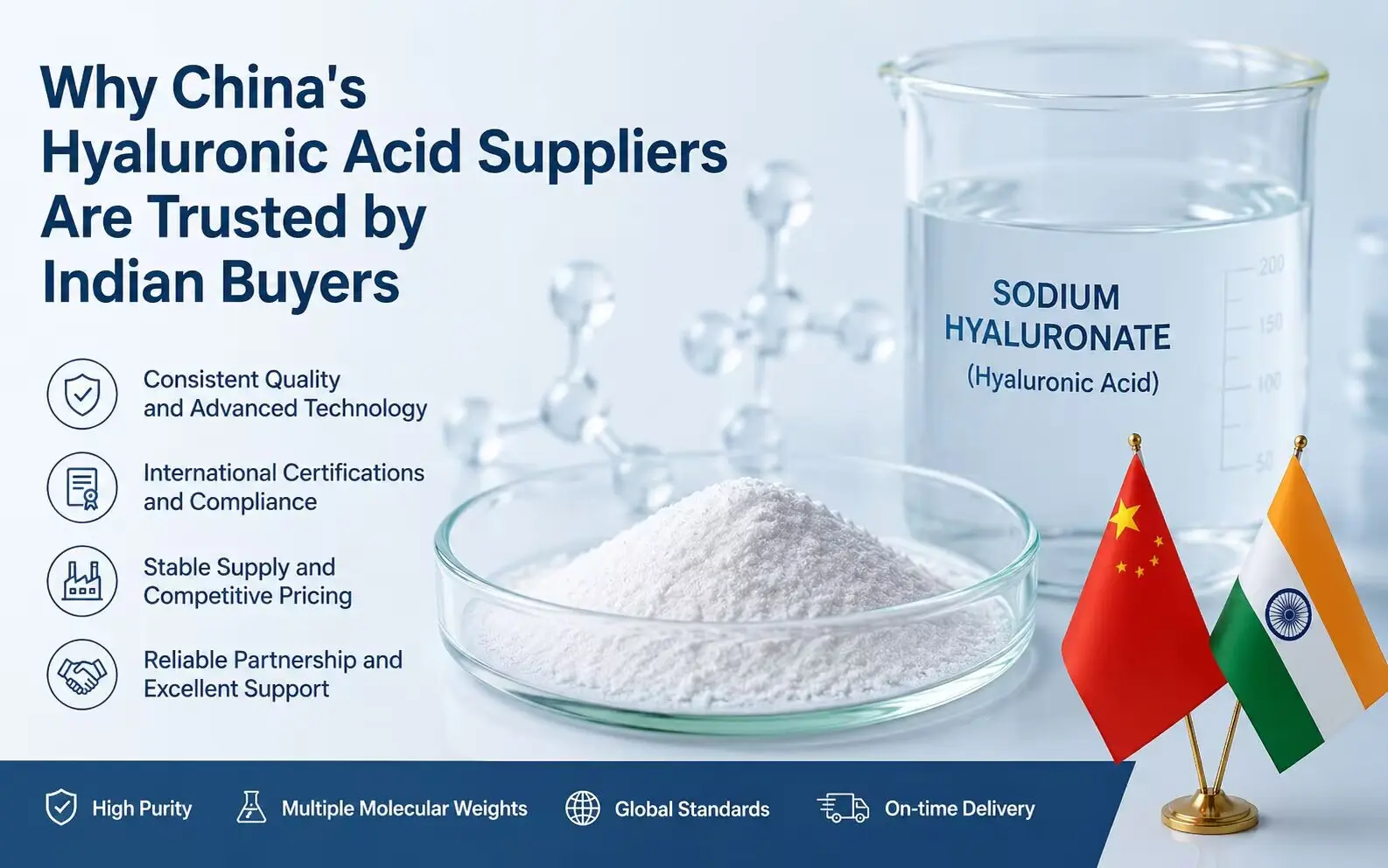
As India's cosmetic and pharmaceutical sectors expand rapidly, buyers face increasing demand for high-quality sodium hyaluronate. Chinese exporters supply compliant, cost-effective raw materials with stable supply chains that support local formulations.
Read Insight Report →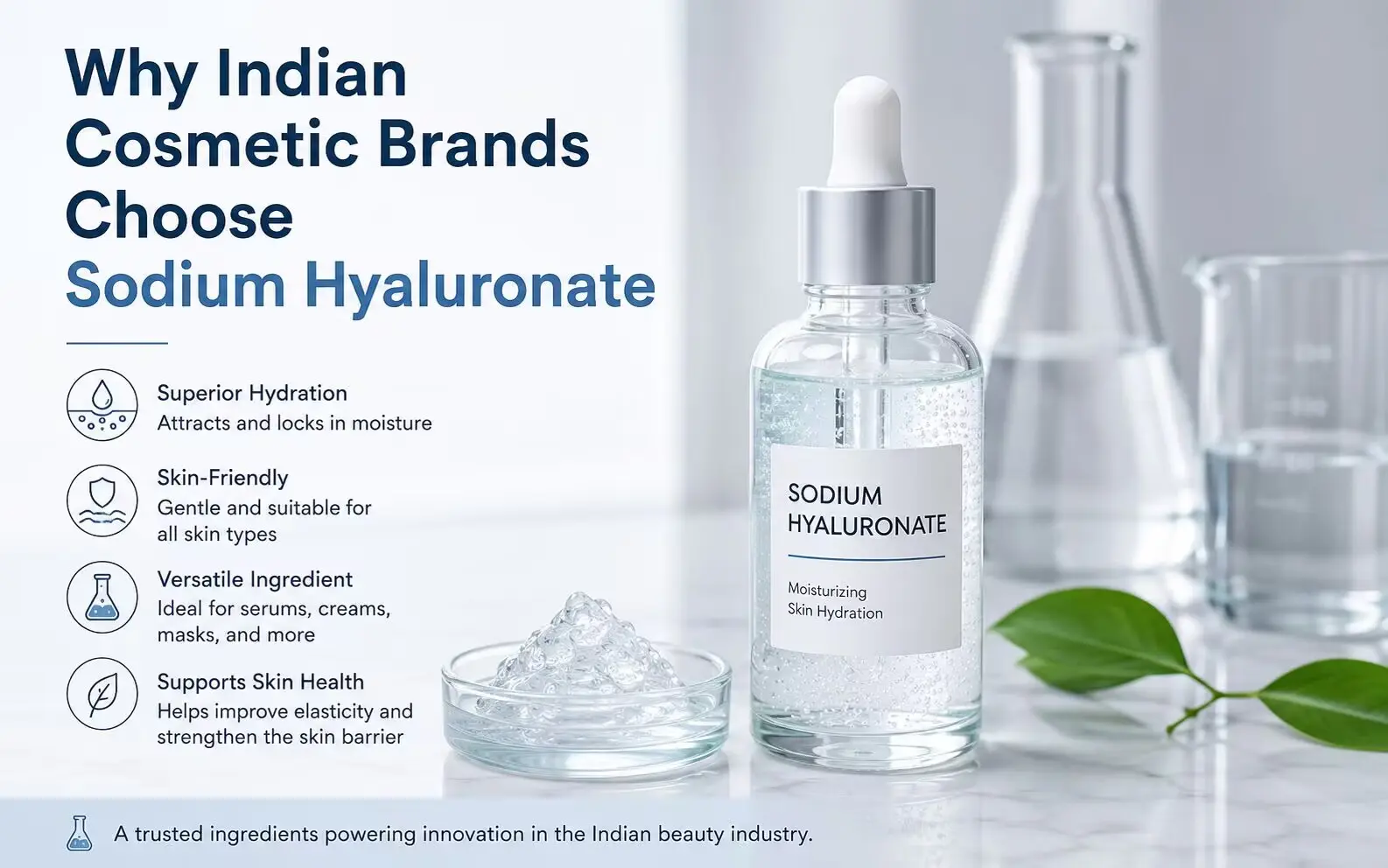
Sodium Hyaluronate is a preferred hydrating agent for Indian skincare formulations. Its high stability, biological compatibility, and effectiveness in humid environments make it ideal for local creams, toners, and sunscreens.
Read Insight Report →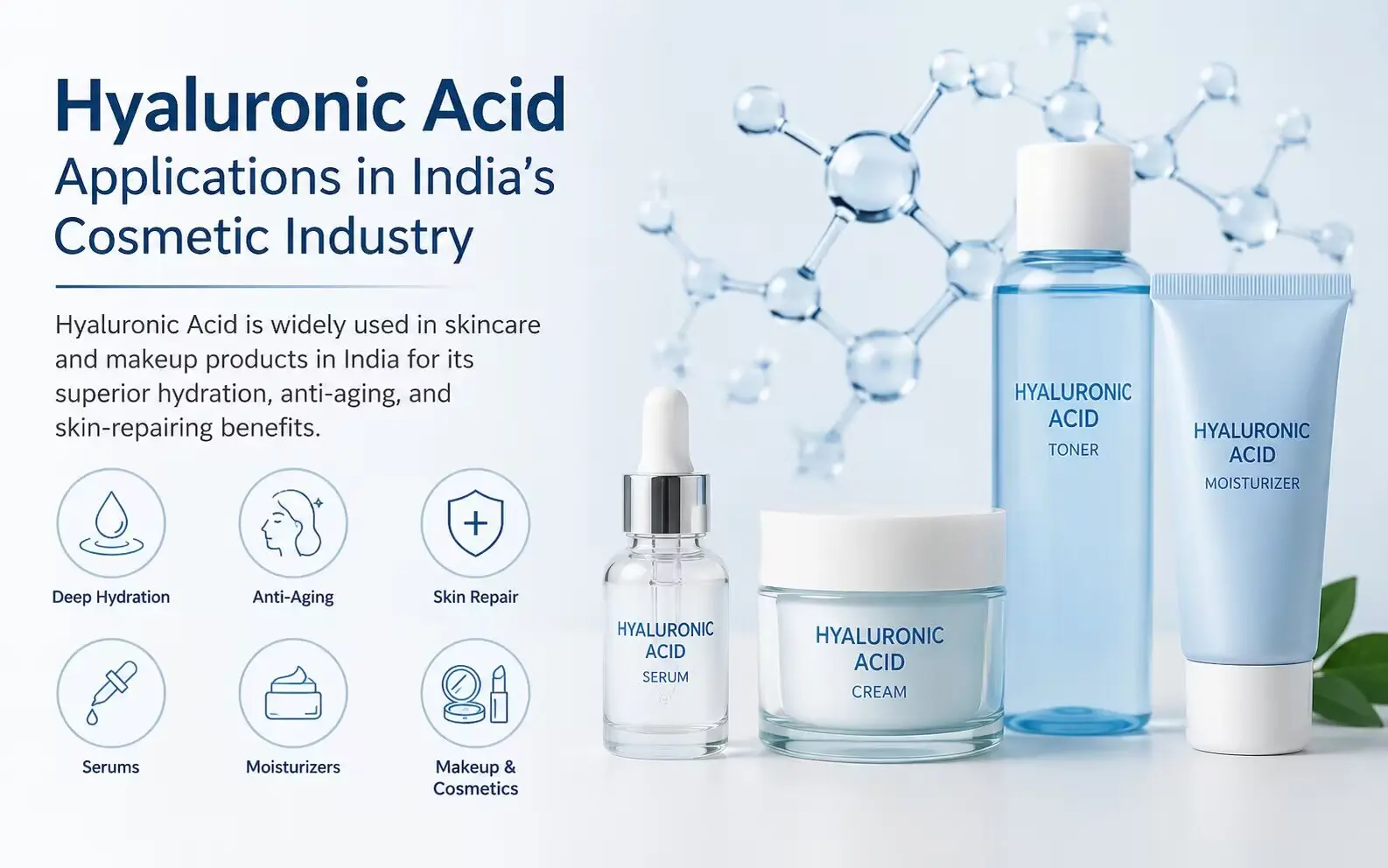
From high molecular weight barrier-building powders to micro-molecular penetrating serums, cosmetic laboratories are using multi-weight formulations to achieve clinical-strength hydration properties.
Read Insight Report →Detailed technical answers addressing regulatory, chemical, and biological specifications of Sodium Hyaluronate.
CAS No. 9004-61-9 refers to Hyaluronic Acid (the free acid form), whereas CAS No. 9067-32-7 represents Sodium Hyaluronate (the sodium salt form). Sodium Hyaluronate is widely used in cosmetic and pharmaceutical formulations because of its superior solubility, stability, and ease of formulation in aqueous solutions.
We use the Limulus Amebocyte Lysate (LAL) gel-clot or chromogenic assay to verify endotoxin levels in our injection-grade products. For medical and injection applications, endotoxin levels are maintained below 0.05 IU/mg. This is achieved through sterile processing and membrane purification technologies during production.
We recommend a multi-molecular strategy. Oligo-HA (<10 kDa) penetrates the deepest layers to support skin repair. Medium Molecular Weight (800 kDa to 1,200 kDa) supports the skin barrier. High Molecular Weight (>1,600 kDa) creates a moisture-locking surface film.
Yes, our raw materials are produced via bacterial fermentation using non-animal glucose substrates. They are free from animal-derived materials, which aligns with vegan certification guidelines and meets clean beauty standards.
Specialty ingredients engineered to meet strict international medical and nutritional standards.