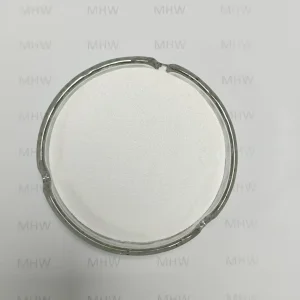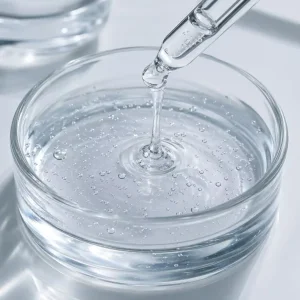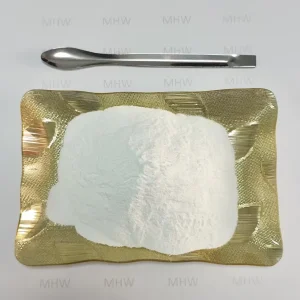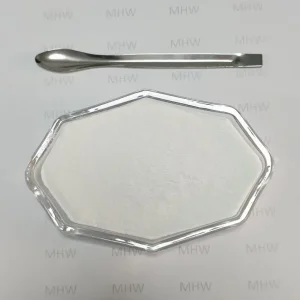
Advanced cosmetic-grade and food-grade raw materials optimized for global clinical standards
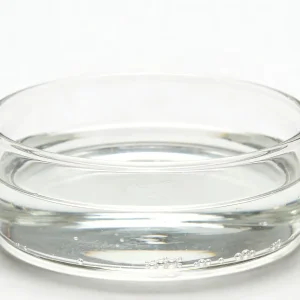
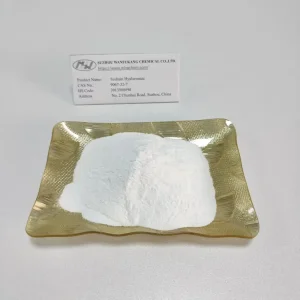
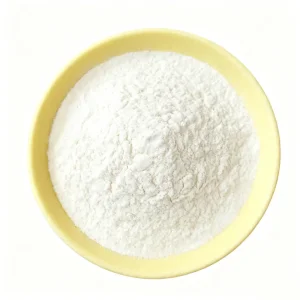
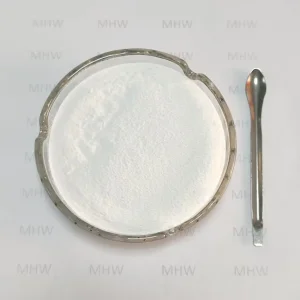
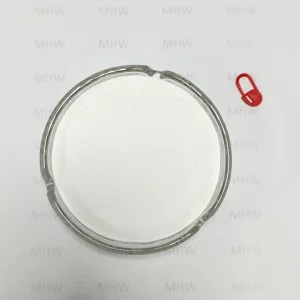
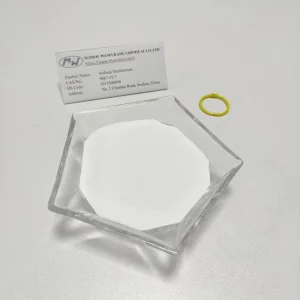
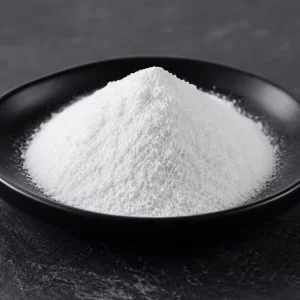
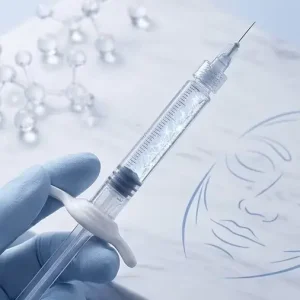
In the advanced field of biomaterials and dermatological formulations, molecular weight is the ultimate arbiter of therapeutic and cosmetic efficacy. Medium Molecular Weight Hyaluronic Acid (MMW HA), typically defined in the range of 0.8 MDa to 1.5 MDa (Megadaltons), occupies a unique physiological sweet spot. While High Molecular Weight Hyaluronic Acid (HMW HA > 1.6 MDa) serves as an exceptional superficial humectant and mechanical barrier, and Low Molecular Weight Hyaluronic Acid (LMW HA < 0.1 MDa) focuses on deep epidermal penetration, MMW HA excels in tissue integration and biological cell signaling.
MMW HA interacts directly with the CD44 transmembrane glycoprotein. This activation plays a key role in regulating keratinocyte proliferation, promoting extracellular matrix stabilization, and strengthening the dermal-epidermal junction (DEJ). From an industrial processing perspective, MMW HA provides a stable, balanced solution that avoids both the excessive thickness of high-weight polymers and the potential inflammatory triggers of low-weight fragments.

Synthesizing Market Trends, Bio-fermentation Advancements, and B2B Procurement Optimization
The international demand for Sodium Hyaluronate has transitioned from animal-derived extraction (rooster combs) to sustainable Streptococcus zooepidemicus bio-fermentation. This transition has eliminated the risk of zoonotic pathogens while reducing environmental footprints. Current market studies project the global sodium hyaluronate industry to surpass USD 15 billion in market capitalization by 2030, driven by the aging global demographic, the growth of clean beauty formulations, and the rising clinical adoption of intra-articular injections and ophthalmic lubricants.
For raw material distributors and cosmetic brands, securing a stable supply chain is paramount. Emerging markets in the Asia-Pacific region, particularly India, are experiencing rapid expansions in cosmetics and health supplements. Consequently, manufacturers are focusing heavily on delivering raw materials with precise molecular weight distribution curves (polydispersity index, PDI < 1.5). This precision ensures that each batch behaves identically during production, avoiding unexpected viscosity drops during high-shear emulsion processing.

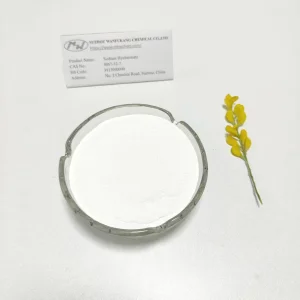
Established as a professional supplier of Sodium Hyaluronate and Hyaluronic Acid, Suzhou Wanfukang Chemical Co., Ltd has built a strong reputation over years of focused expertise. We specialize in supplying a comprehensive range of molecular weights, offering cosmetic-grade, food-grade, and pharmaceutical-grade ingredients.
Our product portfolio is engineered to meet the demands of cosmetics manufacturers, dietary supplement brands, and ophthalmic drug producers. By utilizing state-of-the-art purification technology, we maintain strict quality control standards, ensuring that our products consistently align with international monographs including USP, EP, and ChP.
Innovations in Glycosaminoglycan Polymerization, Enzymatic Cleavage, and Sustainable Production
The future of Hyaluronic Acid manufacturing centers on precision and sustainability. Our current R&D roadmap focuses on utilizing metabolic engineering to construct superior strain expressions of Bacillus subtilis. This approach aims to establish an endotoxin-free, clean-label manufacturing process that avoids the regulatory hurdles of Streptococcus strains.
Additionally, we are pioneering advanced enzymatic degradation methods. Instead of utilizing traditional thermal or chemical acid cleavage—processes that can degrade the polymeric structure and generate unwanted free radicals—our process employs highly specific hyaluronidases. This enzymatically controlled breakdown ensures targeted molecular weight fractions (including MMW HA) with minimal polydispersity, translating to superior formulation stability for our clients.

Formulating with MMW Hyaluronic Acid Across Cosmetics, Nutraceuticals, and Ophthalmic Solutions
MMW Hyaluronic Acid functions as an excellent rheology modifier and skin-plumping agent. It forms a breathable, non-occlusive film that smooths fine lines and preserves moisture. It is frequently formulated alongside active ingredients such as Arbutin and Niacinamide to enhance skin radiance and brightness.
When integrated into dietary supplements, MMW HA survives gastric digestion to reach the intestinal tract, where it supports joint lubrication and systemic skin hydration. It is commonly formulated with Chondroitin Sulfate to support joint health and joint mobility.
In eye drop formulations, MMW HA mimics the natural behavior of tear film mucins, providing relief for dry eyes. Its shear-thinning properties deliver high lubrication during blinking, coupled with excellent retention when the eye is open.
Navigating the regulatory requirements of different global markets can be challenging. Suzhou Wanfukang Chemical Co., Ltd provides robust compliance support to streamline your regulatory process. Our production facilities and raw materials are backed by comprehensive certifications:

Understanding Synergies, Temperature Sensitivity, and Viscosity Controls
Formulating with Sodium Hyaluronate requires a deep understanding of macromolecular behaviors. When dissolving MMW HA in water, it is critical to introduce the powder slowly under high-speed agitation to prevent the formation of "fish eyes"—gel particles that are dry on the inside and hydrated on the outside. We recommend using a high-shear mixer or pre-dispersing the HA powder in a humectant like Glycerin or Butylene Glycol before introducing the water phase.
Furthermore, MMW HA behaves as a non-Newtonian fluid with pseudoplastic properties. In skincare serums, this provides a silky, light skin feel upon application that transitions into a protective, hydrating layer. In contrast to HMW HA, which can feel sticky or pill when combined with carbomers or natural gums, MMW HA integrates smoothly into emulsions, offering clean compatibility with standard thickening agents.
In the nutraceutical space, MMW HA is highly stable under typical food-processing temperatures. It is compatible with citric acid and other organic acidulants, making it suitable for functional beverages and liquid supplements. For joint supplements, combining MMW HA with synergistic compounds like Chondroitin Sulfate helps support cartilage matrix density.
Detailed technical answers for formulation engineers, procurement managers, and R&D specialists
Explore our high-purity medical, injection, and specialized food grade sodium hyaluronate solutions