1 / 3

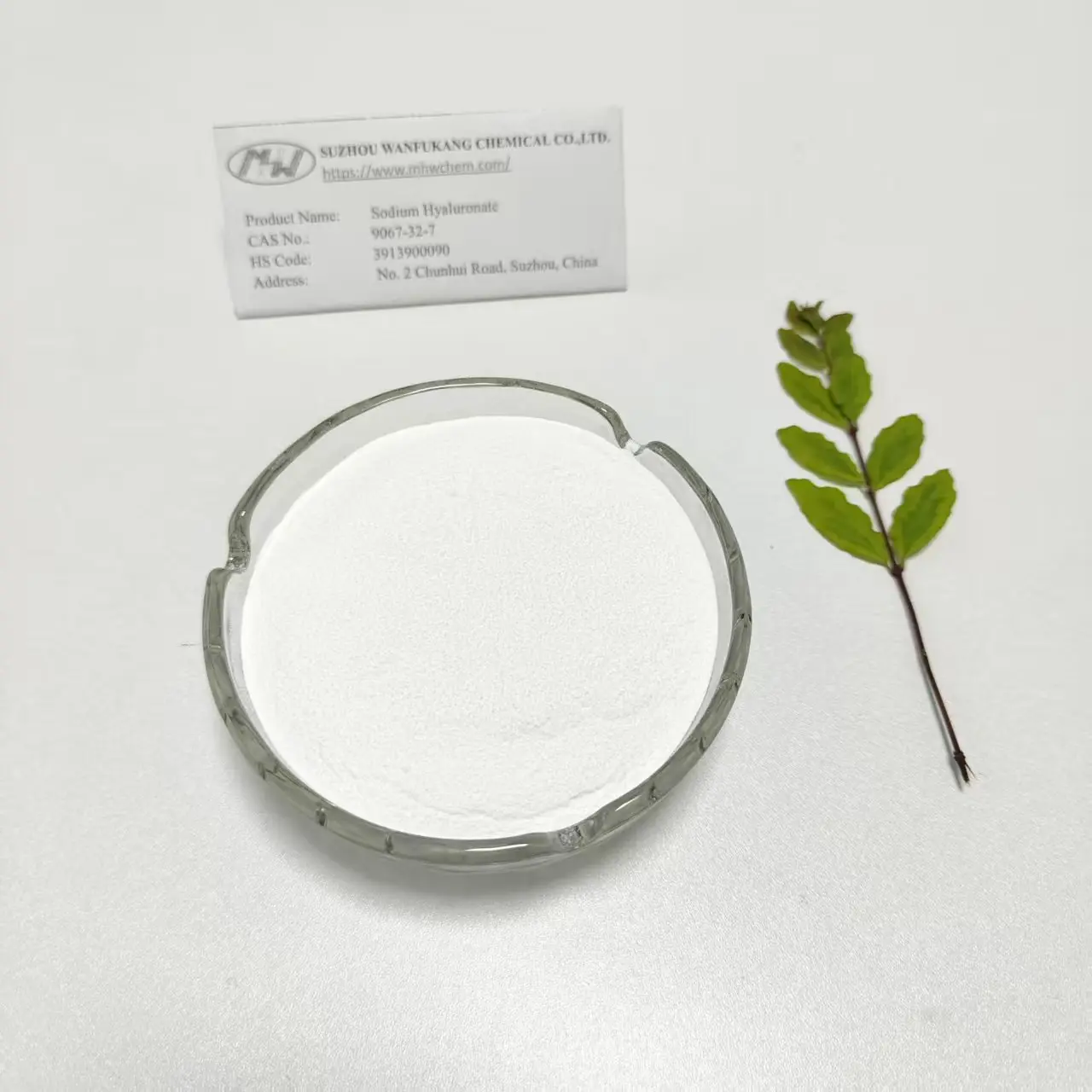
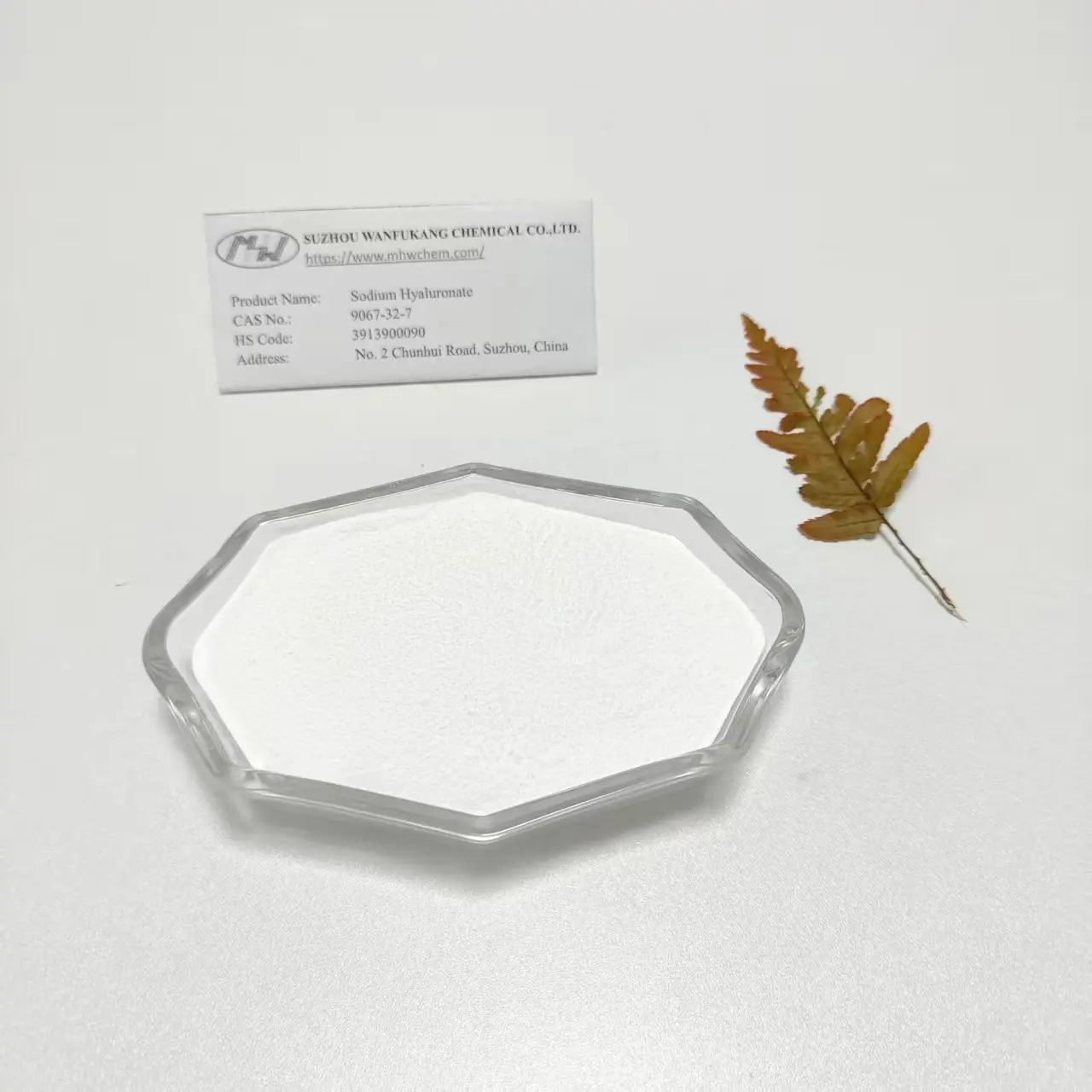
| Product Name | Sodium Hyaluronate |
| Chemical Formula | (C14H20NNaO11)n |
| Chemical Structure |

|
| CAS No. | 9067-32-7 |
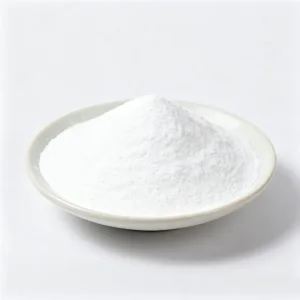
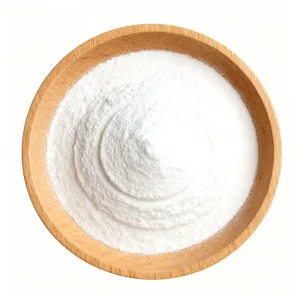
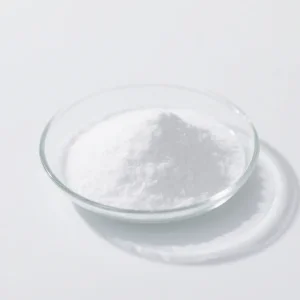
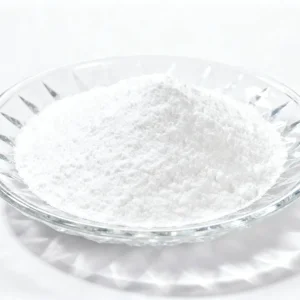
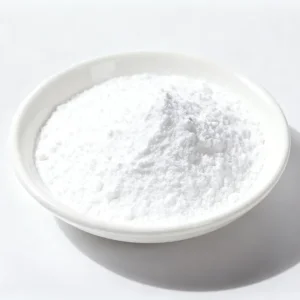
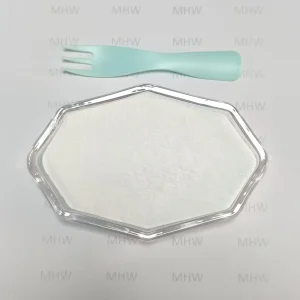
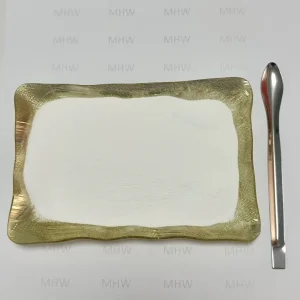
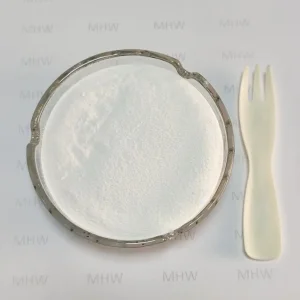
| Appearance | White, fine powder |
| Assay | 95.0%~105.0% |
| Solubility | Soluble in water |
| Heavy metals | ≤10ppm |
| Protein | ≤0.1% |
| Bacterial endotoxins | ≤0.05IU/mg |
| Source | Microbial fermentation |
The entire production process of sodium hyaluronate is completed in a controlled clean environment, meeting international pharmaceutical manufacturing standards.
Sodium hyaluronate is extracted using microbial fermentation, eliminating the risk of viral transmission and ensuring higher safety.
Extremely low endotoxin levels (Endotoxin < 0.05 IU/mg) ensure safety for injection and ophthalmic applications.
Advanced drying and packaging processes ensure the stable activity of sodium hyaluronate throughout its shelf life.
Sodium hyaluronate, a key component of artificial tears and eye washes, effectively relieves dry eye syndrome. Its high viscoelasticity protects the corneal endothelium during ophthalmic surgeries such as cataract surgery.
Used as a viscoelastic supplement for treating osteoarthritis. High molecular weight sodium hyaluronate mimics synovial fluid function, reducing joint friction and relieving pain.
Promoting wound healing and tissue repair, sodium hyaluronate is commonly used in postoperative anti-adhesion products, burn sprays, and advanced dressings.
Utilizing its excellent biodegradability, sodium hyaluronate serves as a sustained-release drug carrier, improving drug bioavailability.
Pure, Stable, and Traceable methods ensuring the highest quality standard from beginning to end.
Sodium hyaluronate is produced through streptococcal fermentation, eliminating the risk of animal-derived viruses and allergens.
Utilizing advanced multi-stage membrane filtration technology, precise control of molecular weight distribution ensures extremely high batch-to-batch stability.
Production is completed in an ISO-compliant cleanroom, with full automation from material feeding to packaging.
Standard packaging is 100g/1kg aluminum foil bag, or customized according to customer requirements. Inner double-layer sterile PE bag.
Store in a cool, dry, and dark place. Refrigeration at 2-8°C is recommended to extend shelf life.
24 months in the original unopened packaging.