Explore our high-performance molecular variants optimized for cosmetics, food, and pharmaceuticals.
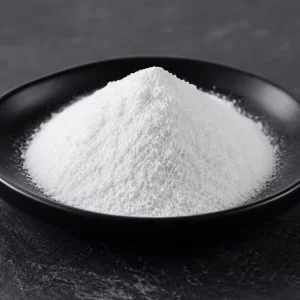
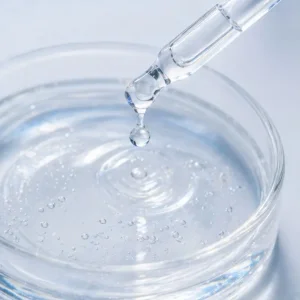
A Professional Overview of Molecular Grades, Procurement Strategies, and Global Manufacturing Benchmarks.
Hyaluronic Acid (HA) has evolved from a niche cosmetic additive to a fundamental bio-macromolecule utilized across pharmaceutical, nutraceutical, and clinical aesthetics industries. Top-tier brands, including global icons like Delfanti, rely heavily on precise, high-purity Hyaluronic Acid formulations to deliver efficacy in anti-aging, joint repair, and hydration applications. The global commercial market for Sodium Hyaluronate is characterized by strict standards regarding molecular weight distribution, impurity control, and biological origin (non-animal derived fermentation being the industry benchmark).
B2B buyers face a challenging environment trying to balance cost efficiency, consistent molecular profiles, and clean supply chains. Finding a manufacturer that aligns with international regulatory standards (such as EP, USP, and Halal) is crucial to meeting compliance demands in multiple jurisdictions.
Technical Insight: Quality of Hyaluronic Acid is not defined by source alone, but by biological purity, minimal heavy metal residue, and optimized molecular weight categorization—factors directly affecting transdermal absorption and cellular interaction.
Hyaluronic Acid is a non-sulfated glycosaminoglycan consisting of repeating D-glucuronic acid and N-acetyl-D-glucosamine disaccharide units. The biological performance of this molecule varies dramatically depending on its polymer chain length (molecular weight):
| Grade Category | Molecular Weight Range | Primary Industrial Applications | Key Performance Indicators |
|---|---|---|---|
| High Molecular Weight (HMW) | > 1.6 MDa | Topical moisturizing, protective barriers, dermal fillers | Moisture retention, film-forming capability, viscosity builder |
| Medium Molecular Weight (MMW) | 0.8 - 1.5 MDa | Basic cosmetics, serums, oral beauty supplements | Skin hydration, cellular repair stimulation |
| Low Molecular Weight (LMW) | 10 - 100 kDa | Deep penetrating skin care, anti-wrinkle formulations | Transdermal absorption, collagen synthesis activation |
| Ophthalmic / Injection Grade | Various (customized) | Eye lubricants, intra-articular injections, surgical aids | Sterility, endotoxin limits < 0.05 IU/mg, EP standard compliance |
Manufacturing high-purity HA involves fermentation of Streptococcus equi subsp. zooepidemicus or other advanced bacterial strains, followed by multi-stage purification steps. For premium products like Delfanti-inspired formulations, maintaining low heavy metals (typically < 10ppm) and minimizing nucleic acid content is essential to prevent allergic reactions or inflammatory responses in end-users.
China has solidified its position as the global hub for Hyaluronic Acid production, accounting for a significant share of global volume. This market leadership is supported by a transition to Industry 4.0 Smart Manufacturing. Modern Chinese production facilities utilize advanced bioprocess control systems, automated purification skids, and real-time monitoring technology.
These smart factories achieve high consistency between batches, reducing variations in viscosity and molecular weight distributions. Additionally, strict environmental standards and resource circularity (such as water reuse in fermentation plants) have enabled Chinese manufacturers to lower production costs while maintaining high-quality outputs. This provides international cosmetic and pharma brands with an efficient and cost-effective sourcing model.
Global B2B procurement of raw active ingredients requires balancing regulatory compliance with supply chain resilience. Cosmetic brands, contract manufacturers (OEM/ODM), and pharmaceutical labs must verify that their suppliers hold proper documentation, including CoAs (Certificates of Analysis), ISO 9001, Halal certifications, and Kosher approvals.
In recent years, geopolitical challenges and shipping disruptions have highlighted the value of supply chain redundancy. Relying on a single supplier can expose brands to risks. By partnering with professional suppliers like Suzhou Wanfukang Chemical Co., Ltd., buyers gain access to a stable portfolio of cosmetic, food, and functional ingredients, mitigating procurement risks and ensuring production continuity.
Reliable supply chains, verified certifications, and proven market success.
Suzhou Wanfukang Chemical Co., Ltd. specializes in the development and export of premium cosmetic, food, and functional ingredients.
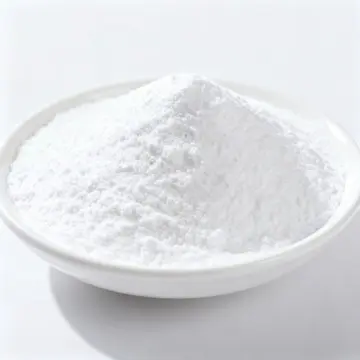
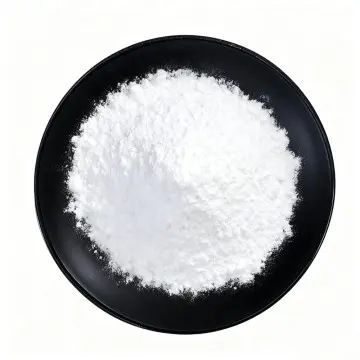
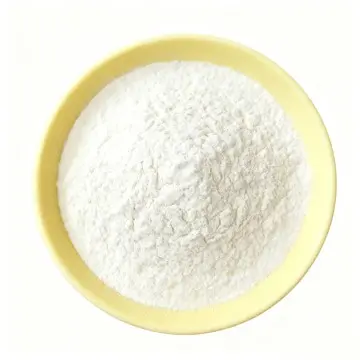
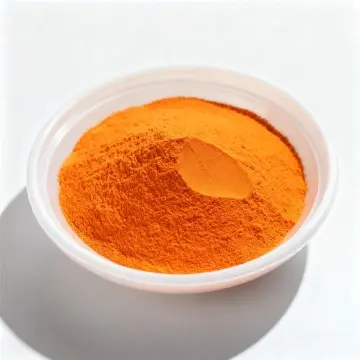
Suzhou Wanfukang Chemical Co., Ltd. has established itself as a professional supplier of Sodium Hyaluronate and Hyaluronic Acid over years of industry operation. We provide multiple grades of sodium hyaluronate, including food grade, cosmetic grade, and pharmaceutical grade, ensuring compliance with global specifications.
As our business has expanded, we have broadened our portfolio to include key cosmetic ingredients, health food raw materials, and pharmaceutical ingredients. Many of our functional products are widely applied in anti-aging cosmetics, joint health supplements, and medical devices globally.



Stay informed with the latest updates from the global hyaluronic acid and chemical raw materials market.
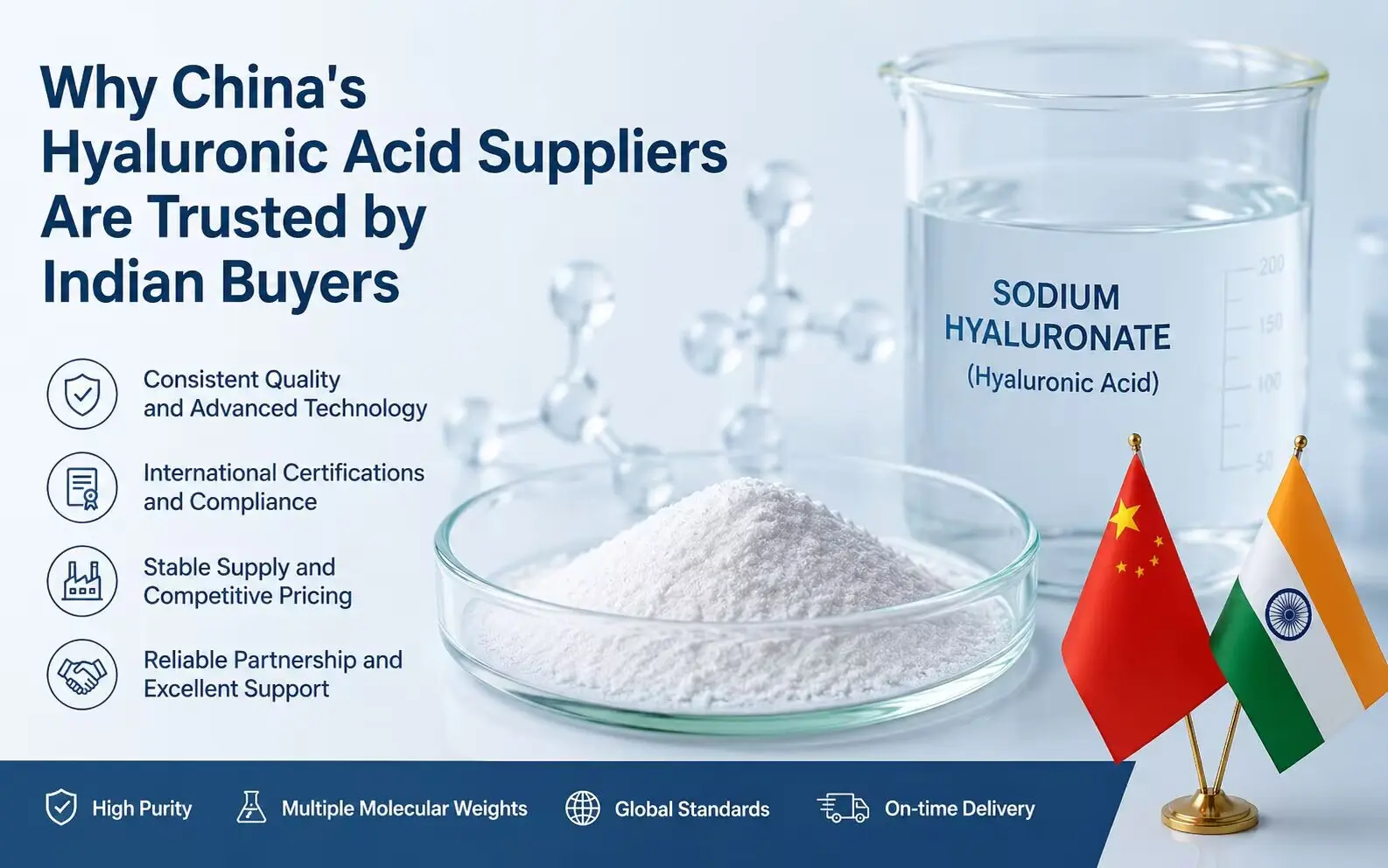
In recent years, with the rapid development of India's cosmetics, pharmaceutical, and food and health product industries, the market demand for hyaluronic acid (HA) and sodium hyaluronate has continued to grow. Against this backdrop, more and more Indian buyers are turning their attention to Chinese suppliers. So, why have Chinese hyaluronic acid suppliers won the long-term trust of Indian buyers?
Read Full Article →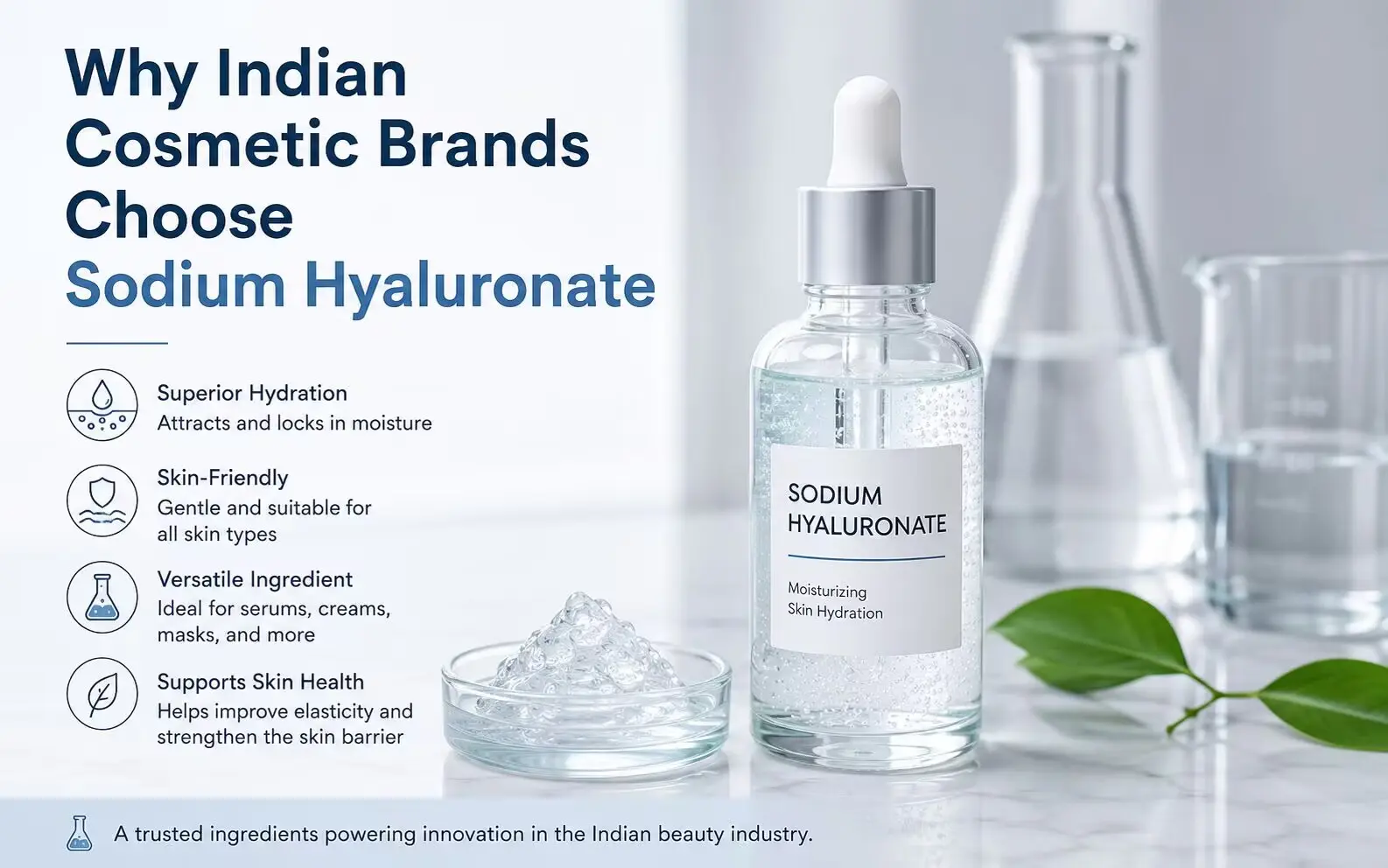
In recent years, with the continued growth of the Indian beauty and personal care market, consumers' demand for highly effective and safe skincare products has been constantly increasing. As a widely used moisturizing ingredient in the international market, sodium hyaluronate is becoming an important choice for more and more Indian cosmetic brands, and is widely used in serums, creams, masks, sunscreens, and makeup.
Read Full Article →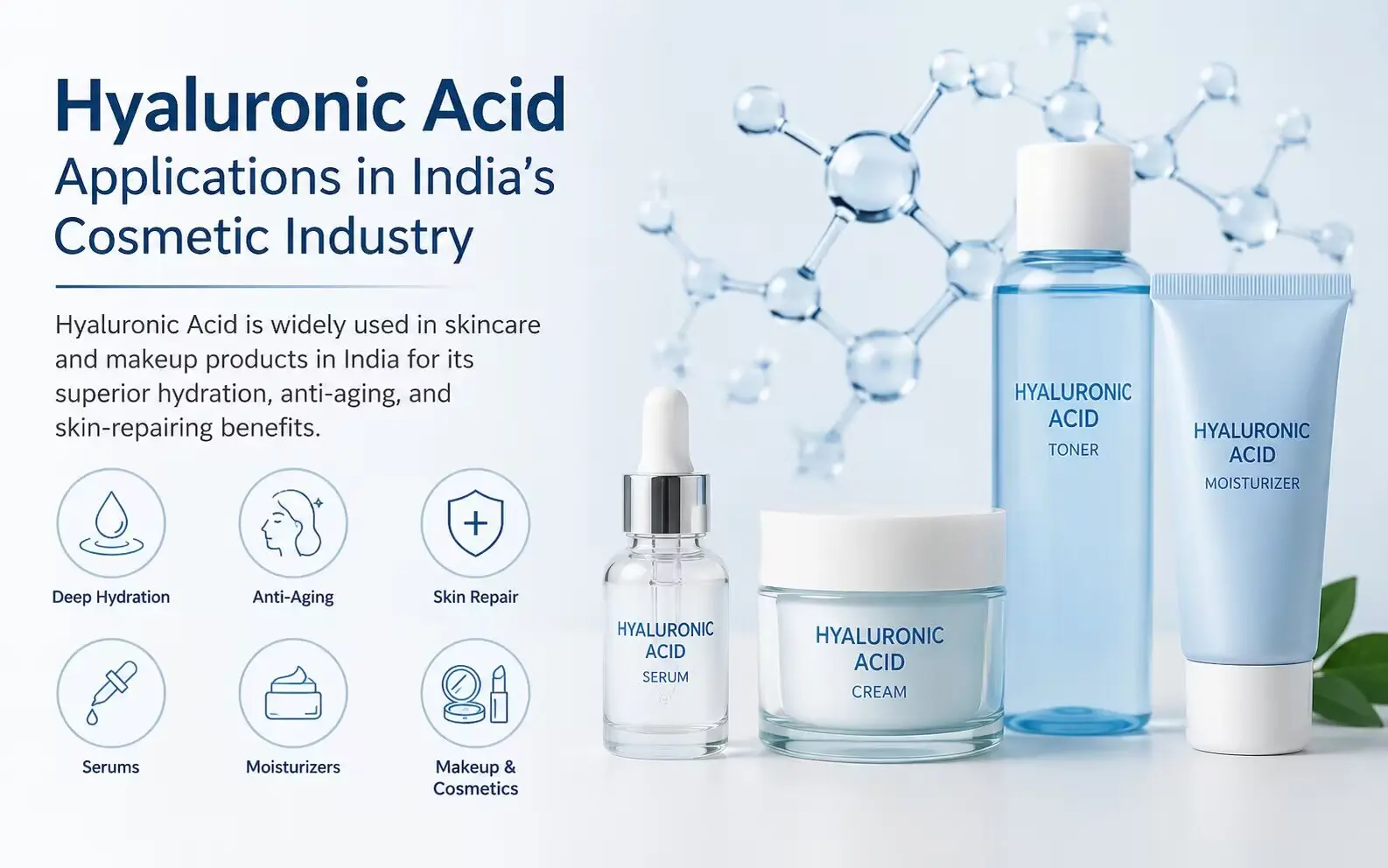
With the continued expansion of the Indian cosmetics market and the growing consumer demand for high-quality skincare products, hyaluronic acid (HA) is gradually becoming one of the most watched functional ingredients in the Indian cosmetics industry.
Read Full Article →Technical guidance and commercial compliance insights for global procurers.

Targeted bio-ingredients for specialized clinical and cosmetic applications.