Explore our primary industrial grades of high-purity Sodium Hyaluronate and auxiliary active compounds formulated for optimal clinical efficacy and stability.
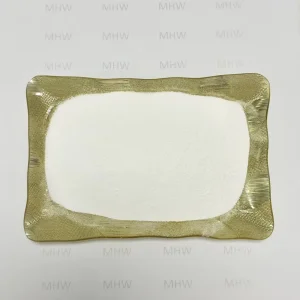
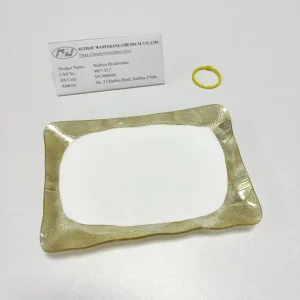
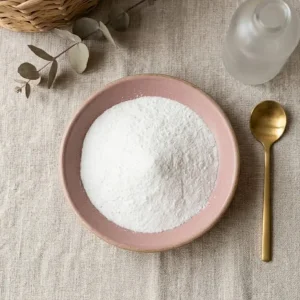
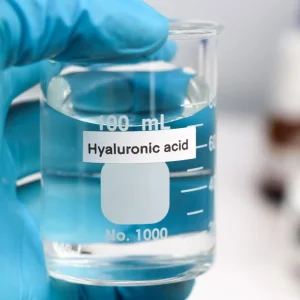
Hyaluronic Acid (HA), chemically categorized as a high molecular weight glycosaminoglycan, represents a critical cornerstone in modern biotechnology. Formed of repeating disaccharide units of D-glucuronic acid and N-acetyl-D-glucosamine, the biological efficacy of Pure 100 Hyaluronic Acid is heavily dictated by its molecular weight distribution. As clinical and cosmetological demands skew toward targeted cellular integration, the distinction between high, medium, and low molecular weight variants becomes paramount.
Currently, the global industrial landscape is experiencing a massive transition away from animal-derived sources (such as rooster combs) toward microbial fermentation. Using high-yield *Streptococcus zooepidemicus* or genetically modified *Bacillus subtilis* strains, manufacturers like Suzhou Wanfukang Chemical Co., Ltd can isolate pure, non-animal origin sodium hyaluronate with highly uniform polydispersity indexes. This shift ensures clinical-grade safety, eliminating pathogens and allergens while establishing a highly predictable kinetic profile in topical and injectable formulations.

Understanding the biophysical properties and transdermal kinetics of diverse Sodium Hyaluronate grades.
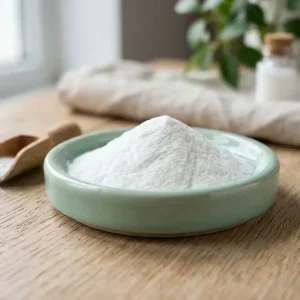
Exceeding 1.8 MDa, UHMW sodium hyaluronate forms an elastomeric, non-occlusive film on the stratum corneum. This physical matrix controls transepidermal water loss (TEWL) and delivers instant mechanical skin-plumping benefits, acting as an optimal moisture reservoir on the epidermis.
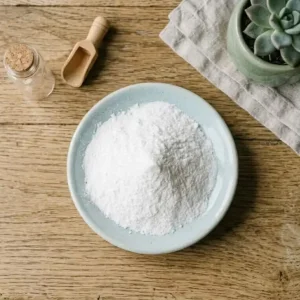
Ranging between 10 kDa and 100 kDa, low molecular weight HA passes through the intercellular junctions of the skin barrier. It stimulates endogenous hyaluronan synthesis, activates dermal CD44 receptors, and catalyzes downstream extracellular matrix protein production.
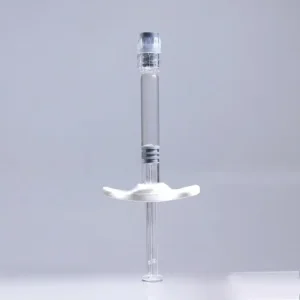
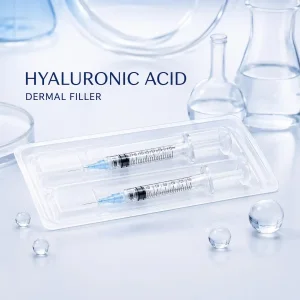
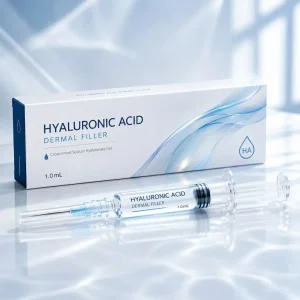
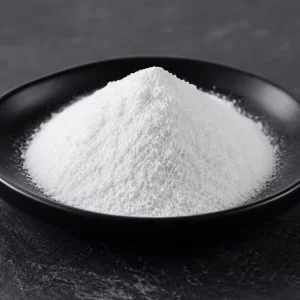
Utilizing agents like 1,4-butanediol diglycidyl ether (BDDE), cross-linking transforms linear HA chains into a resilient three-dimensional hydrogel. This structure resists enzymatic degradation by hyaluronidase, making it the industry standard for dermal filler therapeutics.

China is the leading producer of global sodium hyaluronate raw materials, accounting for more than 75% of international market capacity. This market dominance is supported by advanced microbial fermentation technology, localized bioreactor components, and highly integrated downstream processing. Suzhou Wanfukang Chemical Co., Ltd leverages this infrastructure to deliver exceptional batches of pure cosmetic, food, and pharmaceutical grade hyaluronan.
Our fermentation process is closely monitored to stabilize environmental parameters, including oxygen levels, glucose feeds, and pH. This strict process control results in high-assay (≥98%) yields with exceptionally low protein, nucleic acid, and heavy metal impurities. Additionally, our automated purification loops lower energy and reagent consumption, allowing us to pass significant cost efficiencies directly to our international business partners.
In the modern B2B purchasing ecosystem, compliance, supply safety, and documented quality are non-negotiable. Global cosmetic brands, nutraceutical developers, and pharmaceutical formulation facilities require full transparency. Suzhou Wanfukang meets these requirements with a comprehensive dossier package including Certificate of Analysis (COA), MSDS, heavy metal tests, and microbiological assays, ensuring smooth regulatory approvals globally.
We are also seeing key shifts in industry trends:

Addressing critical regulatory, biochemical, and engineering inquiries from global procurement officers.
Explore our high-purity injectable, ophthalmic, and edible grades of Hyaluronic Acid, manufactured in compliance with international GMP standards.
Global Quality Assurance & Supply Chain Alliance