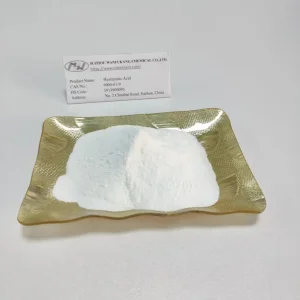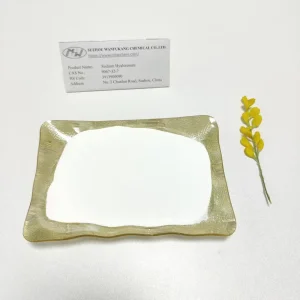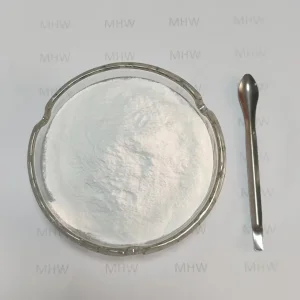
Premium raw materials and optimized sodium hyaluronate products ready for global distribution and custom private label packaging.
An in-depth analysis of medical-grade Sodium Hyaluronate formulations, cicatrizing creams production, and factory quality architectures.
Ialuset Hyaluronic Acid Cream has earned legendary status globally as a top-tier healing agent. Initially designed for medical settings to promote the cicatrization of non-infected wounds, donor sites, and post-surgical incisions, it has transitioned seamlessly into the high-end dermatological cosmetic space. The reason for this transition lies in its core component: high-purity Sodium Hyaluronate (typically 0.2%).
Unlike consumer-grade cosmetic moisturizers, medical-grade cicatrizing creams such as Ialuset require extreme batch consistency, sterile synthesis conditions, and precisely calculated molecular weight ranges. Global procurement markets are experiencing a significant shift: cosmetic brands, hospital suppliers, and distribution conglomerates are seeking reliable OEM/ODM factories capable of duplicating or enhancing the classic Ialuset recipe.
When evaluating Ialuset Hyaluronic Acid Cream factories, understanding the molecular weight composition is non-negotiable. Sodium Hyaluronate raw materials generally fall into three categories:
The gold standard formulation replicates the multi-weight HA cascade, delivering immediate surface relief while initiating underlying matrix repair. Reliable factories utilize advanced bacterial fermentation (typically from Streptococcus zooepidemicus strains grown on plant-based substrates) rather than animal extraction. This yields non-animal origin (vegan) raw powders, minimizing immunogenic responses and maximizing product purity.
Quantifying our manufacturing superiority, export stability, and supply chain maturity.
B2B buyers sourcing alternative Ialuset creams must scrutinize regulatory compliance. Raw materials and emulsification lines must pass rigorous testing. The primary regulatory checkpoints include:
Advanced manufacturing complexes provide complete traceability back to the fermentation batch. They run high-performance liquid chromatography (HPLC) tests to verify the exact purity and concentration of the active Sodium Hyaluronate molecules, ensuring that the 0.2% concentration remains stable throughout the product's shelf-life.
Suzhou Wanfukang Chemical Co., Ltd is an industry-leading professional supplier of Sodium Hyaluronate, Hyaluronic Acid formulations, and premium functional ingredients. With years of experience in chemical synthesis and bio-fermentation supply chains, we provide medical, cosmetic, and food grade raw materials globally.
Our business spans multiple continents, delivering high-grade cosmetic ingredients, dietary supplements, and customized formulations tailored to strict global regulatory guidelines. Many of our key products are widely integrated into medical applications, high-end cosmetics, and joint-health formulations.


For brands looking to launch an equivalent or superior alternative to Ialuset Cream, selecting a factory capable of scalable customization is imperative. Modern B2B production lines must offer:
By leveraging global logistics networks, factories like Wanfukang ensure that raw material shipments, semi-finished bulk emulsions, and retail-ready finished products are transported under strict temperature-controlled environments to preserve bio-activity.
The market for high-quality cicatrizing creams is expanding from traditional clinical uses to everyday skincare regimens. Here is how key regional markets are utilizing these advanced formulations:
Stay informed with current market trends and analysis on Sodium Hyaluronate import/export dynamics.
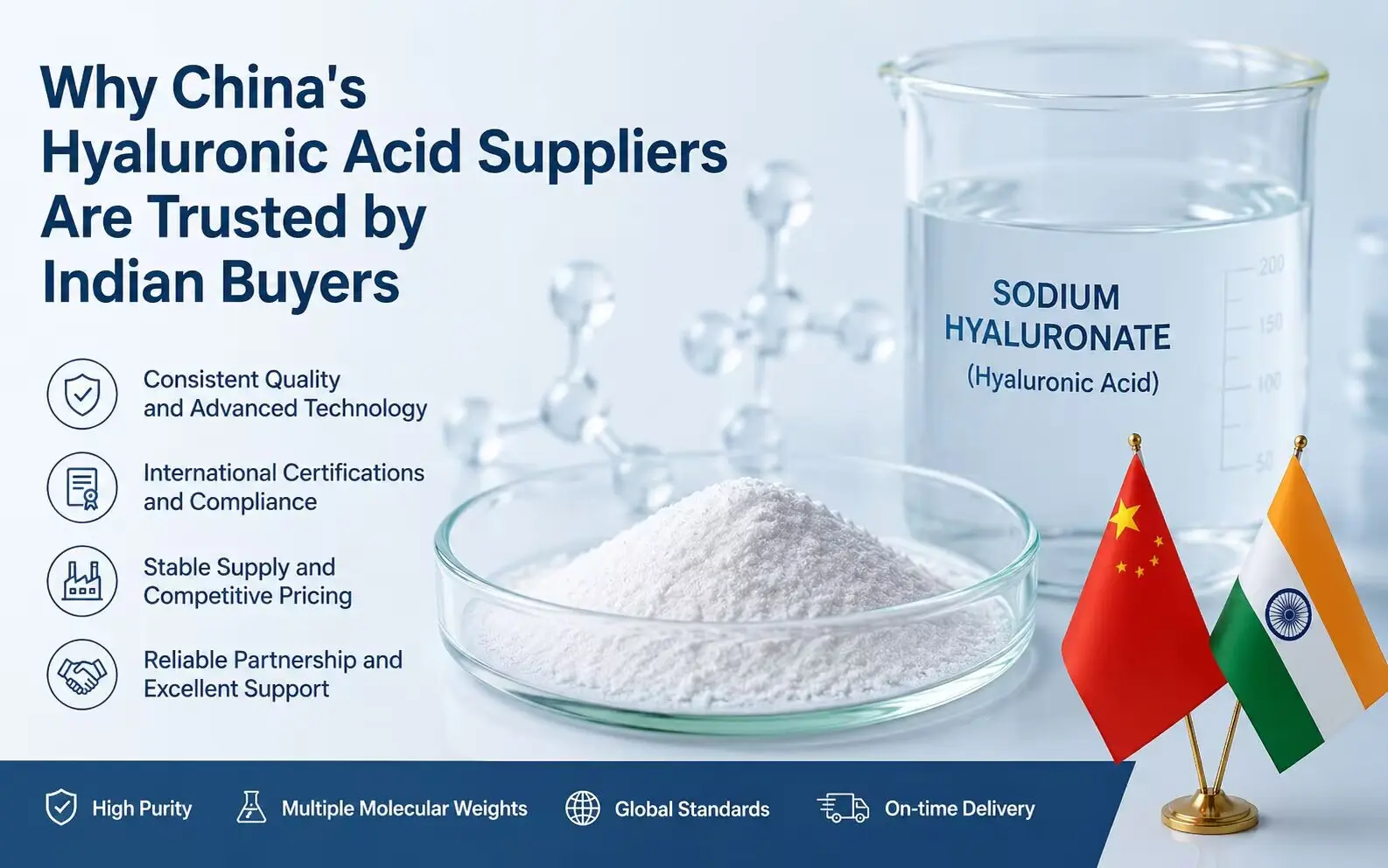
In recent years, with the rapid development of India's cosmetics, pharmaceutical, and health product industries, the market demand for hyaluronic acid (HA) has continued to grow rapidly.
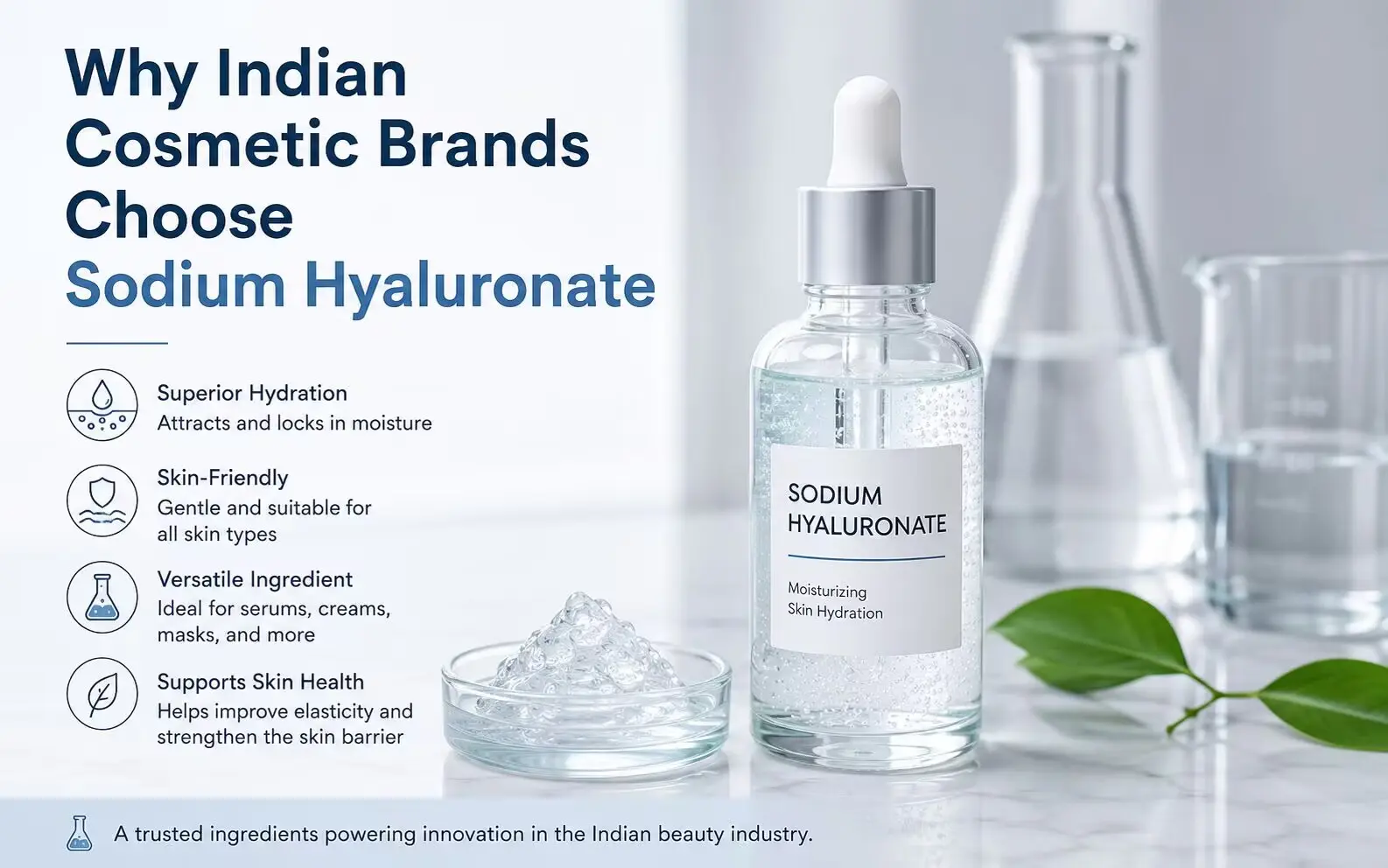
As a widely used moisturizing ingredient in the international market, sodium hyaluronate is becoming an important choice for more and more Indian cosmetic brands for serums, creams, and masks.
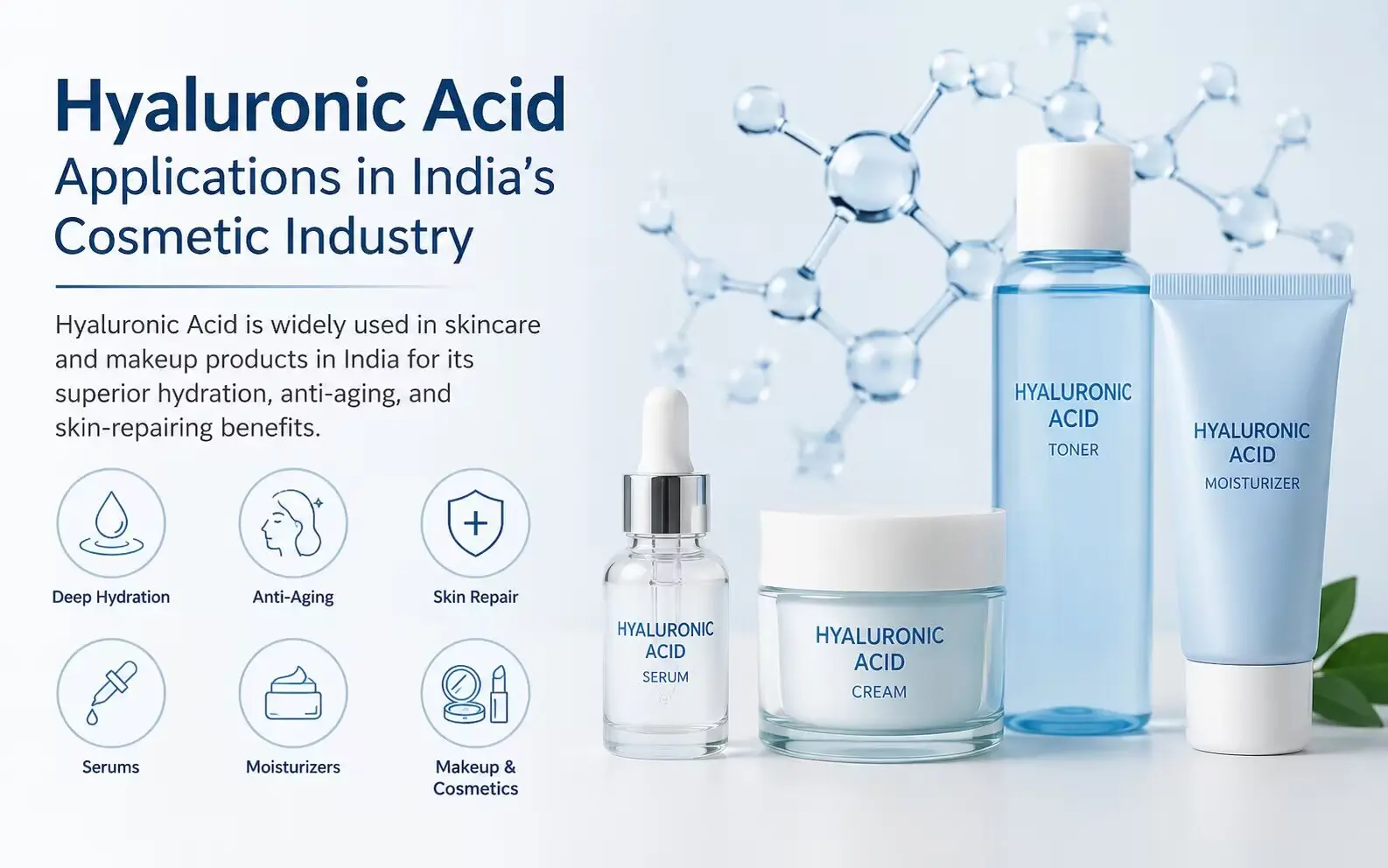
With the continued expansion of the cosmetics market and growing consumer demand for high-quality skincare, hyaluronic acid is gradually becoming a leading functional ingredient.
The manufacturing landscape for cicatrizing creams is evolving rapidly. Traditional formulations are giving way to next-generation technologies:
Connecting supply chains, manufacturing centers, and global distributors.

Additional advanced skin-care components, bio-engineered structures, and chemical options.