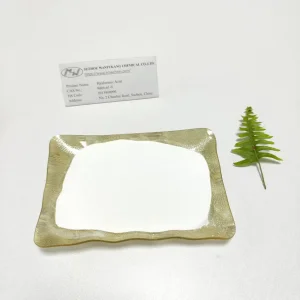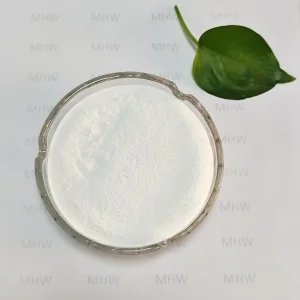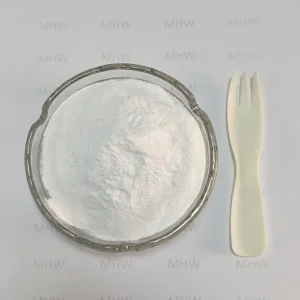
Standardized raw materials engineered for maximum bioavailability, stability, and cosmetic compliance across international jurisdictions.
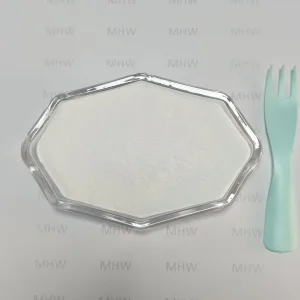
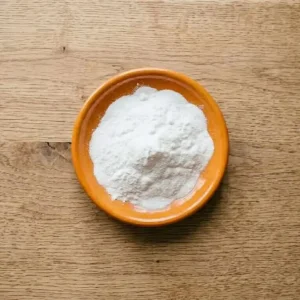
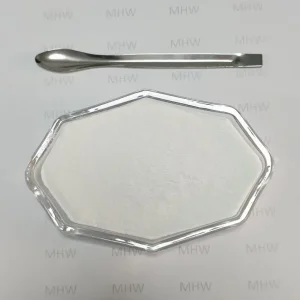
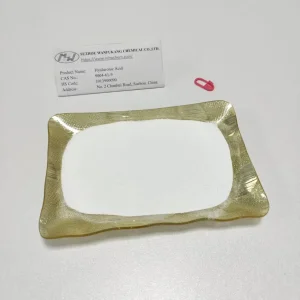
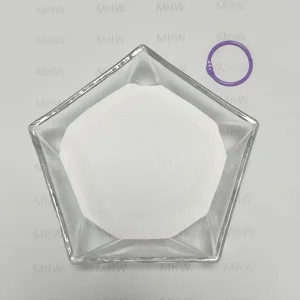
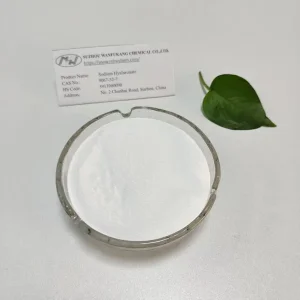
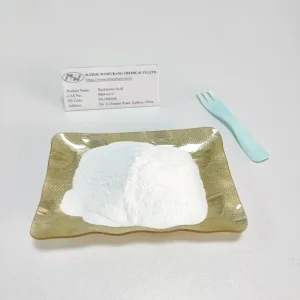
The combination of Vitamin C (L-Ascorbic Acid or its stable derivatives) and Hyaluronic Acid (Sodium Hyaluronate) represents one of the most clinically verified synergistic pairings in contemporary dermatological science. While Vitamin C acts as a powerful reducing agent that scavenges free radicals, neutralizes reactive oxygen species (ROS), and acts as an essential cofactor for lysyl and prolyl hydroxylases in collagen synthesis, Hyaluronic Acid provides the structural microenvironment needed for cellular homeostasis.
From a formulation perspective, pairing these two components poses a classic thermodynamic and chemical challenge. Vitamin C is highly susceptible to oxidative degradation in aqueous environments, requiring a lower pH (typically <3.5) for optimal skin penetration in its pure form. Conversely, high molecular weight Hyaluronic Acid forms complex polymer networks that are highly stable at a neutral to slightly acidic pH range (5.5 to 7.0). China's leading ingredient suppliers have solved this bottleneck through molecular engineering, utilizing stable Vitamin C derivatives alongside multi-weight Sodium Hyaluronate matrices to maximize bioavailability and shelf life.
The global demand for high-performance skincare ingredients has experienced double-digit compound annual growth rates (CAGR), driven by the clean beauty movement, dermatological branding, and B2C education. Chinese manufacturers now supply over 70% of the world's cosmetic-grade Sodium Hyaluronate. This massive market footprint is sustained by continuous industrial scaling, advanced microbial fermentation technologies, and rigorous compliance with international standards such as COSMOS, ECOCERT, USP, and EP.
When B2B purchasing managers source from China, they are looking beyond bulk pricing; they are evaluating batch-to-batch consistency, molecular weight precision, and low heavy-metal limits. As a premier raw material partner, Suzhou Wanfukang Chemical Co., Ltd bridges this gap by offering a fully integrated supply chain that delivers customized molecular weights—from ultra-low molecular weight (below 10 kDa) for deep transdermal delivery to ultra-high molecular weight (above 1.8 MDa) for protective, non-occlusive film formation.
Our processing facilities implement international GMP standards, utilizing green fermentation processes to guarantee high assay active ingredients.
Standard cosmetics formulation often relies on simple ingredient labels without specifying molecular weights. However, professional-grade Vitamin C Hyaluronic Acid Serums require a multi-dimensional molecular weight array to deliver clinical results. When Sodium Hyaluronate is formulated across different Dalton ranges, it behaves differently inside the skin layers:
By pairing this molecular cascade with L-Ascorbic Acid or derivatives like 3-O-Ethyl Ascorbic Acid, formulators can protect the Vitamin C from rapid oxidation while ensuring deep delivery of the active compounds. This formulation strategy prevents the tacky feeling associated with high-molecular-weight HA, providing a luxurious sensory profile for the end consumer.
Navigating global regulatory landscapes is a key challenge for B2B brands sourcing raw materials. Ingredients must comply with strict regulations in target markets, including the EU (Regulation EC No 1223/2009), US FDA (MoCRA guidelines), and China’s NMPA.
At Suzhou Wanfukang Chemical Co., Ltd, our production lines follow strict standards to meet these international criteria. Our cosmetic-grade and pharmaceutical-grade Sodium Hyaluronate powders undergo rigorous quality control testing:
The development of bioactive delivery systems is shifting toward green synthesis, targeted delivery, and sustained-release mechanisms.
Moving away from traditional acid degradation to use precise enzymatic digestion. This produces ultra-pure, low-molecular-weight HA without introducing chemical impurities.
Developing liposomal and niosomal co-encapsulation methods. This protects Vitamin C and HA within a single lipid bilayer, significantly improving stability and skin absorption.
Using agricultural by-products as substrates for microbial fermentation, reducing carbon footprints while maintaining high-purity standards.
Tailored ingredient integration models designed for diverse B2B applications, from mass-market cosmetics to clinical-grade medical devices.
We provide stable liquid solutions and ready-to-mix raw powders that streamline production, helping brands launch new skincare products faster.
High-purity sterile powders optimized for intra-articular injections, ophthalmic preparations, and dermal filler formulations, meeting global pharmacopoeia standards.
Food-grade HA with varying molecular weights designed to support joint lubrication and skin moisture retention from the inside out.
Suzhou Wanfukang Chemical Co., Ltd is a professional supplier of Sodium Hyaluronate and Hyaluronic Acid with years of industry experience.
As a specialist in the field, we offer a comprehensive range of sodium hyaluronate grades, including food, cosmetic, and pharmaceutical grades. Over the years, we have expanded our catalog to include cosmetic ingredients, health food raw materials, and pharmaceutical active ingredients. Our products are widely used in cosmetics, joint health supplements, and advanced medical applications.
Wanfukang specializes in the development and export of cosmetic and food ingredients. We are committed to supplying pure, reliable, and compliant raw materials to cosmetics manufacturers and distributors worldwide.
Key B2B market analyses, regional trade updates, and raw material trends shaping the global cosmetics industry.
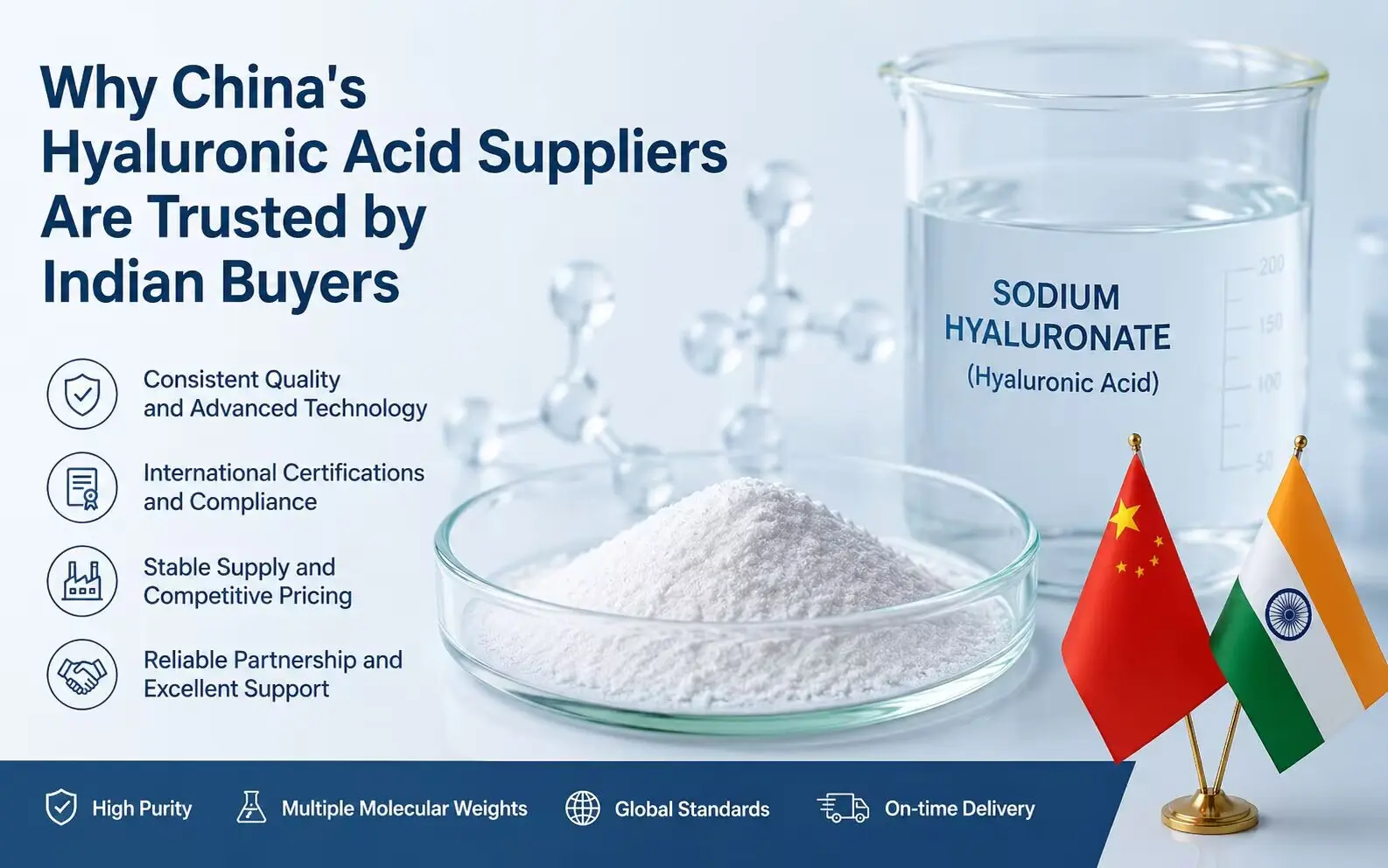
With the rapid growth of India's cosmetics, pharmaceutical, and health product sectors, the demand for hyaluronic acid (HA) and sodium hyaluronate continues to rise. Chinese suppliers have earned the trust of Indian buyers by offering consistent quality, scalable production, and reliable logistics support.
Read More →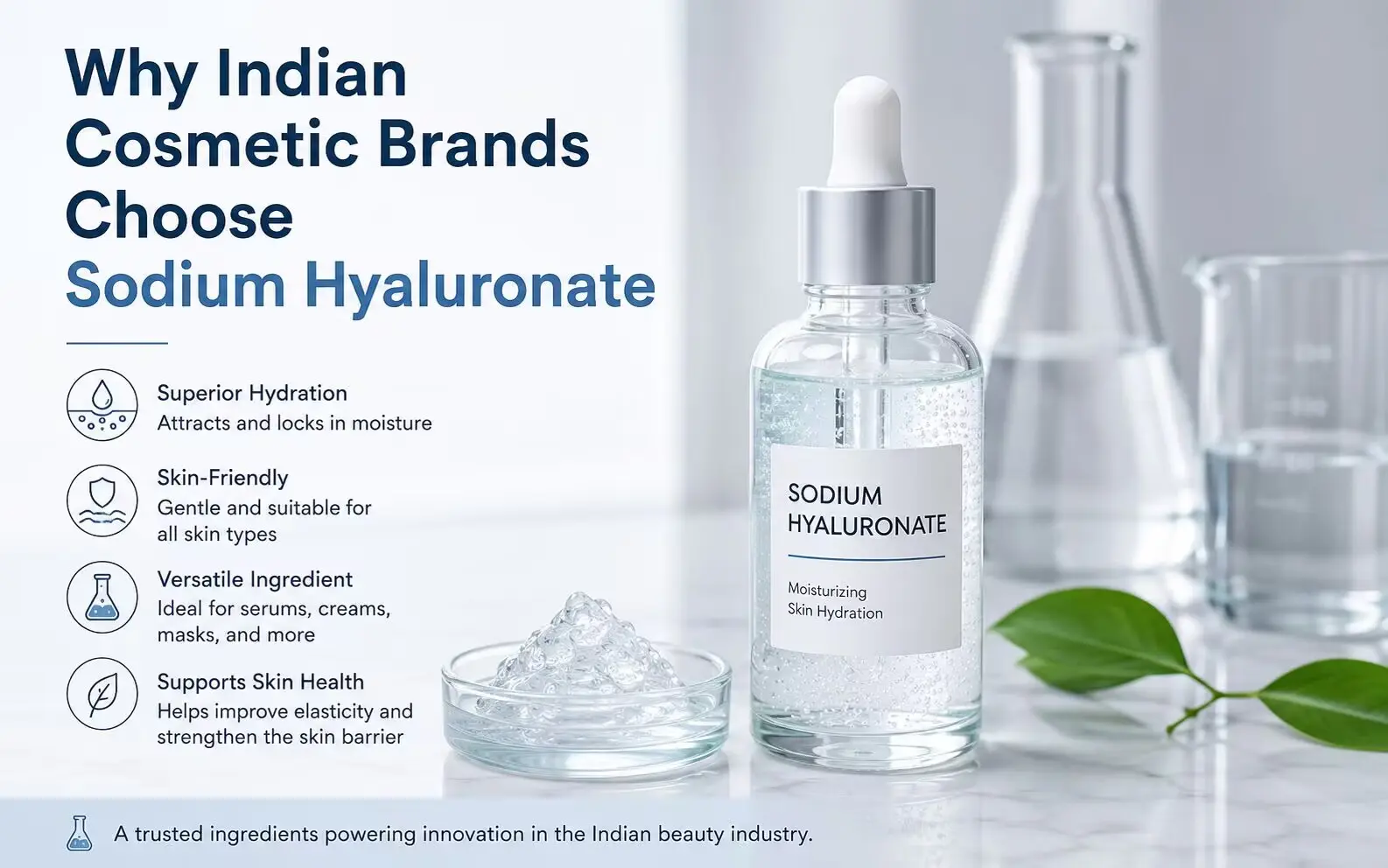
As the Indian beauty and personal care market expands, consumers are looking for highly effective, safe skincare ingredients. Sodium hyaluronate has become a go-to choice for Indian brands, featuring prominently in serums, creams, masks, sunscreens, and makeup formulations.
Read More →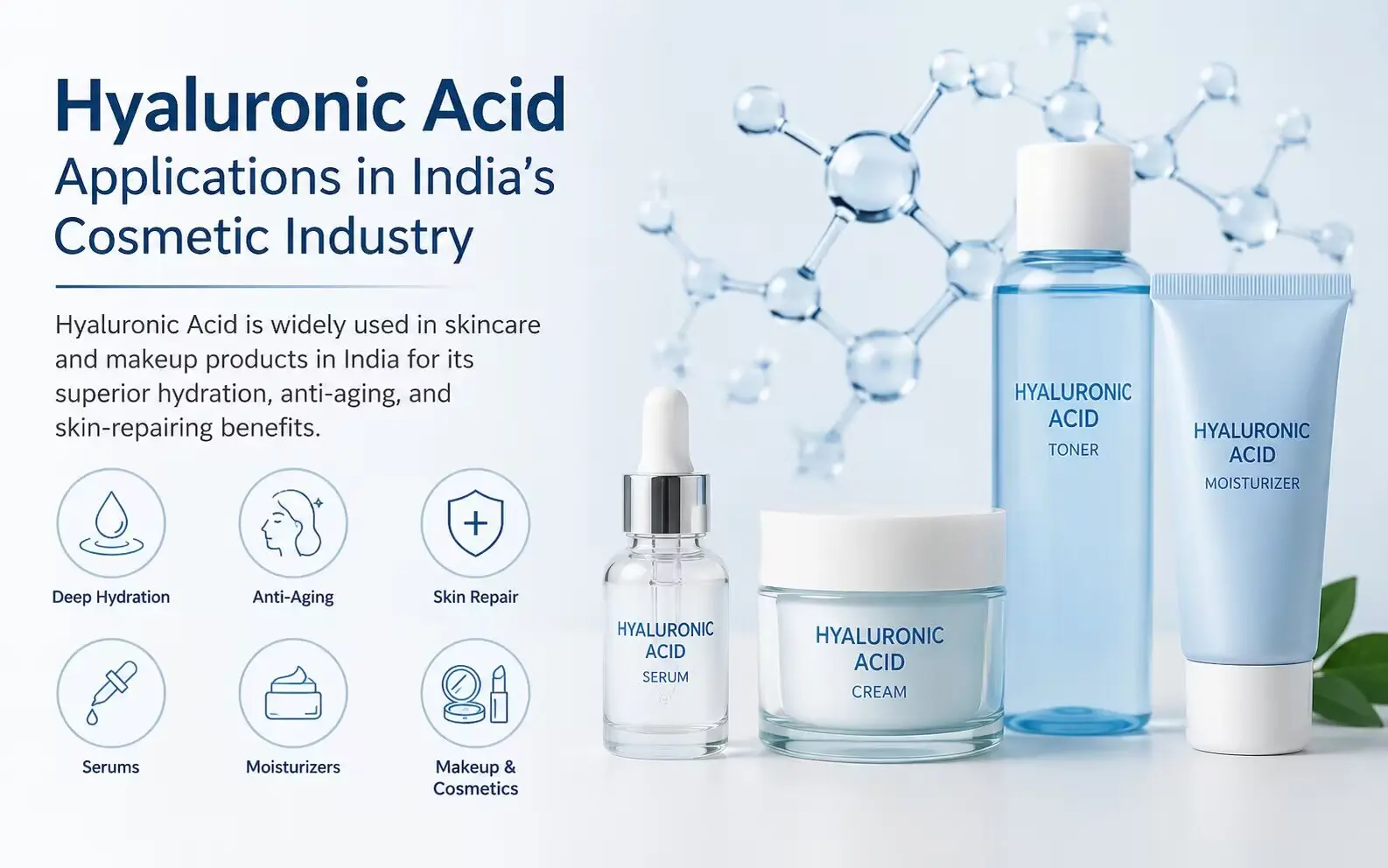
Driven by rising demand for premium skincare, hyaluronic acid (HA) is now one of the most sought-after functional ingredients in India’s cosmetics industry. Formulators value its versatility, safety profile, and strong consumer appeal.
Read More →Expert answers to common chemical compatibility, stability, and sourcing questions.
Stabilizing pure L-ascorbic acid requires keeping the formulation pH low (below 3.5), which can cause some polymer structures of Sodium Hyaluronate to break down over time. To address this, we recommend using stabilized Vitamin C derivatives like 3-O-Ethyl Ascorbic Acid, Sodium Ascorbyl Phosphate (SAP), or Magnesium Ascorbyl Phosphate (MAP). These derivatives remain stable at a pH of 5.5 to 6.5, which is ideal for maintaining the structure and viscosity of Sodium Hyaluronate.
The main differences lie in purity levels, endotoxin controls, and regulatory compliance. Pharmaceutical-grade Sodium Hyaluronate is produced under sterile GMP conditions, features exceptionally low endotoxin levels (typically <0.05 IU/mg), and is suitable for injectable applications like dermal fillers or joint therapies. Cosmetic-grade material focuses on topical performance, viscosity consistency, and skin feel, and is produced under standard cosmetic GMP guidelines.
Historically, hyaluronic acid was extracted from rooster combs. Today, our products are manufactured using microbial fermentation of Streptococcus zooepidemicus. The fermentation medium uses plant-based peptones and glucose, ensuring the final product is 100% vegan, animal-free, and non-GMO.
Very low molecular weight fractions (under 50 kDa) can sometimes trigger inflammatory pathways if they contain impurities from the manufacturing process. Our ultra-low molecular weight HA is produced using highly controlled enzymatic cleavage and purification processes, ensuring it delivers anti-aging benefits without triggering irritation.
Explore our full selection of cosmetic, food, and pharmaceutical-grade active raw materials.