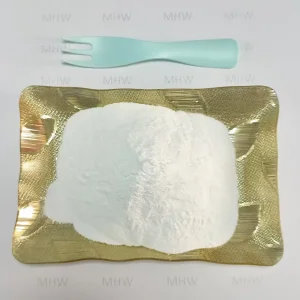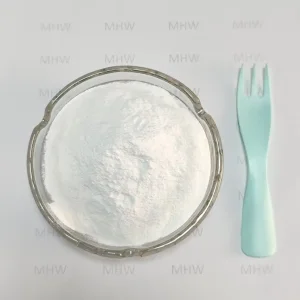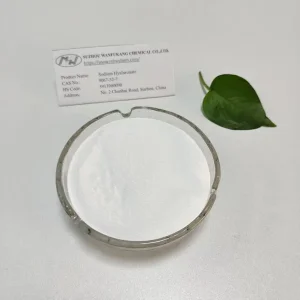
Explore our primary list of cosmetic, pharmaceutical, and food-grade raw materials sourced globally by elite brands.
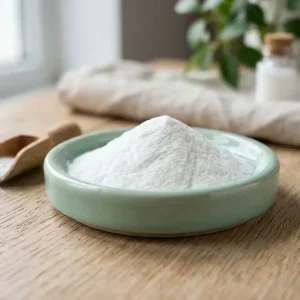
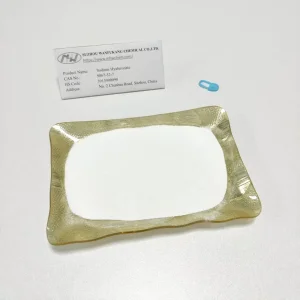
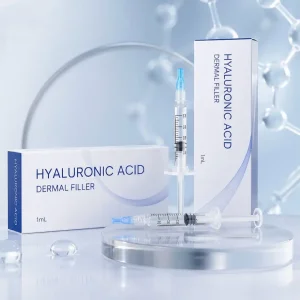
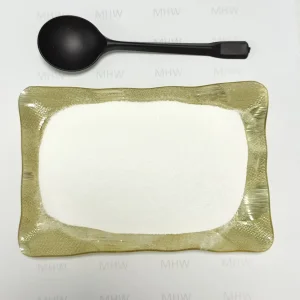
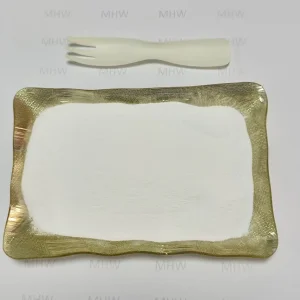
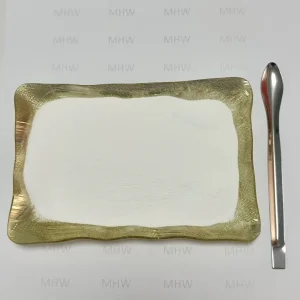
The global skincare and medical aesthetic landscapes are undergoing a paradigm shift towards highly bio-compatible, multi-functional ingredients. While standard Sodium Hyaluronate has dominated formulations for decades as the premier humectant, its hydrophilic nature limits its affinity with the lipid-rich stratum corneum. To overcome this limitation, molecular engineering introduced Acetylated Sodium Hyaluronate (AcHA).
Through the precise chemical acetylation of hydroxyl groups (-OH) on the sodium hyaluronate molecule, scientists substitute portion-specific molecules with acetyl groups (-CH3CO). This unique modification changes the physical-chemical properties of the macromolecule, rendering it both hydrophilic and lipophilic.
This dual affinity enables AcHA to adhere tenaciously to the skin's lipid barrier, forming an invisible, breathable moisture-retaining film that does not wash off easily. Moreover, AcHA exhibits enhanced transdermal penetration, dramatically increasing cellular hydration levels in deep epidermal layers. As a result, AcHA has emerged as the holy grail ingredient for high-performance anti-aging formulations, skin barrier repairing complexes, and advanced aesthetic fillers.
| Parameter | Traditional Sodium Hyaluronate (HA) | Acetylated Sodium Hyaluronate (AcHA) |
|---|---|---|
| Chemical Grouping | Hydroxyl (-OH) rich glycosaminoglycan | Partially acetylated (-CH3CO) hydroxyl groups |
| Solubility/Affinity | Purely hydrophilic (water-soluble only) | Amphiphilic (affinity for both water & lipids) |
| Skin Adhesion | Moderate (easily rinsed/washed off) | Exceptional (highly resistant to washing) |
| Moisturizing Power | 1x (Standard hydration holding capacity) | 2x (Deeply binds and locks water internally) |
| Barrier Repair | Passive hydration cushion | Active keratinocyte repair & lipid envelope cohesion |
Procurement directors within Tier-1 multinational beauty companies and pharmaceutical manufacturers evaluate active raw materials using complex matrices. In the modern regulatory climate, purchasing teams are no longer looking simply at unit pricing. Instead, sourcing criteria prioritize batch stability, E-E-A-T credentials of the manufacturer, and environmental compliance certifications (such as COSMOS, ECOCERT, HALAL, and cruelty-free registrations).
From a global market perspective, APAC remains the fastest-growing region for AcHA consumption. Countries like India, South Korea, and Japan are experiencing an unprecedented boom in clean-label beauty and clinical-grade formulations. The European and North American markets are concurrently driving demand for premium anti-pollution and post-procedure recovery skincare products, where AcHA plays a key restorative role.
The primary concern for global raw material procurement is supply chain fragility. Natural disasters, geopolitical shifts, and changing custom policies necessitate partnership with resilient manufacturers who possess robust logistics pipelines. Suzhou Wanfukang Chemical Co., Ltd bridges this gap by maintaining active distribution hubs and holding safety stocks of vital raw materials, thereby ensuring uninterrupted manufacturing timelines for contract manufacturers and private labels worldwide.
Complete traceability with full documentation: COA, MSDS, GMP, ISO, and non-animal origin verification certificates.
Seamless customs clearance and fast delivery networks covering over 20+ countries across Europe, Asia, and the Americas.
Proprietary purification techniques ensure stable molecular weight ranges and ultra-low impurities in every batch.
China has firmly established itself as the global powerhouse for Hyaluronic Acid derivative manufacturing. The transition of Chinese manufacturing hubs from standard factories to **Industry 4.0 Smart Manufacturing Facilities** has changed the industry's competitiveness. Suzhou Wanfukang Chemical Co., Ltd exemplifies this technological evolution, integrating state-of-the-art biological fermentation units with AI-driven quality monitoring systems.
Our smart manufacturing process starts with optimized microbial strains cultured under strict sanitary conditions. Automated sensors regulate fermentation temperature, pH levels, and gas exchange in real-time, resulting in high-density yields with minimal variations. Post-fermentation, high-throughput filtration and precise molecular slicing technologies ensure we can output customized molecular weights of Acetylated Sodium Hyaluronate tailored to specific client formulations.
Furthermore, Chinese Industry 4.0 facilities reduce environmental footprint by implementing close-loop water recycling and energy-saving biochemical reactions. This eco-friendly production not only lowers global carbon impact but also translates to stable pricing and robust output capacity, cushioning overseas brand owners against wild fluctuations in material pricing.
From an aesthetic formulation perspective, Acetylated Sodium Hyaluronate provides developers with structural versatility. Unlike standard HA, which can create a sticky or heavy sensory skin feel when used at high concentrations, AcHA leaves a silky, non-greasy velvet-like texture. Here is how modern formulators utilize AcHA across different skincare categories:
AcHA works synergistically with retinol, peptides, and vitamin C. By forming an elastic lipid-bound film, it enhances the bio-availability of co-actives, forcing them into deeper layers of the epidermis while simultaneously cushioning skin against potential irritation caused by retinoids.
Following clinical treatments like chemical peels, microneedling, or fractional laser treatments, the skin barrier is severely compromised. AcHA accelerates corneal recovery by promoting the adhesion of cell-adhesion proteins, reducing transepidermal water loss (TEWL), and soothing inflammation.
Sunscreen formulations often dry out skin due to high levels of mineral filters or organic UV absorbents. AcHA maintains deep hydration despite continuous UV exposure. Its resistance to wash-off makes it the perfect additive for waterproof sunscreens and long-wear cosmetic bases.
Suzhou Wanfukang Chemical Co., Ltd, as a professional supplier of Sodium Hyaluronate and Hyaluronic Acid for many years. We provide every grade of sodium hyaluronate, including food grade, cosmetic grade and pharm grade. With the development of our business, our business has extended to many areas, such as cosmetic ingredients, health food materials and pharm ingredients. Many products are widely applied for cosmetics, joint health products and medical application.
Our focus lies in the development and export of cosmetic and food ingredients, ensuring all international specifications are met with high purity, competitive pricing, and rigorous quality inspection protocols. We are dedicated to providing global partners with custom formulations and packaging solutions.
Understand the expanding demand patterns and procurement strategies across global markets, focusing on regional case studies.
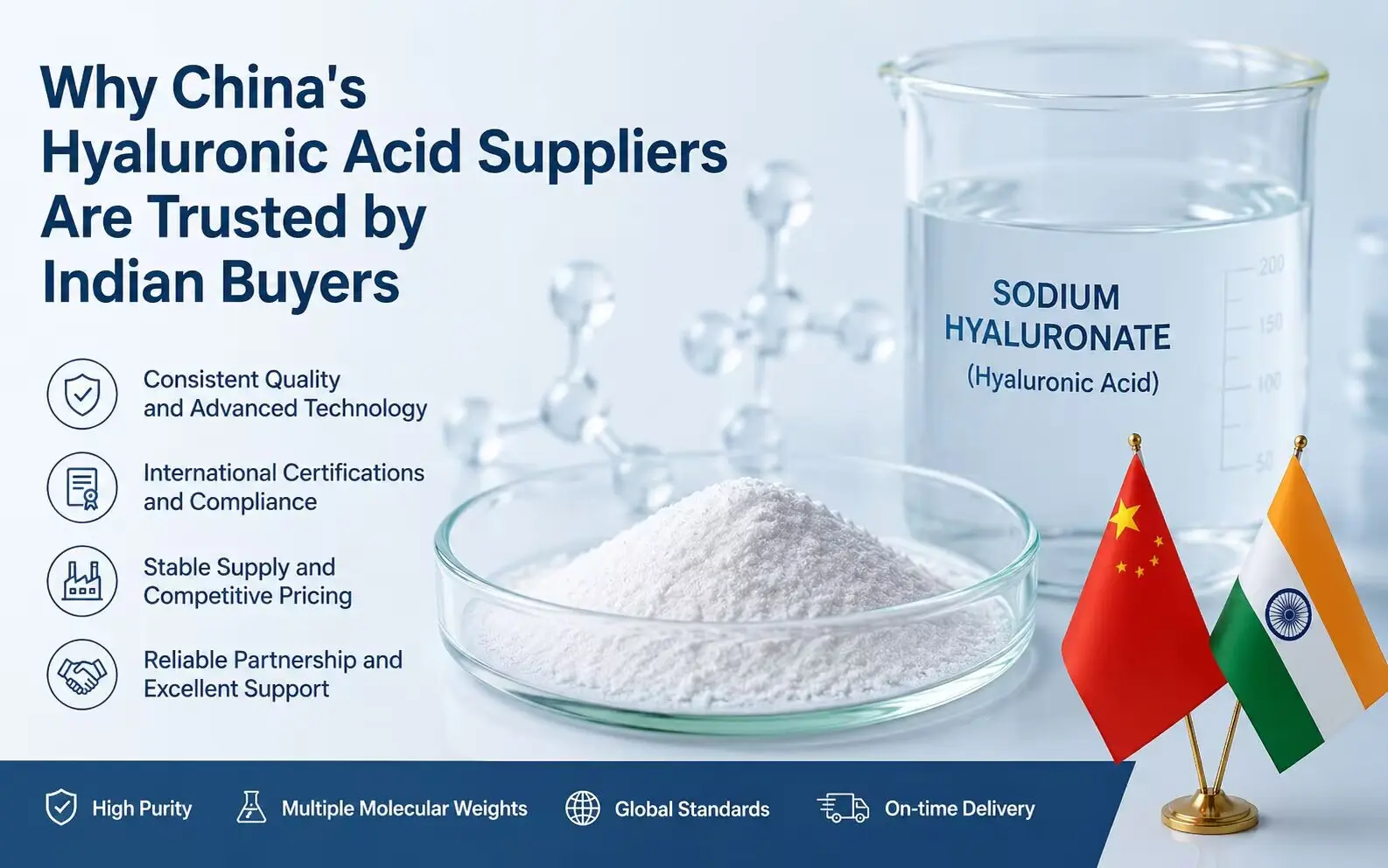
In recent years, with the rapid development of India's cosmetics, pharmaceutical, and food and health product industries, the market demand for hyaluronic acid (HA) and sodium hyaluronate has continued to grow. Against this backdrop, more and more Indian buyers are turning their attention to Chinese suppliers. So, why have Chinese hyaluronic acid suppliers won the long-term trust of Indian buyers?
Read Article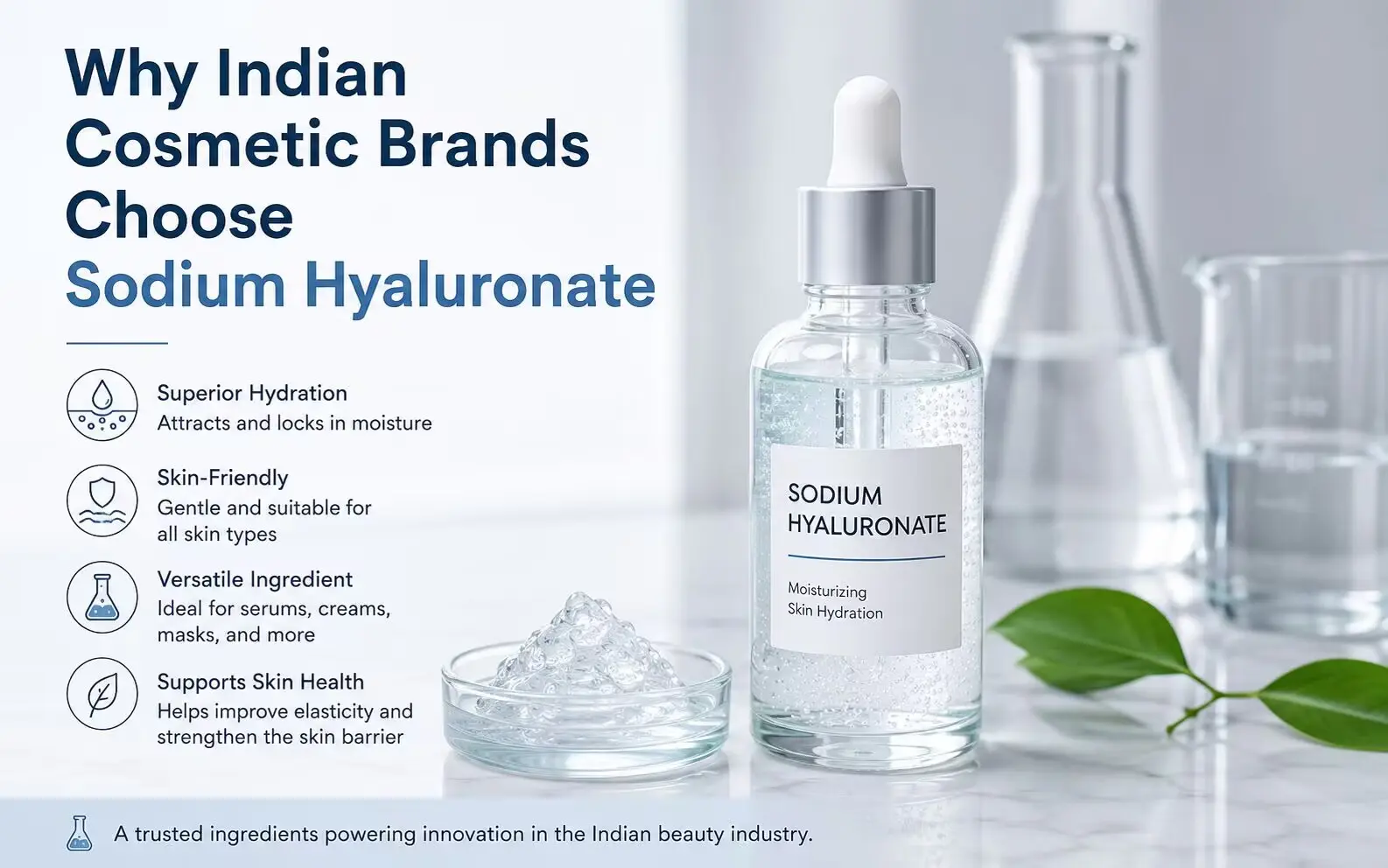
In recent years, with the continued growth of the Indian beauty and personal care market, consumers' demand for highly effective and safe skincare products has been constantly increasing. As a widely used moisturizing ingredient in the international market, sodium hyaluronate is becoming an important choice for more and more Indian cosmetic brands, and is widely used in serums, creams, masks, sunscreens, and makeup.
Read Article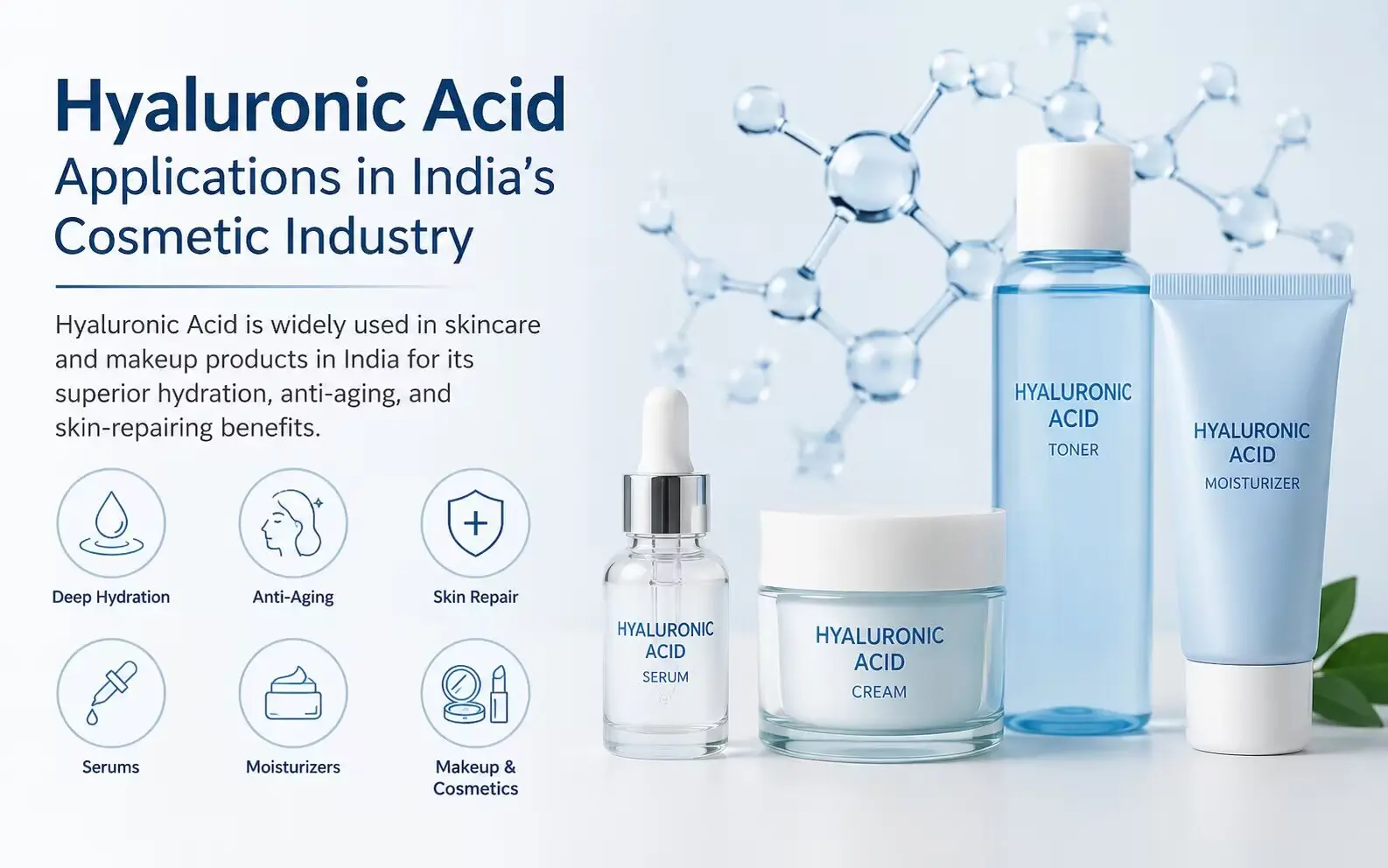
With the continued expansion of the Indian cosmetics market and the growing consumer demand for high-quality skincare products, hyaluronic acid (HA) is gradually becoming one of the most watched functional ingredients in the Indian cosmetics industry.
Read ArticleTechnical and procurement answers to clarify the chemical functions, safety, and supply of Acetylated Sodium Hyaluronate.
Acetylated Sodium Hyaluronate is derived from natural sodium hyaluronate (CAS No. 9067-32-7) through a controlled chemical reaction with acetic anhydride. The molecular structure substitutes a specific portion of the hydroxyl groups of HA with acetyl groups. The INCI designation is Acetylated Sodium Hyaluronate, which is a plant/microbe fermentation derivative, keeping it 100% vegan-friendly.
Standard HA forms a simple surface hydro-film that easily washes away. Acetylated Sodium Hyaluronate exhibits strong skin adhesion due to its lipophilic acetyl groups. This allows the molecule to latch onto the lipid membranes of the stratum corneum, locking in deep moisture, softening keratin, and creating an optimal micro-environment for rapid skin barrier repair.
AcHA shows excellent thermal stability up to 75°C, making it suitable for hot-process emulsions. It remains stable within a wide pH range of 4.5 to 8.5. It is highly compatible with ionic and non-ionic emulsifiers, rheology modifiers, and common active ingredients like Niacinamide, Vitamin C, and botanicals.
We provide full documentation required for international registration and import clearance, including Certificates of Analysis (COA) for every batch, Material Safety Data Sheets (MSDS), Heavy Metal Analysis, Microbial Testing Reports, ISO certifications, and Vegan Declaration Statements.
For daily face moisturizers, foundations, and sunscreens, the standard dosage is between 0.01% to 0.1%. For high-intensity recovery creams, medical aesthetic post-care lotions, and anti-aging ampoules, formulators commonly use concentrations ranging from 0.1% up to 0.5% for maximum barrier restoration effects.
Discover our secondary range of high-assay raw materials, medical injection grade HA, and functional cosmetic solutions.