
Best Artificial Tears Raw Material Sodium Hyaluronate Powder Manufacturer, Manufacturers

In ophthalmological medicine and daily eye care, sodium hyaluronate, with its excellent water retention and biocompatibility, has become an indispensable core ingredient in artificial tears and eye drops. Our eye drop-grade sodium hyaluronate powder is produced using advanced microbial fermentation technology. It possesses extremely high purity and excellent viscoelasticity, forming a stable and long-lasting biomimetic water film on the surface of the eyeball, effectively relieving dry eye syndrome, eye fatigue, and postoperative irritation.

Product Description

Product Specification

Product Name Sodium Hyaluronate
Chemical Formula (C14H20NNaO11)n
Chemical Structure
Chemical Structure
CAS No. 9067-32-7
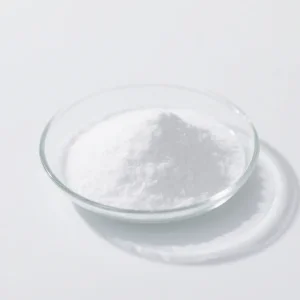
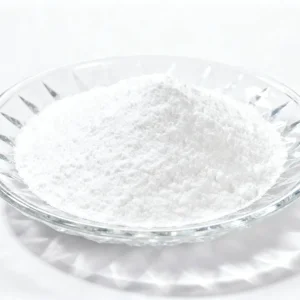
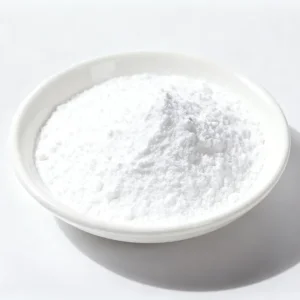
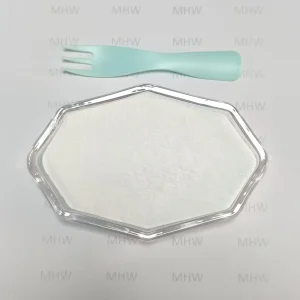
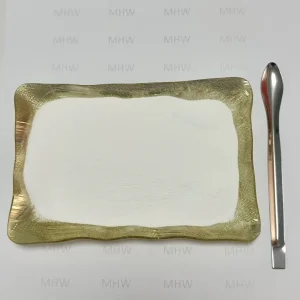
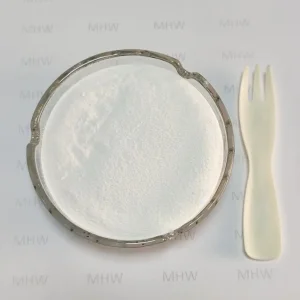
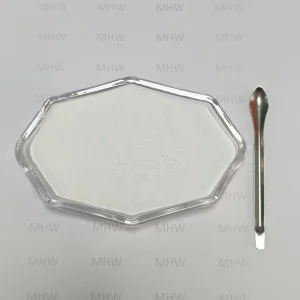
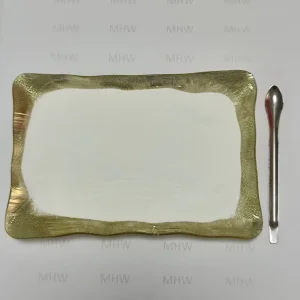
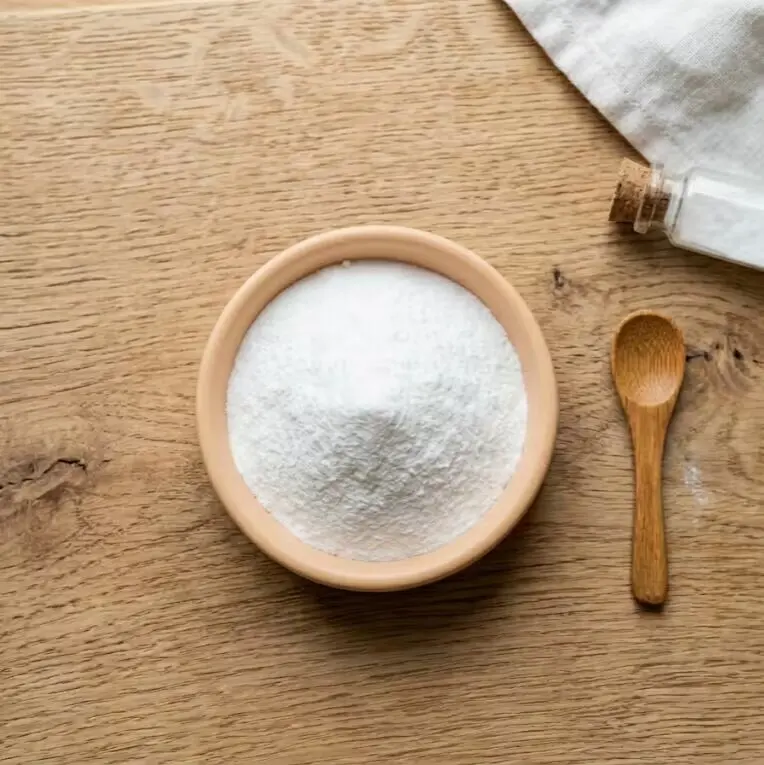
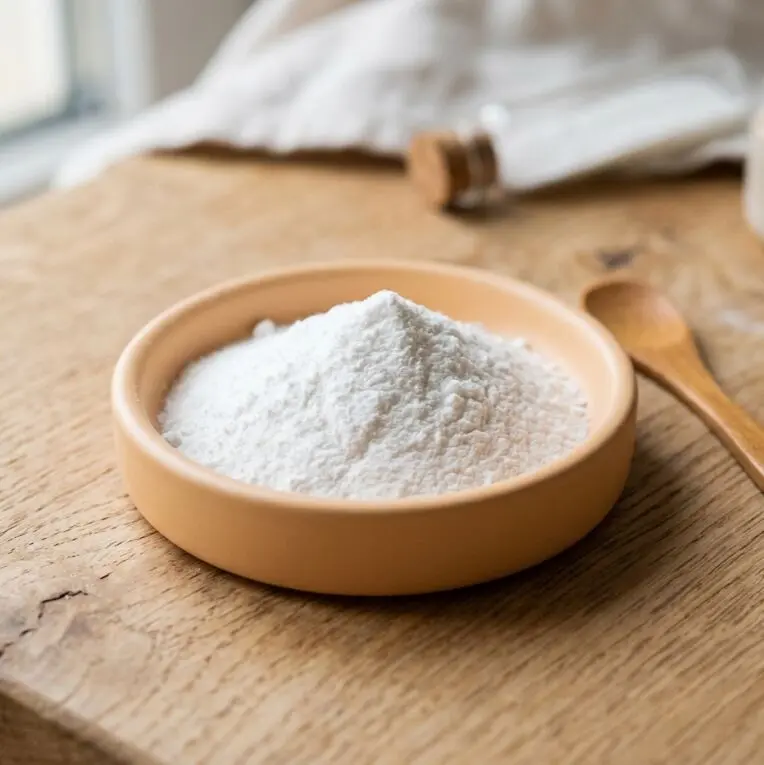
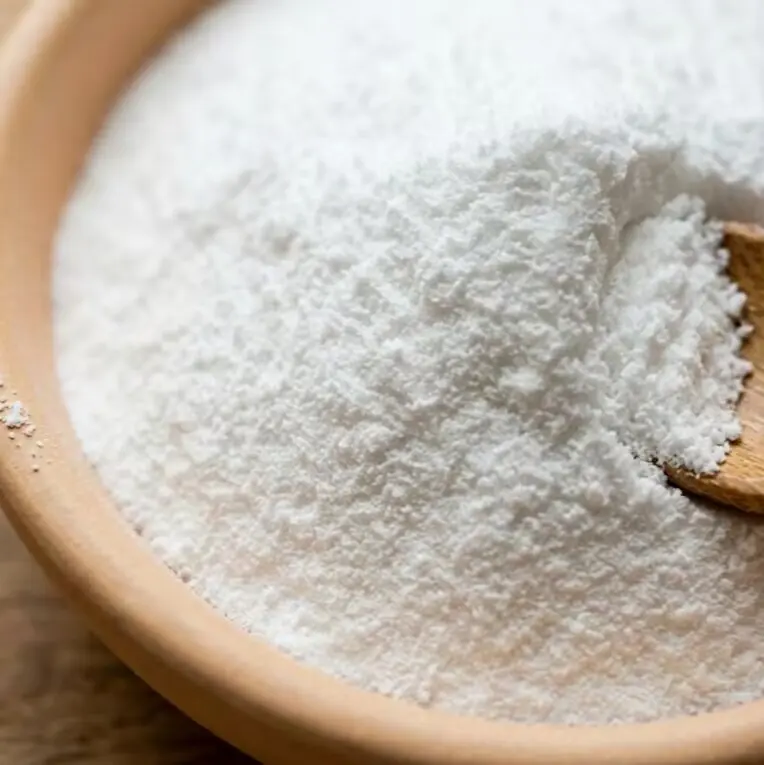
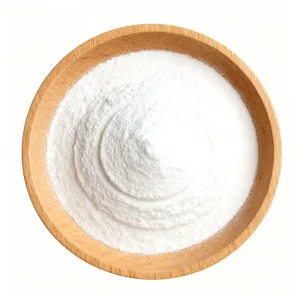
Appearance White, fine powder
Assay ≥99.5%
Solubility Soluble in water
Heavy metals ≤10ppm
Protein ≤0.1%
Bacterial endotoxins ≤0.5IU/mg
Source Microbial fermentation
MOQ 100 grams

Core Benefits

High Viscoelasticity & Biomimetic Lubrication

The rheological characteristics are highly similar to natural human tear mucins. Shear-thinning properties prevent blurred vision during blinking and prolong tear film breakup time when eyes are open.

Ultra-Low Endotoxin & High Safety

Optimized for ophthalmic use with endotoxin control stricter than cosmetic-grade raw materials. Non-immunogenic and non-irritating to corneal endothelial cells.

Promotes Corneal Repair

Clinically proven high-purity sodium hyaluronate binds to corneal surface receptors, promoting corneal epithelial cell migration, healing, and hydration.

Strict Compliance

Produced in GMP-certified lines with enterprise standards (MSDS) and COA test reports, fully supporting global pharmaceutical and medical device registration.

Manufacturing Process & Quality Control

1. Fermentation

High-density deep liquid fermentation using selected non-GMO streptococci, with strict control over temperature, pH, and dissolved oxygen to ensure high molecular weight hyaluronic acid secretion.

2. Filtration & Sterilization

Multi-stage precision filtration and high-pressure sterilization thoroughly eliminate producing bacteria, yielding a clear coarse filtrate.

3. Purification & Deprogenation

Advanced ultrafiltration and adsorption technologies selectively remove nucleic acids, proteins, and bacterial endotoxins to meet strict ophthalmic standards.

4. Alcohol Precipitation

Gradient precipitation with pharmaceutical-grade ethanol crystallizes the sodium hyaluronate, improving product purity and desalination.

5. Aseptic Vacuum Drying

Low-temperature vacuum drying in a sterile Class 100 clean area prevents molecular weight degradation and controls weight loss during drying.

6. Milling, Packing & QC

Uniform fine powder processing via airflow milling and aseptic double-sealing. Release requires passing testing (including HPLC) with a Certificate of Analysis (COA) issued.
Packaging & Storage

Standard Packaging 100g/aluminum foil bag, 1kg/bag, or customized aseptic double-layer packaging.
Storage Conditions Sealed, protected from light and moisture. Long-term storage recommended at 2-8°C.
Shelf Life 24 months in unopened original packaging meeting standard conditions.

Frequently Asked Questions

What is the source and purity of your Sodium Hyaluronate?
Our Sodium Hyaluronate is produced through microbial fermentation using non-GMO streptococci. It features a high purity level with an assay rating of ≥99.5%.
How is safety and low endotoxin quality guaranteed for ophthalmic use?
We implement a strict purification and deprogenation process using advanced ultrafiltration and adsorption technologies. Bacterial endotoxins are strictly controlled to ≤0.5IU/mg, meeting rigorous standards for corneal applications.
Why does this product offer high viscoelasticity and biomimetic lubrication?
Its rheological properties closely mimic natural human tear mucins. Shear-thinning qualities reduce viscosity during blinking to avoid blurred vision and increase viscosity when the eyes are open to prolong tear film breakup time.
What are the recommended storage conditions and shelf life?
The product should be kept sealed, protected from light and moisture. For long-term preservation, it is recommended to store it at 2-8°C. The shelf life is 24 months in its unopened original packaging.
What documentation and packaging choices are available?
We provide Certificate of Analysis (COA) test reports and Material Safety Data Sheets (MSDS). Standard packages include 100g/aluminum foil bags and 1kg/bags, with options for customized aseptic double-layer packaging.

Related Products