Explore our certified raw materials manufactured under strict GMP compliance, delivering unparalleled purity and performance for global formulations.
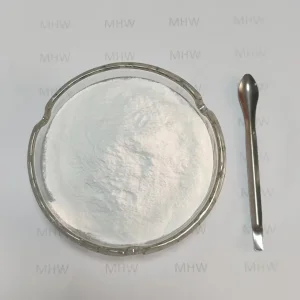
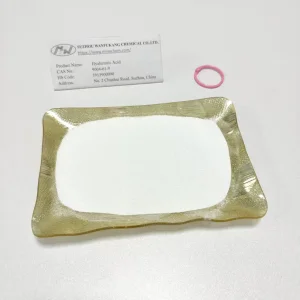
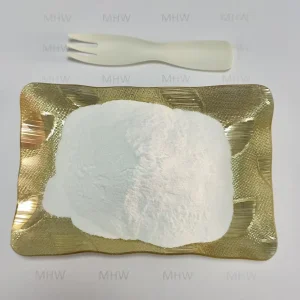
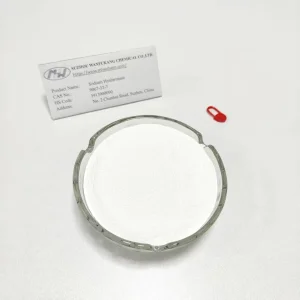
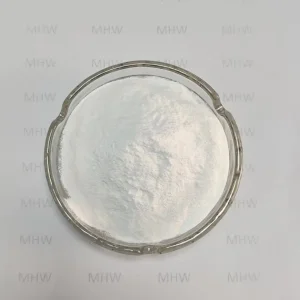
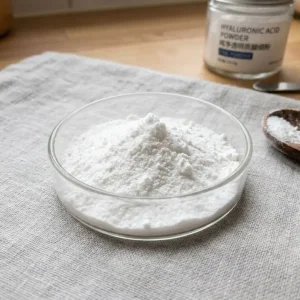
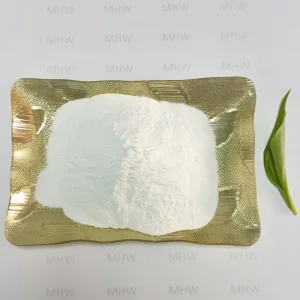
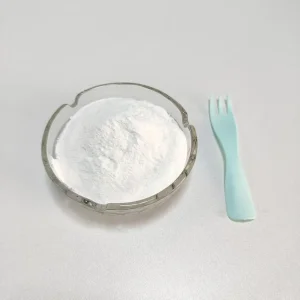
Understanding transdermal absorption dynamics, transepidermal water loss (TEWL) reduction, and dermal structure rejuvenation.
The "Before and After" visible changes in skin density depend heavily on molecular weight. High Molecular Weight (HMW) HA (>1,500 kDa) creates a protective humectant barrier on the stratum corneum, instantly reducing fine lines through topical plumping. Low Molecular Weight (LMW) HA (<100 kDa) penetrates deeper to stimulate endogenous production of glycosaminoglycans, offering long-term structural anti-aging results.
Clinical tests of serums formulated with professional-grade Sodium Hyaluronate show up to a 98% increase in skin moisture indices within 2 hours of application. Over 4 to 8 weeks, deep physiological transformations show rebuilt extracellular matrices (ECM), enhanced collagen fiber alignment, and sustained reduction in micro-wrinkles.
Modern factories utilize non-animal, bio-fermentation methods (typically using *Streptococcus zooepidemicus*) to ensure structural uniformity, high bio-affinity, and minimal endotoxin levels (<0.05 IU/mg for medical grades). This high purity ensures that the "After" effect is devoid of inflammatory reactions or localized sensitivity.
Analysing key drivers of growth, regulatory shifts, and technical benchmarks across major geographic supply chains.
The global Hyaluronic Acid raw material market is experiencing a massive compound annual growth rate (CAGR), driven by the demand for clean-label, bio-fermented active ingredients. In the cosmetic and medical sectors, standard chemical synthetics are being replaced by bio-synthesized Sodium Hyaluronate. As a leading manufacturer, we observe three major macro-trends shaping global supply chains:
A step-by-step technological path detailing how factories refine and structure HA molecules for diverse B2B end-products.
Continuous fermentation using strictly non-GMO strains to guarantee consistent molecular structure and bioactivity.
Precise control of depolymerization to separate Hyaluronic Acid into customized ranges from 3,000 Da to 2.2 Million Da.
Ultra-filtration pathways that strip nucleic acids, protein impurities, heavy metals, and residual bacterial endotoxins.
Vacuum sealing and moisture-proof cleanroom packaging, preventing crystallization and assuring active shelf longevity.
How top-tier brands deploy distinct grades of Hyaluronic Acid to meet region-specific beauty standards and weather challenges.
Serums designed for these regions emphasize clinical transparency. Formulators specify exact percentages (typically 1.5% to 2% active Sodium Hyaluronate solutions) and demand clean-beauty credentials such as COSMOS organic certifications, vegan statements, and cruelty-free manufacturing records.
In highly saturated cosmetic markets, brands seek multi-functional, layered HA products. This requires combining hydrolyzed HA (very low molecular weight) for deep pore penetration with macro-HA to leave a satin, non-greasy glow on the skin surface—essential for humid monsoon regions.
Formulations in these regions focus heavily on barrier recovery due to high UV indexes. Serums are blended with high molecular weight HA to shield against dry climate-induced dehydration and dust, forming a reliable, hydrating molecular mesh on the skin.
Direct technical answers from our R&D lab regarding molecular structures, supply-chain logistics, and formulation stability.
Optimizing formulations with customized weights, high-purity food-grade additives, and essential synergistic active ingredients.
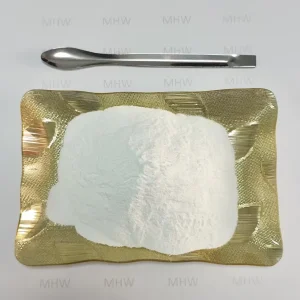
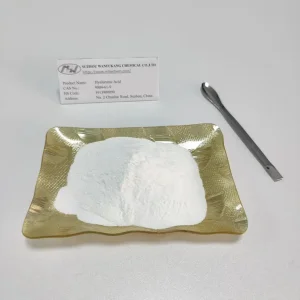
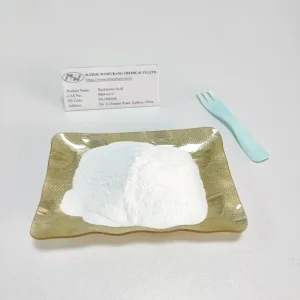
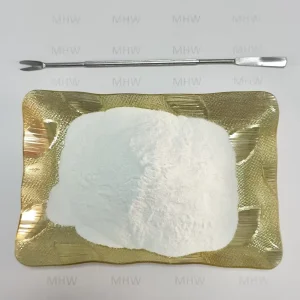
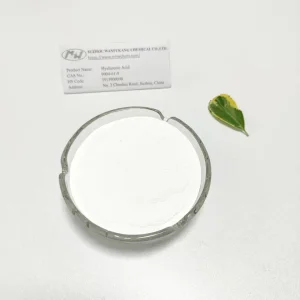
Providing food, cosmetic, and medical functional ingredients to top manufacturers worldwide.
High-grade humectants and skin-barrier restorative elements including:
Bio-active substances manufactured to international dietary supplement standards:
Stay informed with the latest research updates and global supply chain analyses.
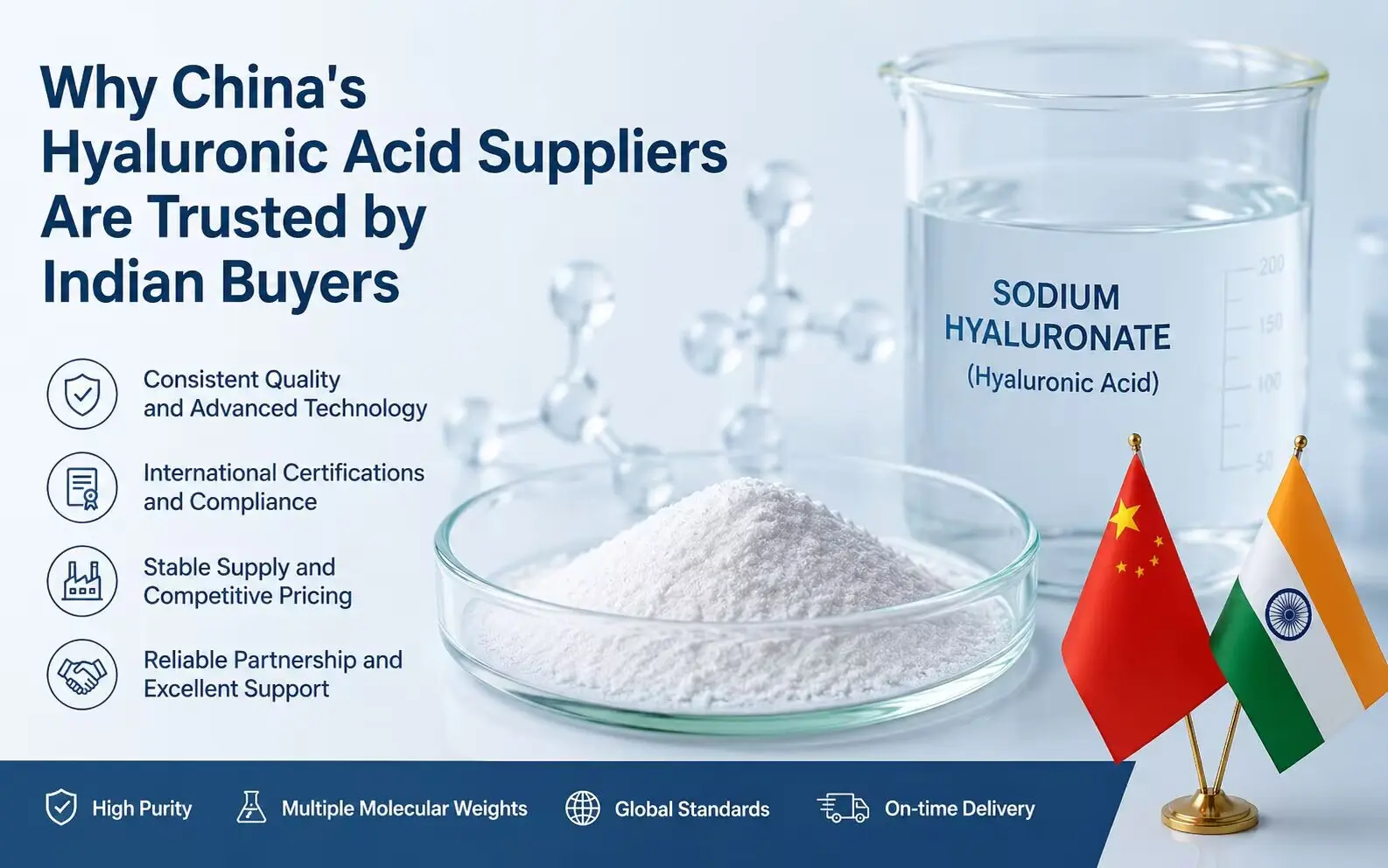
Exploring the rapid growth of India's cosmetic and pharmaceutical sectors, and how Chinese B2B suppliers deliver high-purity HA raw materials to match local formulation scales.
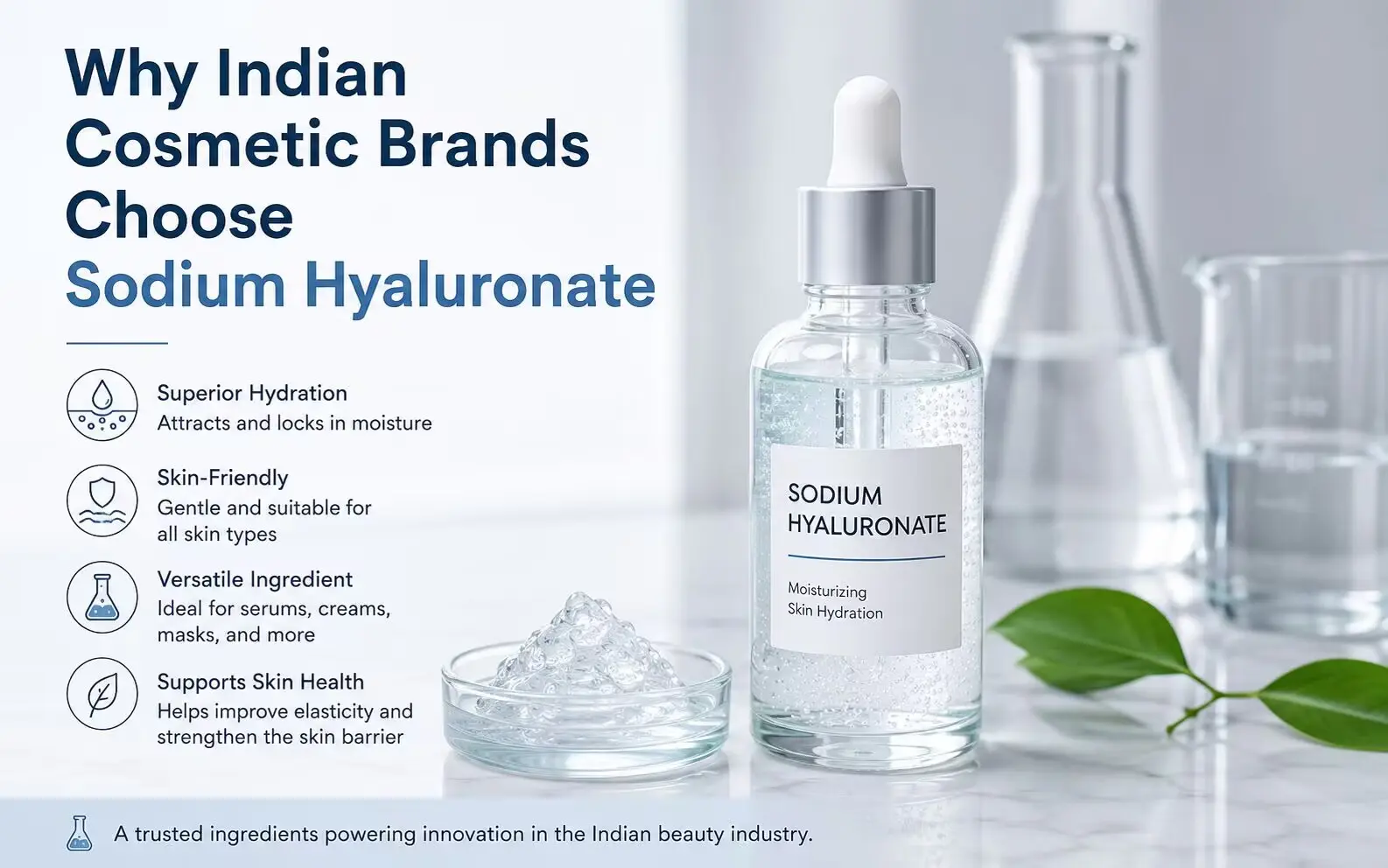
Evaluating the shift in consumer demand towards hydration-centric skincare products, putting Sodium Hyaluronate at the center of new formula developments.
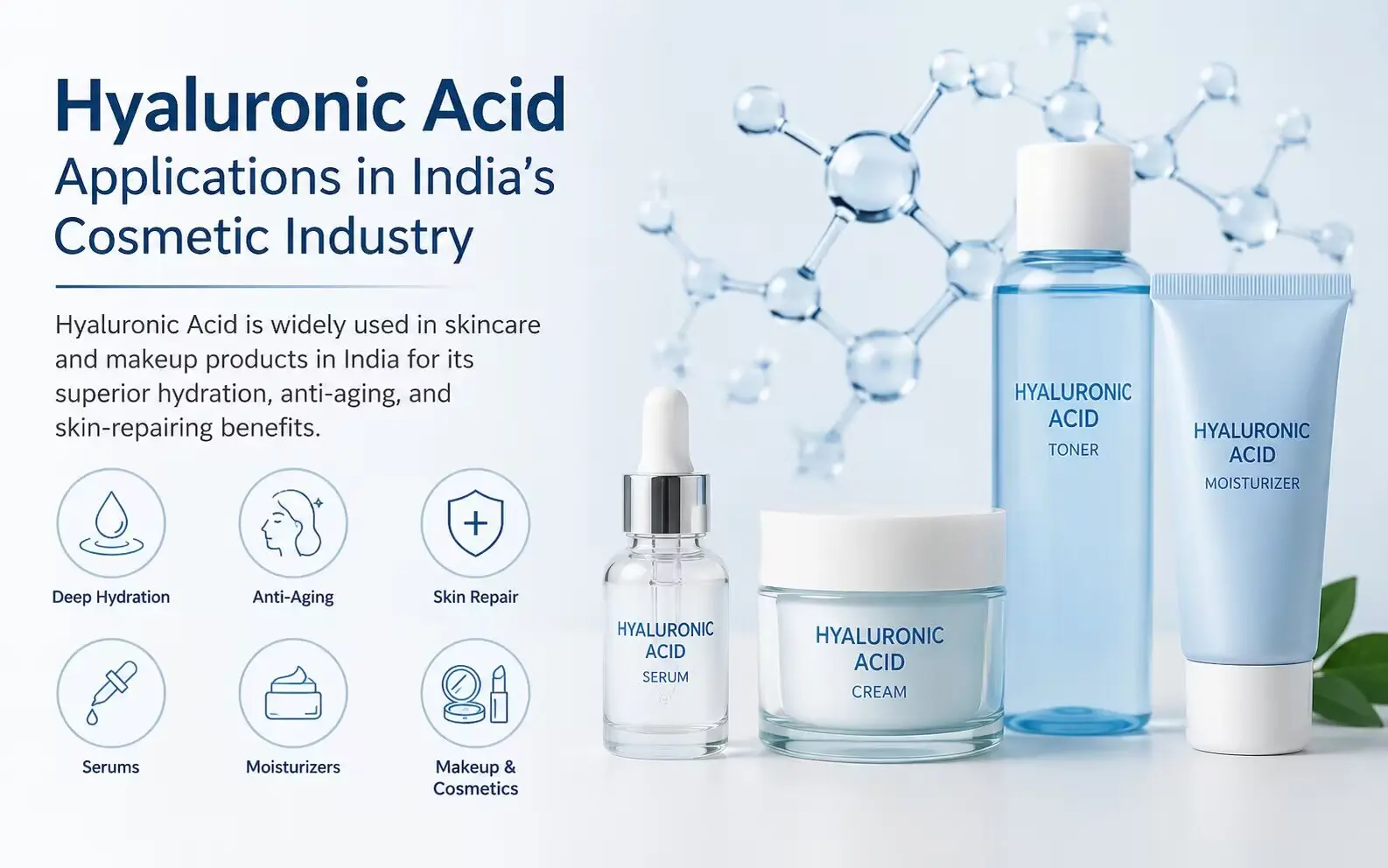
An analytical look at how Indian formulators leverage different molecular structures to deliver non-sticky, high-performance daily hydration solutions.
Cooperating with global leaders in cosmetics, pharmaceuticals, and health supplements to deliver proven active ingredients.