1 / 3

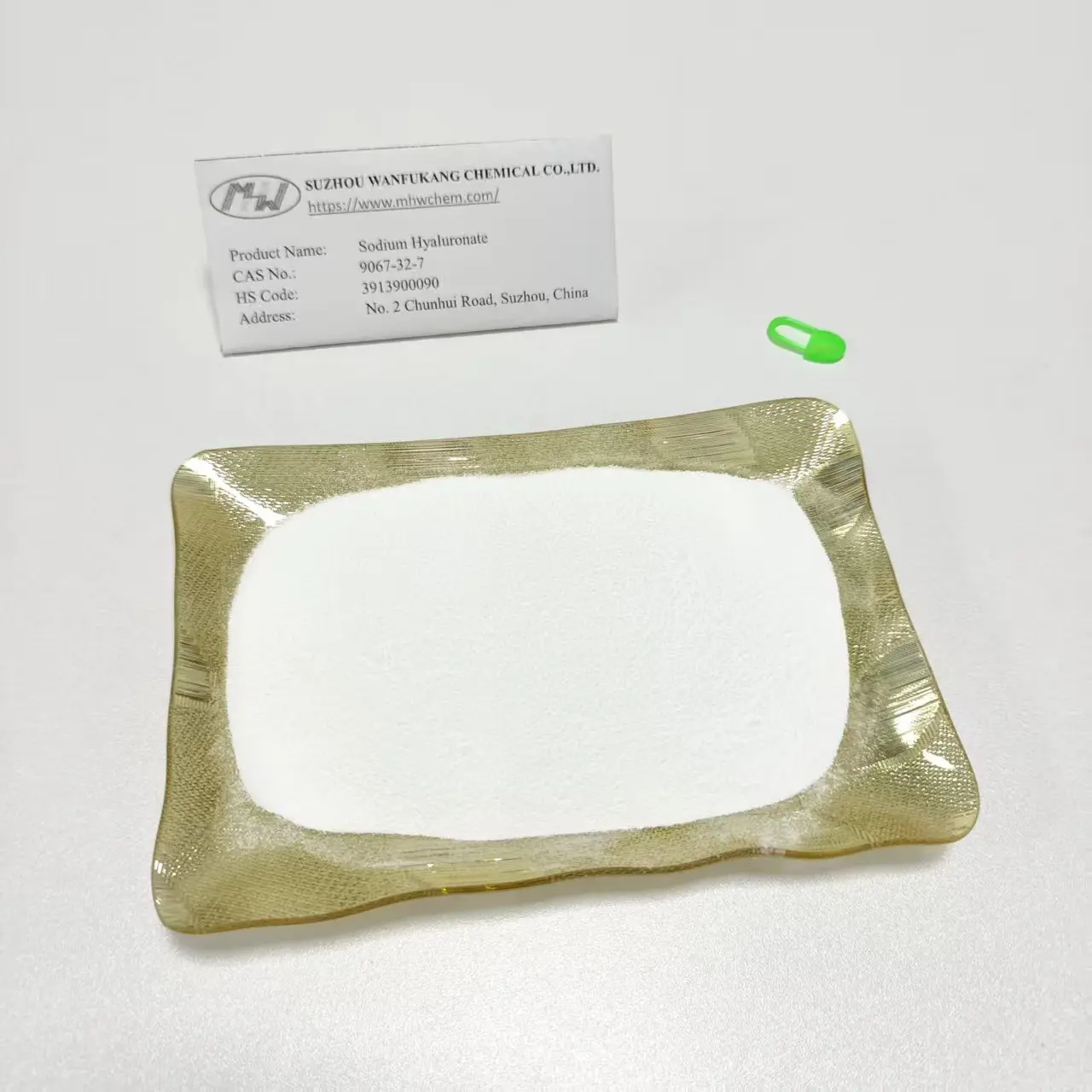
| Product Name | Sodium Hyaluronate |
| Chemical Formula | (C14H20NNaO11)n |
| Chemical Structure |

|
| CAS No. | 9067-32-7 |
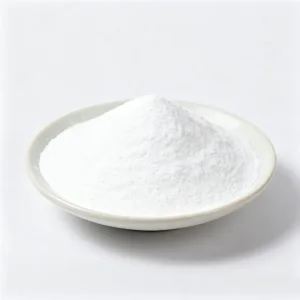
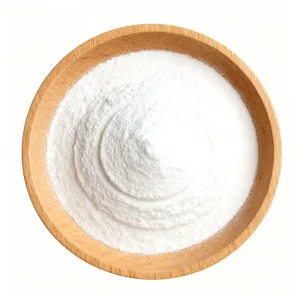
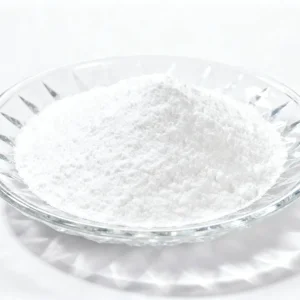
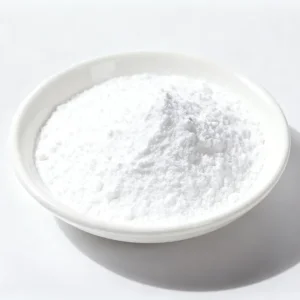
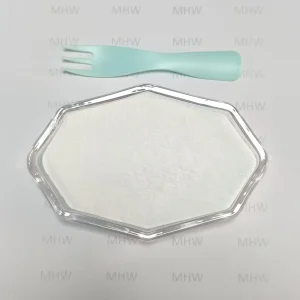
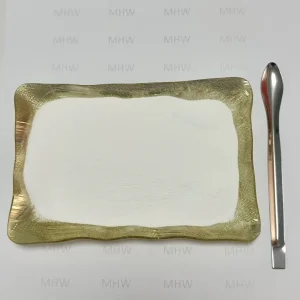
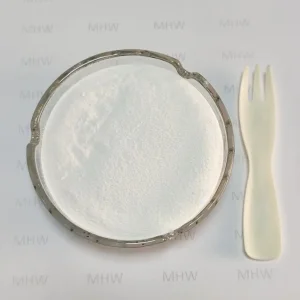
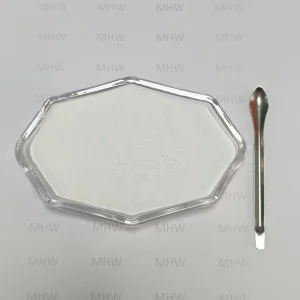
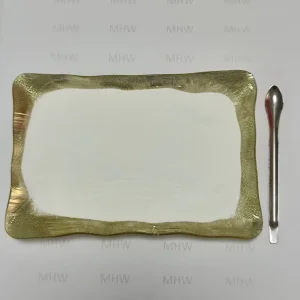
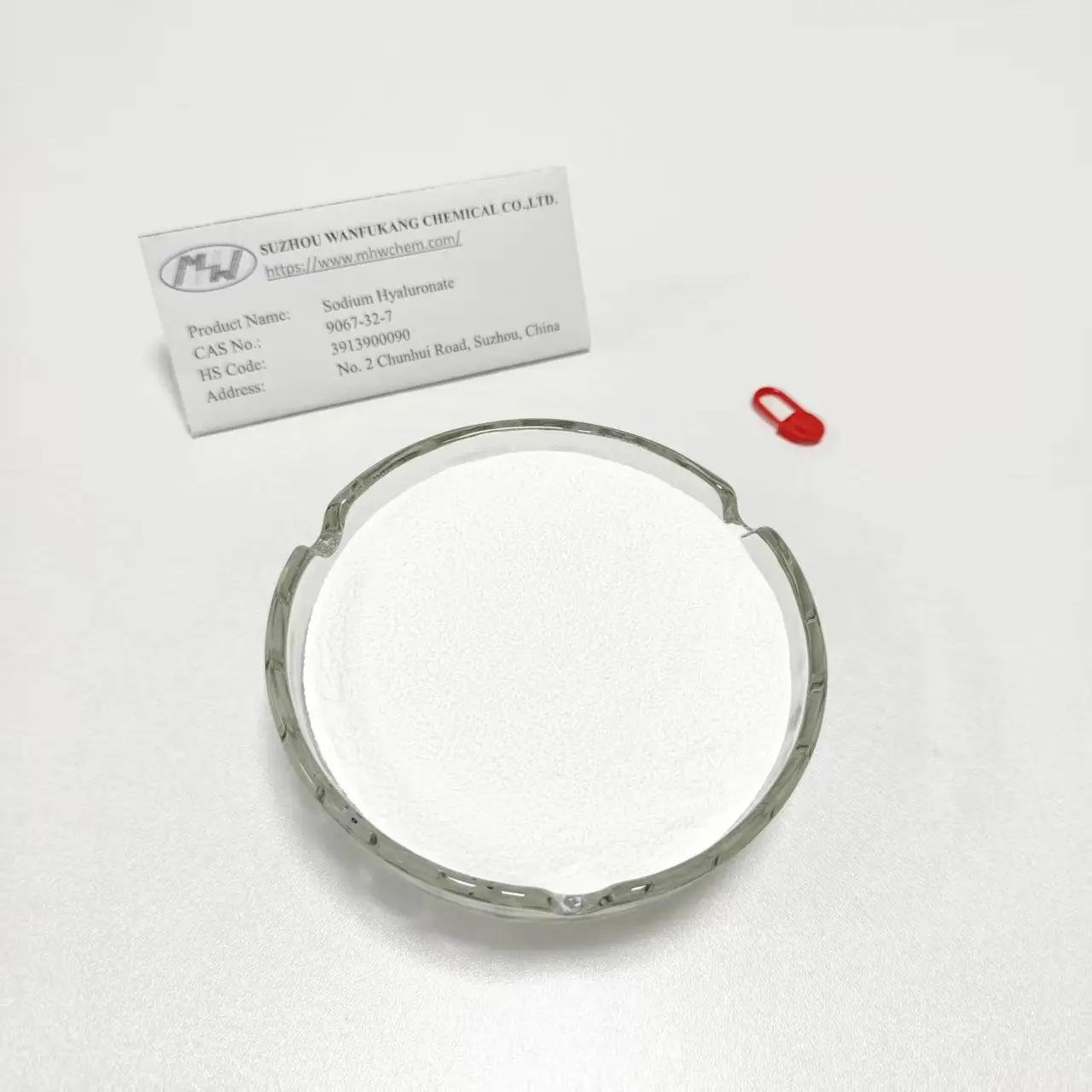
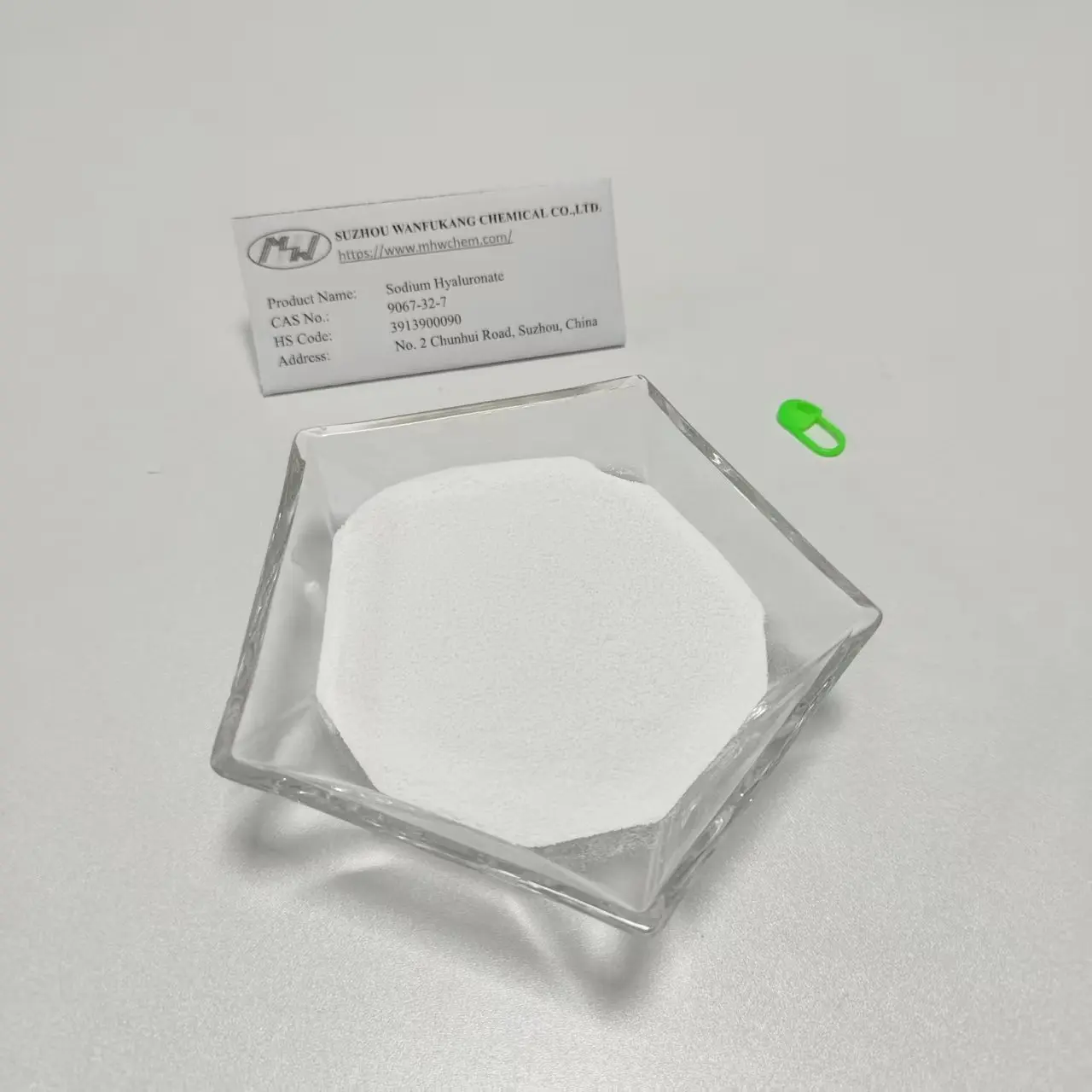
| Appearance | White, fine powder |
| Assay | ≥99.5% |
| Solubility | Soluble in water |
| Heavy metals | ≤10ppm |
| Protein | ≤0.1% |
| Bacterial endotoxins | ≤0.5IU/mg |
| Source | Microbial fermentation |
Sodium hyaluronate is produced by microbial fermentation with no contact with animal tissues. It is suitable for people with long-term eye care needs, such as dry eye syndrome, contact lens wear, and post-operative care.
Sodium hyaluronate complies with eye drop grade standards, with quality indicators superior to cosmetic or food grade. Molecular weight is controllable, and proteins, nucleic acids, heavy metals, and microorganisms are strictly controlled, ensuring no irritation or sensitization.
The structure of sodium hyaluronate is identical to that naturally found in the human body, offering outstanding viscoelasticity and water retention. It forms a stable hydrated film on the corneal surface, prolongs tear film breakup time, and alleviates dryness and foreign body sensation.
Once reconstituted, sodium hyaluronate exhibits pseudoplastic fluid behavior — high viscosity at rest for firm retention on the ocular surface, and decreased viscosity during blinking without affecting vision. It balances effective residence time with comfortable eye drop experience.
The fermentation process is mature, allowing precise control over molecular weight, viscosity, moisture, pH, and other key parameters. Without the fluctuations seen in animal extraction methods, it provides formulation manufacturers with a highly reproducible raw material guarantee.
Although traditional animal-derived sodium hyaluronate (e.g., extracted from rooster combs) has a lower cost, it poses several potential risks:
This Sodium Hyaluronate is produced through microbial fermentation, making it a completely non-animal origin product. This eliminates any risks associated with animal-derived pathogens and makes it suitable for vegan applications.
It conforms to strict eye drop grade standards, ensuring that molecular weight is highly controllable, and levels of proteins, nucleic acids, heavy metals, and microorganisms are strictly minimized to prevent eye irritation or sensitization.
Animal-derived alternatives (like those from rooster combs) carry risks of avian viruses or prion contamination, contain higher levels of allergy-triggering protein/nucleic residues, and suffer from high batch-to-batch quality variability.
It mimics the body's natural viscoelastic properties to form a stable hydrated film on the cornea. This extends tear film breakup time, providing long-lasting moisture and relief from dryness or foreign body sensations.
It means the formulation remains highly viscous when the eye is at rest, keeping the solution securely on the ocular surface. During a blink, the viscosity temporarily decreases so that it does not blur your vision, offering an optimal balance of efficacy and comfort.
Thanks to a mature microbial fermentation process, critical parameters like molecular weight, viscosity, pH, and moisture are tightly regulated, guaranteeing high batch-to-batch reproducibility for manufacturers.