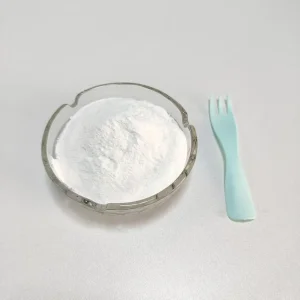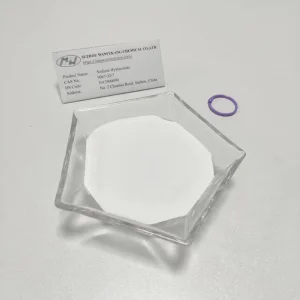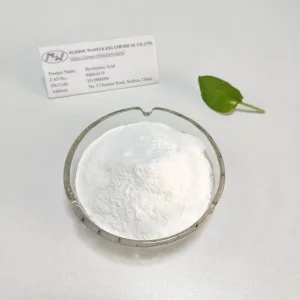
Explore our certified range of high-performance formulation bases and raw cosmetic powders manufactured to strict international pharmacopeia benchmarks.
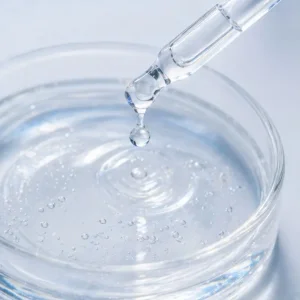
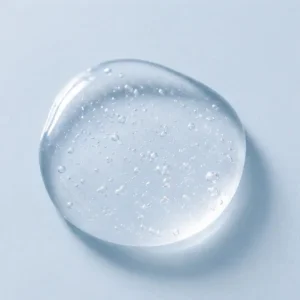
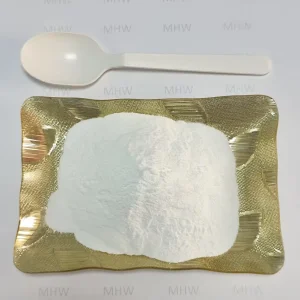
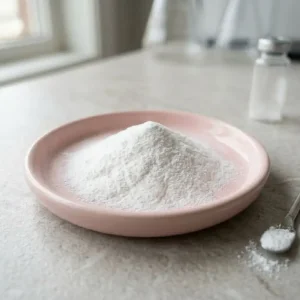
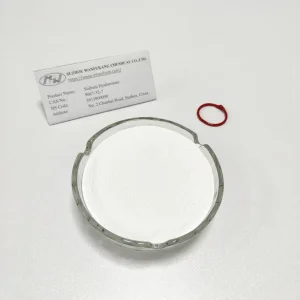
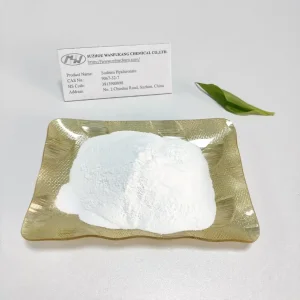
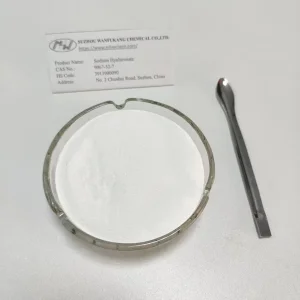
In the contemporary global skincare market, product formulations are increasingly driven by efficacy verification, clinical-backed claims, and biocompatible ingredient profiles. Prominently situated at this intersection is the combination of Vitamin C (L-Ascorbic Acid) and Hyaluronic Acid (Sodium Hyaluronate). The scientific synergy between these two actives represents the gold standard for dermal rejuvenation, anti-aging, and epidermal barrier preservation.
L-Ascorbic Acid acts as a potent antioxidant, neutralizing reactive oxygen species (ROS) induced by ultraviolet radiation and environmental particulates. Furthermore, it serves as an indispensable co-factor for the hydroxylation of proline and lysine residues during collagen biosynthesis. However, the molecule is notoriously unstable, vulnerable to rapid oxidation in aqueous environments when exposed to heat, light, or alkaline pH. To prevent degradation, formulators utilize complex anhydrous matrices, low pH configurations (below 3.5), or derivatization strategies such as Magnesium Ascorbyl Phosphate (MAP), Sodium Ascorbyl Phosphate (SAP), or 3-O-Ethyl Ascorbic Acid.
Understanding these raw materials from the chemical level is critical. Sodium Hyaluronate (HA), a natural polysaccharide composed of alternating D-glucuronic acid and N-acetyl-D-glucosamine units, possesses a phenomenal capacity to bind up to 1,000 times its dry weight in water. By managing its molecular weight distribution—ranging from High Molecular Weight (HMW-HA, >1.8 MDa) for film-forming properties, to Low Molecular Weight (LMW-HA, 200–600 kDa) for transdermal hydration, and Oligo-HA (<10 kDa) for deep cell signaling—formulators can construct targeted dermatological systems. A well-designed Findley-inspired Vitamin C and Hyaluronic Acid serum integrates these molecular partitions to yield optimal structural, sensory, and clinical outcomes.
The global demand for "Findley-style" Vitamin C and Hyaluronic Acid formulations points toward a wider market evolution. Sourcing managers are no longer looking for basic commodities; they seek raw materials with defined molecular parameters, proven stabilization pathways, and flawless regulatory compliance dossiers. Sourcing from premium factories allows brands to mitigate risks related to active ingredient degradation, uneven dermal penetration, and batch inconsistency.
The Findley benchmark implies a formulation that balances high-concentration L-ascorbic acid or its stabilized derivatives with multiple molecular weight fractions of sodium hyaluronate. A major challenge in procuring these actives in bulk is ensuring that the raw sodium hyaluronate contains minimal heavy metal contaminants (e.g., Lead, Arsenic, Mercury) and maintaining microbial endotoxin levels at strict thresholds, especially for high-grade skincare or ophthalmological products. Our raw material supply infrastructure ensures that every batch meets these parameters, utilizing state-of-the-art bio-fermentation methods to manufacture clean, cruelty-free, and vegan-friendly ingredients.
China has firmly established itself as the epicenter of industrial-scale biotechnology, particularly in the production of bio-fermented Sodium Hyaluronate. Suzhou Wanfukang Chemical Co., Ltd. leads this movement, integrating robust manufacturing infrastructure with meticulous laboratory quality control to supply high-purity cosmetic, food, and pharmaceutical-grade ingredients worldwide.
The manufacturing dominance of Chinese factories is not merely a matter of scale; it is rooted in advanced bioprocessing technology. The isolation of high-yield non-animal strains (such as genetically optimized, non-pathogenic Streptococcus zooepidemicus or food-grade Bacillus subtilis), combined with precision fermentation controls, enables the production of sodium hyaluronate with highly specific molecular weight distributions. Moreover, the integration of advanced purification steps—such as multi-stage alcohol precipitation, activated carbon filtration, and ultrafiltration—guarantees that the final white powder exhibits exceptional purity (Assay ≥ 98%), minimum protein residue, and excellent solubility.
This localized supply chain strength translates to significant cost-efficiencies and reliable quantity guarantees for global buyers. With over 500 tons of annual sales volume and a comprehensive raw material catalog exceeding 600 items, Suzhou Wanfukang offers B2B procurement partners stable supply channels, safeguarding brands against supply chain disruptions and product inconsistency.
Navigating the complex landscape of international cosmetic and pharmaceutical regulations is one of the most critical aspects of global B2B active ingredient sourcing. Different target markets enforce varied parameters for import approval, compliance documentation, and labeling claims:
Suzhou Wanfukang specializes in the research, development, and export of advanced active cosmetic and food ingredients. Review our functional segments below.
High-purity cosmetic base for deep dermal hydration systems.
Premium Vitamin B3 for skin barrier repair and hyperpigmentation control.
Naturally derived active for clinical skin whitening formulations.
Highly stable L-ascorbic acid for topical and dietary applications.
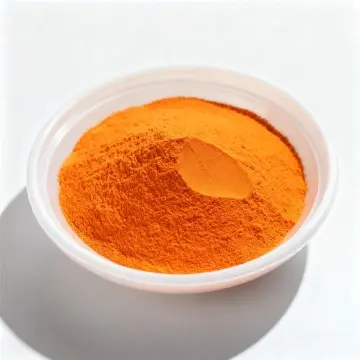
High bio-availability USP grade powder for structural dietary supplements.
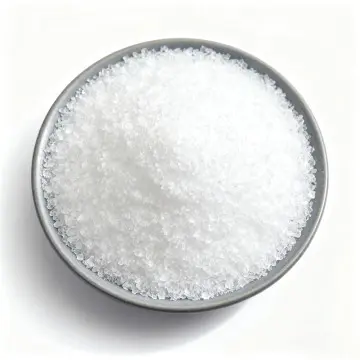
Widely utilized acidulant and pH stabilizer for clean label products.
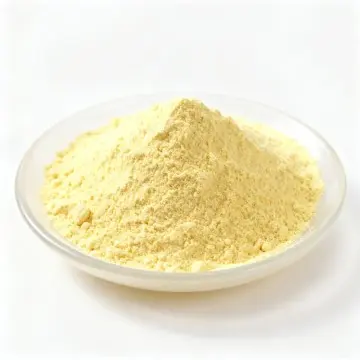
Retinyl acetate/palmitate forms optimized for food enrichment.
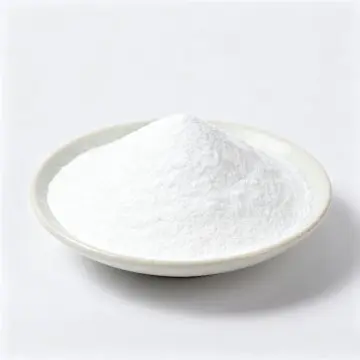
Dermal and joint matrix ingredient with high standardized assay.
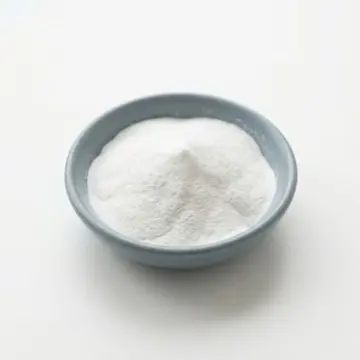
Ultra-low endotoxin levels matching strict EP/USP monographies.
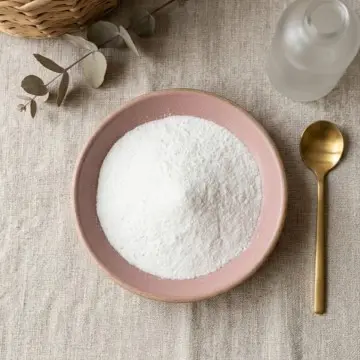
Oral absorption optimized molecular weight for joint lubricants.

Ready-to-formulate aqueous solution with customized preservatives.

Pre-blended multi-weight HA solutions for customized specifications.
Emerging economies—most notably India, Southeast Asia (SEA), and Latin America (LATAM)—are experiencing a massive transformation in their local beauty and personal care sectors. Driven by rising disposable incomes, urbanization, and a growing consumer awareness of active ingredient efficacy, brands in these regions are racing to launch clinical-style skincare lines. To achieve this, local manufacturers rely heavily on high-quality active ingredients sourced from experienced Chinese suppliers.
In India, for instance, the beauty market is pivoting rapidly from basic cosmetic covers to dermatologically backed active formulations. The hot, humid climate of the subcontinent creates specific formulation challenges: products must be lightweight, non-comedogenic, and highly moisturizing without leaving a greasy residue. Sodium Hyaluronate, with its oil-free hydration properties, is the ideal base. Similarly, stabilized Vitamin C is widely sought after to address regional skincare concerns like UV-induced hyperpigmentation and pollution-related oxidative stress.
By offering customized packaging options, temperature-controlled shipping configurations, and stable bulk pricing, Suzhou Wanfukang acts as a strategic partner to private labels and multi-national pharmaceutical firms alike. Our logistics network ensures that temperature-sensitive ingredients, like L-Ascorbic Acid or high-purity injectable sodium hyaluronate, arrive at their destination without undergoing degradation or loss of efficacy.
Detailed technical answers addressing common inquiries from research and development (R&D) departments, quality assurance directors, and global procurement teams.
Stay informed with technical updates, market research reports, and supply chain insights directly from our global trade department.
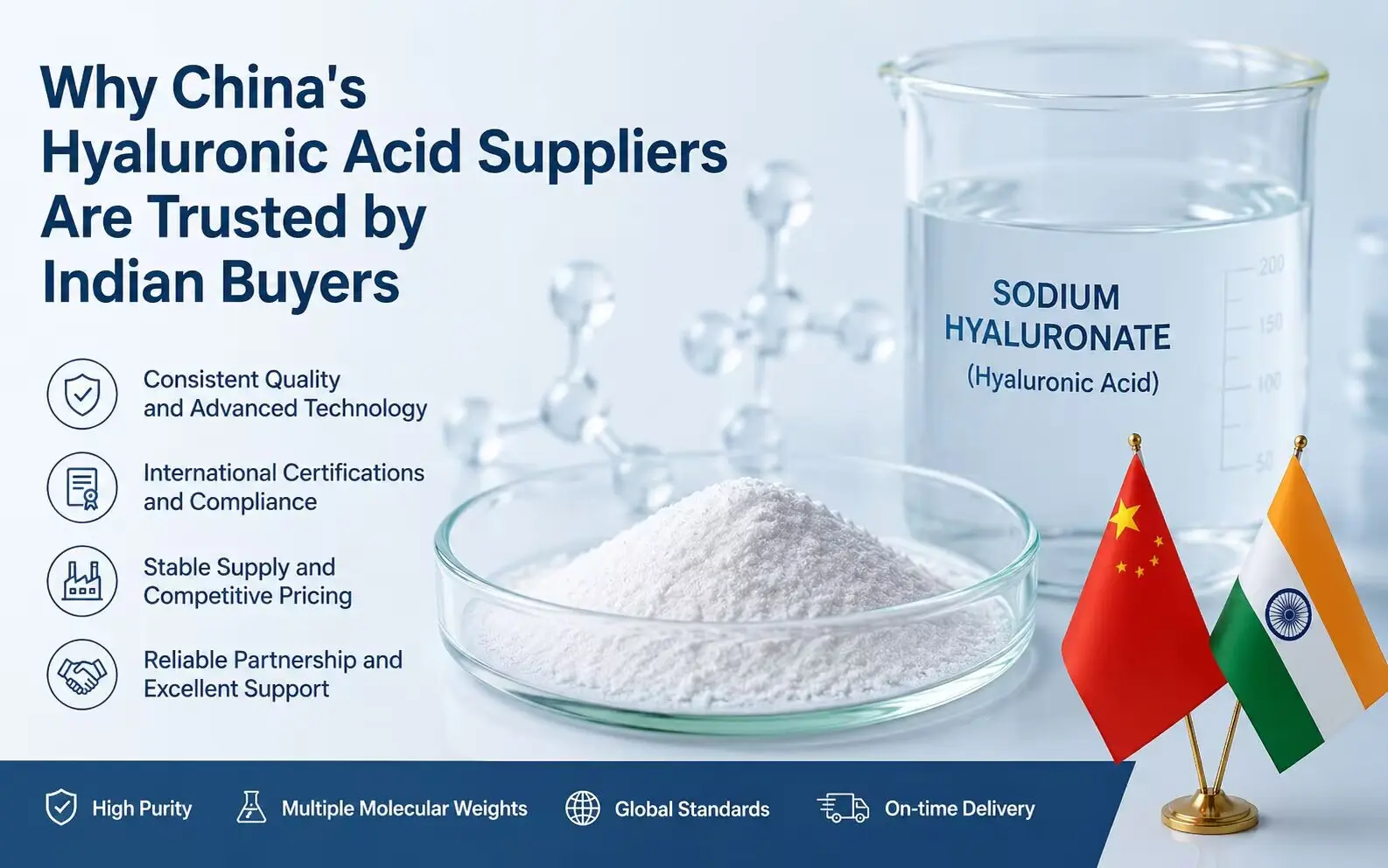
In recent years, with the rapid development of India's cosmetics, pharmaceutical, and food and health product industries, the market demand for hyaluronic acid (HA) and sodium hyaluronate has continued to grow. Against this backdrop, more and more Indian buyers are turning their attention to Chinese suppliers. Discover the core factors driving this long-term partnership.
Read Full Report →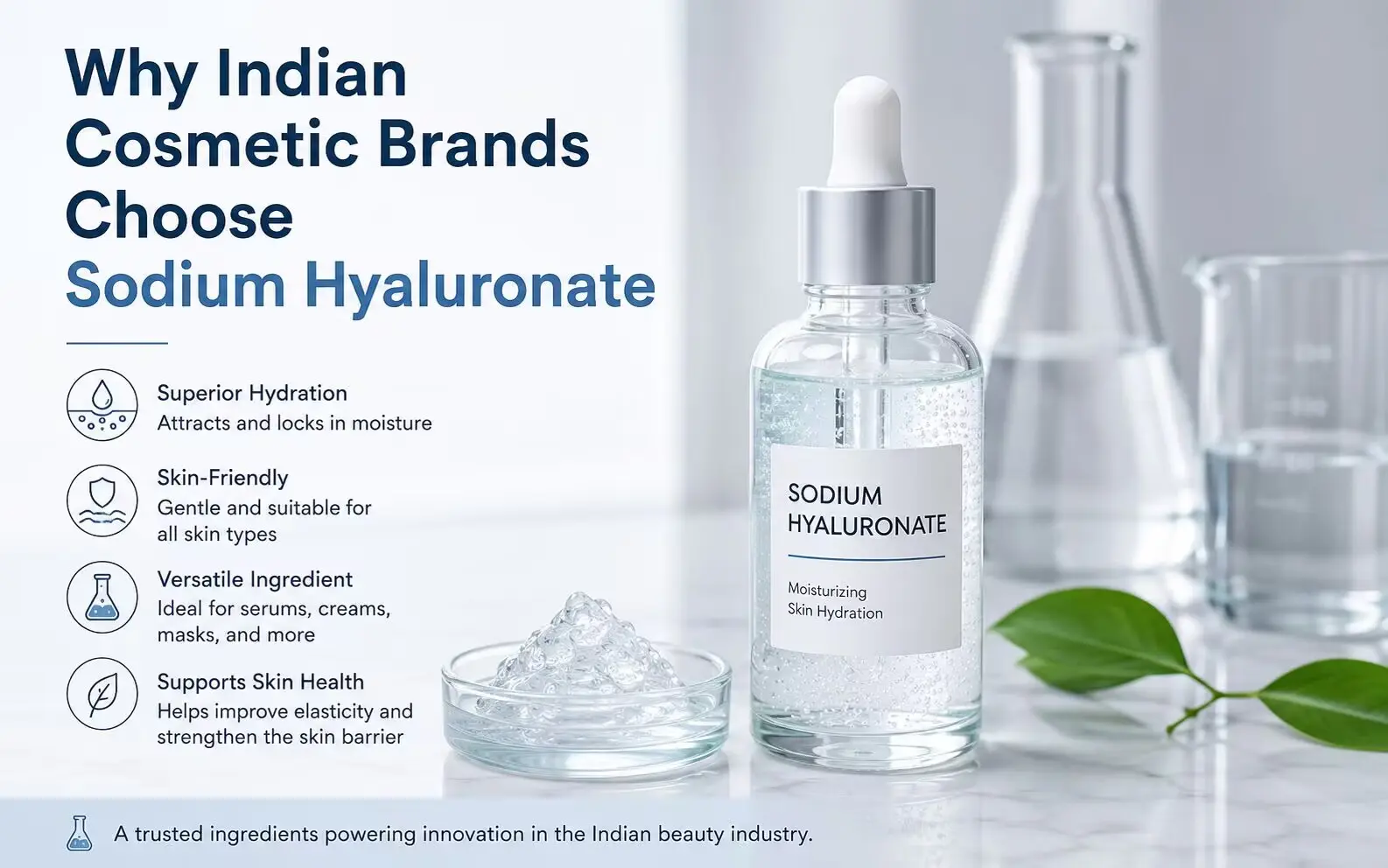
With the continued growth of the Indian beauty and personal care market, consumers' demand for highly effective and safe skincare products is increasing. As a widely used moisturizing ingredient in the international market, sodium hyaluronate is becoming an important choice for formulations ranging from serums to sunscreens.
Read Full Report →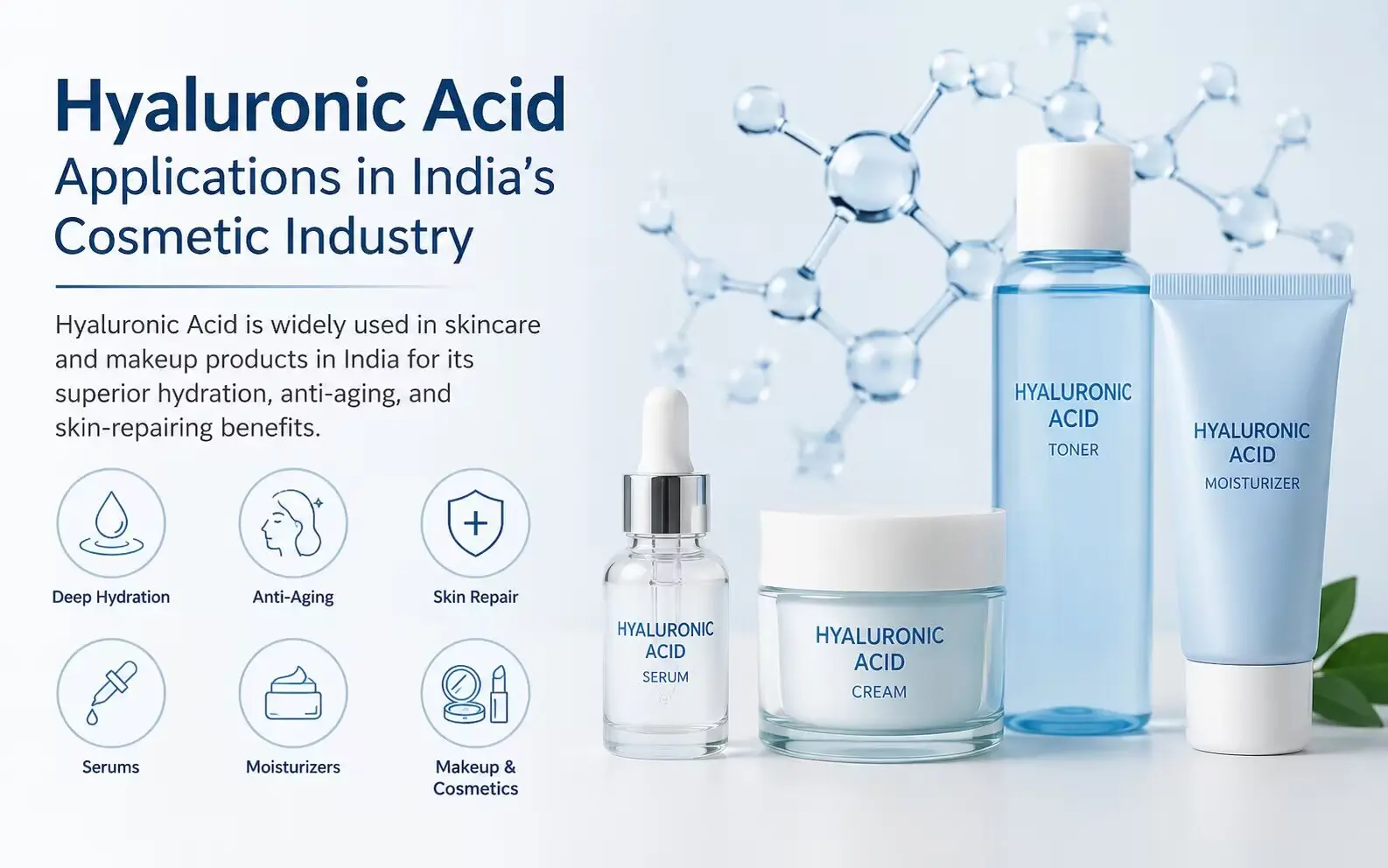
As the Indian cosmetic landscape expands, clinical efficacy and ingredient transparency have become central to brand equity. Hyaluronic Acid (HA) leads the transition, moving from high-end specialty dermatology products into mainstream moisturizing lotions, serums, and makeup primers.
Read Full Report →Suzhou Wanfukang operates in accordance with strict international QA/QC frameworks. Below are our accredited certification partners.

Review our specialized molecular variants and customized solutions designed to optimize your product stability and dermal delivery profiles.