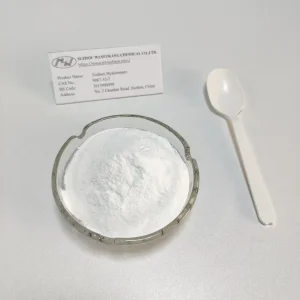
Q1: How does molecular weight affect the stability of Sodium Hyaluronate in cream emulsions?
A: Molecular weight affects the overall viscosity and emulsion stability. High Molecular Weight HA (>1.5 MDa) increases the viscosity of the water phase, which can help prevent emulsion separation. However, it can also lead to gelation under high-shear mixing if not hydrated correctly. Low Molecular Weight HA (<100 kDa) has minimal impact on formulation viscosity, but requires careful preservation systems to prevent microbial contamination.
Q2: What is the recommended pH range for HA-based moisture creams?
A: Sodium Hyaluronate is most stable in a pH range of 5.5 to 7.5. Exposure to highly acidic conditions (pH < 4.0) or strongly alkaline environments (pH > 8.0) can degrade the polymer chain, reducing its molecular weight and decreasing formulation viscosity over time.
Q3: How do you verify the purity of your Cosmetic Grade Hyaluronic Acid?
A: Every batch undergoes rigorous quality control testing. We verify purity using HPLC (High-Performance Liquid Chromatography) assays, ensuring sodium hyaluronate content meets or exceeds 98.0%. We also perform tests to check for heavy metals (lead, arsenic, mercury) and control total plate counts to meet international standards for cosmetic raw materials.
Q4: Are your Hyaluronic Acid products suitable for vegan and clean beauty brands?
A: Yes. All our cosmetic-grade sodium hyaluronate is produced through microbial fermentation using non-animal starting materials. We provide non-animal origin statements, making our products suitable for vegan, cruelty-free, and clean beauty brands globally.