
Providing high-purity raw materials validated for temperature stability, local pharmaceutical compliance, and regional industrial requirements across Erbil, Baghdad, and Basra.
The Republic of Iraq is experiencing a fundamental structural shift in its domestic pharmaceutical, food processing, and cosmetics manufacturing sectors. Historically reliant on imported finished therapeutic goods, the industrial hubs in Baghdad, Basra, and the Kurdistan Region (Erbil and Sulaymaniyah) are aggressively scaling local compounding and synthesis capacity. Guided by the Iraqi Ministry of Health and Ministry of Industry and Minerals, local producers are upgrading factories to comply with global GMP (Good Manufacturing Practice) standards.
This manufacturing renaissance relies heavily on the import of high-purity functional ingredients. Functional ingredients represent the physiologically active substances that turn standard formulations into therapeutic, corrective, or health-promoting end-products. These range from active pharmaceutical ingredients (APIs) such as injection-grade hyaluronic acid to dietary supplements like chondroitin sulfate and food preservatives like high-assay Vitamin C.
"For Iraqi formulation factories, sourcing functional ingredients presents distinct logistical challenges, notably extreme seasonal temperatures reaching 50°C. Raw materials must exhibit superior thermal stability, tight biological purity tolerances, and be backed by comprehensive documentation (DMF, CEP, and GMP certificates) to successfully clear customs and secure registration under KIMADIA."
Furthermore, local consumer demand in Iraq is changing. A rising middle class is prioritizing personal wellness, anti-aging skincare, and metabolic health. Domestic cosmetic brands are shifting from simple petrolatum-based creams to advanced dermatological moisturizers containing sodium hyaluronate and niacinamide. Simultaneously, local beverage and dairy processing enterprises are fortifying products to combat regional nutritional deficiencies, expanding the domestic demand for stable food acidulants and essential vitamins.
On a global scale, the functional ingredients industry is driven by biotechnology, sustainable synthesis, and targeted clinical validation. Chemical extraction from animal tissues is being phased out in favor of microbial fermentation. For instance, the transition of Hyaluronic Acid (HA) production from avian sources (rooster combs) to non-animal bacterial fermentation (using engineered strains of Streptococcus zooepidemicus) has resolved both safety concerns (viral transmission risk) and religious compliance (Halal and Vegan verification) globally.
For Iraq, this bio-technological transition represents an immediate opportunity. Halal compliance is an absolute commercial necessity in the Middle East. By importing raw materials derived strictly from microbial fermentation—such as our non-animal derived ophthalmic-grade sodium hyaluronate—Iraqi manufacturers can formulate medical injectables, eye drops, and cosmetics that naturally align with domestic and regional export compliance rules.
In parallel, global supply chains are focusing on high-assay stability. Traditional vitamins and active compounds degrade quickly under typical Middle Eastern warehouse conditions. Consequently, the trend toward micro-encapsulation and crystalline molecular stabilization has emerged as a key technology. We optimize our functional additives to maintain structural integrity under extreme heat conditions, providing Iraqi formulators with a longer shelf life and consistent product performance.
Understanding how these functional ingredients behave at the molecular level is critical to successful formulation in Iraq's climate. The table below outlines the core scientific pathways and practical local applications for our main active ingredient classes.
Sodium Hyaluronate is a naturally occurring linear polysaccharide. Its key feature is its water-binding capacity, holding up to 1,000 times its molecular weight in water. For the Iraqi climate, where low humidity and intense heat dehydrate the stratum corneum, sodium hyaluronate acts as a highly effective topical humectant. In clinical settings, injection-grade sodium hyaluronate (with low bacterial endotoxins, typically <0.05 IU/mg) is used in ophthalmic viscosurgical devices (OVD) to maintain the anterior eye chamber during cataract surgeries in public and private hospitals across Iraq.
High-intensity UV exposure in Iraq causes oxidative stress and hyperpigmentation. Niacinamide (Vitamin B3) works by inhibiting the transfer of melanosomes from melanocytes to keratinocytes, reducing solar-induced hyperpigmentation. Additionally, it stimulates the synthesis of ceramides, strengthening the skin's lipid barrier to reduce trans-epidermal water loss (TEWL) in dry desert environments.
Coenzyme Q10 is a lipid-soluble component of the mitochondrial electron transport chain. It plays a central role in ATP generation and acts as an antioxidant inside cell membranes. In local food fortification and dietary supplement manufacturing in Basra and Baghdad, Coenzyme Q10 is added to softgels and fortified functional foods to support cardiovascular health.
How we guarantee raw material purity from microbial selection to delivery in Iraq.
We use non-GMO strains in controlled bioreactors. Fermentation parameters (pH, dissolved oxygen, glucose feeding rates) are monitored in real time to ensure consistent molecular weight distribution.
Advanced membrane filtration and organic solvent precipitation isolate active biomolecules while removing host cell proteins, nucleic acids, and bacterial endotoxins.
Materials are dried under cleanroom conditions (Class 100 / ISO 5 areas) to prevent environmental contamination and preserve biochemical activity.
Every batch undergoes HPLC testing to verify purity. Ophthalmic and injection grades undergo rigorous endotoxin testing. Products are packaged in heat-sealed, multi-layered protective containers to survive shipping to Iraqi ports.
Explore our complete range of food, cosmetic, and pharmaceutical grade functional ingredients, engineered for high stability and reliable supply chains in Iraq.
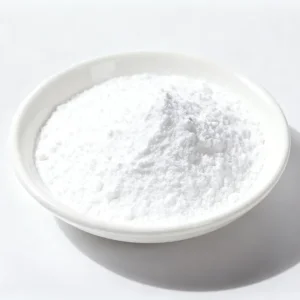
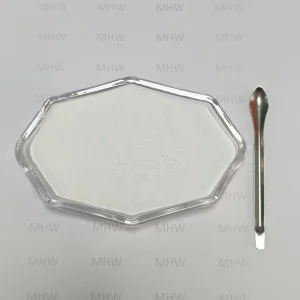
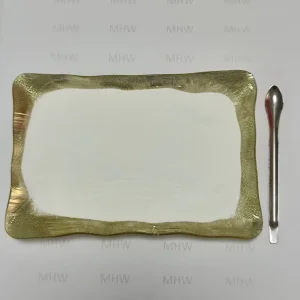
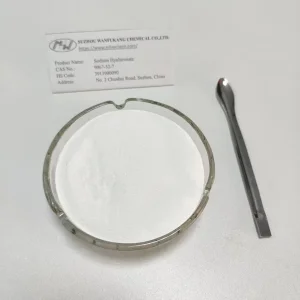
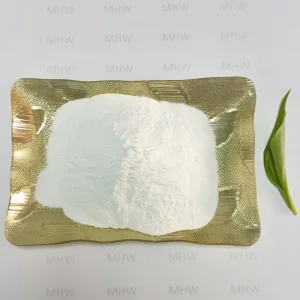
To support advanced clinical manufacturing and localized biotechnology research in the Middle East, we maintain active production streams for the following international grade materials. Ensure your development team references our specific validation portfolios below:
Operating a pharmaceutical or food factory in Iraq requires robust supply chain logistics and strict regulatory compliance. We provide end-to-end support to ensure your production runs smoothly:
Clear, technical answers to common questions about importing, storing, and formulating with our functional ingredients in Iraq.