1 / 1

| Product Name | Hyaluronic Acid |
| Chemical Formula | (C14H21NO11)n |
| Chemical Structure |

|
| CAS No. | 9004-61-9 |
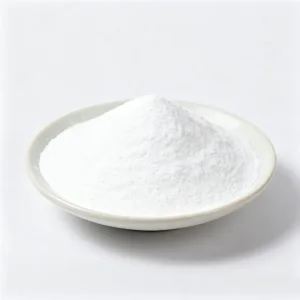
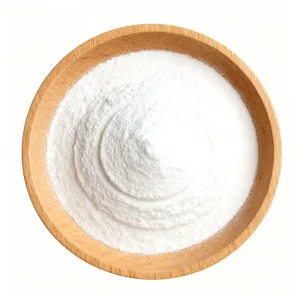
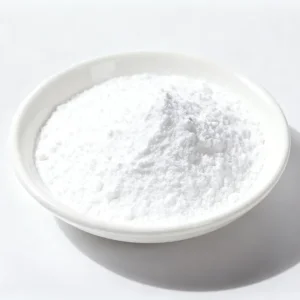
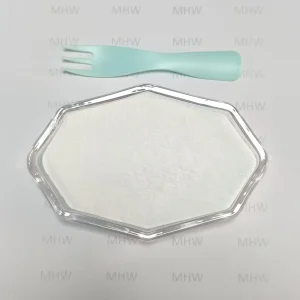
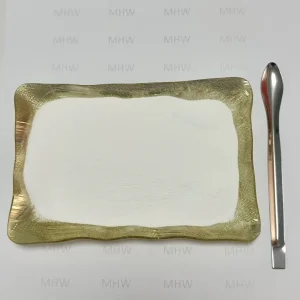
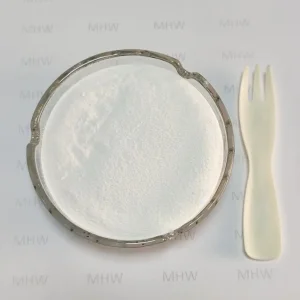
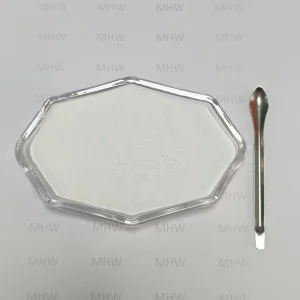
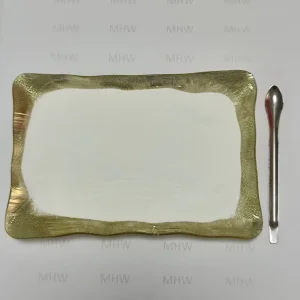
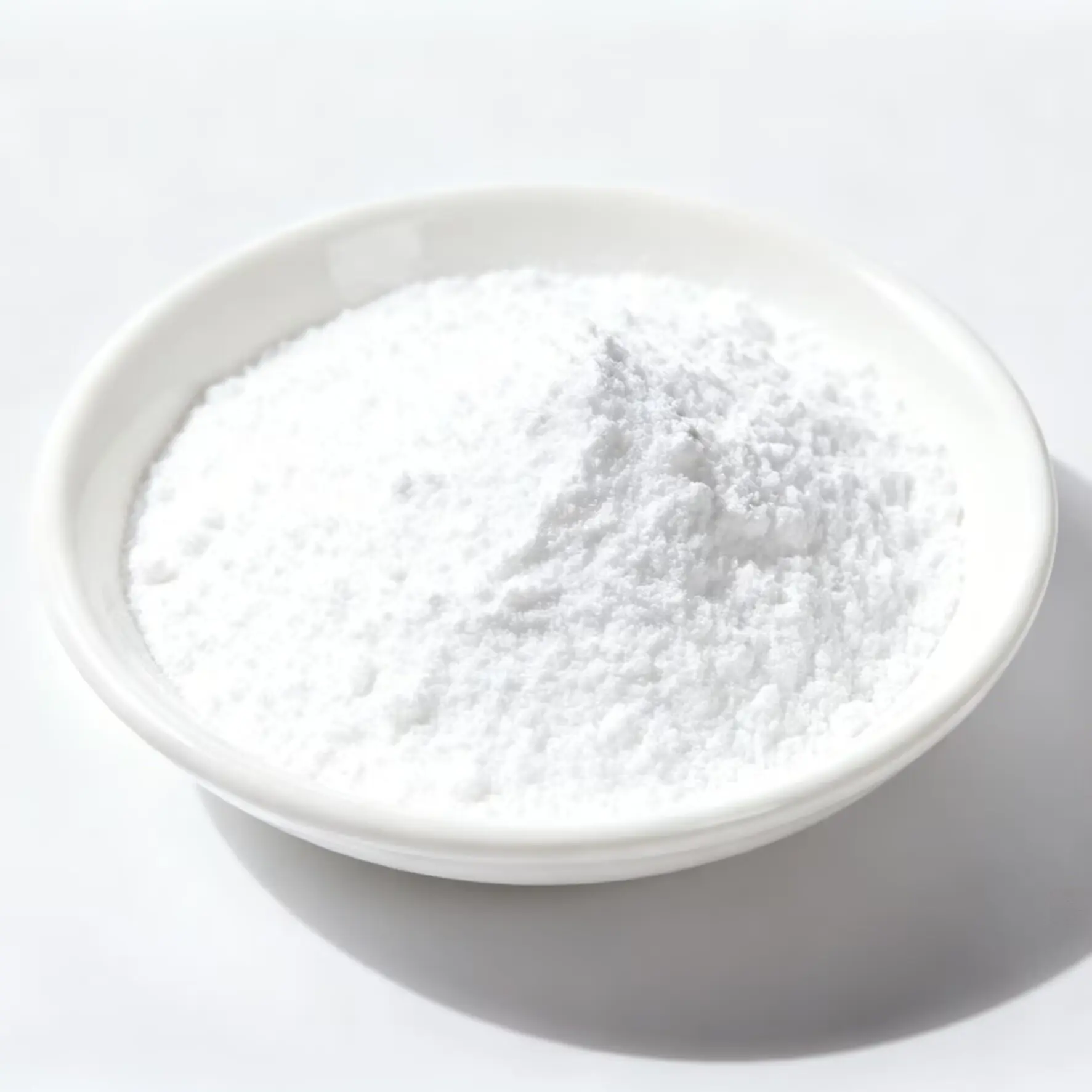
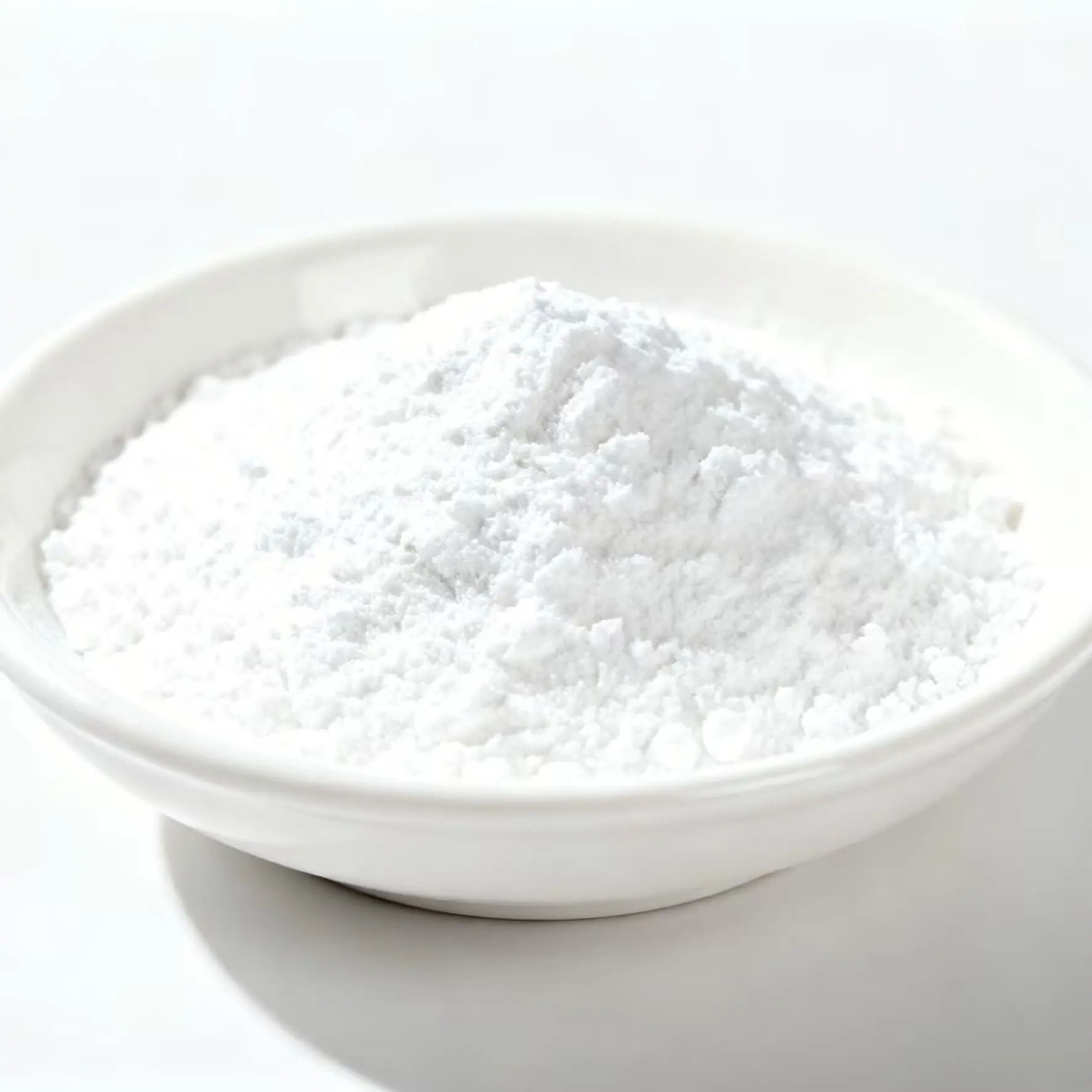
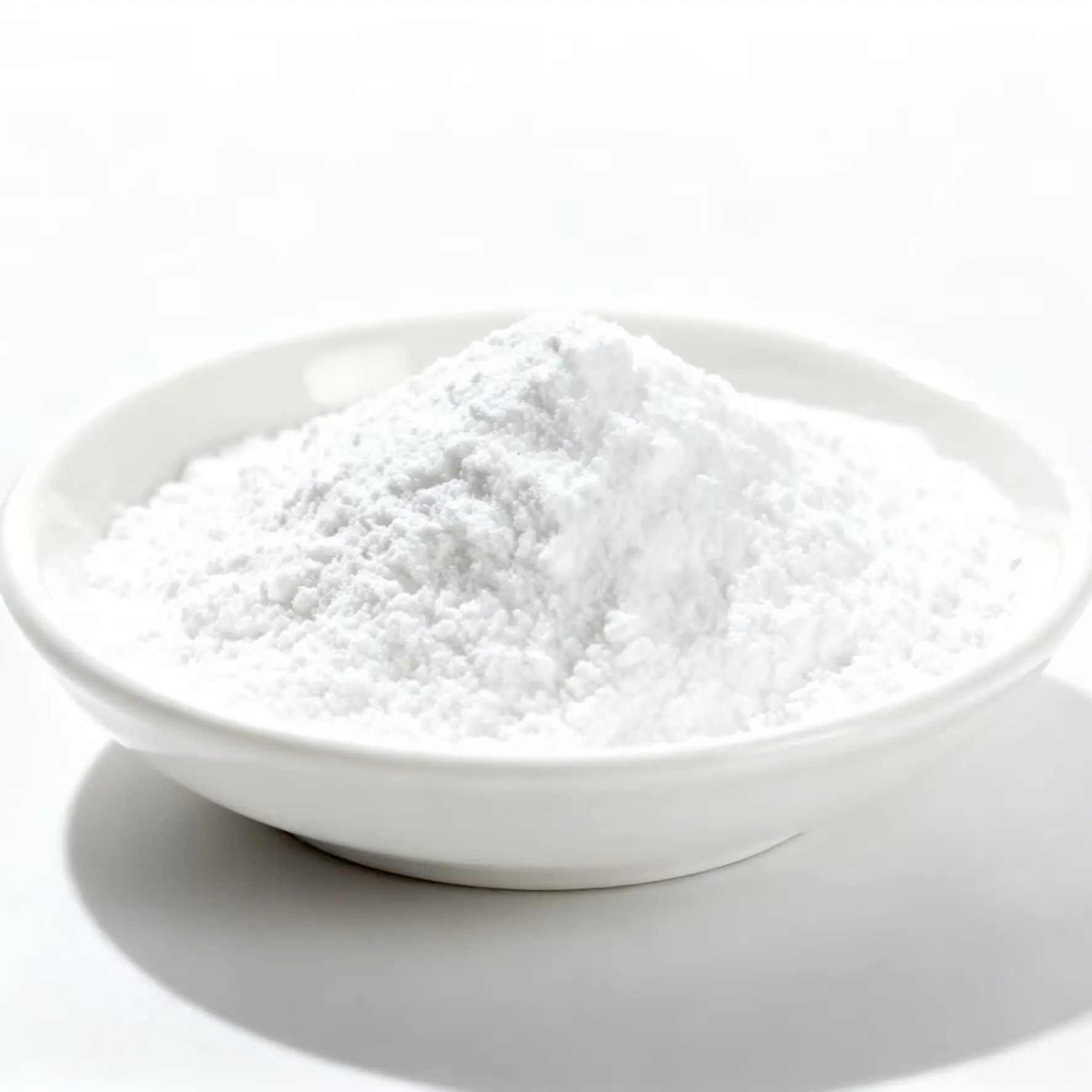
| Appearance | White, fine powder |
| Assay | ≥99.5% |
| Application | Ophthalmic medications and artificial tears |
| Function | Lubrication and moisturization |
| Solubility | Soluble in water |
| Heavy metals | ≤10ppm |
| Protein | ≤0.1% |
| Bacterial endotoxins | ≤0.5IU/mg |
| Source | Microbial fermentation |
| Packaging | 100g/foil bag, 1kg/foil bag or as per customer's request. |
| Shelf life | 2 years |
| Storage conditions | Avoid light, refrigerate 2°C~10°C, seal container. |
Eye drop grade hyaluronic acid, due to its excellent moisturizing ability, forms a stable, hydrated protective film on the ocular surface. Used in artificial tears, it relieves dry eyes, stinging, and fatigue, improving eye comfort.
Its good viscoelasticity allows it to stay on the ocular surface longer, effectively reducing friction and improving dryness and foreign body sensation when viewing objects. Commonly used for daily care or by people who use their eyes for extended periods.
Adding hyaluronic acid to contact lens care or lubricating solutions improves lens lubrication and wearing comfort, reducing dryness and discomfort.
High purity hyaluronic acid is used in certain ophthalmic surgical aids (such as cataract surgery) to help maintain intraocular space and protect corneal tissue.
Utilizing the gentle, moisturizing, and restorative properties of hyaluronic acid, these are eye drops used to aid in ocular surface repair after surgery or laser treatment.
A1: This ophthalmic grade Hyaluronic Acid is primarily used in artificial tears, lubricating eye drops, contact lens care solutions, viscoelastic solutions for ophthalmic surgery, and post-operative eye repair formulations.
A2: Our Hyaluronic Acid is obtained through microbial fermentation. It features high purity with an assay level of ≥99.5%, making it highly effective and safe for ocular applications.
A3: It exhibits excellent water-binding capacity and viscoelasticity. When used in eye drops, it forms a long-lasting, hydrating film over the ocular surface to minimize friction and alleviate symptoms of dryness and irritation.
A4: The product should be stored in a tightly sealed container, kept away from direct light, and refrigerated at temperatures between 2°C and 10°C to ensure optimal stability.
A5: To meet stringent ophthalmic requirements, heavy metal content is restricted to ≤10ppm, protein content to ≤0.1%, and bacterial endotoxins to ≤0.5IU/mg.