
China Injection Grade Hyaluronic Acid Powder Professional Supply Factories, Factory

Injection grade hyaluronic acid is a high molecular weight physiologically active substance produced through streptococcal fermentation. As a core raw material for high-end medical devices and pharmaceuticals, it possesses extremely high biocompatibility, non-immunogenicity, and excellent viscoelasticity. Hyaluronic acid is manufactured in strict accordance with GMP standards, and its impurity control is far more stringent than that of cosmetic and food-grade standards.

Product Description

Product Specification

Product Name Hyaluronic Acid
Chemical Formula (C14H21NO11)n
Chemical Structure
Hyaluronic Acid Chemical Structure
CAS No. 9004-61-9
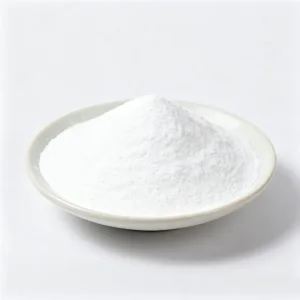
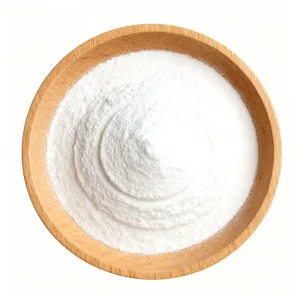
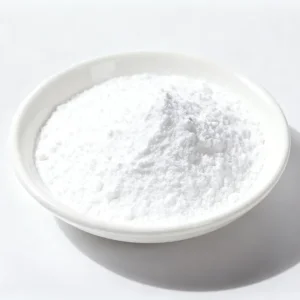
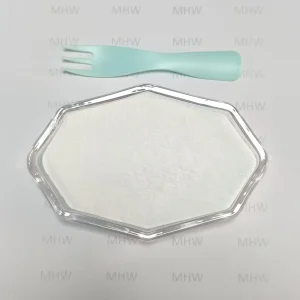
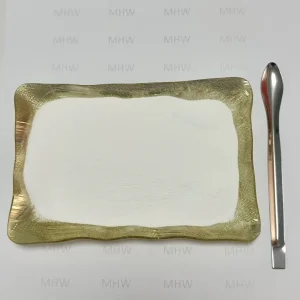
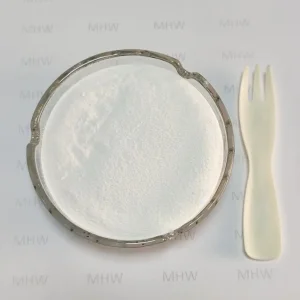
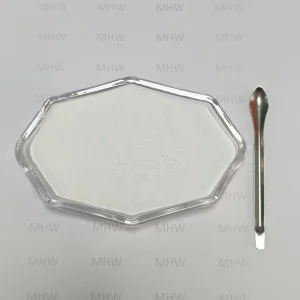
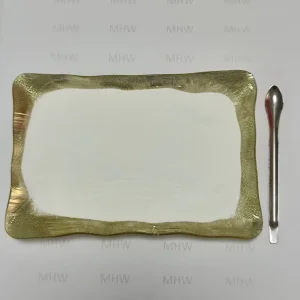
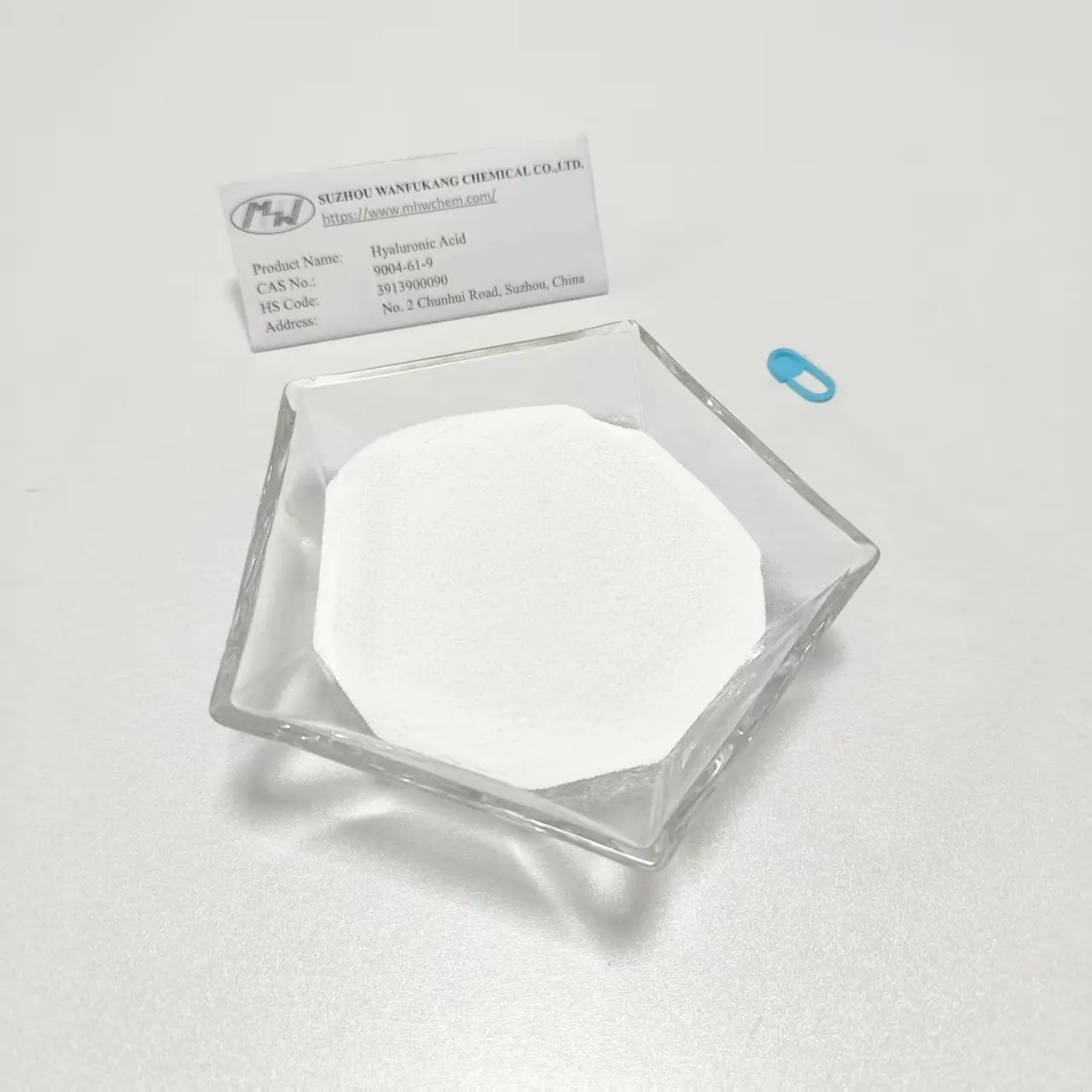
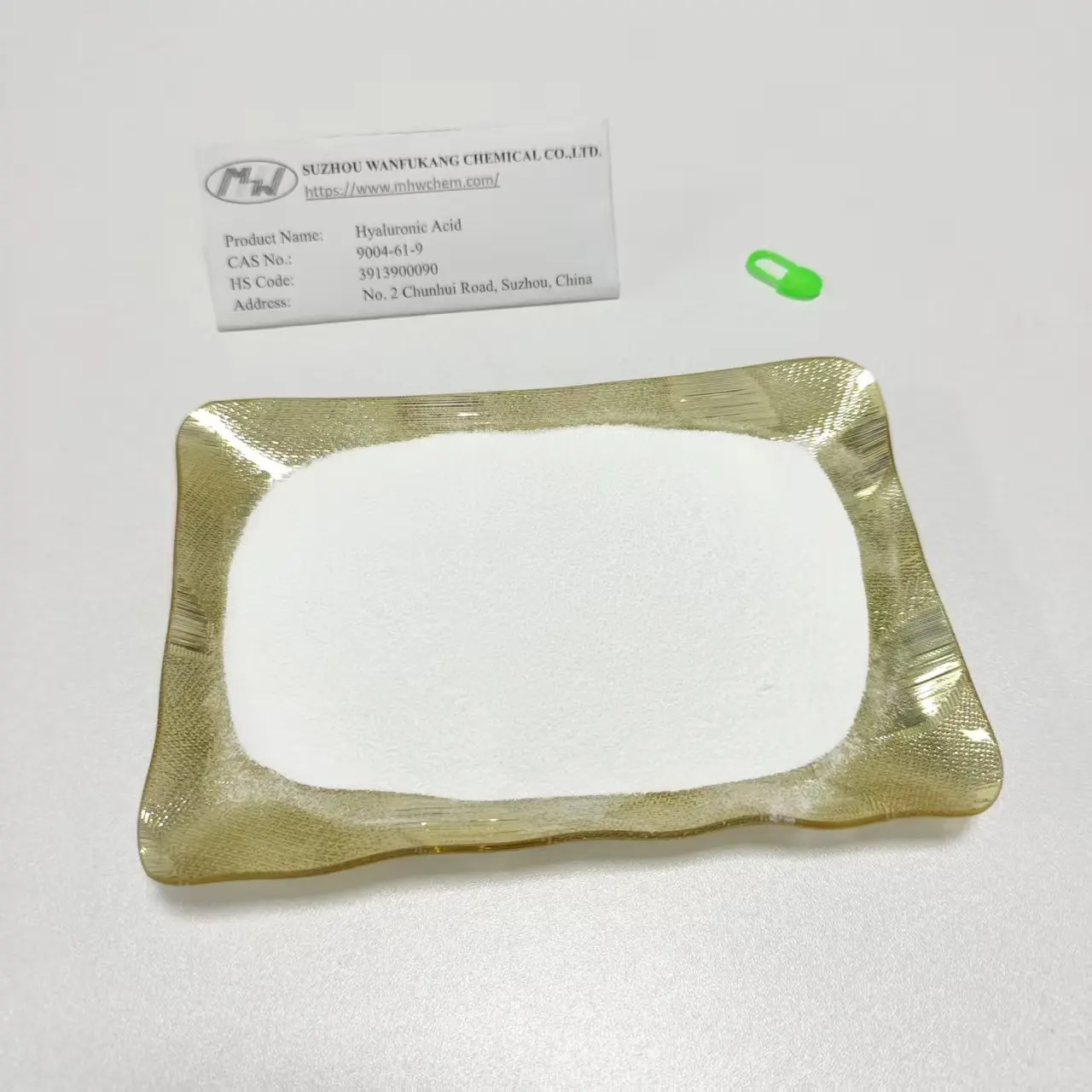
Appearance White, fine powder
Assay 95.0%~105.0%
Solubility Soluble in water
Heavy metals ≤10ppm
Protein ≤0.1%
Bacterial endotoxins ≤0.05IU/mg
Source Microbial fermentation

Core Product Advantages

High Safety
Produced through non-animal fermentation, completely avoiding the risk of animal-derived viruses.
Ultra-Low Endotoxin
Optimized purification processes ensure endotoxin levels are far below industry standards, significantly reducing the risk of post-injection inflammatory reactions.
Excellent Stability
Packaged under strictly controlled conditions, showcasing excellent physicochemical stability for a long shelf life.
Customizable
Molecular weight distribution can be precisely controlled to meet various formulation needs, from thin liquids to highly viscous gels.

Key Application Areas

01 Medical Aesthetics
Used in the manufacture of soft tissue fillers. Formulated into injectable cross-linked gels for facial contouring, wrinkle filling, and lip augmentation.
02 Ophthalmic Surgical Adjuncts
Acts as a core component of ophthalmic viscoelastic agents for cataract extraction, intraocular lens implantation, and glaucoma surgery, protecting corneal endothelial cells.
03 Orthopedics & Joint Treatment
Used in intra-articular injection solutions to reduce joint wear and tear and alleviate pain caused by osteoarthritis by supplementing synovial fluid viscoelasticity.
04 Postoperative Adhesion Prevention
Formulated into anti-adhesion films or gels for use after abdominal, pelvic, and other surgical procedures to prevent abnormal tissue adhesions.

Quality System & Document Support

Traceability System: Each batch of products has complete and rigorous production and testing records.
Certification: The production facility complies fully with the ISO 9001 quality management system.
Document Support: Detailed Certificate of Assessment (COA), MSDS (Material Safety Data Sheet), and other documents required for regulatory registration are provided.
Packaging Specifications: Common packaging is 100g or 1kg aluminum foil vacuum packaging, or aseptic packaging tailored to customer requirements.

Storage & Shelf Life

  • Storage Conditions: Refrigerate at 2°C~10°C, keep away from light and moisture, and store in an airtight container.
  • Handling Recommendations: Highly hygroscopic; use as soon as possible after opening. If not completely used, reseal immediately and store in a refrigerated environment.
  • Shelf Life: Under suitable and compliant storage conditions, the shelf life is 24 months.

Frequently Asked Questions (FAQ)

What is the source of your Hyaluronic Acid?
Our Hyaluronic Acid is produced through microbial fermentation. It is completely non-animal derived, which eliminates any risks associated with animal-borne viruses and ensures high biological safety.
How do you control the quality and endotoxin levels?
We employ optimized purification processes that keep bacterial endotoxins ultra-low (≤0.05IU/mg). This significantly reduces the potential for inflammatory reactions post-application.
Can the molecular weight of the Hyaluronic Acid be customized?
Yes. The molecular weight distribution of our Hyaluronic Acid can be precisely controlled during production to meet various application requirements, ranging from thin liquids to highly viscous gels.
What documentation do you provide for regulatory support?
We provide a comprehensive Certificate of Analysis (COA), Material Safety Data Sheets (MSDS), and other necessary documents to support regulatory registrations and audits.
What are the recommended storage conditions?
The product should be kept refrigerated at 2°C~10°C, away from light and moisture, in an airtight container. Since it is highly hygroscopic, it is recommended to use it as soon as possible after opening or reseal it immediately.

Related Products