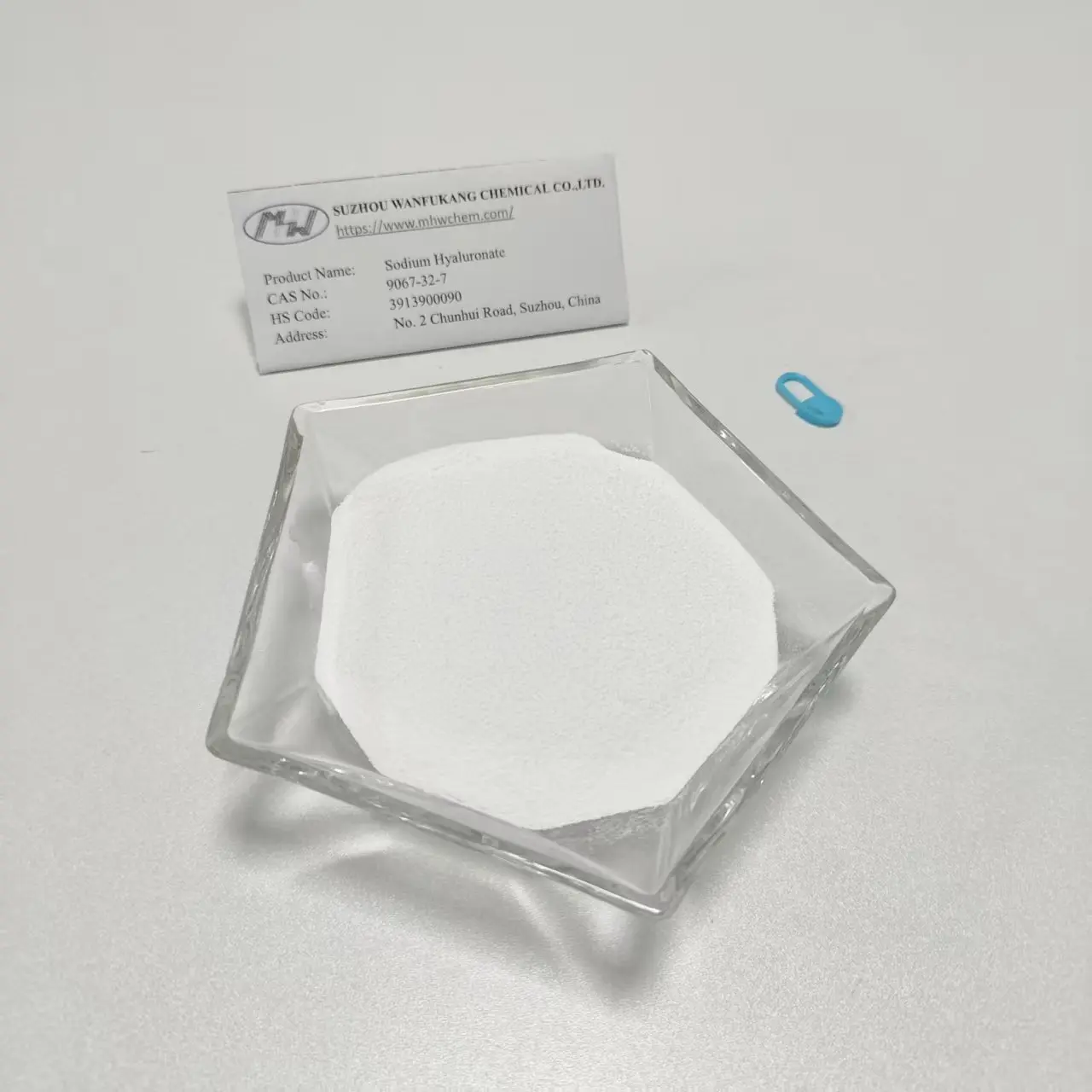
1 / 3

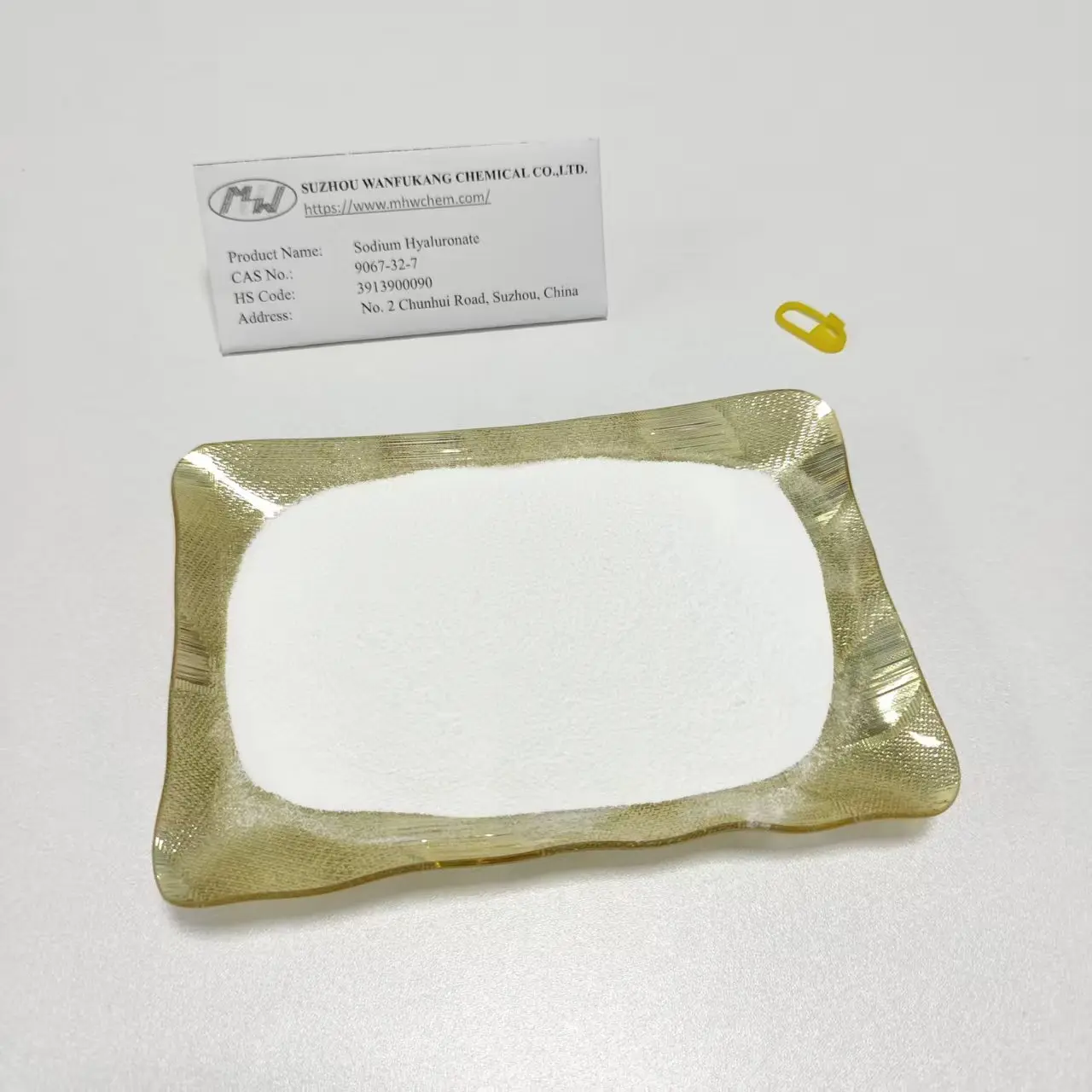
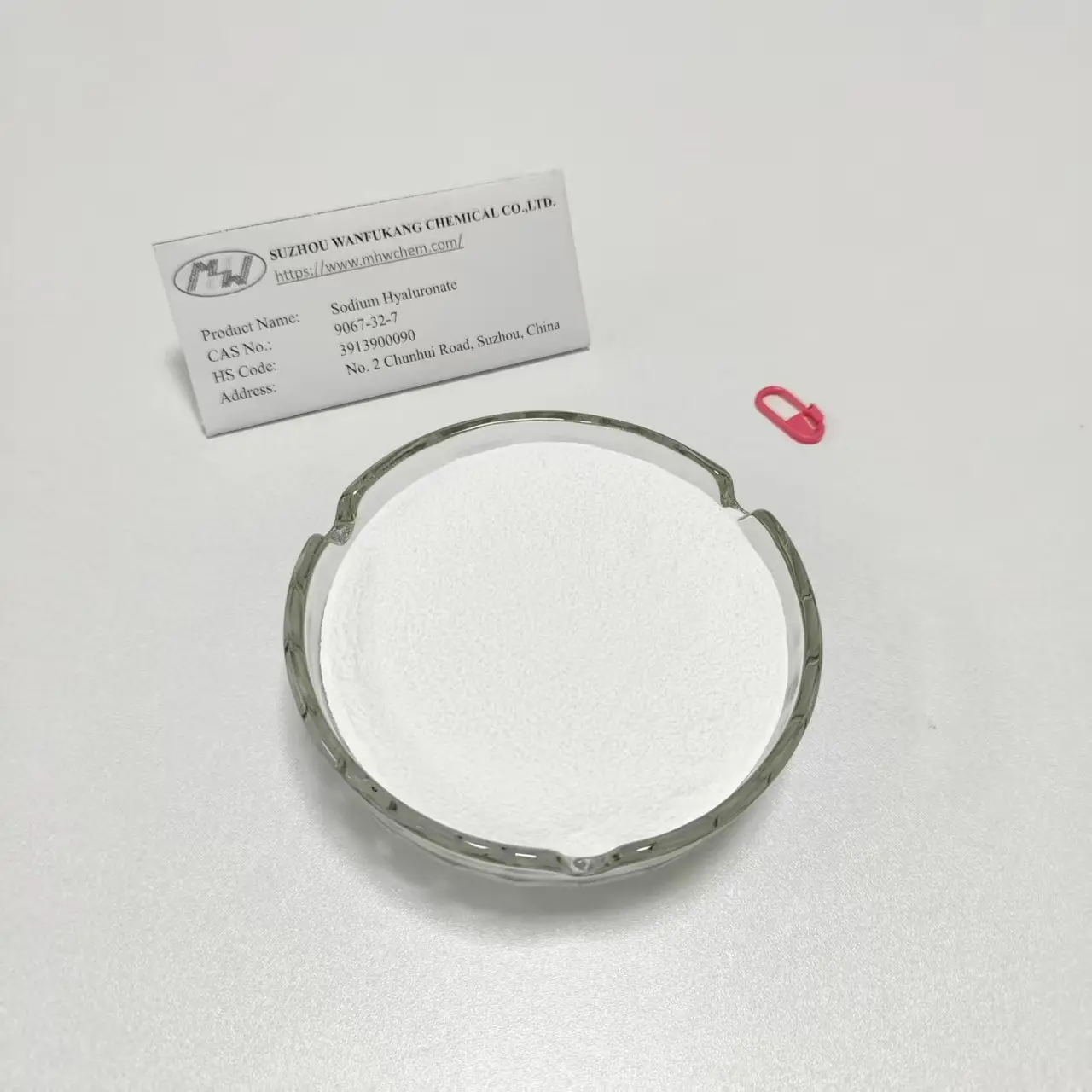
| Product Name | Sodium Hyaluronate |
| Chemical Formula | (C14H20NNaO11)n |
| Chemical Structure |

|
| CAS No. | 9067-32-7 |
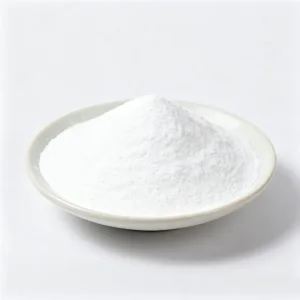
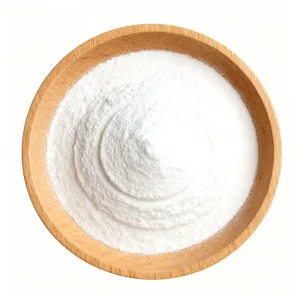
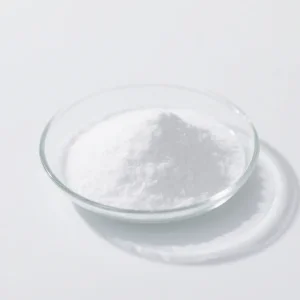
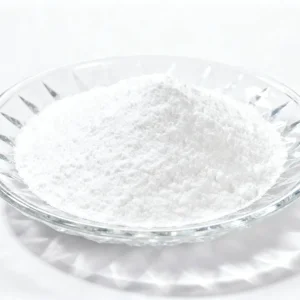
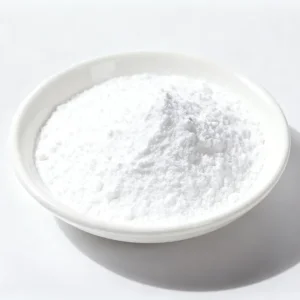
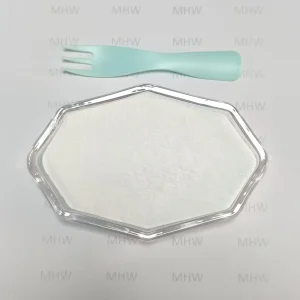
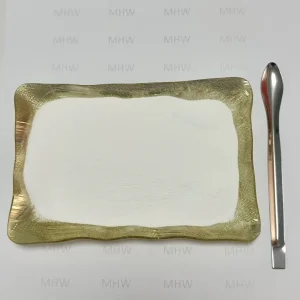
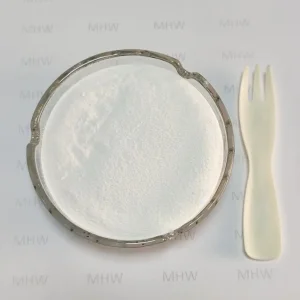
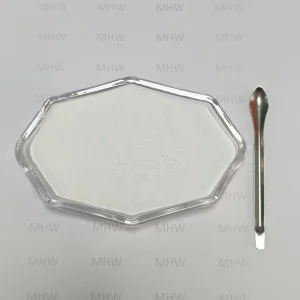
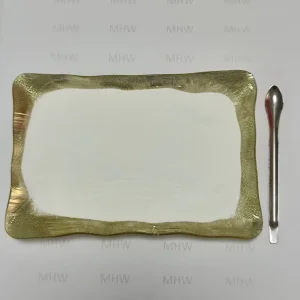
| Appearance | White, fine powder |
| Assay | ≥99.5% |
| Solubility | Soluble in water |
| Heavy metals | ≤10ppm |
| Protein | ≤0.1% |
| Bacterial endotoxins | ≤0.5IU/mg |
| Source | Microbial fermentation |
Produced using pharmaceutical-grade processes with strict control over endotoxins, heavy metals, and microbial limits, meeting the requirements for direct ophthalmic use.
With strong hydrophilicity, sodium hyaluronate forms a moisturizing film on the ocular surface and contact lenses, reducing dryness and friction.
Highly similar to natural tear components, sodium hyaluronate is gentle and non-irritating to ocular tissues, making it suitable for sensitive eyes.
Forms a stable lubricating layer on the lens surface, effectively alleviating discomfort and dryness associated with contact lens wear.
Compatible with a wide range of common ophthalmic excipients (e.g., electrolytes, buffer systems, preservative systems), making it suitable for various dosage form developments.
Sodium hyaluronate molecules bind strongly with water molecules, rapidly forming a uniform hydration film on the ocular surface and contact lenses. This hydrated layer effectively maintains a local moist environment, reducing dryness and water loss.
By increasing the viscoelasticity and water-holding capacity of tears, sodium hyaluronate delays tear film breakup time and promotes more even tear distribution across the corneal surface, thereby enhancing overall tear film stability.
During blinking, sodium hyaluronate creates a lubricating interface between the contact lens and the cornea, reducing frictional resistance and alleviating foreign body sensation, dryness, and mild irritation caused by mechanical friction.
The high-molecular-weight structure of sodium hyaluronate provides excellent water-locking capability, slowing down tear evaporation, extending the duration of ocular surface hydration, and enhancing sustained comfort.
By optimizing lens surface lubrication and biocompatibility, sodium hyaluronate helps reduce dryness and discomfort during lens wear, improving tolerance and comfort for long-term wear.
This Sodium Hyaluronate is produced through microbial fermentation, which ensures high purity, consistent quality, and excellent safety profiles for sensitive applications.
Yes. It is manufactured under ophthalmic-grade high safety standards. We strictly control endotoxins (≤0.5IU/mg), heavy metals, and protein content, making it highly biocompatible and safe for direct ocular use.
It forms a stable hydrated protective film on the contact lens surface, which reduces friction between the lens and cornea during blinking. This helps alleviate dryness, mechanical irritation, and foreign body sensations.
Yes, it features excellent formulation compatibility. It integrates smoothly with common ophthalmic ingredients, including standard buffer systems, electrolytes, and preservatives.
The product possesses strong water-binding properties. It locks in moisture and slows down tear evaporation, which stabilizes the tear film and extends overall hydration comfort on the eye surface.