1 / 3

| Model Number | FU-2026030 |
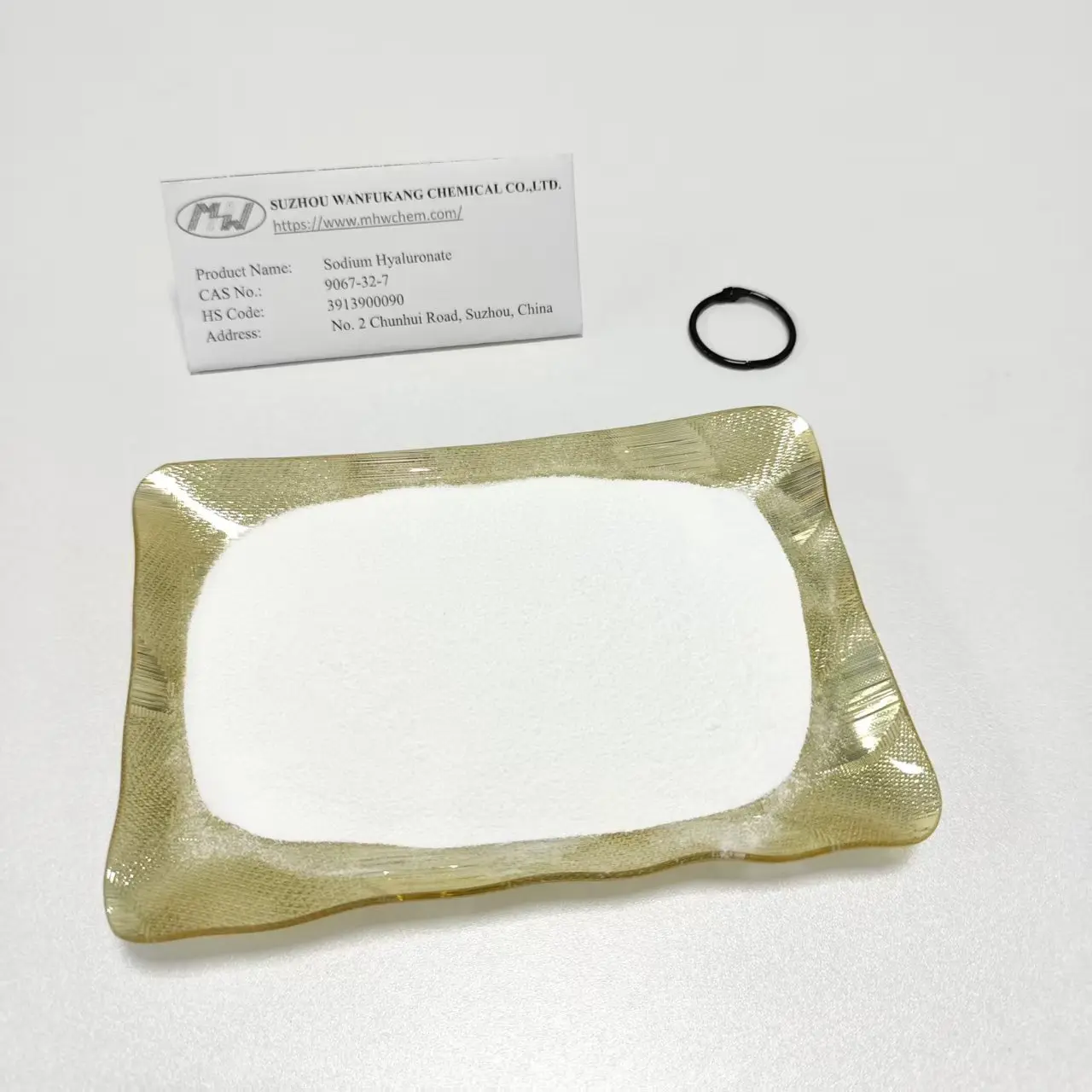
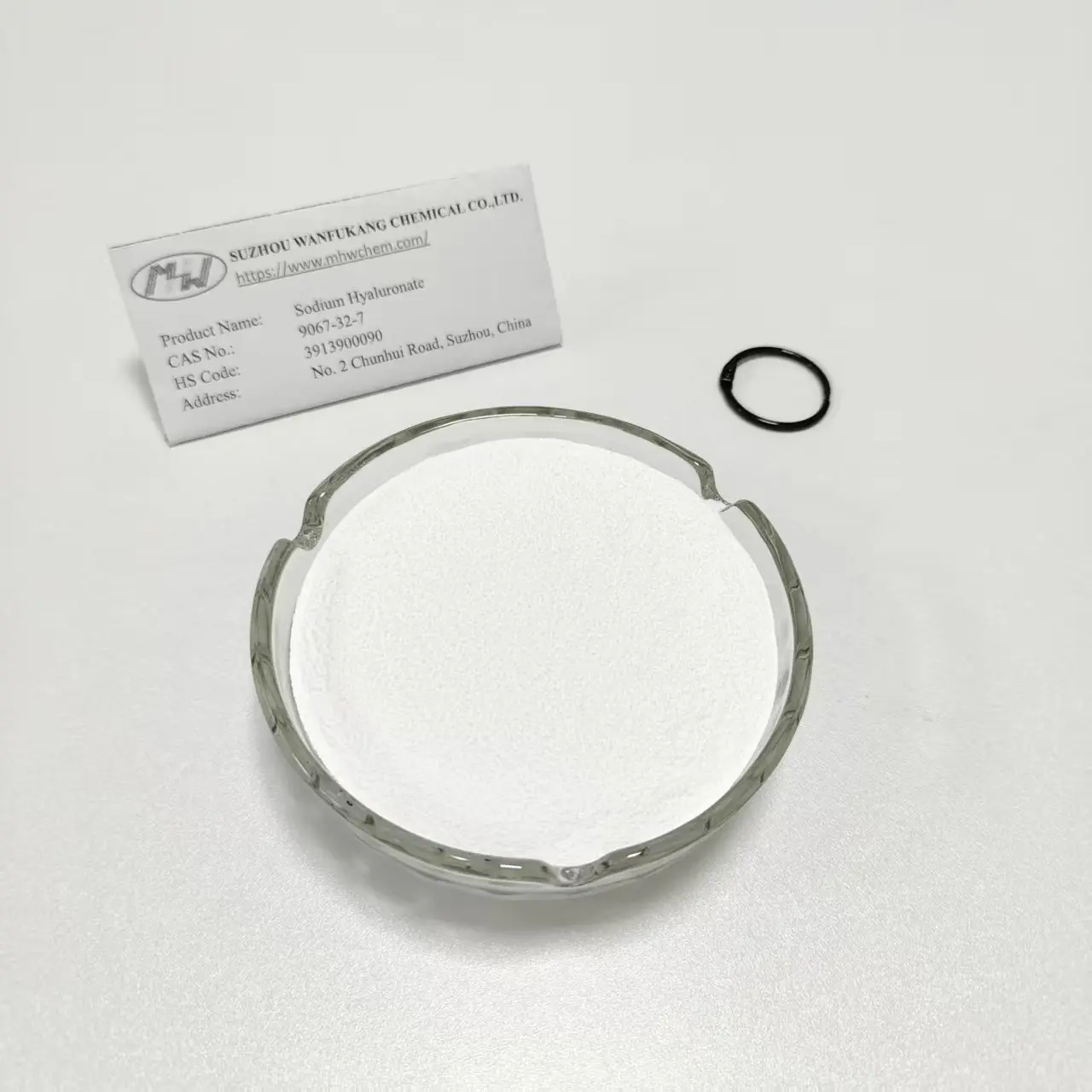
| Product Name | Sodium Hyaluronate |
| Chemical Formula | (C14H20NNaO11)n |
| Chemical Structure |

|
| CAS No. | 9067-32-7 |
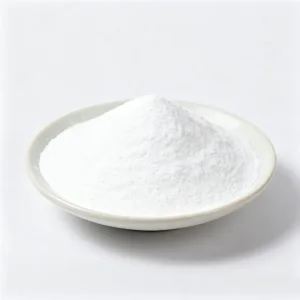
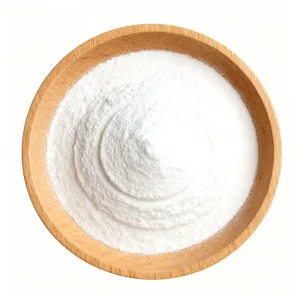
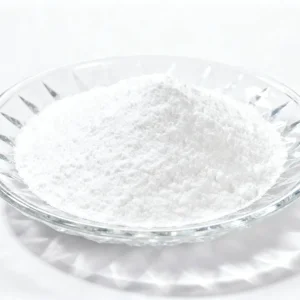
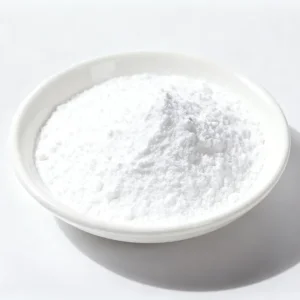
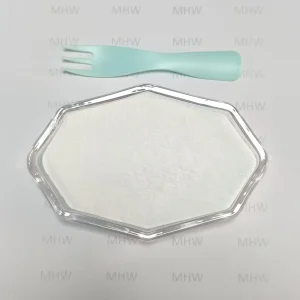
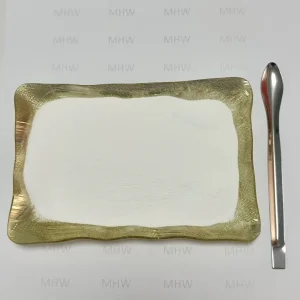
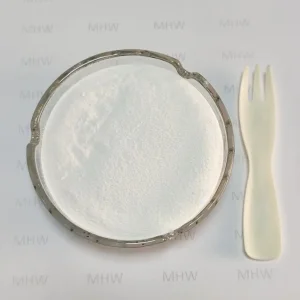
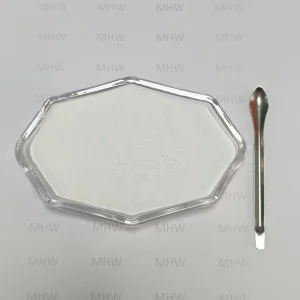
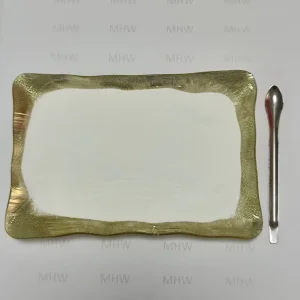
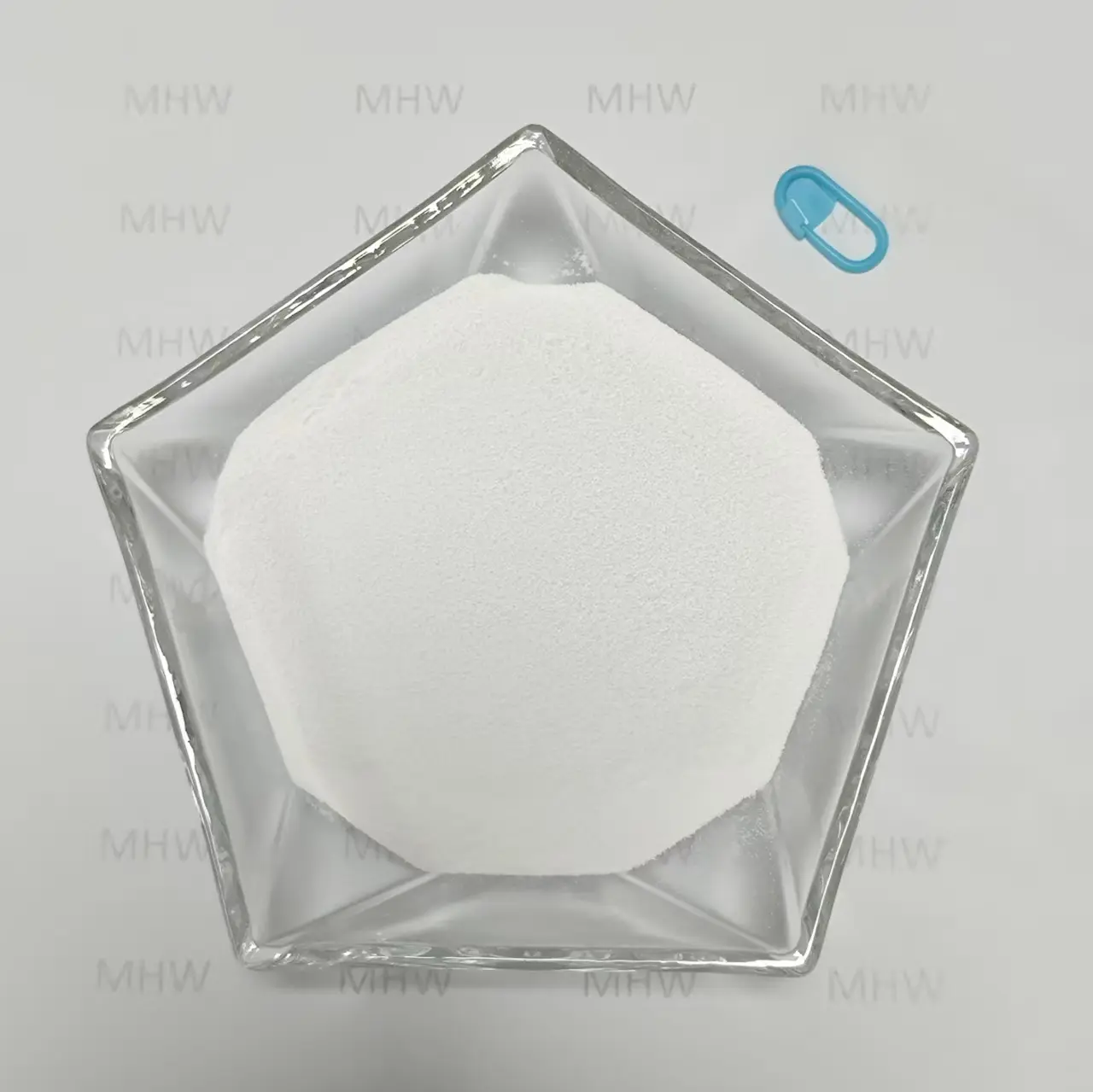
| Appearance | White, fine powder |
| Assay | 95.0%~105.0% |
| Solubility | Soluble in water |
| Heavy metals | ≤ 10ppm |
| Protein | ≤ 0.1% |
| Bacterial endotoxins | ≤ 0.05IU/mg |
| Source | Microbial fermentation |
Naturally present in the human body's dermis, synovial fluid, and vitreous humor, with no immune rejection or racial differences.
A single sodium hyaluronate molecule can bind 500-1000 times its own weight in water, maintaining local tissue hydration and elasticity.
Gradually degraded into monosaccharides by hyaluronidase in the body, with non-toxic and harmless metabolites and no residue accumulation.
Eliminated of allergens such as proteins, nucleic acids, and heavy metals; endotoxin control is stringent, meeting injection safety requirements.
Viscosity and elasticity can be adjusted through molecular weight and cross-linking processes, adapting to different injection scenarios.
Non-pathogenic, high-hyaluronic acid-producing strains are selected, and multiple tests confirm no exogenous contamination.
Controlled fermenter culture with precise temperature, pH, and dissolved oxygen control ensures stable polysaccharide polymerization.
Multi-stage filtration, alcohol precipitation, ion exchange, and ultrafiltration remove impurities such as proteins, nucleic acids, and pigments.
Vacuum freeze-drying maintains the integrity of the polysaccharide molecular structure, yielding high-purity powder.
Aseptic dispensing, irradiation/moist heat sterilization, with a completely closed system to prevent secondary contamination.
Physicochemical, microbiological, and safety indicators are tested batch by batch; only batches that pass the tests are released.
Protect from light, seal tightly, and store in a cool, dry place below 2-10°C. Avoid freezing, high temperatures, and direct sunlight.
Transport at room temperature, away from light. Avoid squeezing and collisions; maintain packaging integrity throughout the journey.
The product is derived from microbial fermentation, utilizing non-pathogenic, high-hyaluronic acid-producing strains that are thoroughly tested to confirm zero exogenous contamination.
It is naturally present in the human body's dermis, synovial fluid, and vitreous humor. This natural compatibility means it triggers no immune rejection or racial differences.
A single sodium hyaluronate molecule has outstanding moisturizing properties and can bind 500 to 1,000 times its own weight in water, helping to maintain local tissue hydration and elasticity.
The product should be sealed tightly, protected from light, and stored in a cool, dry place at temperatures between 2-10°C. You should avoid freezing, high temperatures, and direct sunlight.
Yes. It features high purity with allergens like proteins, nucleic acids, and heavy metals eliminated. The endotoxin levels are strictly controlled (≤ 0.05IU/mg), meeting stringent injection safety standards.
It is biodegradable. The substance is gradually broken down into simple monosaccharides by the body's natural hyaluronidase, leaving behind non-toxic, harmless metabolites with no residue accumulation.