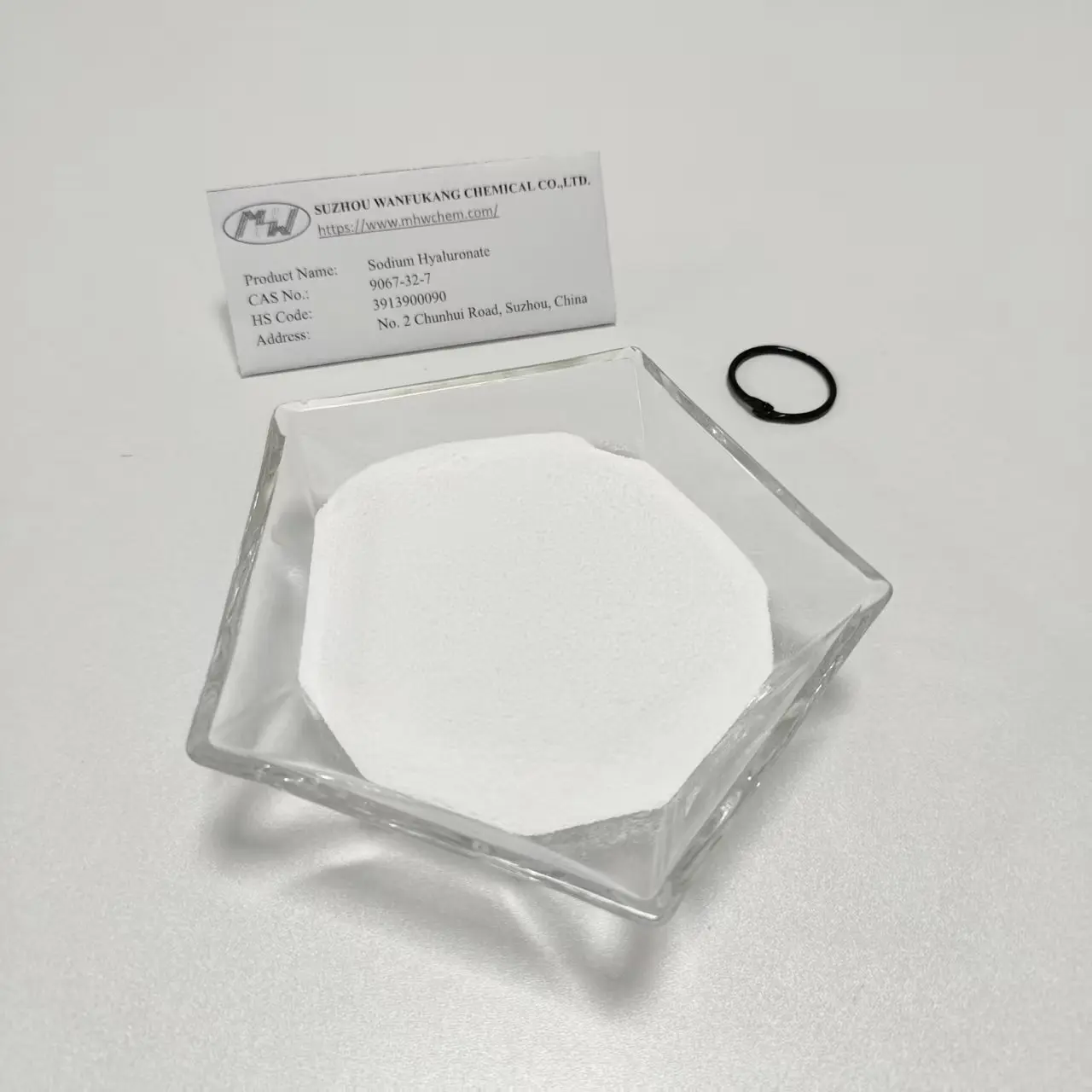
1 / 3

| Product Name | Sodium Hyaluronate |
| Chemical Formula | (C14H20NNaO11)n |
| Chemical Structure |

|
| CAS No. | 9067-32-7 |
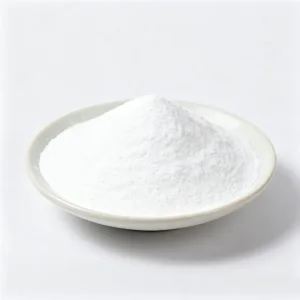
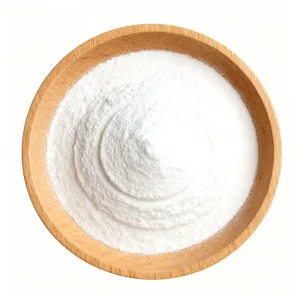
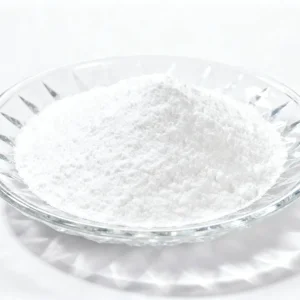
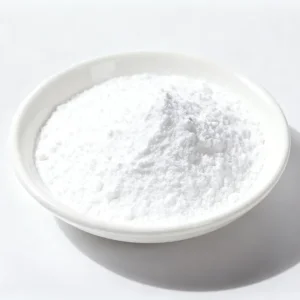
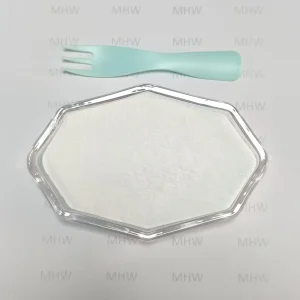
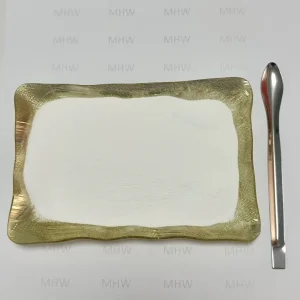
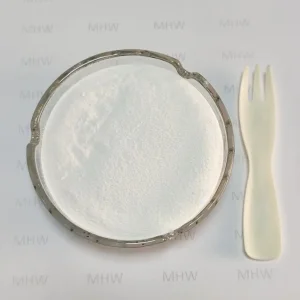
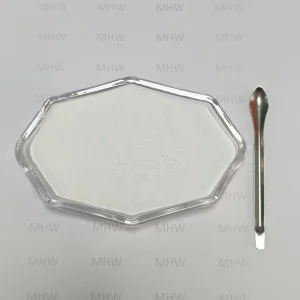
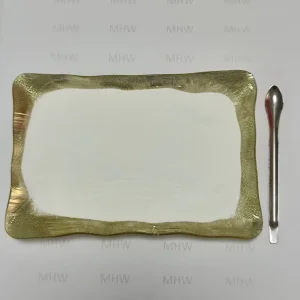
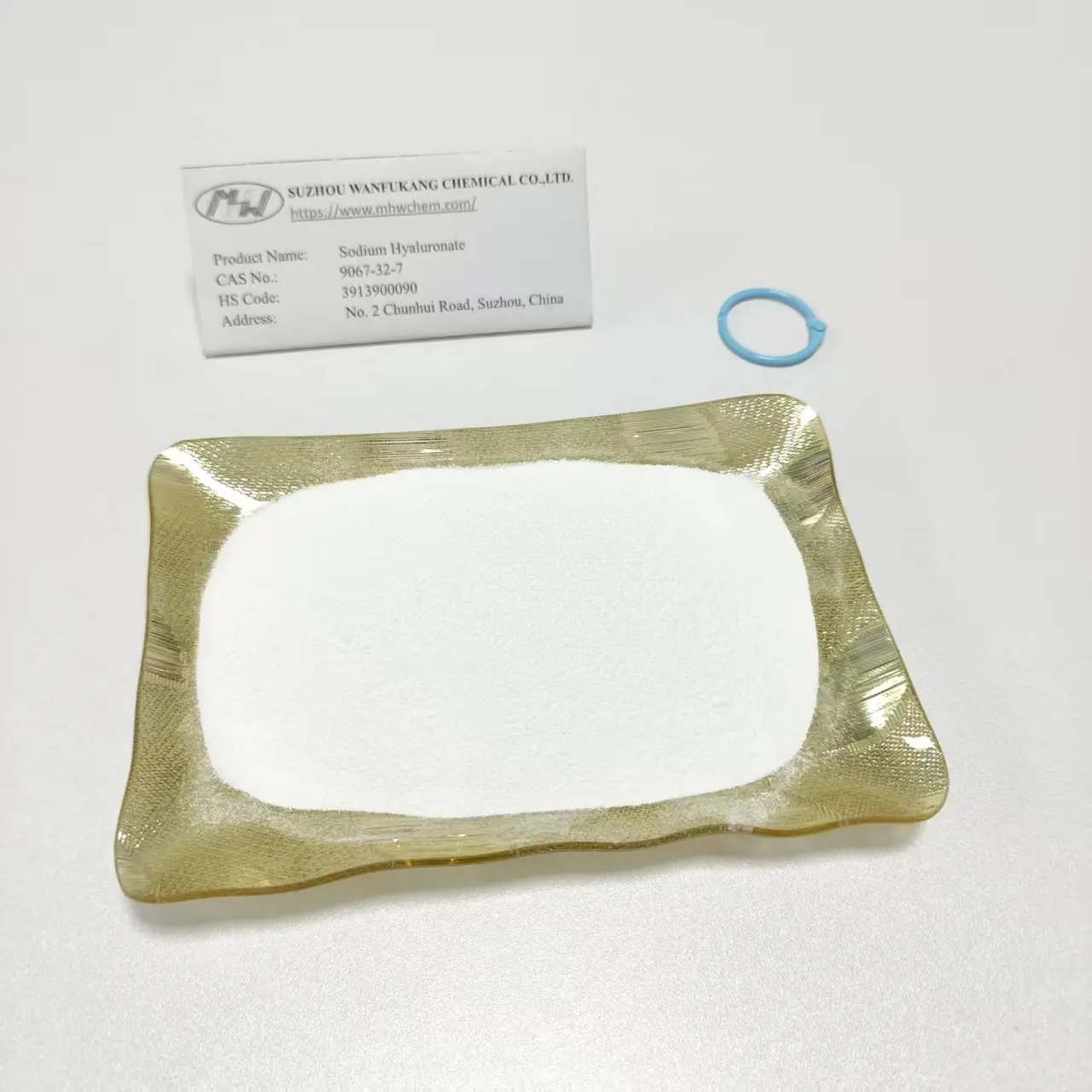
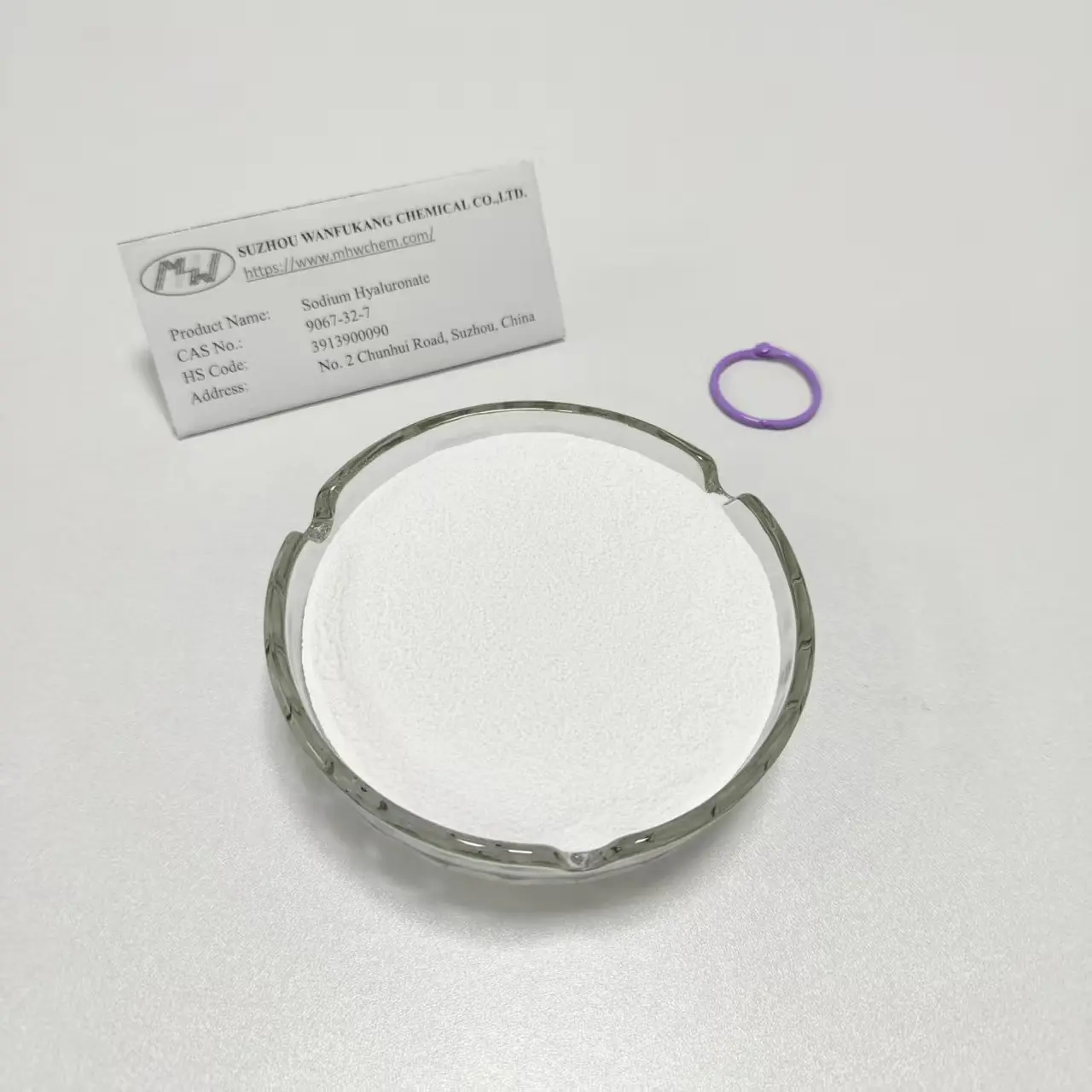
| Appearance | White, fine powder |
| Assay | ≥99.5% |
| Solubility | Soluble in water |
| Heavy metals | ≤10ppm |
| Protein | ≤0.1% |
| Bacterial endotoxins | ≤0.5IU/mg |
| Source | Microbial fermentation |
Sodium hyaluronate is produced using advanced fermentation and multi-stage purification processes, resulting in low impurity content and strict endotoxin control, ensuring safety for ophthalmic use.
Sodium hyaluronate has extremely strong water-retention capacity, forming a uniform hydration film on the corneal surface to maintain moisture for a long time.
Sodium hyaluronate exhibits high viscosity under low shear conditions, helping to prolong the residence time of the solution on the ocular surface; it also maintains good fluidity during blinking, improving comfort.
As a naturally occurring substance in the human body, hyaluronic acid is unlikely to cause irritation or immune reactions, making it suitable for long-term use.
Sodium hyaluronate molecules have extremely strong hydrophilicity, allowing them to bind and lock in a large amount of water, forming a stable hydration protective layer on the corneal surface. This significantly improves ocular surface moisture, relieving dryness and irritation.
Sodium hyaluronate's unique viscoelastic structure forms a uniform lubricating film on the ocular surface, effectively reducing friction between the eyelids and cornea, and minimizing discomfort and foreign body sensation during blinking.
Sodium hyaluronate works synergistically with tear fluid, enhancing tear film structural stability and delaying tear film breakup time, thereby reducing tear evaporation and improving dry eye symptoms.
Sodium hyaluronate provides a favorable moist microenvironment for corneal epithelial cells, aiding cell migration and regeneration, accelerating the recovery process of damaged ocular surface tissues, and is suitable for postoperative and mild injury adjunctive care.
Due to its excellent adhesion and viscoelastic properties, sodium hyaluronate can prolong its residence time on the ocular surface, improving the efficacy of the active ingredients in the formula and enhancing the user experience.
It is recommended to store in a tightly closed, dark, and dry place, at a temperature controlled between 2–10°C or in a cool, dark environment.
100g / 500g / 1kg aluminum foil bags. Custom packaging is available upon request.