1 / 3

| Product Name | Sodium Hyaluronate |
| Chemical Formula | (C14H20NNaO11)n |
| Chemical Structure |
|
| CAS No. | 9067-32-7 |
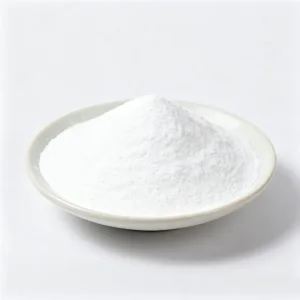
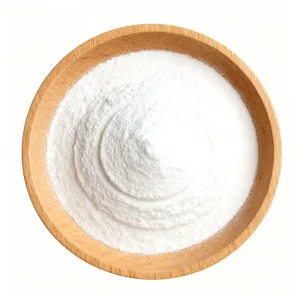
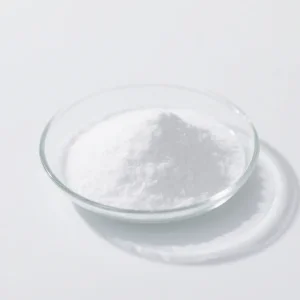
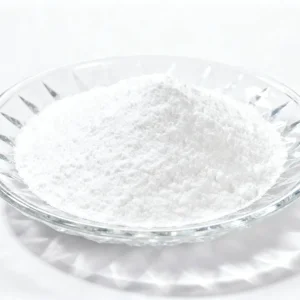
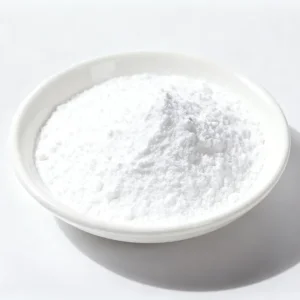
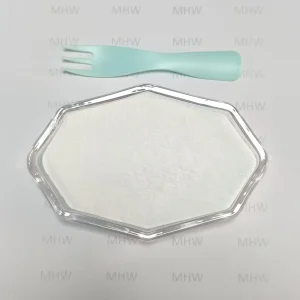
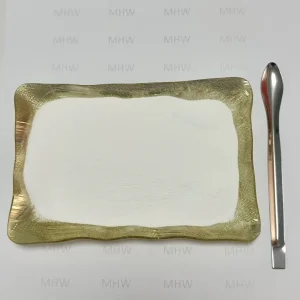
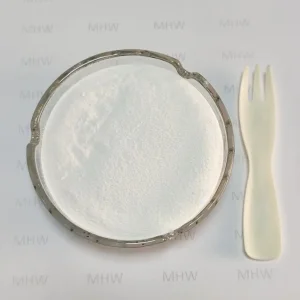
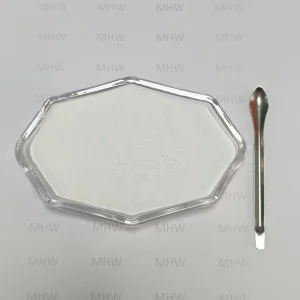
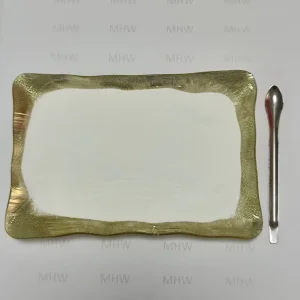
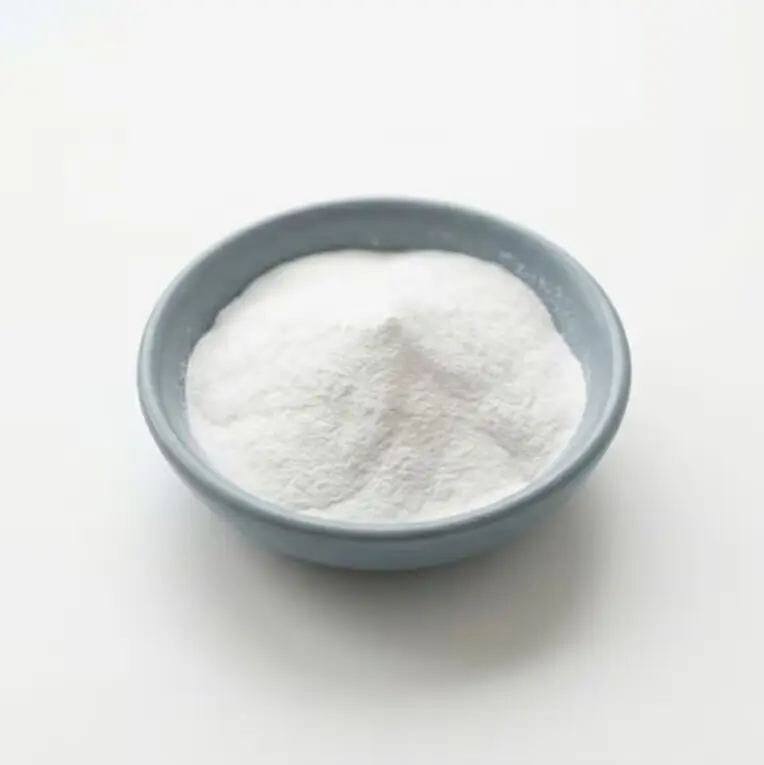
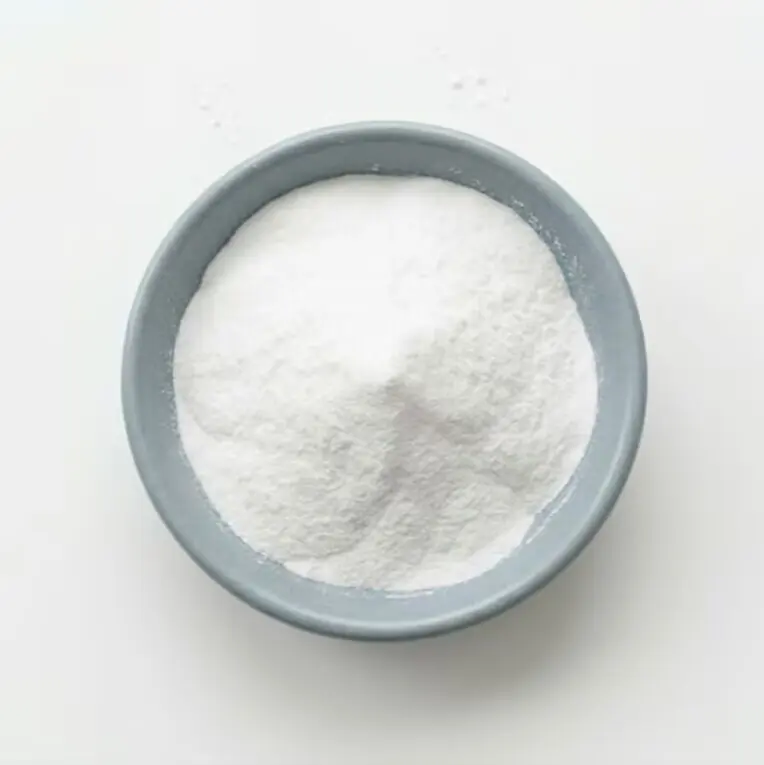
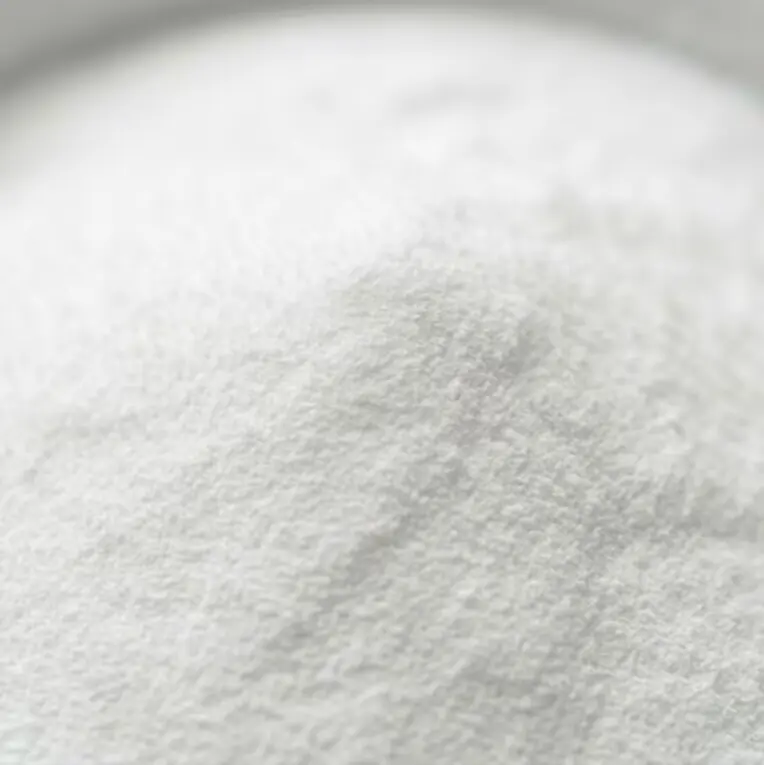
| Appearance | White, fine powder |
| Assay | 95.0%~105.0% |
| Solubility | Soluble in water |
| Heavy metals | ≤ 10ppm |
| Protein | ≤ 0.1% |
| Bacterial endotoxins | ≤ 0.05IU/mg |
| Source | Microbial fermentation |
| MOQ | 100 grams |
As a key raw material for hyaluronic acid gels, it is widely used in the research and development of skin filler and tissue repair products.
Used in ophthalmic viscoelastic agents and related medical products, providing excellent lubrication and tissue protection properties.
Applied in joint health-related research and products, offering vital lubrication and cushioning functions for joint care.
Utilized as a high-quality biomedical material in various medical devices and advanced tissue engineering applications.
Widely adopted in novel drug delivery systems, biomaterials design, and innovative tissue engineering research.
No. The sodium hyaluronate is produced using a microbial fermentation process and is a non-animal-derived hyaluronic acid.
Yes, we support small-sample requests to facilitate laboratory testing and product development for our clients.
Yes, we can provide comprehensive technical documents including the COA (Certificate of Analysis), TDS (Technical Data Sheet), and MSDS (Material Safety Data Sheet).
It is primarily used in medical aesthetics (hyaluronic acid fillers), ophthalmic viscoelastic agents, orthopedic joint health products, medical devices, and general biomedical research and development.
Our Sodium Hyaluronate features an assay of 95.0%~105.0%, with heavy metals kept at ≤10ppm and protein levels controlled at ≤0.1%, ensuring stable medical-grade and research performance.
The minimum order quantity for this product starts at 100 grams, which supports both initial research testing and industrial scaling.