
High-Quality Injectable Hyaluronic Acid Export Grade High Quality Product, Exporters

Injectable grade hyaluronic acid is produced using advanced streptococcal fermentation technology. As an "export-grade" high-quality raw material, its purity, safety, and stability all meet the standards of the European Pharmacopoeia. The product is specifically designed for medical aesthetic injections, orthopedic intra-articular injections, and ophthalmic surgery, exhibiting extremely high biocompatibility and non-immunogenicity.

Product Description

Product Specification

Product Name Hyaluronic Acid
Chemical Formula (C14H21NO11)n
Chemical Structure
Chemical Structure
CAS No. 9004-61-9
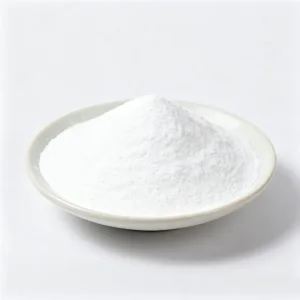
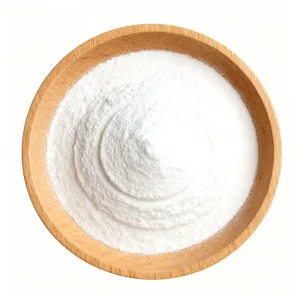
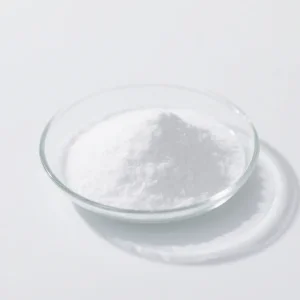
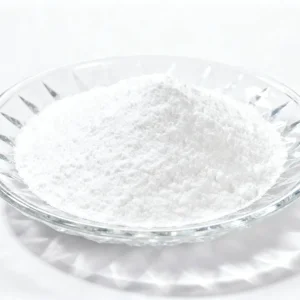
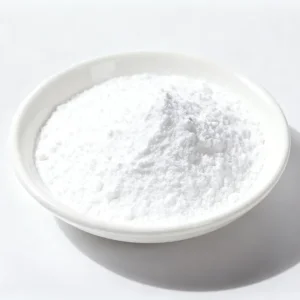
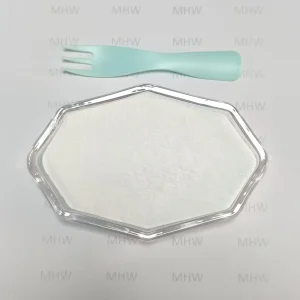
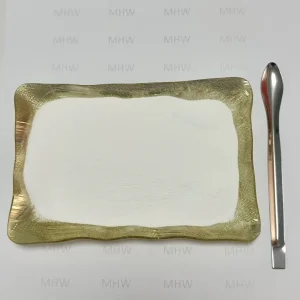
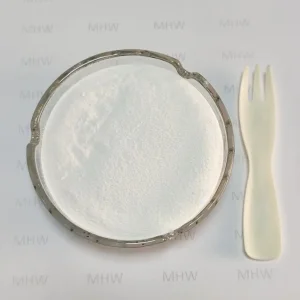
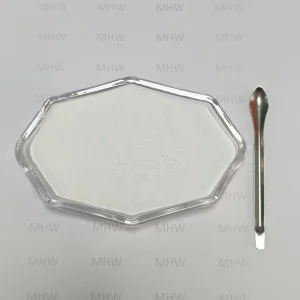
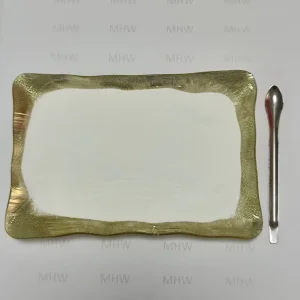
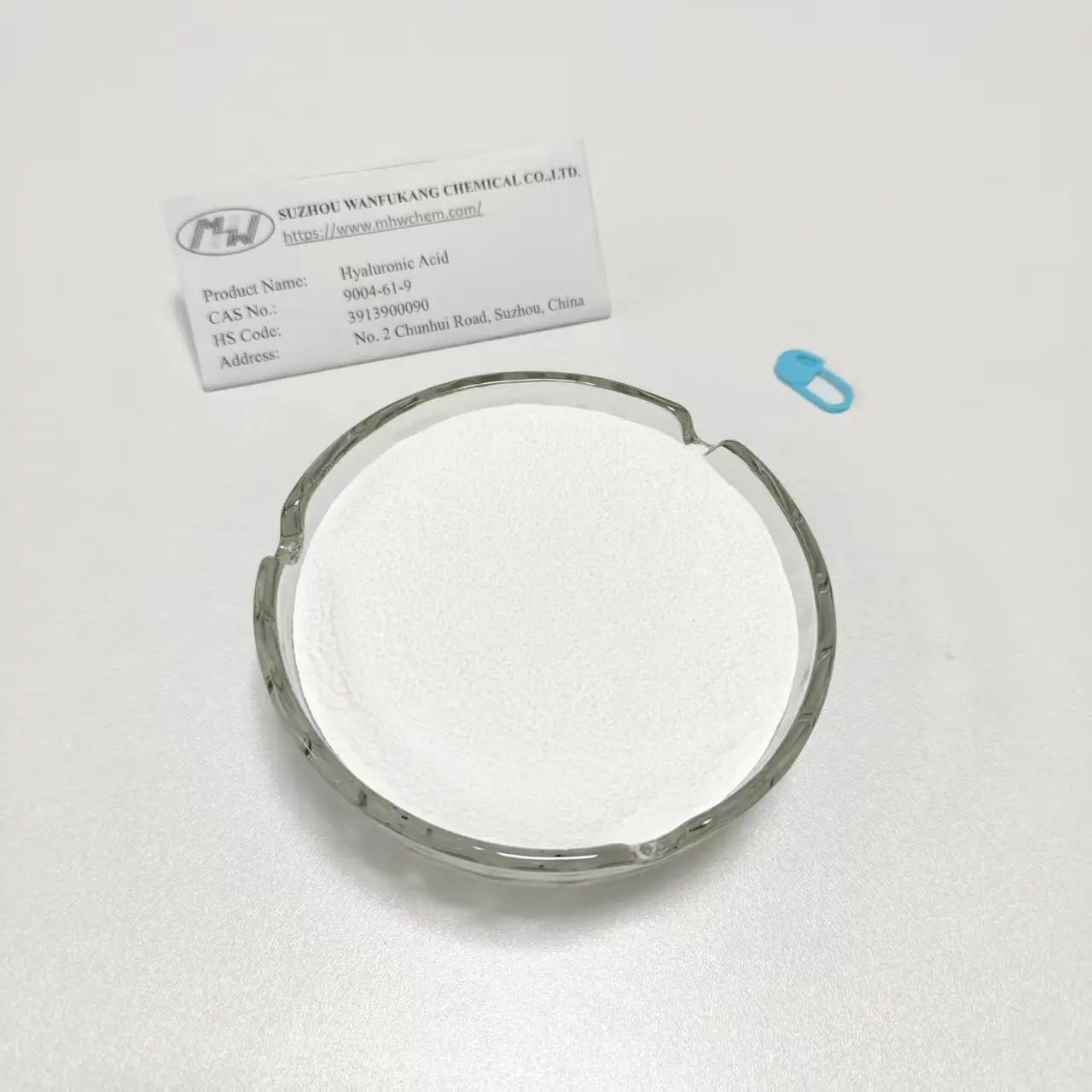
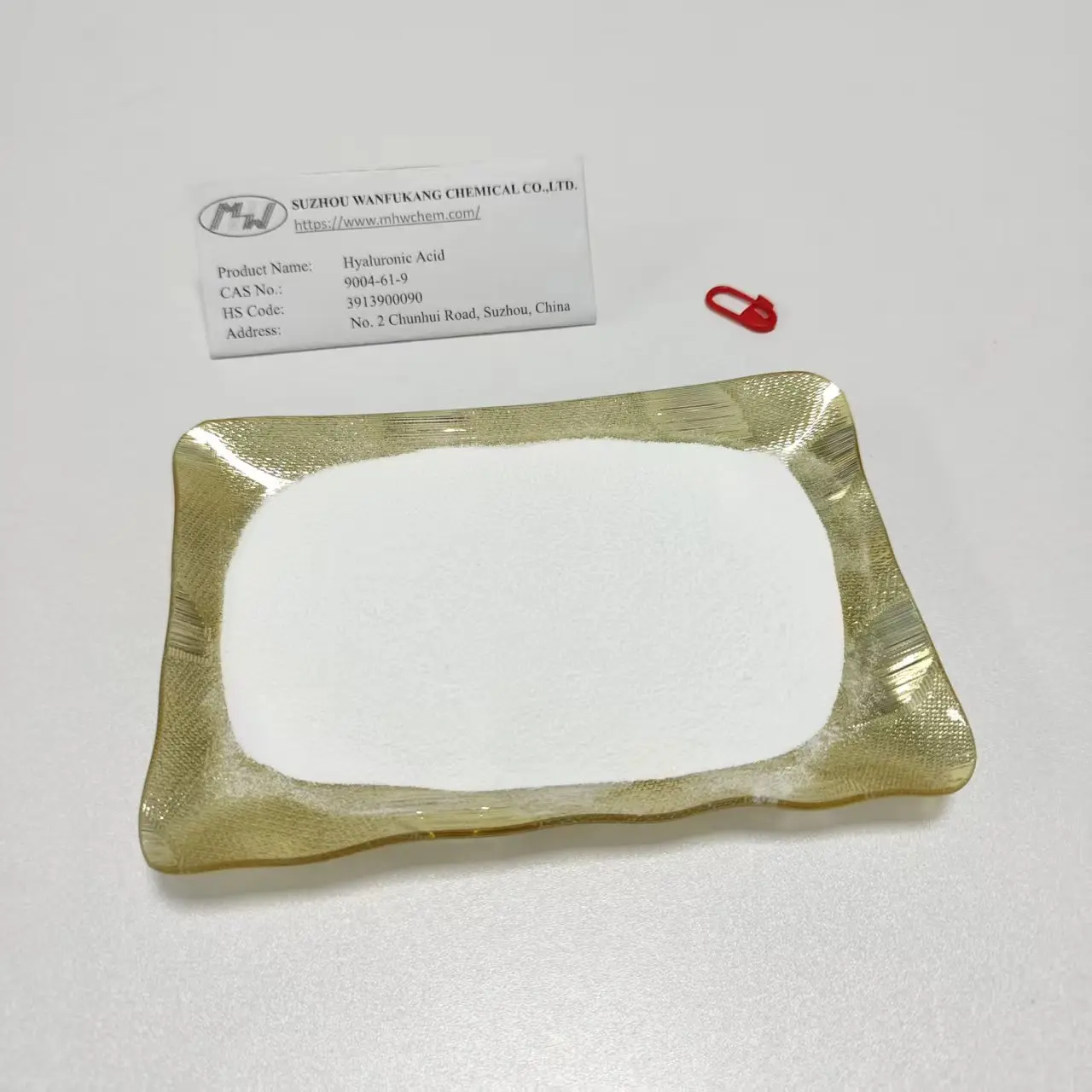
Appearance White, fine powder
Assay 95.0% ~ 105.0%
Solubility Soluble in water
Heavy metals ≤ 10ppm
Protein ≤ 0.1%
Bacterial endotoxins ≤ 0.05IU/mg
Source Microbial fermentation

Core Product Advantages

1. High Purity and Safety
  • Non-Animal Derivative: Produced through microbial fermentation, eliminating the risk of animal-derived virus transmission and allergic reactions.
  • Extremely Low Endotoxin: Endotoxin levels are below 0.05 IU/mg, significantly reducing the risk of post-injection redness, inflammation, and induration.
  • Impurity Control: Extremely low protein and nucleic acid residues ensure excellent tissue compatibility.
2. Superior Biocompatibility
  • Excellent Viscoelasticity: Possesses excellent support and shaping capabilities, preventing displacement after injection.
  • Long-Lasting Stability: Cross-linked products utilize a unique, highly efficient cross-linking technology, resulting in a more stable molecular structure and longer retention time in the body.
  • High Osmotic Pressure Balance: Osmotic pressure similar to that of human tissues, reducing swelling and pain during injection.
3. Export-Grade Quality Assurance
  • Compliance: The production base is GMP certified, and the product possesses international certifications.
  • Batch Stability: A rigorous quality control system ensures that the physicochemical properties of each batch of products are highly consistent.

Main Application Areas

1. Medical Aesthetics
  • Dermal Fillers: Used for lip augmentation, rhinoplasty, filling nasolabial folds, and facial contouring.
  • Mesotherapy: Deeply hydrates and improves skin elasticity and radiance.
2. Orthopedics
  • Joint Lubrication: Used to treat osteoarthritis, acting as a synovial fluid supplement to relieve joint friction and pain.
3. Ophthalmology
  • Viscoelastic Agent: Plays a role in protecting the corneal endothelium and maintaining surgical space during cataract extraction and intraocular lens implantation.

Packaging and Storage

  • Packaging Specifications: 100g, 1kg aluminum foil bags or pharmaceutical bottles.
  • Storage Conditions: Store in a cool, dry, and dark environment at 2–10°C, protected from moisture and high temperatures.
  • Shelf Life: 24 months (under standard storage conditions).

Frequently Asked Questions (FAQ)

Q1: What is the primary source of your Hyaluronic Acid?
A: Our Hyaluronic Acid is produced through microbial fermentation. It is 100% non-animal derived, which eliminates any risks of animal virus transmission and minimizes allergic reactions.
Q2: How safe is this product for injectables and medical applications?
A: The product is highly safe. It maintains an extremely low endotoxin level (below 0.05 IU/mg), which significantly reduces common post-injection complications such as redness, swelling, and inflammation. It also boasts ultra-low protein and nucleic acid residues.
Q3: What are the recommended storage conditions for this Hyaluronic Acid?
A: It should be stored in a cool, dry, and dark environment kept at a temperature range of 2 to 10°C. It must be protected from high temperatures and direct moisture.
Q4: What is the shelf life under recommended storage conditions?
A: Under standard and correct storage conditions (2–10°C, dry, dark), the product has a stable shelf life of 24 months.
Q5: Can this raw material be used for ophthalmic applications?
A: Yes, it is suitable for use as a viscoelastic agent in ophthalmic surgeries (such as cataract extraction and intraocular lens implantation) to protect the corneal endothelium and maintain proper surgical spacing.
Q6: What packaging options are available?
A: Standard packaging specifications include 100g and 1kg sizes, packed in secure aluminum foil bags or pharmaceutical-grade bottles to maintain purity and stability.

Related Products