1 / 3

| Product Name | Hyaluronic Acid |
| Chemical Formula | (C14H21NO11)n |
| Chemical Structure |

|
| CAS No. | 9004-61-9 |
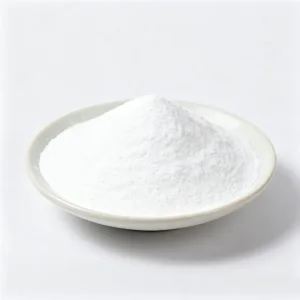
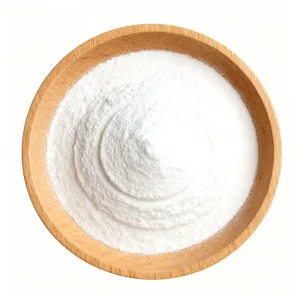
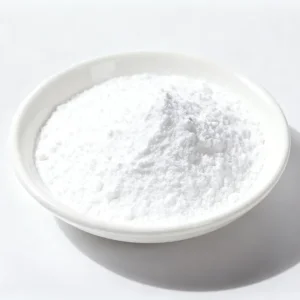
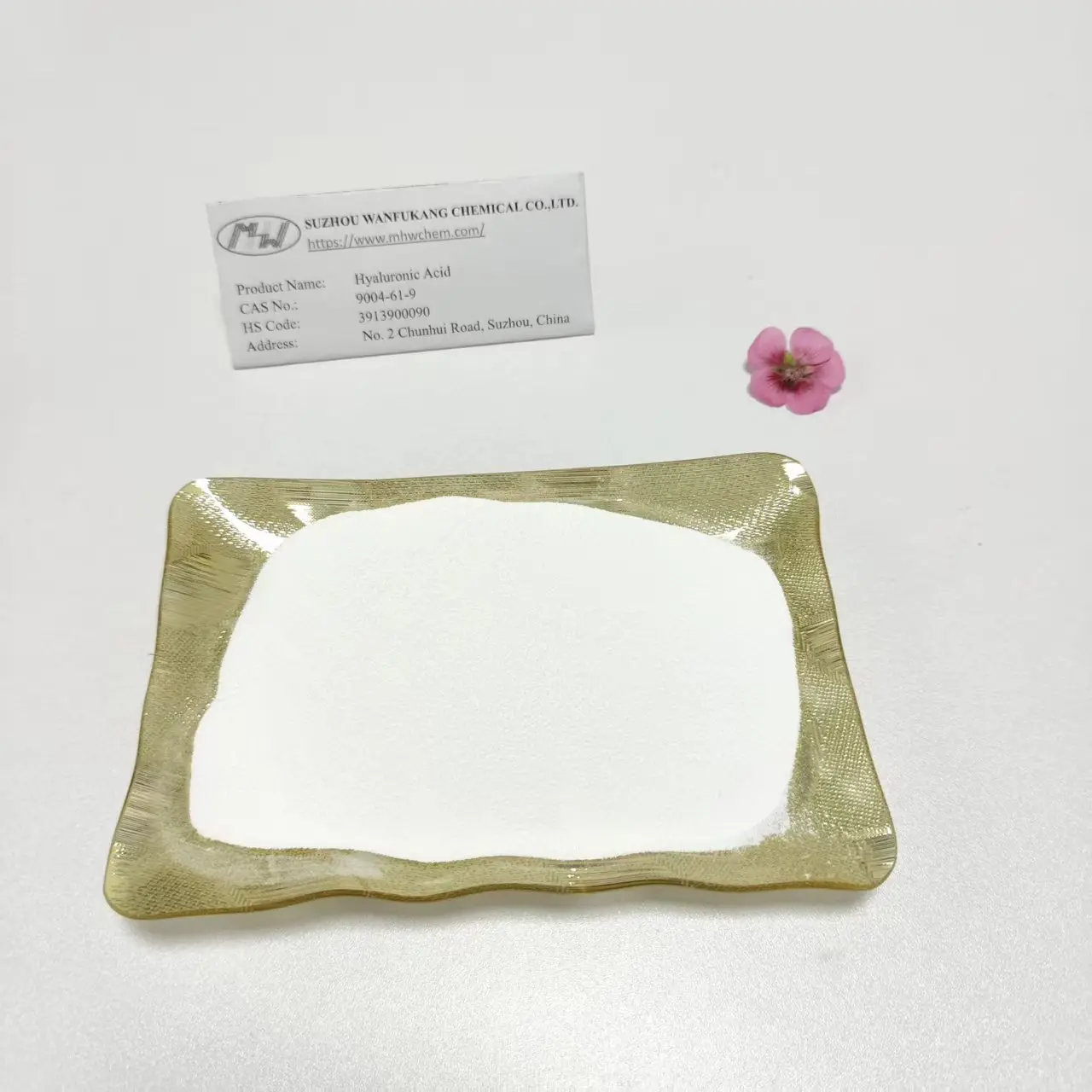
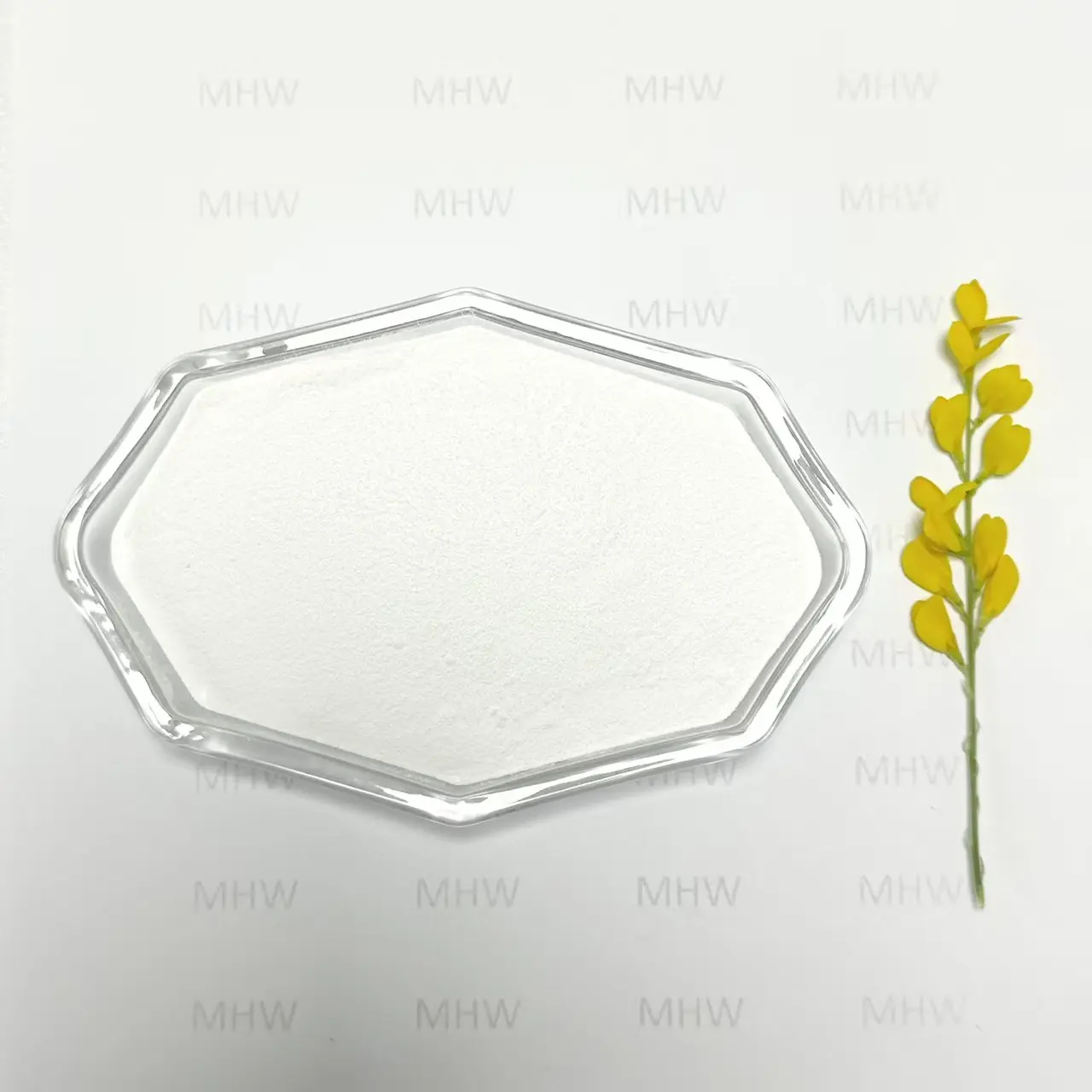
| Appearance | White, fine powder |
| Assay | ≥99.5% |
| Solubility | Soluble in water |
| Heavy metals | ≤10ppm |
| Protein | ≤0.1% |
| Bacterial endotoxins | ≤0.5IU/mg |
| Source | Microbial fermentation |
Strictly controlled according to European Pharmacopoeia (EP) standards. It features low endotoxin content, minimal protein residue, and strictly controlled microbial limits, fully meeting requirements for ophthalmic and injectable applications.
As a naturally occurring component in the human body, it exhibits excellent tissue compatibility. It does not cause significant immune responses after implantation into the eye and can be naturally degraded safely within the body.
Produced using a Streptococcus fermentation process. This bio-fermentation method avoids potential risks associated with animal-derived raw materials and ensures a stable supply chain that meets international regulatory standards.
Widely used as a Viscoelastic Agent (OVD) raw material in cataract surgery, glaucoma surgery, and corneal transplantation to maintain anterior chamber space, stabilize the surgical environment, and protect intraocular tissues.
Key ingredient in formulation developments related to dry eye syndrome. It provides long-lasting lubrication, enhances ocular surface comfort, and significantly reduces irritation.
Ideal for formulation development of ophthalmic injectable preparations, sustained-release drug delivery systems, and high-end ophthalmic medical devices due to its high compatibility and stability.
Our Hyaluronic Acid is pharmaceutical-grade, complying with the European Pharmacopoeia (EP) standards. It has strictly controlled microbial limits, extremely low endotoxins (≤0.5IU/mg), and minimal protein residue (≤0.1%).
It is produced via microbial fermentation using a Streptococcus process. This ensures that the product is entirely non-animal-derived, eliminating virus transmission risks and meeting strict vegan standards.
Yes, because Hyaluronic Acid is naturally present in the human body, it offers excellent tissue compatibility and biocompatibility. It is naturally degraded by the body without triggering significant immune responses, making it ideal for Ophthalmic Viscoelastic Devices (OVD).
Absolutely. It is widely used in artificial tears and ocular surface lubricants to treat dry eye syndrome by providing long-lasting lubrication and reducing irritation.
We supply complete compliance verification documents, including a detailed Certificate of Analysis (COA), Material Safety Data Sheets (MSDS), and structured support for registration and filing.
Accelerated stability testing shows that the active ingredient maintains a highly stable profile with an extremely low degradation rate under recommended storage conditions.