1 / 3

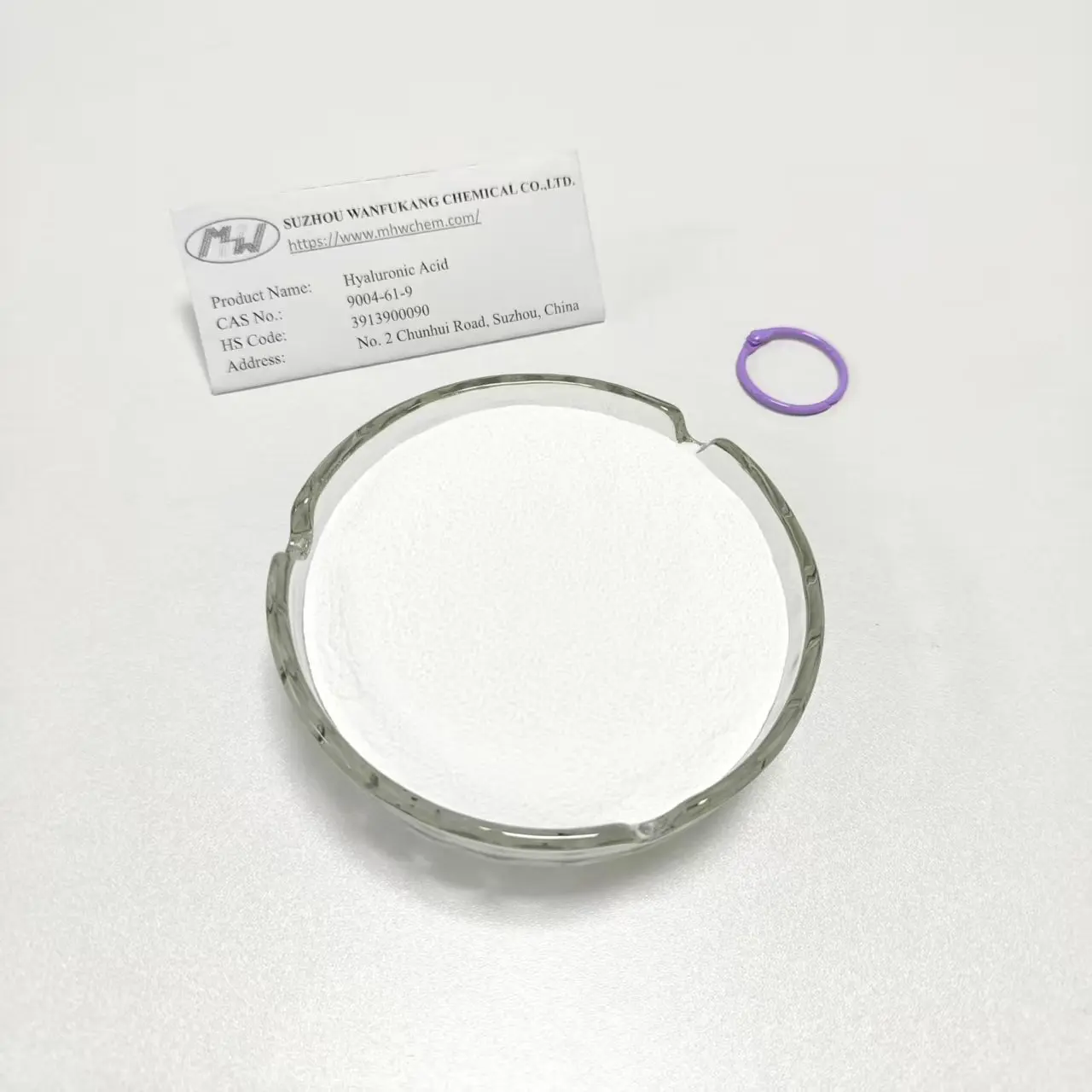
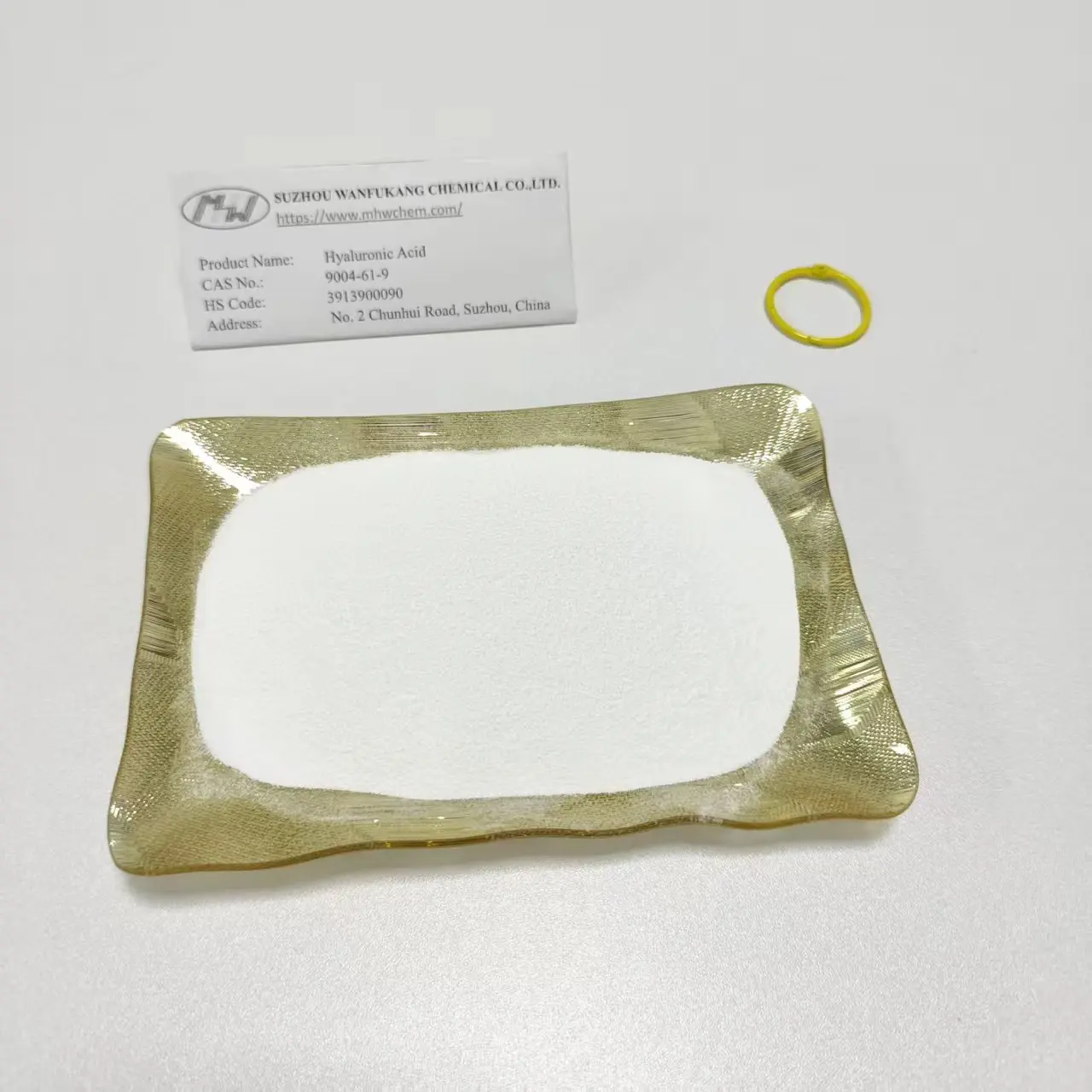
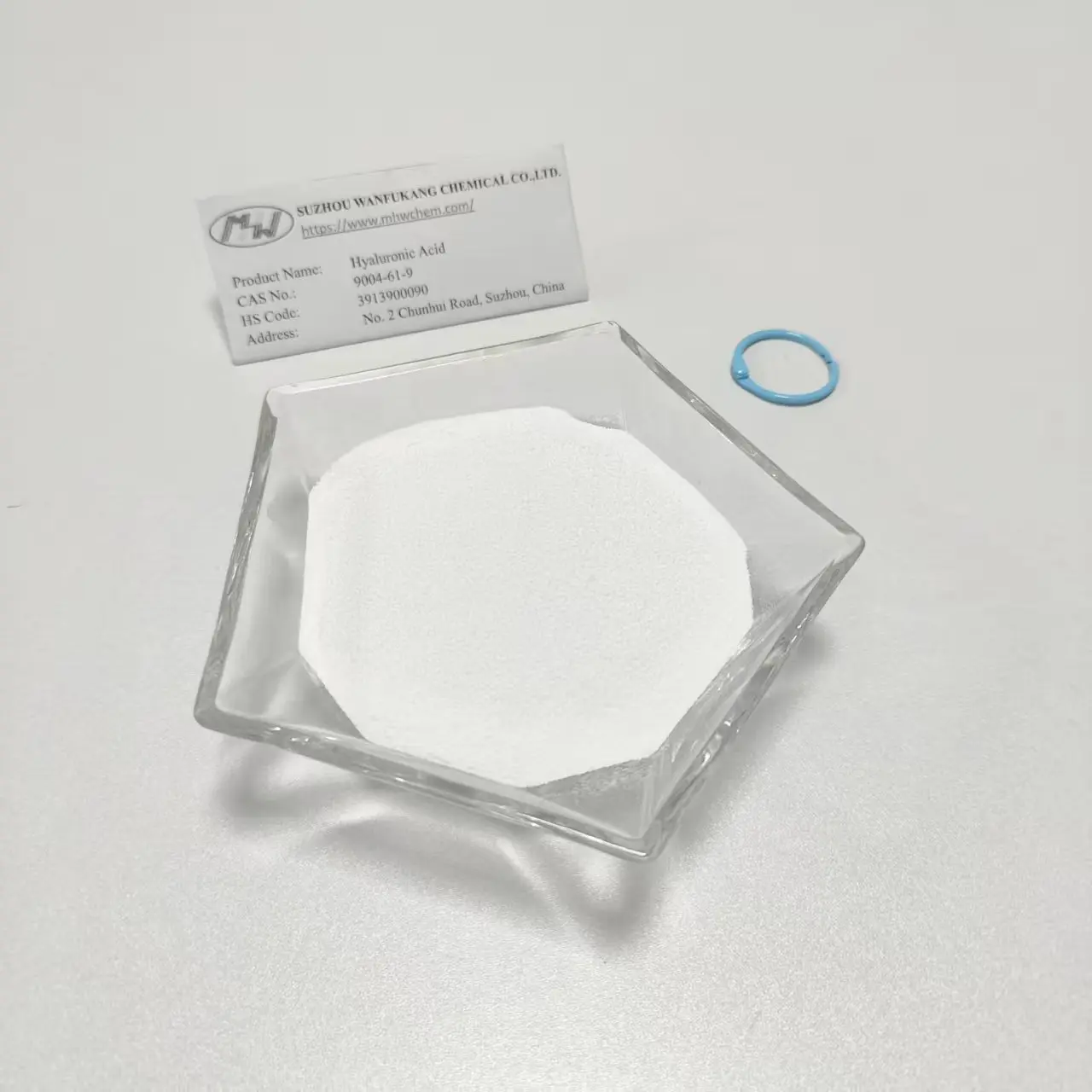
| Product Name | Hyaluronic Acid |
| Chemical Formula | (C14H21NO11)n |
| Chemical Structure |

|
| CAS No. | 9004-61-9 |
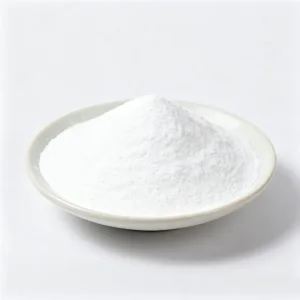
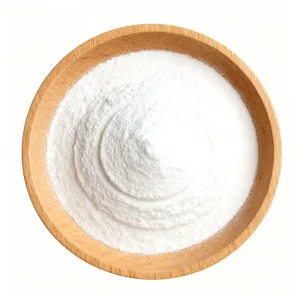
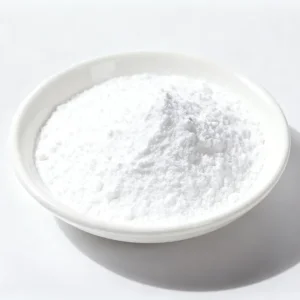
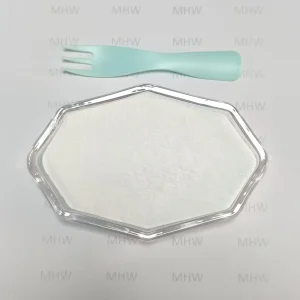
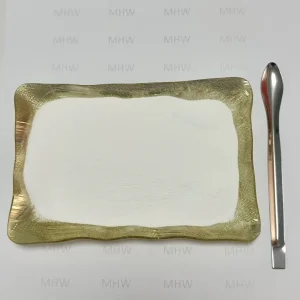
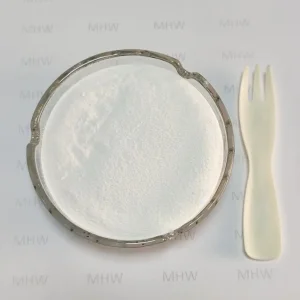
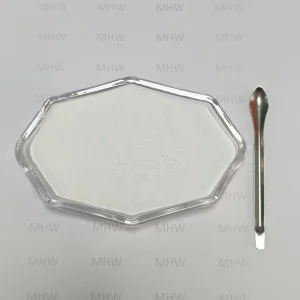
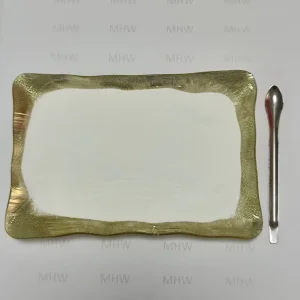
| Appearance | White, fine powder |
| Assay | ≥99.5% |
| Solubility | Soluble in water |
| Heavy Metals | ≤10ppm |
| Protein | ≤0.1% |
| Bacterial Endotoxins | ≤0.5IU/mg |
| Source | Microbial fermentation |
Utilizing non-animal-derived fermentation technology, the hyaluronic acid boasts high purity and low impurity content, meeting ophthalmic-grade application requirements and reducing the risk of allergies and irritation.
Hyaluronic acid possesses extremely strong water-absorbing capacity, forming a stable protective film on the ocular surface to retain moisture for a long time, enhancing comfort.
With a structure consistent with naturally occurring hyaluronic acid in the human body, it is non-toxic and non-irritating, suitable for long-term use in ophthalmic products.
Strict control over the production environment and testing standards ensures that the hyaluronic acid meets pharmaceutical-grade and ophthalmic-grade safety specifications.
Ophthalmic-grade hyaluronic acid is one of the core active ingredients in artificial tears. It can form a uniform and stable moisturizing protective layer on the ocular surface, significantly improving lubrication.
Adding hyaluronic acid to contact lens care products can significantly improve lens lubrication and reduce friction during wear. It is especially suitable for people who wear contact lenses for extended periods, helping to reduce corneal irritation and improve wearing comfort and safety.
Hyaluronic acid has excellent lubricating and protective properties in ophthalmic surgery. It can be used in corneal protectants, intraoperative adjuvants, and other products to help maintain a moist environment on the ocular surface, reduce the risk of tissue damage, and improve surgical safety and postoperative recovery.
In addition to traditional eye drops, hyaluronic acid can be widely used in eye sprays, postoperative repair solutions, and high-end eye care products. With increasing consumer awareness of eye health, the application prospects of hyaluronic acid in functional eye care products continue to expand.
Each batch of hyaluronic acid undergoes rigorous testing for purity, molecular weight, endotoxins, and protein residues to ensure product safety, reliability, and high batch-to-batch consistency, providing customers with a stable supply of raw materials.
With nearly ten years of dedicated focus on hyaluronic acid raw materials, we have accumulated rich production experience and technological advantages, enabling us to provide professional solutions for various application scenarios and support our customers' product development and upgrades.
We support small-scale testing and customized packaging to meet the needs of R&D verification, pilot production, and large-scale production. We can also adjust molecular weight and specifications according to customer requirements, flexibly adapting to various market demands.
Familiar with international logistics and customs procedures, we provide professional transportation and compliance support to ensure safe and efficient delivery of products to customers worldwide.
Our Hyaluronic Acid is derived from microbial fermentation, utilizing non-animal-derived technology to ensure high purity, low impurities, and excellent safety.
Yes, it meets ophthalmic-grade standards with low endotoxin levels (≤0.5IU/mg), making it highly suitable for eye drops, contact lens care solutions, and ophthalmic surgeries.
The product features high purity with an assay level of ≥99.5%, which ensures top reliability and safety for formulation needs.
It has strong water-binding properties that create a stable, lubricating film on the ocular surface, reducing friction and enhancing moisture retention for long-term wearers.
Yes, we support flexible solutions, including small-scale R&D testing, customized packaging, and adjustments in molecular weight according to your project specifications.