Examine our highly standardized cosmetic and food-grade raw materials engineered for maximum bio-availability and targeted performance.
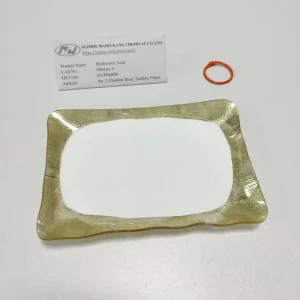
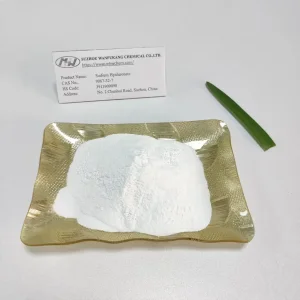
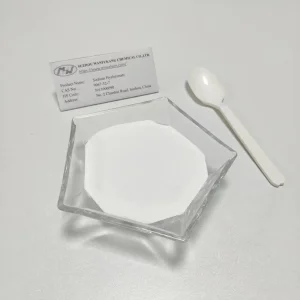
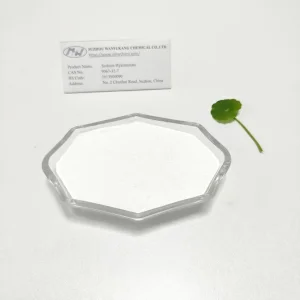
Hyaluronic acid (HA) and its salt, sodium hyaluronate, are biological glycosaminoglycans consisting of alternating D-glucuronic acid and N-acetyl-D-glucosamine disaccharide units. The global demand for HA is driven by its exceptional ability to hold up to 1,000 times its weight in water, acting as a crucial component in cosmetic formulas, food supplements, and pharmaceutical preparations. Today, high-yield microbial fermentation using selected strains like Streptococcus equi subsp. zooepidemicus has replaced traditional animal-derived sources, offering non-GMO, vegan, and highly stable alternatives suitable for strict global standards.
To maximize the efficacy of a hyaluronic acid booster, formulating with multiple molecular weights is essential. High molecular weight (HMW) hyaluronic acid (typically >1.6 MDa) forms a protective, non-occlusive moisture barrier on the epidermis, preventing trans-epidermal water loss (TEWL). Medium molecular weight (MMW) HA (1.0 - 1.6 MDa) enhances overall hydration, while low molecular weight (LMW) and oligo-HA (<100 kDa) penetrate deep into the stratum corneum. This multi-tier approach repairs cells, stimulates endogenous collagen production, and delivers a robust plumping effect.
Industrial Insight: Choosing the right raw material supplier requires verifying the assay percentage (usually ≥ 95% for food grade and ≥ 98% for cosmetic applications) alongside rigorous endotoxin testing. Low endotoxin limits (< 0.05 IU/mg) are paramount for eye drops and injectable grades to prevent inflammation and ensure safety in clinical applications.
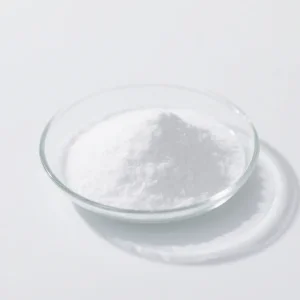
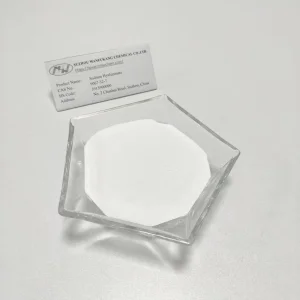
For eye drop formulations, contact lens lubricants, and intra-articular injections requiring sterile manufacturing under GMP compliance.
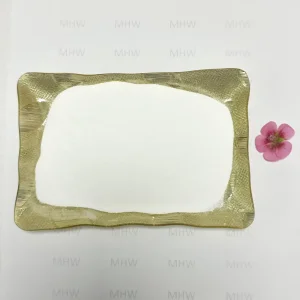
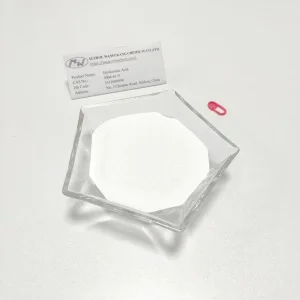
Tailored for creams, serums, and dermal boosters, offering superior skin feel, quick absorption, and reliable stability.
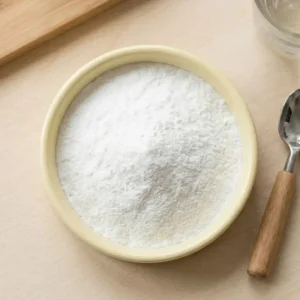
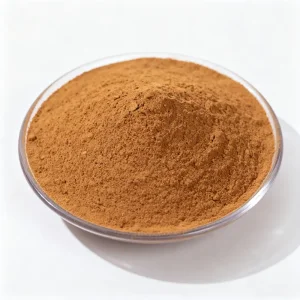
Optimized for oral supplements targeting skin hydration and joint lubrication. Fully verified under Halal standards.
A curated portfolio covering Cosmetic, Food, and Functional Ingredients designed to enhance formulation efficacy and stability.
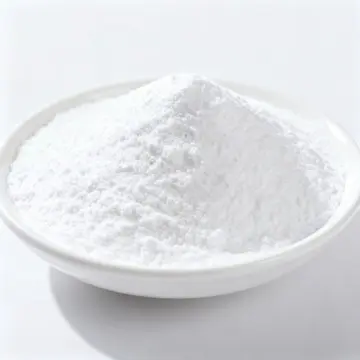
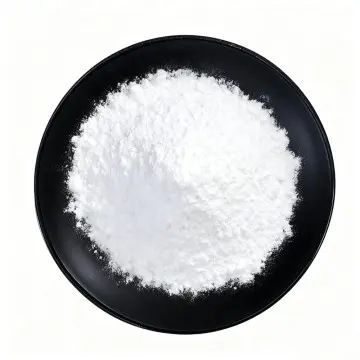
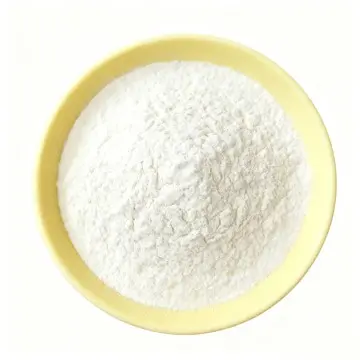
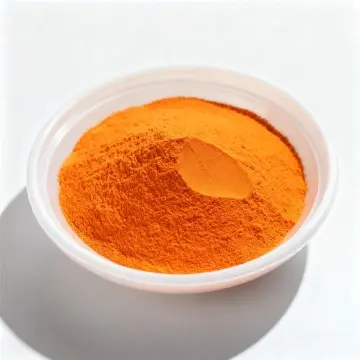
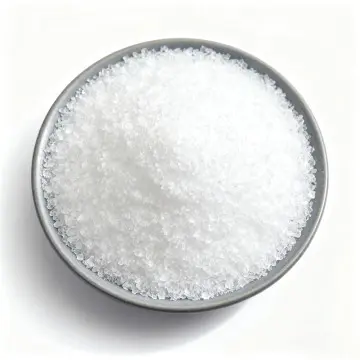
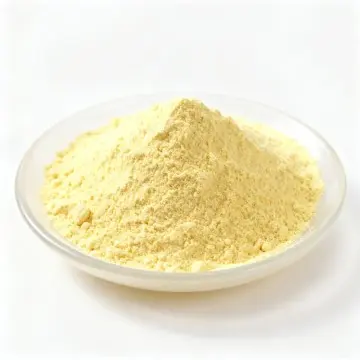
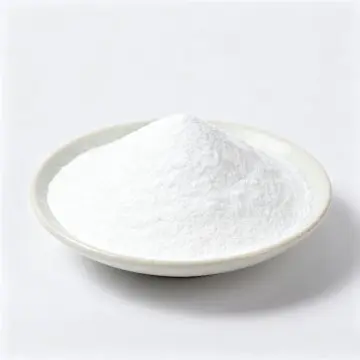
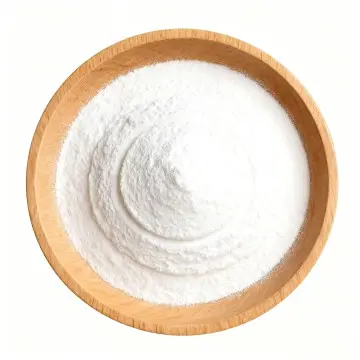
In the highly competitive skincare and nutraceutical landscapes, selecting a reliable B2B supplier is more than just securing chemical compounds; it is about finding a manufacturing partner that offers consistent batch-to-batch reproducibility. Many global brands construct multi-layered Hyaluronic Acid Booster formulations to target modern consumer concerns. Whether it is a deep-hydrating serum, an oral beauty shot, or a medical joint lubricant, the performance of the final product relies heavily on the physical properties of the raw material. Variables such as particle size, density, dissolution rate, and thermal stability directly influence the manufacturing efficiency and sensory profile of the end-product.
As the epicenter of global microbial fermentation, China accounts for over 70% of the world's sodium hyaluronate raw material supply. This dominance is built on massive chemical manufacturing hubs, integrated raw material sourcing, and cutting-edge industrial bioreactors. Suzhou Wanfukang Chemical Co., Ltd. capitalizes on this infrastructure to provide a secure supply chain, shielding partners from global market volatility through optimized lead times, cost efficiencies, and reliable logistics.
Consumer preferences vary significantly across international markets. For instance, the rapid growth of the personal care sector in the Asia-Pacific region has driven demand for lightweight, fast-absorbing hydrating serums. Conversely, Western markets prioritize organic, vegan, and clean-label certifications. Suzhou Wanfukang addresses these differences by providing customized certifications, localized documentation, and tailored packaging solutions to streamline international customs clearing.
Exporting active ingredients globally demands absolute compliance with localized regulations. Our materials meet USP/EP pharmacopoeia requirements, and we supply complete documentation including Certificate of Analysis (COA), Safety Data Sheet (SDS), Technical Data Sheet (TDS), and Kosher/Halal certificates. This rigorous approach ensures smooth compliance audits and product registrations with local health authorities worldwide.
Technological Roadmap & Future Outlook: The next generation of hyaluronic acid development lies in enzyme-catalyzed degradation and cross-linking technologies. By using specialized enzymes to degrade high-molecular-weight HA, manufacturers can obtain ultra-low molecular weight (Oligo-HA) with precise control over chain lengths. This development allows for targeted cell signaling, accelerated wound healing, and advanced anti-pollution barriers.
Unrivaled capacity, decades of chemical export experience, and a deep portfolio of high-purity cosmetic and food ingredients.


Suzhou Wanfukang Chemical Co., Ltd. has established itself as a professional manufacturer and exporter of Sodium Hyaluronate and Hyaluronic Acid. Operating in the industry for years, we supply food-grade, cosmetic-grade, and pharmaceutical-grade materials to meet diverse formulation needs.
Our expansive business scope has grown to encompass an array of premium cosmetic ingredients, health food raw materials, and pharmaceutical ingredients. Supported by strict quality assurance programs and advanced analytical labs, our ingredients are widely used in premium cosmetics, dietary supplements for joint health, and specialized medical preparations.



Stay informed with the latest updates from the global biochemical and cosmetic ingredient markets.
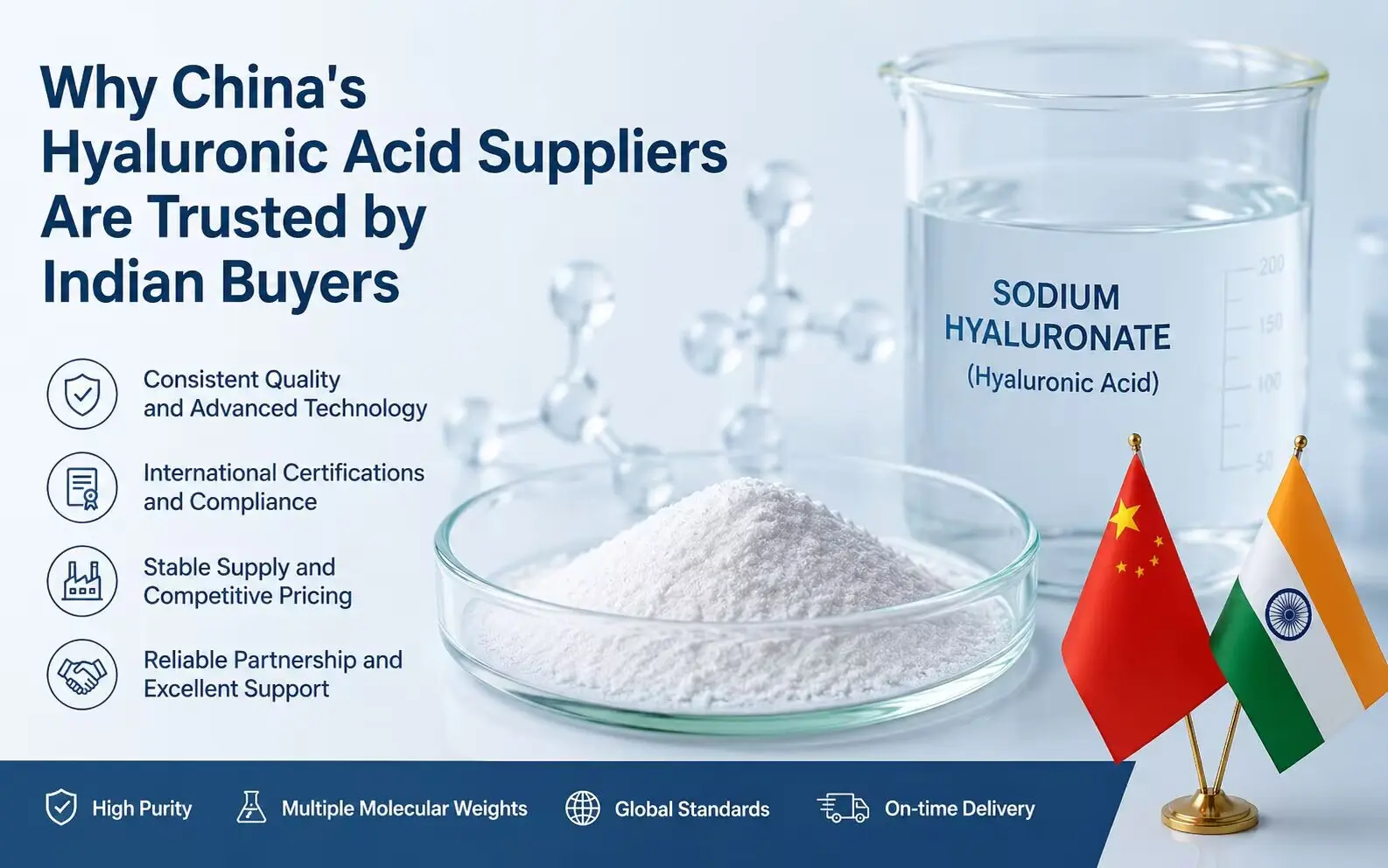
Driven by the expansion of India's cosmetic, pharmaceutical, and health supplement industries, demand for hyaluronic acid (HA) continues to rise. Chinese suppliers have earned the trust of Indian buyers by offering consistent high purity, stable supply chains, and extensive technical documentation.
Read Full Report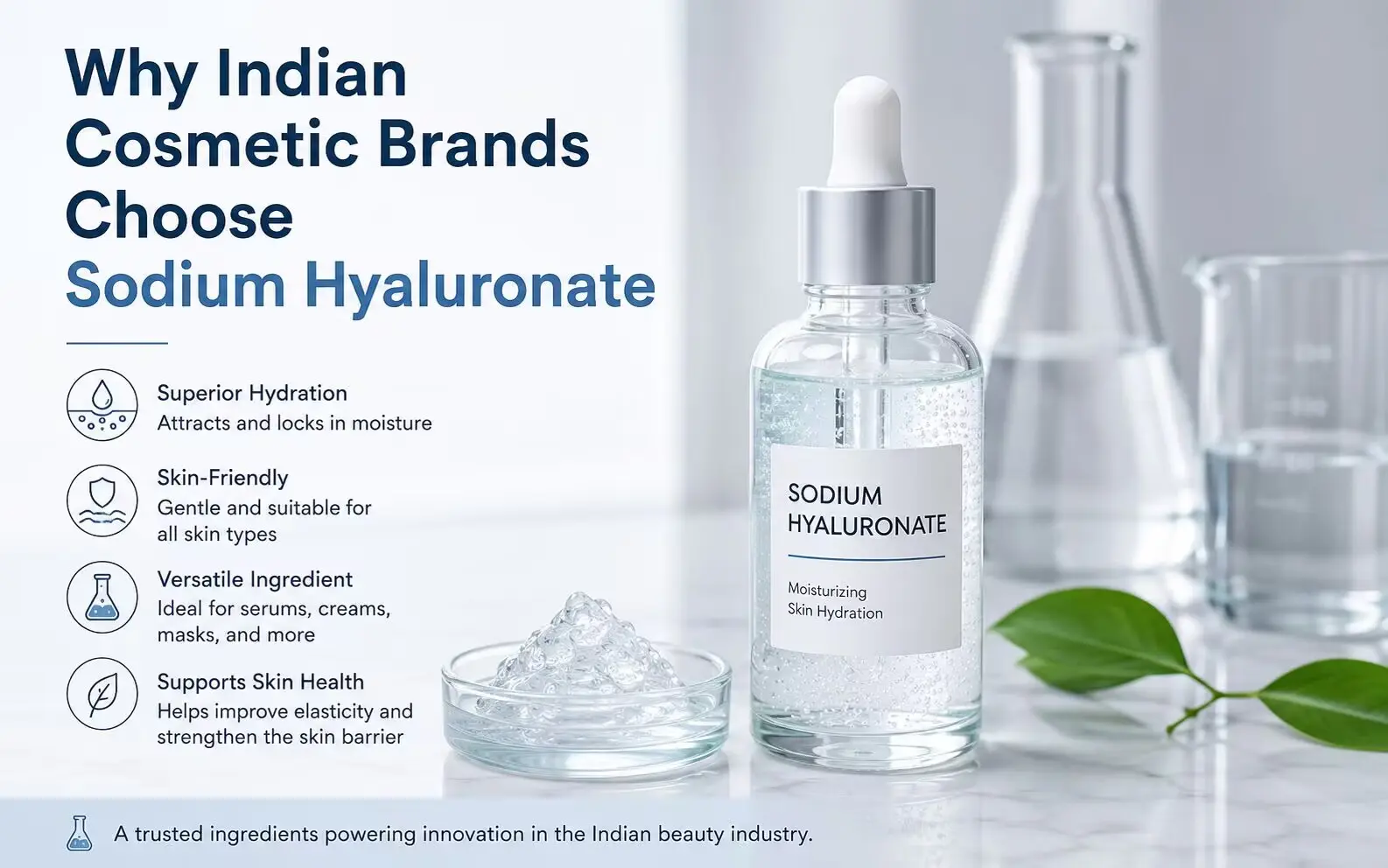
As the beauty and personal care market grows in the region, consumers are seeking highly effective and safe skincare products. Sodium hyaluronate has become a go-to active ingredient for local brands formulating advanced serums, creams, and sun protection products.
Read Full Report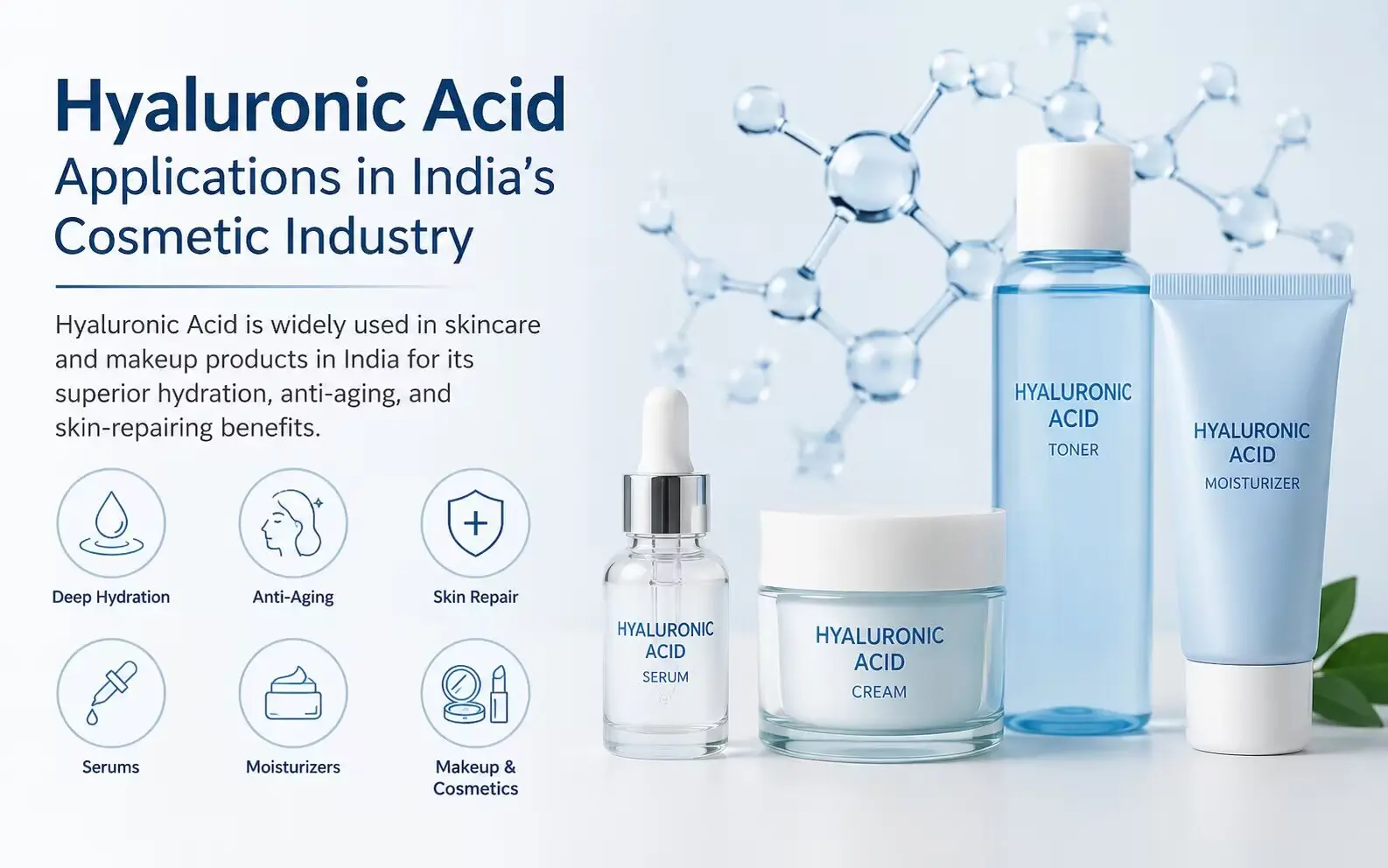
Evaluating the growth of regional personal care formulations, hyaluronic acid stands out as a key functional ingredient. From multi-molecular weight hydrating gels to soothing skin barrier serums, HA remains a cornerstone for cosmetic product development.
Read Full ReportTechnical and commercial answers to guide your procurement and formulation processes.
Sodium Hyaluronate is the water-soluble salt form of Hyaluronic Acid. From a formulation standpoint, Sodium Hyaluronate is highly stable, easier to dissolve, and has a lower molecular weight than pure Hyaluronic Acid. This allows it to penetrate deeper into the skin layers and make it the preferred form for cosmetic serums, lotions, and creams.
Molecular weight dictates the skin penetration depth and biological function:
• High Molecular Weight (>1.6 MDa): Forms an external barrier, preventing TEWL and leaving skin feeling smooth.
• Medium Molecular Weight (1.0 - 1.6 MDa): Hydrates the mid-epidermal layers and improves product slip.
• Low Molecular Weight (<100 kDa): Penetrates deeper to stimulate hydration from within and support the skin's barrier repair.
Our raw materials are manufactured under ISO and GMP standards. Depending on the product grade, we provide Halal, Kosher, and vegan certifications (non-animal source via microbial fermentation). Each shipment is accompanied by a batch Certificate of Analysis (COA) to guarantee chemical compliance and purity.
Chinese manufacturers offer advanced fermentation technology and strong raw material supply chains. This combination enables consistent batch quality, high production capacities, and competitive pricing. Additionally, established exporters like Suzhou Wanfukang provide direct technical support, custom blending, and international export expertise.
Yes, we offer customized molecular weight profiling (ranging from ultra-low to extra-high) to match specific product requirements. We also supply customized liquid solutions, such as 1% Sodium Hyaluronate Aqueous Solution, which simplifies the manufacturing process for cosmetic companies.
Sodium Hyaluronate powder has a shelf life of 24 months from the production date when stored in its original, unopened packaging. To maintain quality, it should be kept in a cool, dry place away from direct sunlight, moisture, and heat. Because of its hygroscopic nature, tight resealing after opening is critical.

High-purity sodium hyaluronate grades optimized for ophthalmic, injectable, and specialized clinical formulations.