1 / 3

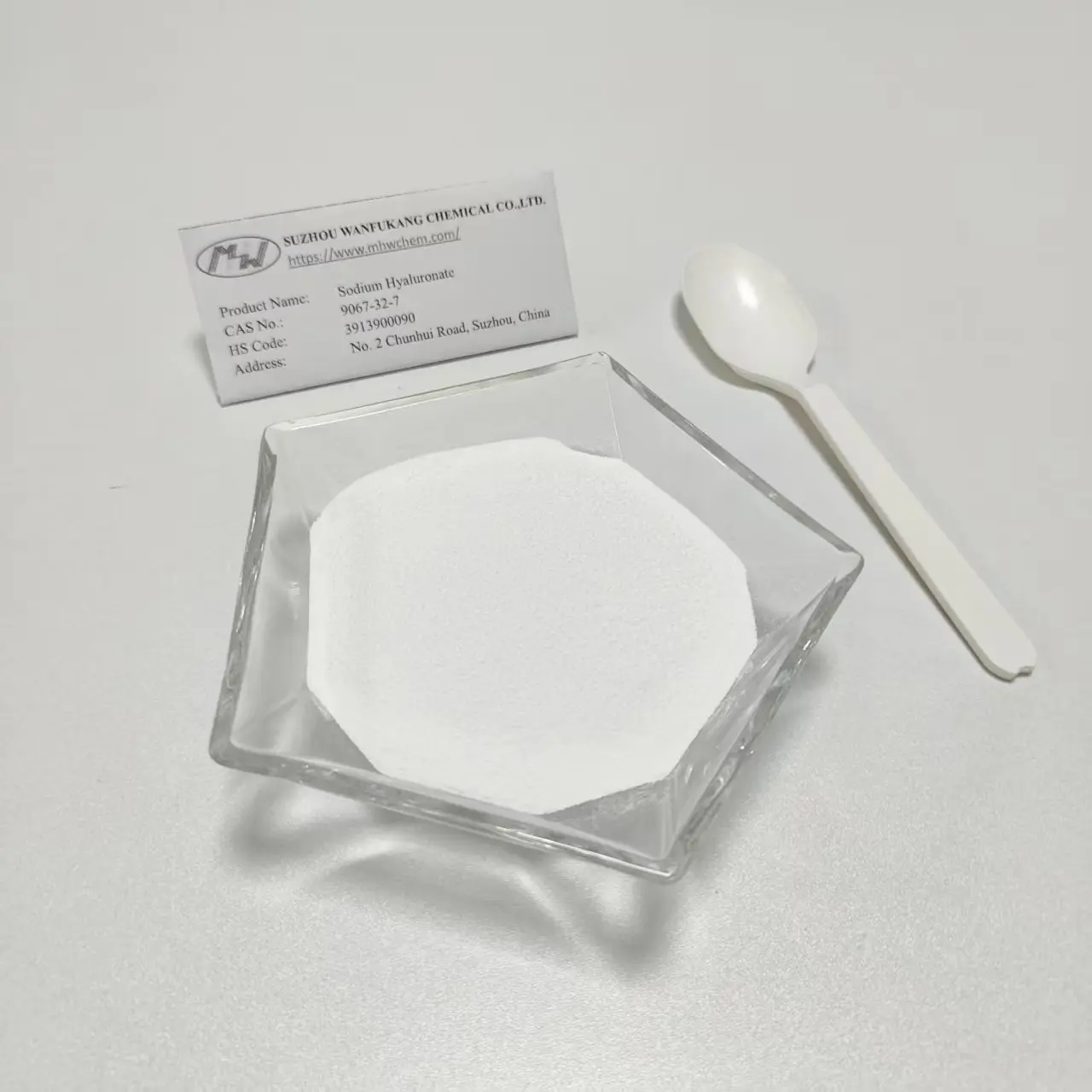
| Product Name | Sodium Hyaluronate |
| Chemical Formula | (C14H20NNaO11)n |
| Chemical Structure |

|
| CAS No. | 9067-32-7 |
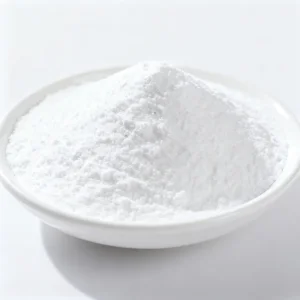
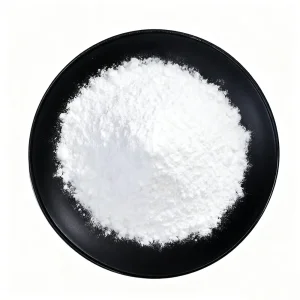
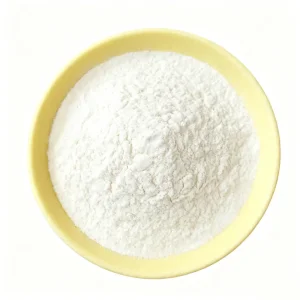
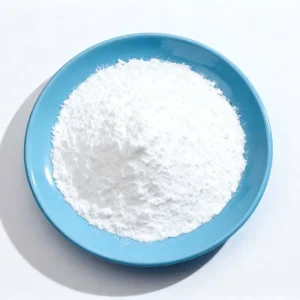
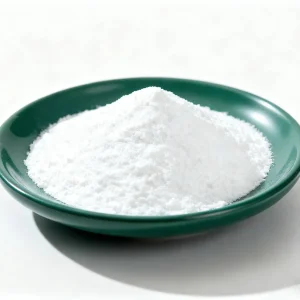
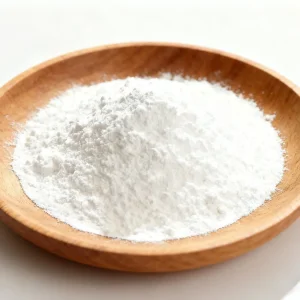
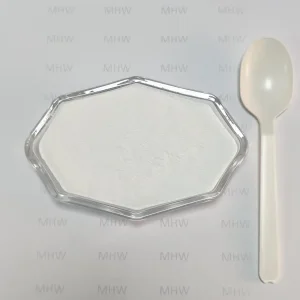
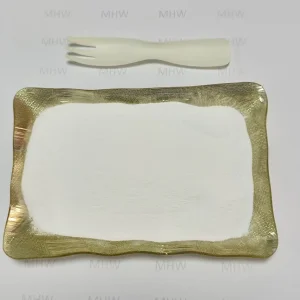
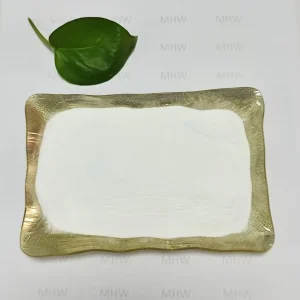
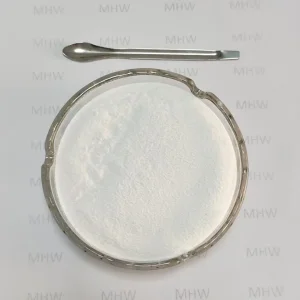
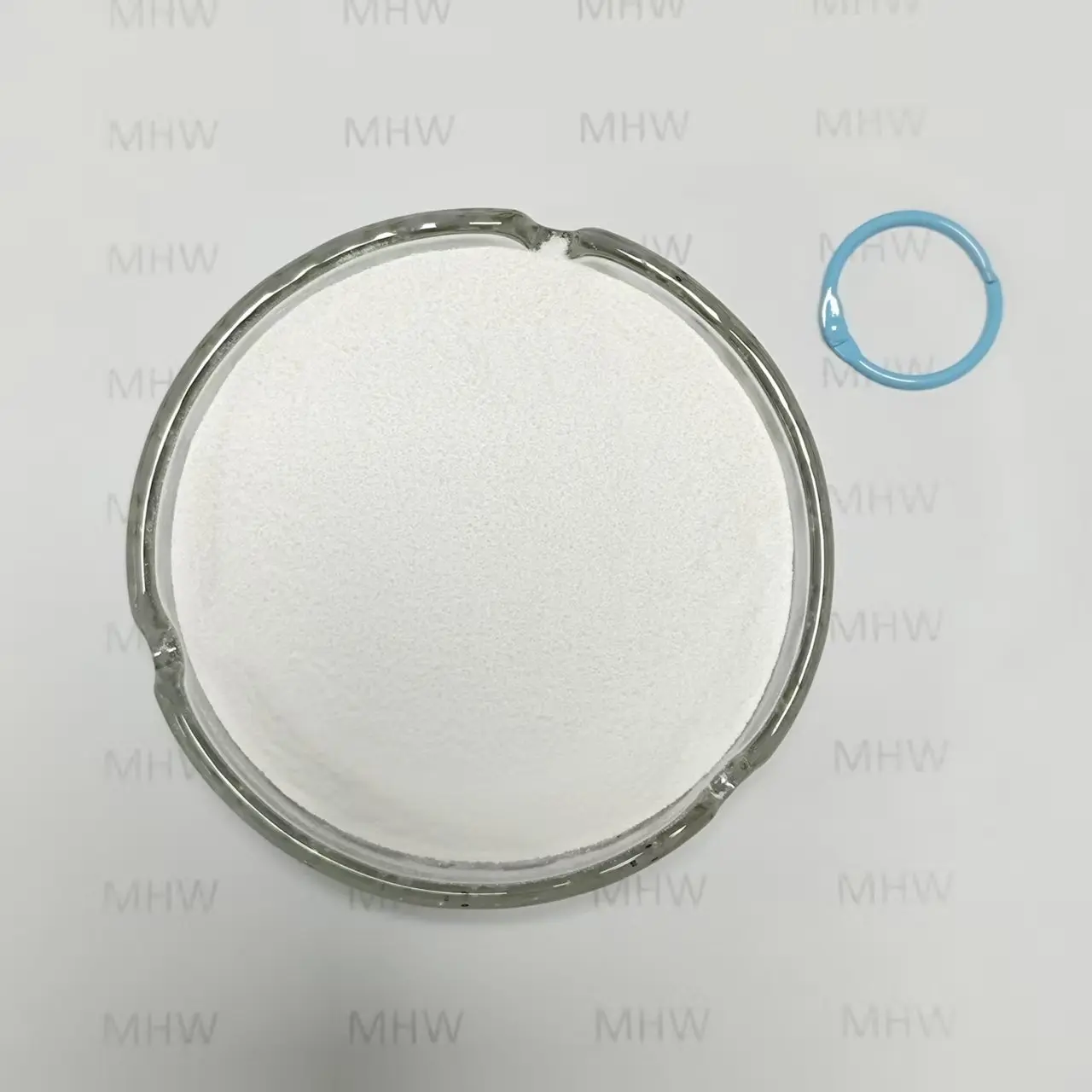
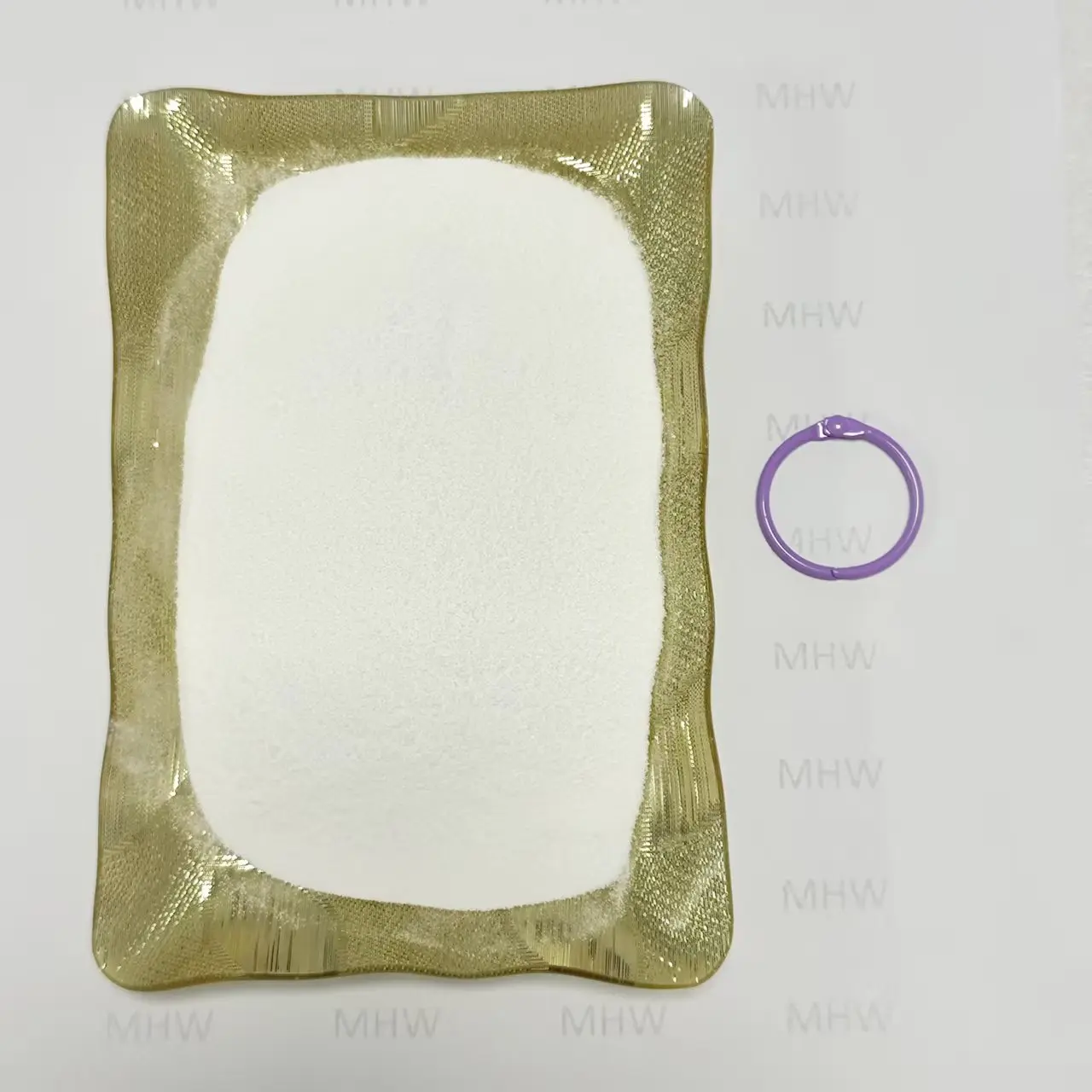
| Appearance | White, fine powder |
| Assay | ≥95% |
| Molecular Weight | 3,000Da–2.0MDa |
| Solubility | Soluble in water |
| Source | Microbial fermentation |
Sodium hyaluronate has an extremely strong water-absorbing capacity, capable of absorbing hundreds of times its own weight in water. It draws moisture from the air to the skin's surface, quickly making the skin hydrated and plump.
Sodium hyaluronate forms a thin moisturizing film on the skin's surface, reducing moisture evaporation and helping face creams achieve long-lasting hydration. It is especially suitable for dry environments or use in autumn and winter.
By replenishing moisture, the skin's surface becomes plump, visually diminishing fine lines and wrinkles caused by dehydration, making the skin appear smoother and more refined.
It helps increase the moisture content of the stratum corneum, improves the skin barrier function, and enhances the skin's resistance to external stimuli (such as dryness and pollution).
In face cream formulations, sodium hyaluronate also improves the spreadability and feel of the product, making the cream smoother and less sticky.
Moisturized skin is softer, which helps to improve the absorption of other active ingredients.
It is mainly used for hydration, moisture retention, and improving the skin barrier, keeping the skin moisturized for a long time.
High molecular weights focus on surface moisturizing and film formation, while medium and low molecular weights are more conducive to penetration and deep nourishment. They can be selected or used in combination according to the formula requirements.
Sodium hyaluronate has strong hygroscopic properties and is prone to clumping in high humidity environments or when not sufficiently dispersed. It is recommended to control ambient humidity and follow proper handling procedures.
To maintain stability and prevent clumping, it is highly recommended to store Sodium Hyaluronate at temperatures between 2°C and 10°C in a dry, sealed, and light-proof environment.
Our Sodium Hyaluronate is produced through microbial fermentation and features a high purity level with an assay of ≥95%.
Yes, the product is completely soluble in water and is designed for easy incorporation into various cosmetic and moisturizing formulations.