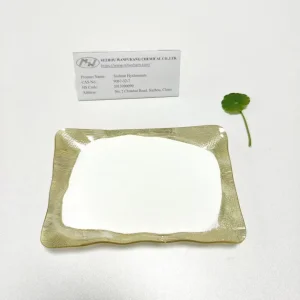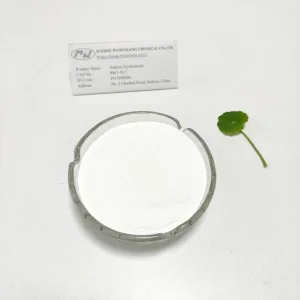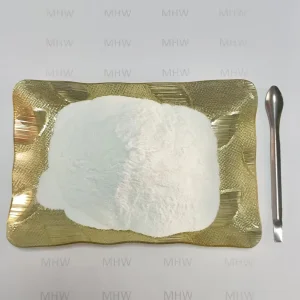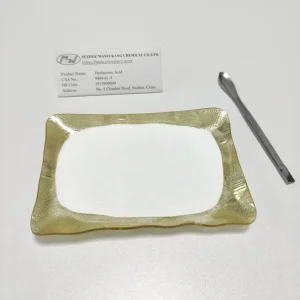
Buy Hyaluronic Acid Eye Serum Product & Factories

Premium Grade Raw Materials & Advanced Formulations for Ophthalmic and Cosmetic Manufacturers Worldwide

Premium Hyaluronic Acid & Active Raw Materials

Explore our certified pharmaceutical, cosmetic, and food-grade formulations designed for maximum hydration efficiency.
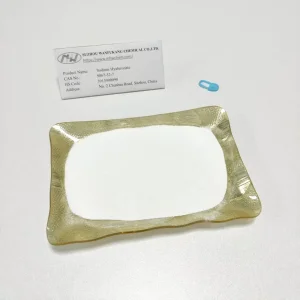
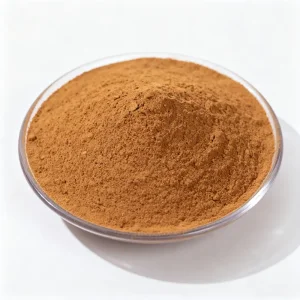
High-Quality Sodium Hyaluronate Cosmetic Formulation

High-Quality Sodium Hyaluronate Cosmetic Formulation CAS No. 9067-32-7 Manufacturer

Get Quote
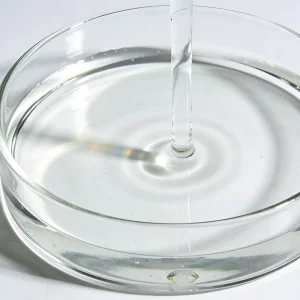
High Stability 1% Cosmetic Grade Hyaluronic Acid Solution

Buy High Stability 1% Cosmetic Grade Hyaluronic Acid Solution Exporters, Service

Get Quote
Injection Grade Sodium Hyaluronate Active Pharmaceutical Ingredient API

Buy Injection Grade Sodium Hyaluronate Active Pharmaceutical Ingredient API Manufacturer

Get Quote
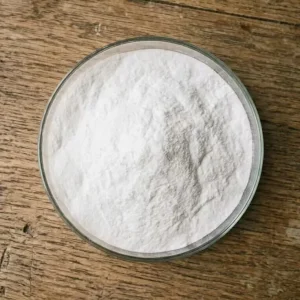
Cosmetic Grade Sodium Hyaluronate Powder

Buy Cosmetic Grade Sodium Hyaluronate Powder Vegan Friendly Products, Exporter

Get Quote
Health Food Raw Material Sodium Hyaluronate

Best Health Food Raw Material Sodium Hyaluronate Supplier, Company

Get Quote
Eye Drops Grade Hyaluronic Acid Powder ISO Certified

Famous Eye Drops Grade Hyaluronic Acid Powder ISO Certified Manufacturer, Products

Get Quote
Injection Grade Hyaluronic Acid Powder High Purity CAS 9004-61-9

Buy Injection Grade Hyaluronic Acid Powder High Purity CAS No. 9004-61-9 Manufacturer

Get Quote
Ultra Low Molecular Weight Cosmetic Grade Hyaluronic Acid

Buy Ultra Low Molecular Weight Cosmetic Grade Hyaluronic Acid 3–5 kDa Manufacturer

Get Quote

Understanding Ophthalmic and Periorbital Delivery: The Biophysics of Hyaluronic Acid Eye Serums

The human periorbital area presents one of the most complex challenges in dermatological and cosmetic science. Characterized by a significantly thinner stratum corneum (approximately 0.05 mm compared to 0.1 mm on the rest of the face), lower sebaceous gland density, and constant mechanical stress from blinking, the eye contour is highly susceptible to transepidermal water loss (TEWL) and accelerated micro-wrinkling.

To formulate an effective eye serum, manufacturers must look beyond simple hydration. The molecular structural configuration of Hyaluronic Acid (HA), specifically its salt form, Sodium Hyaluronate, plays a decisive role in its transdermal delivery dynamics. When purchasing bulk materials from chemical factories, procurement divisions must strategically balance various molecular weight parameters:

  • Macromolecular Hyaluronic Acid (1.8 MDa - 2.2 MDa): Non-penetrative. It structures a dense, elastic hydration film on the stratum corneum surface. This film acts as an atmospheric barrier, trapping moisture underneath and physically smoothing fine dehydration lines.
  • Medium Molecular Weight HA (800 kDa - 1.2 MDa): Integrates with the lipid matrix of the skin barrier, offering prolonged moisture retention properties and reinforcing cellular cohesion.
  • Low Molecular Weight HA (100 kDa - 400 kDa): Penetrates the superficial epidermal layers. It supports internal tissue turgor and acts as a biological signal to trigger endogenous hyaluronic acid synthesis via fibroblasts.
  • Oligomeric Hyaluronic Acid (3 kDa - 10 kDa): Capable of deep epidermal penetration, navigating through intercellular channels. Scientific studies demonstrate its capability to down-regulate inflammatory markers and promote microvascular health, which is essential for reducing periorbital dark circles.

Global B2B Procurement Standards: Purity, Compliance, and Safety Thresholds

For multinational brands and cosmetic formulation factories, acquiring Hyaluronic Acid raw materials requires meeting rigorous compliance targets. Because the periorbital skin is highly sensitive and close to the ocular mucosa, raw materials must be traceably pure and free of residual toxins. The key evaluation metrics are:

1. Production Pathway (Animal-Free Bio-Fermentation): Historically, HA was extracted from animal tissues like rooster combs. Modern high-tier supply channels utilize bio-fermentation processes based on non-pathogenic bacterial strains, such as Streptococcus equi subsp. zooepidemicus, grown on plant-derived media (peptone/glucose). This completely eliminates the risk of animal-origin pathogens (TSE/BSE) and satisfies the growing global demand for vegan-friendly raw materials.

2. Protein Contamination and Nucleic Acid Residuals: Low-purity HA containing high bacterial proteins can trigger localized irritation and allergic contact dermatitis around the eyes. Industrial-grade formulations demand a protein content of < 0.1%, and premium pharmaceutical/ophthalmic grades require < 0.05%. High-performance liquid chromatography (HPLC) testing is essential to confirm these levels.

3. Endotoxin Thresholds: For eye drops and dermal fillers, bacterial endotoxins must be kept extremely low. Endotoxins are lipopolysaccharides from cell walls that can cause inflammatory responses. Ophthalmic formulations generally require endotoxin levels below 0.05 IU/mg, measured using the Limulus Amebocyte Lysate (LAL) gel-clot assay.

Global Market Trends: The Evolution of Hyaluronic Acid Formulations

Multidimensional Hybrids

Consumers are demanding targeted skincare solutions. Formulators now blend multiple molecular weights (often 3D or 5D HA matrices) with functional peptides, Niacinamide, and Glabridin to deliver comprehensive hydration, anti-aging, and brightening effects simultaneously.

Nutricosmetics Integration

The "beauty-from-within" trend has shifted HA usage. Brands are pairing topical Hyaluronic Acid eye serums with dietary HA supplements (food-grade Sodium Hyaluronate) to optimize full-body skin moisture retention.

Clean & Ethical Sourcing

Regulatory pressures in Europe (REACH) and North America require traceable supply chains. Clean-label formulations mandate that HA production excludes harmful solvents, heavy metals, or GMO-based raw ingredients.

China Industry 4.0: Supply Chain Resilience & Cost-Efficiency Advantages

China is the world's largest producer of Hyaluronic Acid, accounting for over 70% of global market volume. This dominance is driven by advanced production technology rather than just scale. Chinese manufacturers have widely adopted Industry 4.0 automation, ensuring high consistency and efficiency in production.

Automated Closed-Loop Bio-Fermentation: Leading Chinese production facilities feature computerized control networks that monitor temperature, pH, dissolved oxygen, and nutrient feed rates in real time. This keeps fermentation parameters in their optimal ranges, minimizing batch-to-batch variation.

Advanced Membrane Separation and Purification: Utilizing continuous ultrafiltration systems with precise molecular weight cut-offs, these factories produce specialized, narrow-distribution HA products (such as oligomeric HA at 3-5 kDa). By replacing organic solvent precipitation with multi-stage membrane filtration, they lower chemical consumption and significantly reduce heavy metal residues.

Strategic Location and Export Infrastructure: Production centers in eastern China, including Suzhou, benefit from robust local chemical ecosystems and quick access to major shipping ports. This enables rapid transit to international destinations, ensuring steady supply chains for global buyers.

Technical Application Scenarios for Hyaluronic Acid

Depending on the target product type, manufacturers require distinct grades of Hyaluronic Acid. Understanding these specific application scenarios helps procurement teams optimize their raw material selections:

  • Clinical & Professional Eye Serums: Designed for dermatological clinics. These formulations typically pair high-purity, low-molecular-weight HA (100–300 kDa) with vitamin C derivatives and niacinamide to boost hydration and brighten the skin barrier under the eyes.
  • Ophthalmic Lubricants & Artificial Tears: Require high-molecular-weight, injection-grade Sodium Hyaluronate. Its excellent viscoelastic properties allow it to mimic the natural tear film, providing long-lasting ocular lubrication and reducing dry-eye symptoms.
  • Edible Nutricosmetic Foods: Utilizes food-grade Sodium Hyaluronate powder. Easily incorporated into beauty beverages, gelatin gummies, or tablets, this dietary option helps retain systemic skin moisture from the inside out.

About Suzhou Wanfukang Chemical Co., Ltd

Suzhou Wanfukang Chemical Co., Ltd. (WFK Chem) has operated as a leading supplier of premium Sodium Hyaluronate and specialty chemical ingredients for over nine years.

We supply high-purity food, cosmetic, and pharmaceutical-grade ingredients to clients worldwide. Committed to absolute quality compliance, we serve cosmetic formulators, supplement manufacturers, and pharmaceutical buyers across more than 20 countries.

9+
Years Industry Experience
500t
Annual Sales Volume
20+
Export Destination Countries
600+
Raw Material Portfolio

Industrial Product Series

Browse our complete active ingredient classifications. Find the precise raw materials to optimize your production lines.

Cosmetic Grade Hyaluronic Acid Assay 98%

Cosmetic Grade Hyaluronic Acid Assay 98% Intense Moisturizing

Request Spec Sheet
High Assay Niacinamide Powder Skin whitening

High Assay Niacinamide Powder Skin whitening

Request Spec Sheet
High Quality Arbutin Whitening Active Ingredient

High Quality Arbutin Whitening Active Ingredient

Request Spec Sheet
Coenzyme Q10 Maintain Heart Health

Coenzyme Q10 Maintain Heart Health

Request Spec Sheet
Food Acidulant Citric Acid Assay 99%

Food Acidulant Citric Acid Assay 99%

Request Spec Sheet
Vitamin A Powder Maintain Vision Health

Vitamin A Powder Maintain Vision Health

Request Spec Sheet
Chondroitin Sulfate Food Supplement Ingredient

Chondroitin Sulfate Food Supplement Ingredient Maintain Joint Health

Request Spec Sheet
Vitamin C Food Additive Assay Above 99%

Vitamin C Food Additive Assay Above 99%

Request Spec Sheet

Latest Industrial Supply Chain News & Insights

Stay informed with technical market analyses, sourcing guides, and regulatory updates in the global chemical raw materials sector.
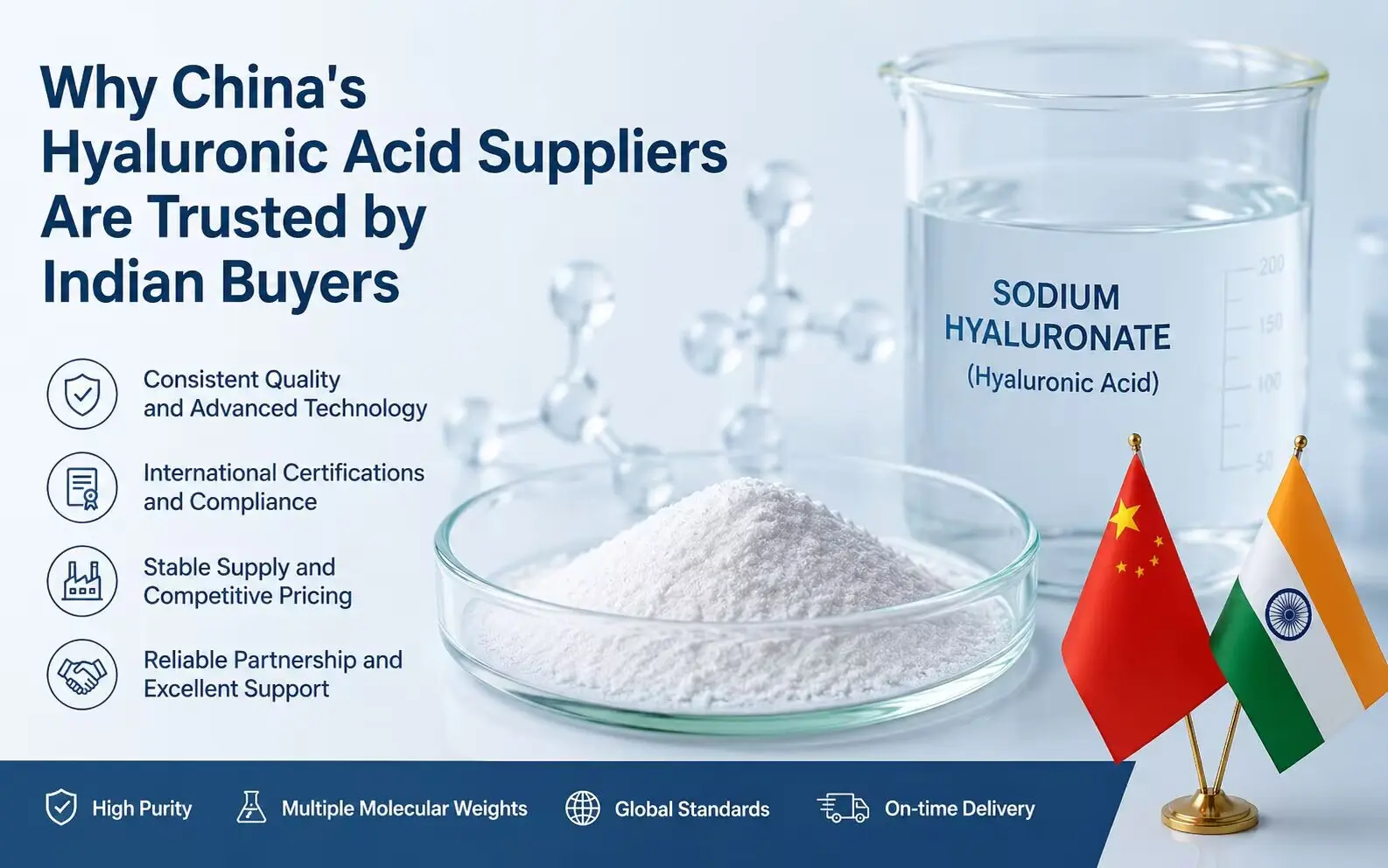
Chinese Hyaluronic Acid Suppliers Indian Buyers

Why Chinese Hyaluronic Acid Suppliers Are Trusted by Indian Buyers

Driven by the growth of India's cosmetics and health supplement sectors, demand for hyaluronic acid (HA) and sodium hyaluronate continues to expand. Discover how Chinese manufacturers consistently meet these quality and supply requirements.
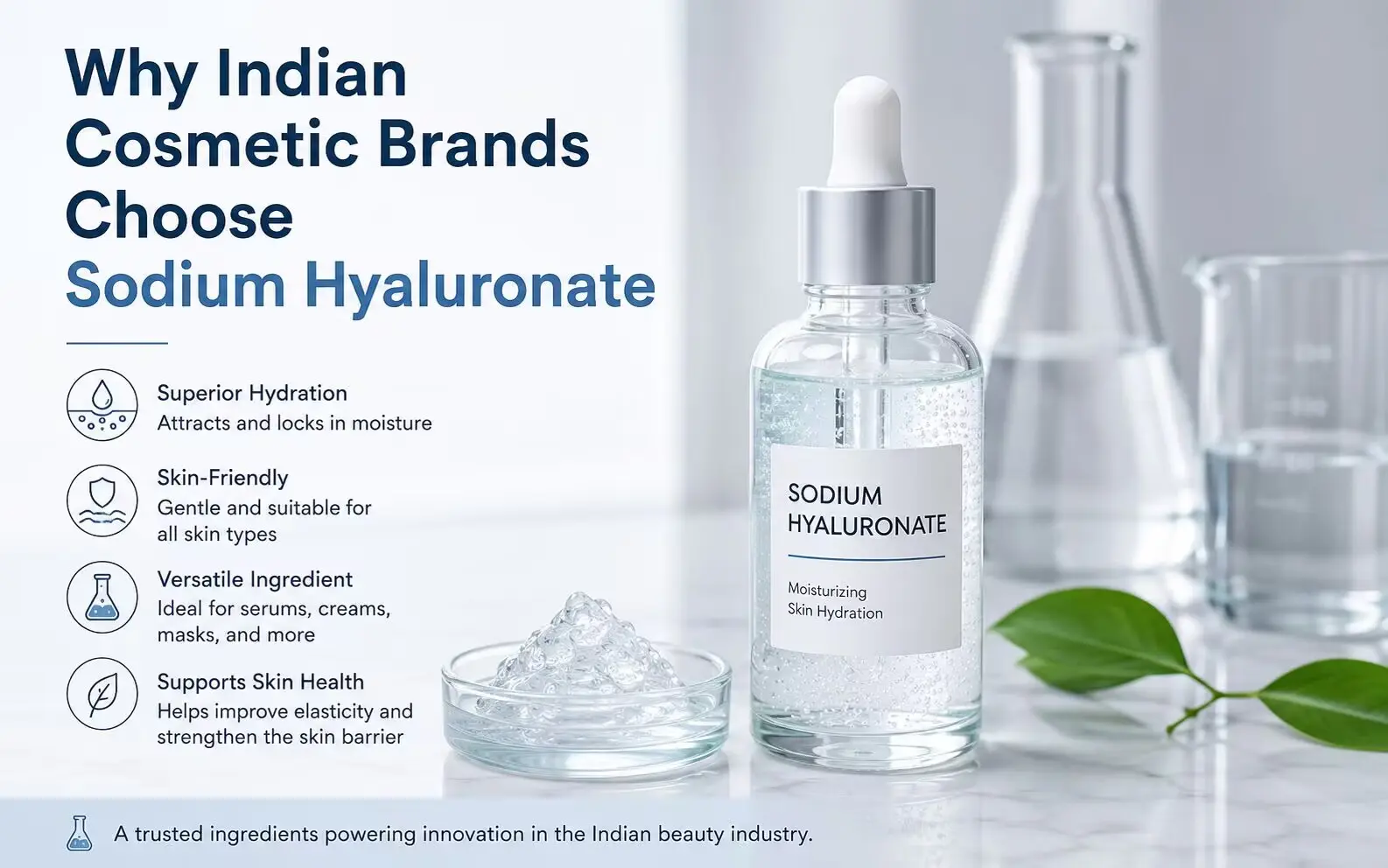
Indian Cosmetic Brands Choose Sodium Hyaluronate

Why Indian Cosmetic Brands Choose Sodium Hyaluronate

As Indian consumers look for highly effective, safe skincare options, local beauty brands are increasingly formulating with Sodium Hyaluronate in eye serums, sheet masks, and specialized daily moisturizers.
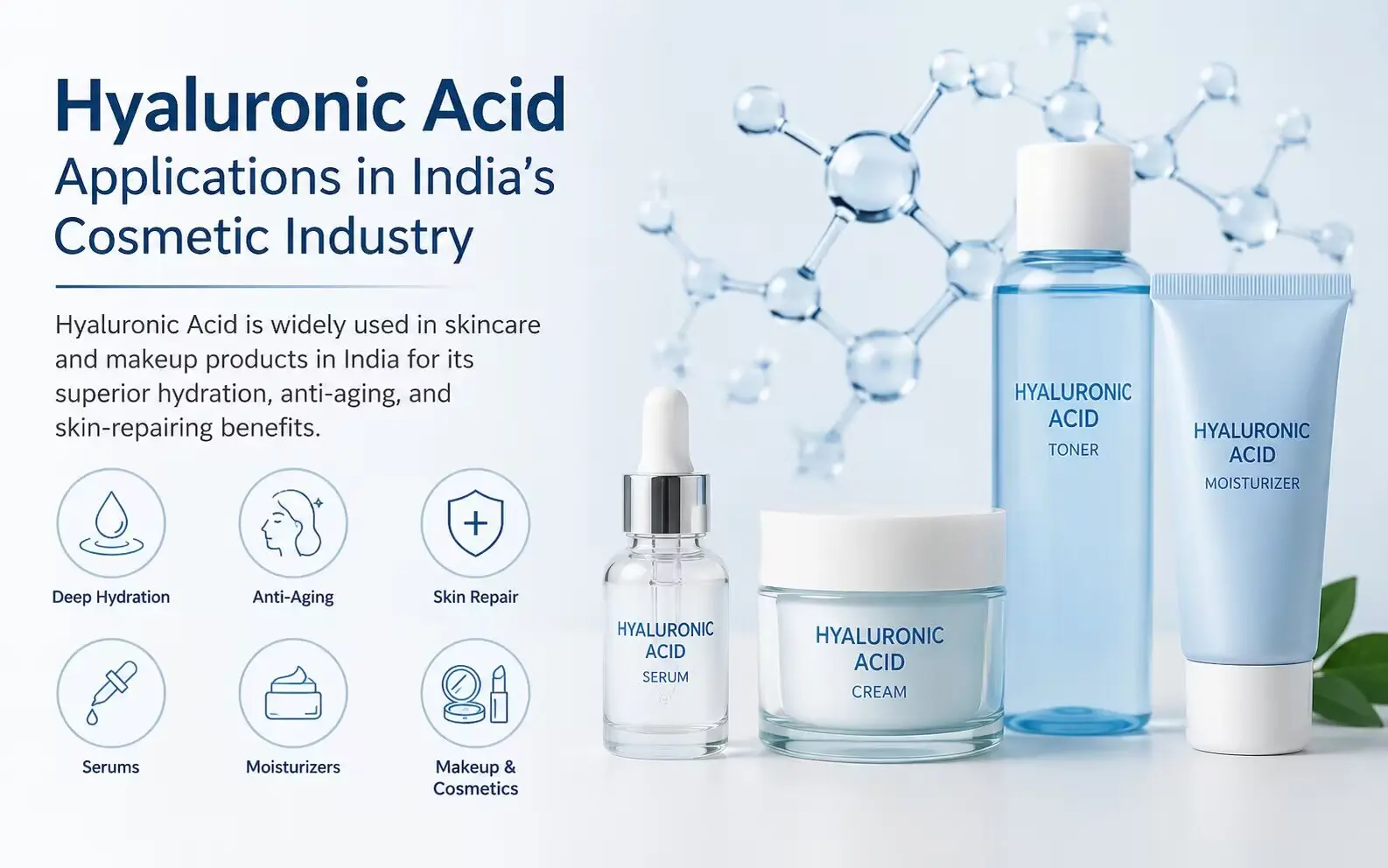
Hyaluronic Acid Applications India Cosmetic Industry

Hyaluronic Acid Applications in India's Cosmetic Industry

A deep-dive review of topical application systems in India’s regional cosmetic market. The article examines the formulation stability of multi-molecular weight HA complexes under challenging, humid climates.

Frequently Asked Procurement Questions

Find direct technical answers regarding quality metrics, logistics, and customizable options for bulk Hyaluronic Acid shipments.

What is the standard purity assay for cosmetic-grade Sodium Hyaluronate powder?
Our cosmetic-grade Sodium Hyaluronate powder maintains a purity assay of no less than 98.0%, calculated on a dry basis. Purity is validated using high-performance liquid chromatography (HPLC) and spectrophotometric assays to ensure low levels of proteins and nucleic acids.
How does molecular weight influence the behavior of an eye serum formulation?
High molecular weight HA (>1.8 MDa) stays on the skin surface to form a moisture-locking barrier. Lower molecular weights (such as our 3–5 kDa ultra-low variant) penetrate deeper into the epidermis, where they support cellular structure and boost local hydration.
Do you offer pre-dissolved Sodium Hyaluronate liquid solutions?
Yes. We produce a stable 1% Sodium Hyaluronate Aqueous Solution. Formulated for cosmetic manufacturing, it helps simplify your production lines by eliminating the time-consuming step of hydrating raw powders.
What quality certifications do your manufacturing plants maintain?
Our partner factories are certified to international standards, including ISO 9001, ISO 22000, and GMP. We also offer vegan-friendly, non-GMO certificates for our bio-fermentation products.

Targeted Chemical Ingredients & Bio-Active Solutions

Browse our selection of food-grade, injection-grade, and whitening-focused ingredients for diverse manufacturing needs.
Vitamin C Food Additive Assay Above 99%

Best Vitamin C Food Additive Assay Above 99% Supplier, Exporter

Get Quote
China Hyaluronic Acid Powder Food Grade CAS No 9004-61-9

China Hyaluronic Acid Powder Food Grade CAS No. 9004-61-9 Manufacturer

Get Quote
Famous Eye Drop Grade Sodium Hyaluronate

Famous Eye Drop Grade Sodium Hyaluronate for Artificial Tears Manufacturer

Get Quote
China Food Grade Oligo Hyaluronic Acid

China Food Grade Oligo Hyaluronic Acid CAS NO. 9004-61-9 Manufacturer

Get Quote
Glabridin Whitening and Anti-Inflammatory Ingredient

Famous Glabridin Whitening and Anti-Inflammatory Ingredient Assay 40% Manufacturer

Get Quote
Vegan Fermentation Derived Hyaluronic Acid Food Grade

Famous Vegan Fermentation Derived Hyaluronic Acid Food Grade Supplier

Get Quote
High Quality Fermentation Derived 1 Percent Cosmetic Grade Hyaluronic Acid

High-Quality Fermentation Derived 1% Cosmetic Grade Hyaluronic Acid Solution

Get Quote
High Quality 1 Percent Sodium Hyaluronate Aqueous Solution Wholesale Price

High-Quality 1% Sodium Hyaluronate Aqueous Solution Wholesale Price Factory

Get Quote
Partner Logo 1 Partner Logo 2 Partner Logo 3 Partner Logo 4 Partner Logo 5