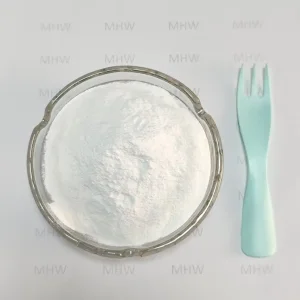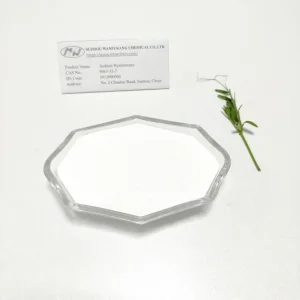
Buy Lactic Acid & Hyaluronic Acid Products & Services

Premium Chemical Supply Chain & Formula Innovation for Cosmetics, Functional Foods, and Medical Grade Formulations

Premium Active Ingredients

Purity-validated molecular solutions engineered for immediate absorption and targeted skin and cellular revitalization.
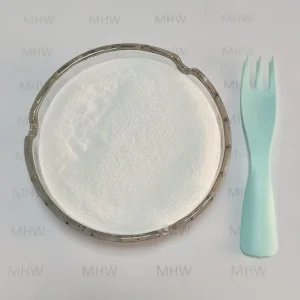
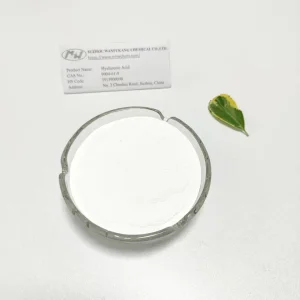
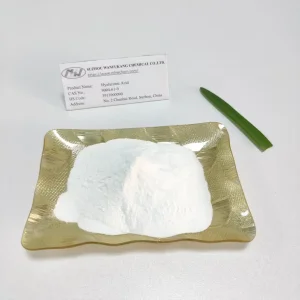
Best Food Grade Sodium Hyaluronate

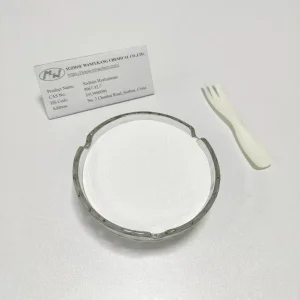
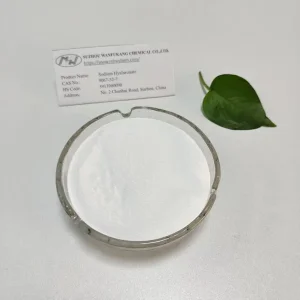
Best Food Grade Sodium Hyaluronate Good Stability Suppliers, Products

View Specifications
Buy Food Grade Hyaluronic Acid

Buy Food Grade Hyaluronic Acid for Skin Health Supplement Supplier, Company

View Specifications
Sodium Hyaluronate Eye Drops Manufacturer

Famous Eye Drop Grade Sodium Hyaluronate for Artificial Tears Manufacturer, Products

View Specifications
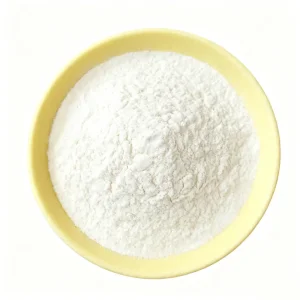
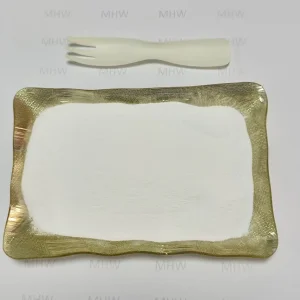
Cosmetic Grade Sodium Hyaluronate Powder

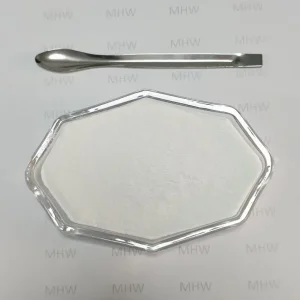
High-Quality Naturally Derived Cosmetic Grade Sodium Hyaluronate Powder Company, Exporters

View Specifications
Non-animal Origin Food Grade Sodium Hyaluronate

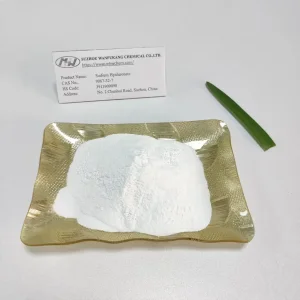
Best Non-animal Origin Food Grade Sodium Hyaluronate Supplier, Exporter

View Specifications
Multiple Molecular Weight Options Supplier

Famous Food Grade Sodium Hyaluronate Multiple Molecular Weight Options Supplier, Product

View Specifications
Eye Drop Grade Hyaluronic Acid

Famous Eye Drop Grade Hyaluronic Acid Pharmaceutical Purity Manufacturer, Exporter

View Specifications
Arbutin Whitening Active Ingredient

High-Quality High Quality Arbutin Whitening Active Ingredient Products, Factory

View Specifications

Global B2B Market Analysis

Understanding the synthesis, distribution, and commercial requirements of Lactic Acid and Hyaluronic Acid systems.

The Industrial Synergy of Lactic Acid & Hyaluronic Acid

In modern dermatological and cosmetic science, the combined application of alpha-hydroxy acids (AHAs), specifically Lactic Acid, and glycosaminoglycans, specifically Hyaluronic Acid (HA), represents a pivotal milestone in structural skincare engineering. Lactic acid behaves as an effective keratolytic agent, breaking down desmosomal links in the stratum corneum to facilitate cellular turnover. This superficial peeling exposes a highly receptive skin layer that readily absorbs external humectants. Conversely, Hyaluronic Acid, acting as a macromolecular moisture binder, forms a non-occlusive viscoelastic film that locks in moisture, thereby offsetting the dry micro-environment that exfoliants occasionally induce.

From a global business perspective, the demand for these bio-compatible agents is surging. The bio-fermentation pathway—utilizing eco-friendly Streptococcus zooepidemicus strains for Hyaluronic Acid and carbohydrate-based Lactobacillus fermentation for Lactic Acid—defines the green standard of modern bio-chemical engineering. B2B buyers must prioritize purity, molecular weight distribution, and source validation (vegan vs. animal-derived) to secure regulatory approval across EU, US, and APAC jurisdictions.

B2B Sourcing Demands & Crucial Parameters

Securing industrial batches of Sodium Hyaluronate or Lactic Acid requires a deep comprehension of the chemical grades needed for distinct vertical markets:

  • Molecular Weight Granularity: High Molecular Weight (HMW) HA (>1.6 MDa) is essential for topical film formation and viscosity adjustment, whereas Ultra-low Molecular Weight (Oligo) HA (<10 kDa) penetrates the deeper mucosal layers for cell signaling and deep hydration.
  • Assay Percentages: Cosmetic formulations demand premium purity profiles, often exceeding 98% to 99% active concentrations, to prevent impurities from triggering allergic contact dermatitis.
  • Pathogen & Endotoxin Controls: Particularly for injection-grade (dermal fillers) and ophthalmological formulations (artificial tears), endotoxin thresholds must be strictly below 0.05 IU/mg.

Key Technical Specifications

  • USP / EP / JP Compliance: Verified raw materials for clinical use.
  • Non-Animal Origins: Certified vegan bacterial fermentation processes.
  • Heavy Metal Thresholds: Below 10 ppm to protect sensitive skin formulations.
  • Custom Aqueous Dilutions: Stable 1% solutions ready for immediate production lines.

Industrial Solutions Catalog

Wanfukang specializes in the development and export of premium cosmetic, pharmaceutical, and food-grade active ingredients.

Cosmetic Grade HA

Assay ≥ 98%, intense topical hydration, optimized skin barrier repair, compatible with Lactic Acid peeling formulas.

Niacinamide Powder

High-assay active ingredient targeting melanocyte reduction and skin brightening. Enhances cell regeneration.

Pure Arbutin

Premium skin-whitening compound, synthesized under strict quality protocols for maximum safety and efficacy.

Coenzyme Q10

Ubiquinone USP grade for dietary supplements and topical antioxidant serums targeting cellular vitality.

Food Acidulant Citric Acid

Assay 99%, acts as an industrial pH buffering agent and food preservative in organic product formulations.

Vitamin A Powder

Stabilized form engineered for food fortification and cosmetic retinol-based anti-aging formulations.

Chondroitin Sulfate

Synergistic joint care compound widely paired with Food Grade Hyaluronic Acid in premium nutraceuticals.

Vitamin C (99%)

Highest chemical purity powder optimized as an antioxidant additive for food products and serum bases.

Global Chemical Partnership Value

Wanfukang's scale and operational metrics reflect our commitment to purity, reliable supply chains, and international compliance.

9+
Years of Industry Experience
500 Tons
Annual Production & Sales Volume
20+
Export Destination Countries
600+
Raw Material Portfolio Managed

Technology Roadmap & Future Outlook

How synthetic biology and eco-friendly extraction techniques are shaping the future of organic acids and cosmetic biopolymers.

Targeted Delivery through Cross-Linking Technology

The future of Lactic Acid and Hyaluronic Acid systems relies heavily on advanced stabilization technologies. Standard linear Hyaluronic Acid molecules are prone to rapid degradation by endogenous hyaluronidase enzymes. By using biocompatible cross-linking agents (such as BDDE), manufacturers can build stable 3D gel networks. This technology extends the half-life of dermal fillers and topical skin matrices from days to months.

Sustainable Bio-Fermentation Pathways

Modern manufacturing facilities are shifting away from traditional animal extraction methods. Culturing Streptococcus zooepidemicus on plant-derived media (peptones and glucose derived from corn) eliminates the risk of viral contamination and meets vegan consumer demands. Similarly, the production of Lactic Acid through optimized bacterial fermentation ensures low environmental impact and steady batch consistency.

The Emergence of Multi-Molecular Weight Matrices

Dermatological research indicates that a single molecular weight of Hyaluronic Acid is not sufficient for complete skin barrier support. Modern formulations utilize multi-molecular weight matrices (combining Oligo-HA, LMW-HA, and HMW-HA in a specific ratio). This allows active compounds to target different skin layers simultaneously, providing immediate hydration and stimulating long-term collagen production.


Future Milestones (2025-2030)

  • AI-Driven Formulations: Speeding up synergy discovery between organic acids and biological polymers.
  • Zero-Carbon Plants: Powering fermentation processes entirely with renewable energy sources.
  • Non-Toxic Cross-linkers: Researching natural cross-linking agents to replace traditional chemicals.
Wanfukang R&D Center Chemical Synthesis Laboratory GMP Production Facility

About Suzhou Wanfukang Chemical Co., Ltd.

Established as a professional chemical exporter, Suzhou Wanfukang Chemical Co., Ltd. specializes in supplying all grades of Sodium Hyaluronate and Hyaluronic Acid. Over the years, we have built a diverse portfolio that includes premium cosmetic ingredients, health food raw materials, and pharmaceutical-grade excipients.

Our manufacturing processes follow strict international standards, including GMP, ISO, and Kosher certifications. By offering reliable quality and flexible packaging, we serve cosmetic brands, food supplement manufacturers, and pharmaceutical companies in over 20 countries.

Industry News & Market Insights

Stay informed with our analysis of global trade flows, regulatory updates, and emerging formulation trends.
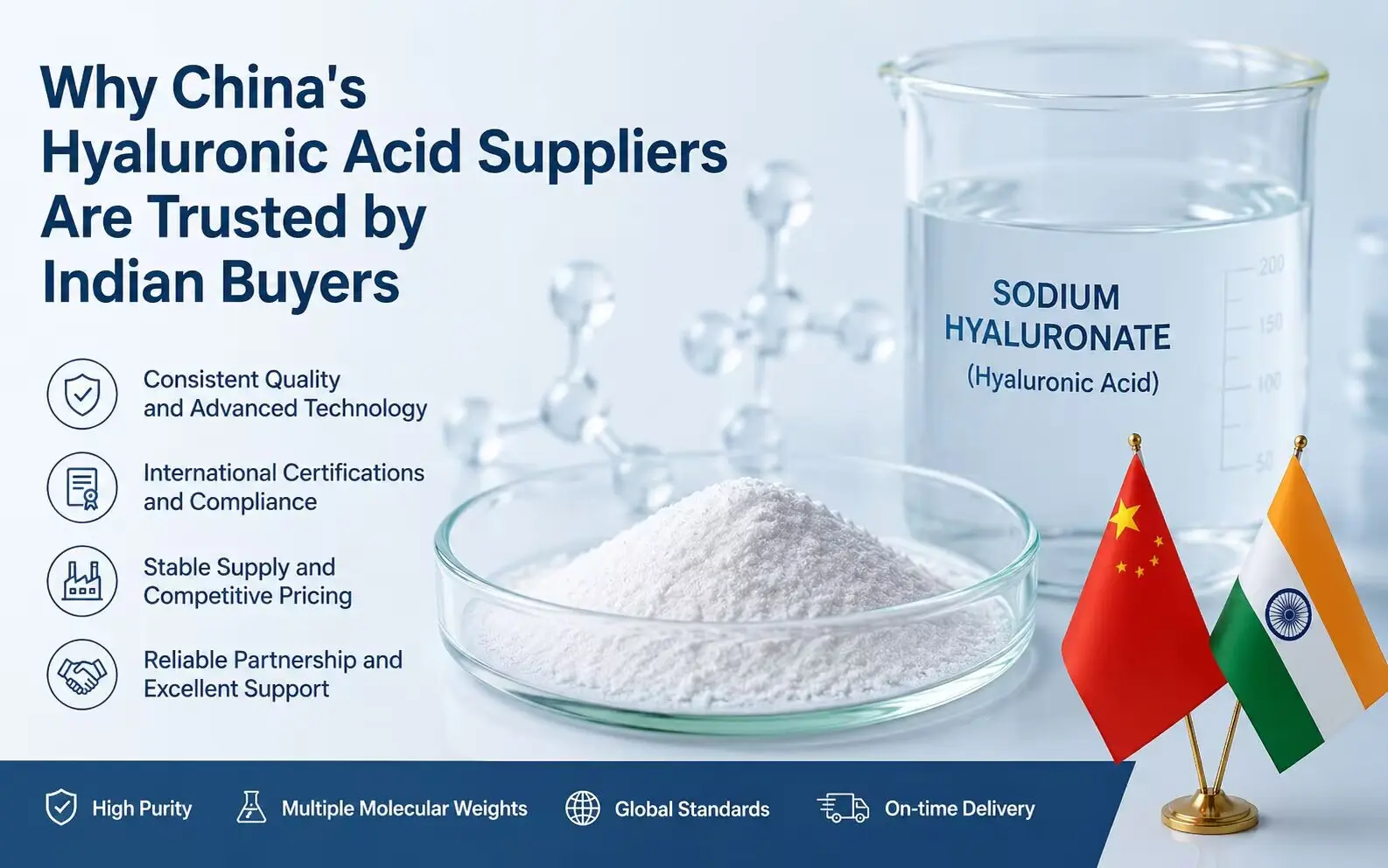
Chinese Hyaluronic Acid Suppliers India

Why Chinese Hyaluronic Acid Suppliers Are Trusted by Indian Buyers

As India's cosmetic, pharmaceutical, and health supplement industries continue to grow, buyers are increasingly sourcing from China. Chinese suppliers offer a strong combination of cost-efficiency, reliable logistics, and high-purity ingredients. This article discusses the factors driving this trade relationship.
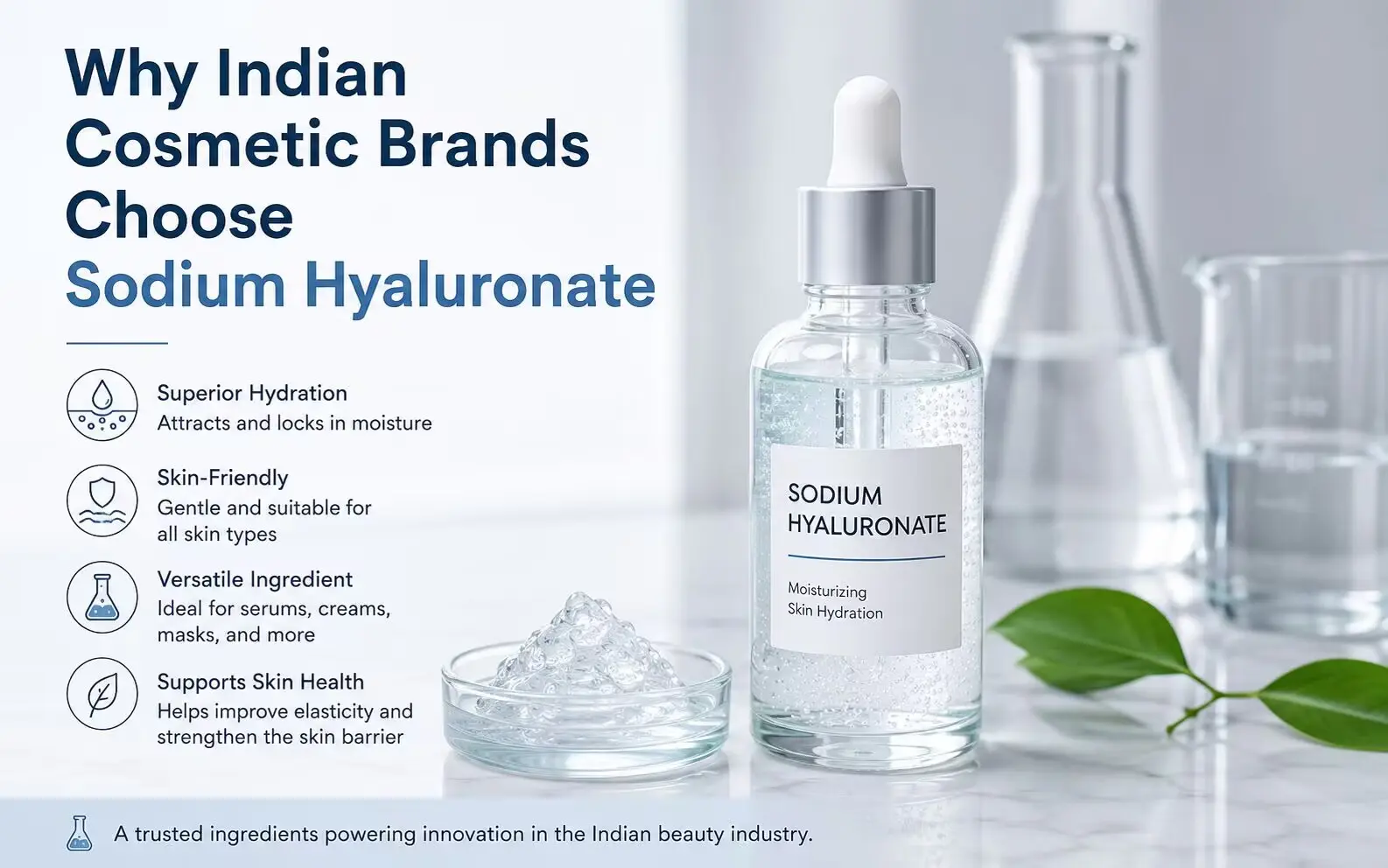
Indian Cosmetic Brands Sodium Hyaluronate

Why Indian Cosmetic Brands Choose Sodium Hyaluronate

With rising consumer demand for safe and effective skincare in India, local beauty brands are focusing on key active ingredients. Sodium hyaluronate has become a standard addition to serums, moisturizers, and sunscreens due to its reliable hydrating properties and compatibility with other actives.
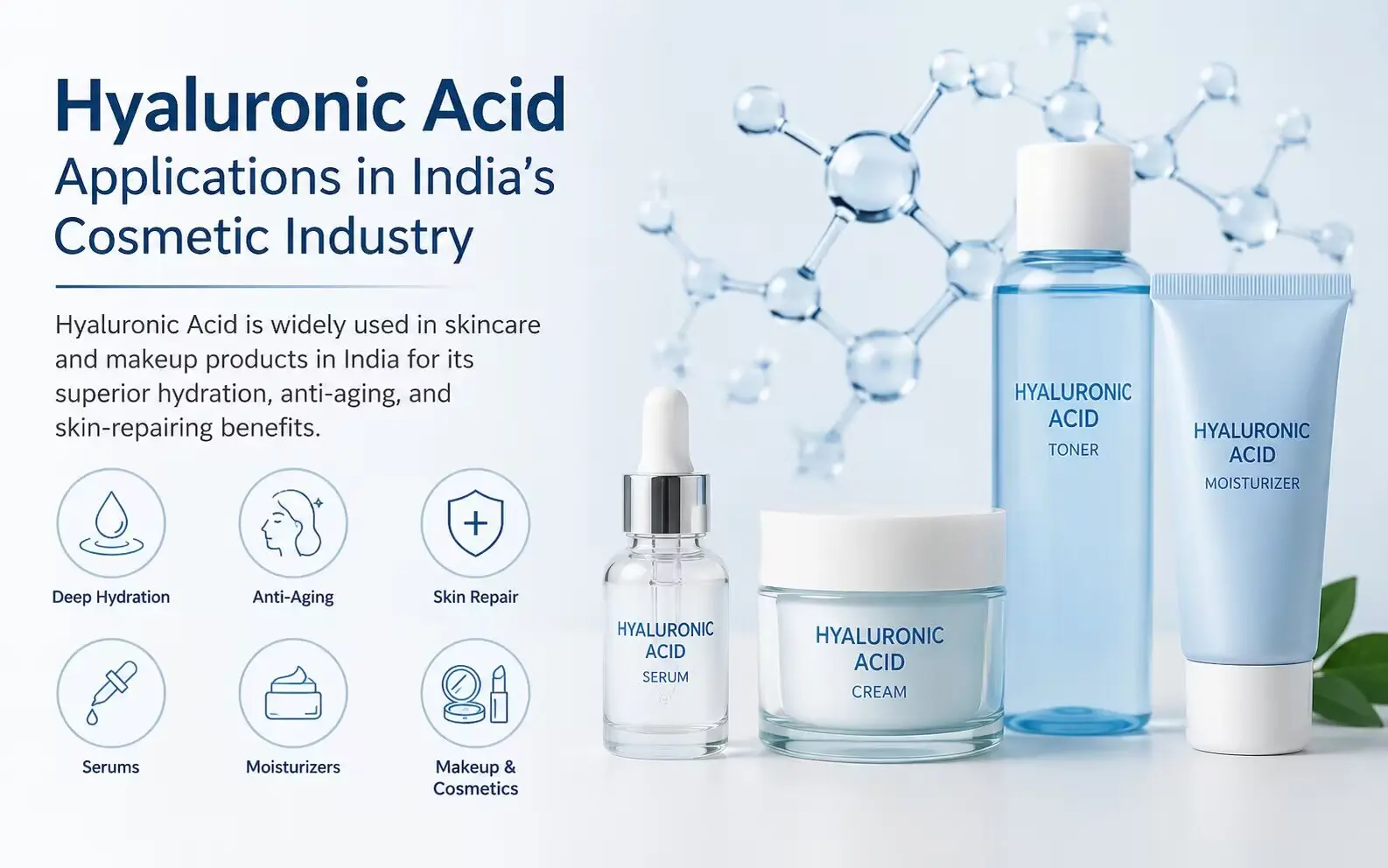
Hyaluronic Acid India Cosmetic Industry

Hyaluronic Acid Applications in India's Cosmetic Industry

From professional dermatological formulations to daily skincare products, Hyaluronic Acid is a staple ingredient in the Indian beauty market. This report examines how brands adapt their formulations to match regional climates and consumer preferences.

Frequently Asked Questions & Technical Support

Get direct answers to common questions about molecular science, shipping, and formulation compatibility.

Can Lactic Acid and Hyaluronic Acid be formulated together?
Yes, they work well together in skincare formulations. Lactic Acid exfoliates the outer skin layer, which helps Hyaluronic Acid penetrate and hydrate more effectively. When formulating, keep the pH balanced (typically between 3.5 and 4.2) to ensure both ingredients remain stable and active.
What are the differences between Cosmetic, Food, and Pharmaceutical grades?
Cosmetic-grade ingredients focus on skin absorption, purity (usually ≥98%), and scent control. Food-grade ingredients are optimized for digestion, joint support, and stability in dietary supplements. Pharmaceutical-grade ingredients require the highest purity levels, low endotoxin limits, and strict sterilization, making them suitable for eye drops and medical injections.
How does molecular weight affect Hyaluronic Acid performance?
High molecular weight HA forms a moisturizing barrier on the skin's surface. Low and ultra-low molecular weight HA can penetrate deeper into the skin layers to support tissue repair and long-term hydration. Choosing the right molecular weight depends on the target application of your product.
What quality certifications does Wanfukang provide?
We provide full documentation for our products, including Certificate of Analysis (COA), MSDS, ISO registration, and documentation verifying GMO-free, vegan-compliant production.

Specialized Formulations & Derivatives

Targeted raw materials and ready-to-use liquid solutions developed for high-performance production lines.
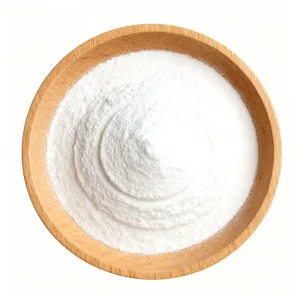
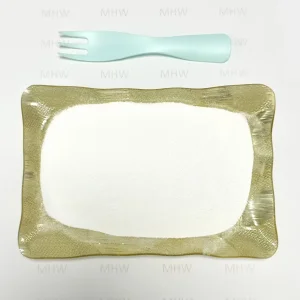
Best Vitamin C Food Additive

Best Vitamin C Food Additive Assay Above 99% Supplier, Exporter

View Specifications
Stable Molecular Weight Cosmetic Ingredient

Famous Sodium Hyaluronate Stable Molecular Weight Cosmetic Ingredient Manufacturers

View Specifications
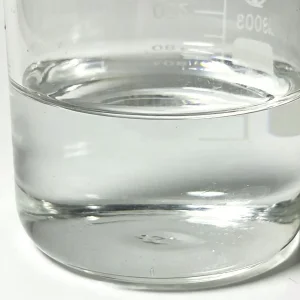
Hyaluronic Acid 1% Solution

Best Cosmetic Grade Hyaluronic Acid 1% Solution Clear Liquid Product, Factories

View Specifications
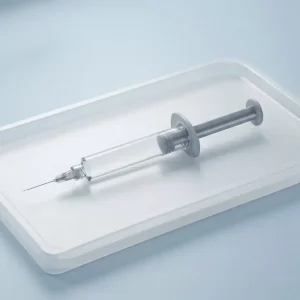
Certified Hyaluronic Acid Dermal Filler

Best Certified Hyaluronic Acid Dermal Filler with GMP Facility Products, Factory

View Specifications
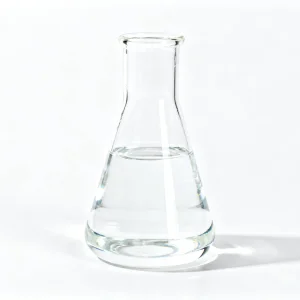
Low Molecular Weight Solution

High-Quality 1% Low Molecular Weight Sodium Hyaluronate Solution Company, Factories

View Specifications
Ultra-low Molecular Weight Hyaluronic Acid

High-Quality Cosmetic Grade Ultra-low Molecular Weight Hyaluronic Acid Manufacturers

View Specifications
Cosmetic Grade Hyaluronic Acid 1200-1500 kDa

Buy Cosmetic Grade Hyaluronic Acid 1200-1500 kDa Supplier, Product

View Specifications
Injection Grade Sodium Hyaluronate

High-Quality Safety Injection Grade Sodium Hyaluronate Powder Low Endotoxin

View Specifications