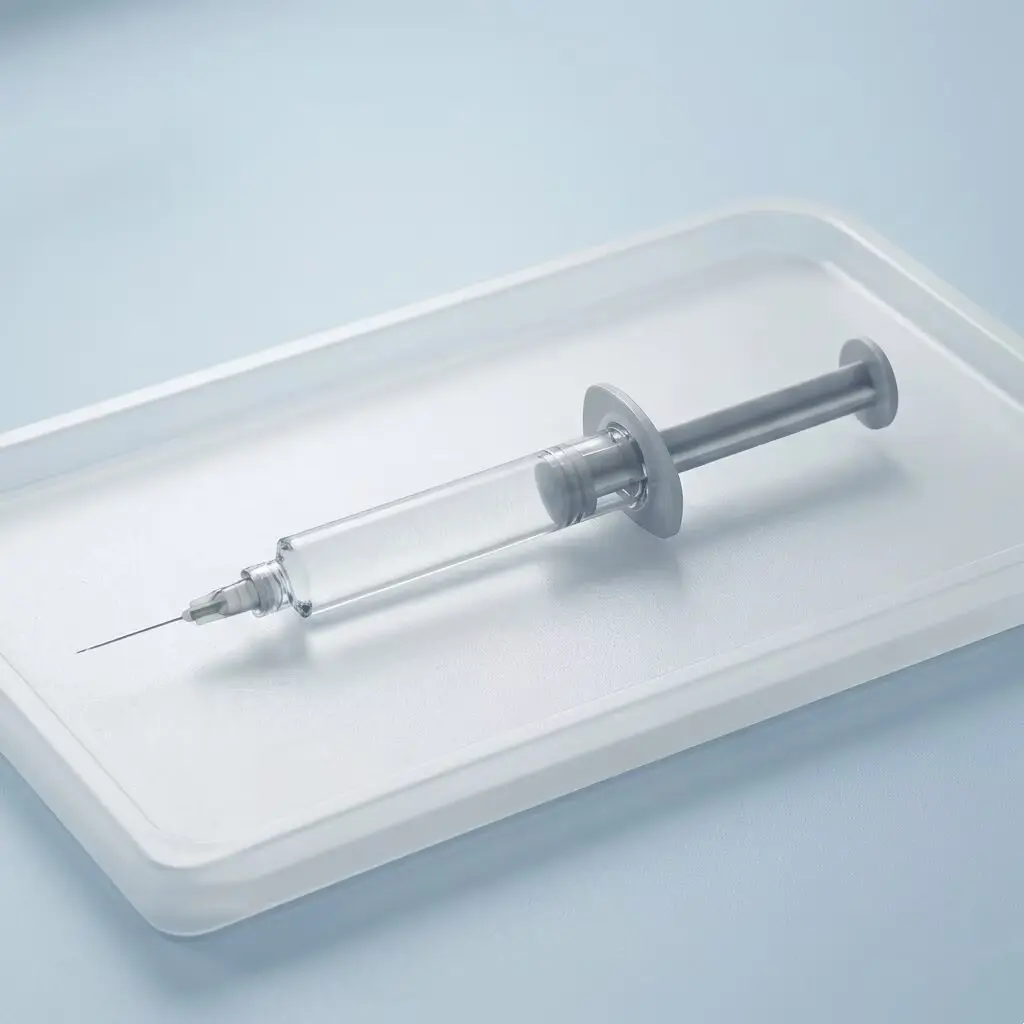



Best Certified Hyaluronic Acid Dermal Filler with GMP Facility Products, Factory

Our hyaluronic acid fillers are fully certified and produced under a GMP-compliant manufacturing system, helping to deliver safer, higher-quality aesthetic results. Formulated with carefully selected, high-purity sodium hyaluronate and advanced proprietary technology, our fillers ensure smooth injection and deliver stable, predictable outcomes. For professionals committed to delivering exceptional quality and enhancing patient satisfaction, this is a reliable choice.

Product Description

How to choose proper dosage & Injections areas

Hyaluronic Acid Dermal Fillers can be used across multiple facial zones to restore volume, improve symmetry, and enhance facial contours. Different facial areas require different product characteristics to achieve optimal results:

Upper Face (Forehead, Temples)

  • Used to correct hollowing and improve facial balance
  • Requires medium viscosity and smooth gel texture
  • Ensures natural transition and soft contouring effect

Mid Face (Cheeks, Apple Cheeks)

  • Key area for volume restoration and lifting effect
  • Requires medium–high G’ (elasticity) fillers
  • Helps enhance facial projection and youthful fullness

Nose (Bridge, Tip)

  • Focus on structural support and precise shaping
  • Requires high cross-linked, strong lifting capacity filler
  • Maintains stable and long-lasting nasal contour

Lower Face (Nasolabial Fold, Jawline, Chin)

  • Used for wrinkle correction and facial contour definition
  • Different viscosities selected based on treatment goals
  • Helps improve sagging and redefine facial outline

Key Principle: Structural areas use high-support hyaluronic acid fillers, while fine-line areas require softer and more flexible formulations.

Dosage Control: Customized Treatment Based on Clinical Needs

There is no fixed dosage for hyaluronic acid injections. The amount is determined by professional evaluation of facial condition and treatment goals.

Mild correction 0.5 ml
Moderate volume loss 1.0 ml
Full contouring or multi-area treatment 1.5 ml or staged injection
Dosage and Injection Areas Diagram

Key Factors Affecting Dosage Selection

1. Degree of Volume Loss

Deeper wrinkles or significant hollowing require higher dosage or layered injection strategy.

2. Injection Area Characteristics

  • Tear trough: low volume, high precision
  • Cheeks: moderate to high volume support
  • Chin & jawline: structural shaping may require higher dosage

3. Product Rheological Properties

Professional selection depends on:

  • Cross-linking density (stability & longevity)
  • G’ value (lifting & support strength)
  • Viscosity & elasticity (natural integration with tissue)

Important Notice

Hyaluronic Acid Fillers should be administered by qualified medical professionals in a clinical setting. Proper injection technique and dosage control are essential to ensure safety and optimal Facial Contouring results.

Frequently Asked Questions

How do different facial areas affect the choice of dermal filler?

Different facial zones require specific filler properties. For example, structural areas like the nose and chin require high cross-linking and strong lifting capacity (high G' value), while softer, more flexible formulations with medium viscosity are preferred for fine-line areas or soft contouring in the upper face.

What is the typical dosage range for a hyaluronic acid injection?

The dosage is determined individually based on clinical evaluation. Standard guidelines suggest 0.5 ml for mild corrections, 1.0 ml for moderate volume loss, and 1.5 ml or staged injections for full contouring or multi-area treatments.

What key factors influence the selection of the correct filler dosage?

Dosage selection is primarily influenced by the degree of volume loss (deeper wrinkles require more volume), specific characteristics of the target area (such as the high-precision tear trough versus high-volume cheeks), and the filler's rheological properties (viscosity, elasticity, and G' value).

Why do the rheological properties of a product matter?

Rheological properties, including cross-linking density, G' value, and viscosity/elasticity, dictate how the filler behaves post-injection. They determine its stability, lifting strength, and how naturally the gel integrates with the surrounding facial tissues.

Can dermal fillers be safely administered at home?

No. Hyaluronic Acid Fillers must always be administered by qualified medical professionals in an authorized clinical setting to guarantee precise injection technique, proper dosage control, and patient safety.
Related Products