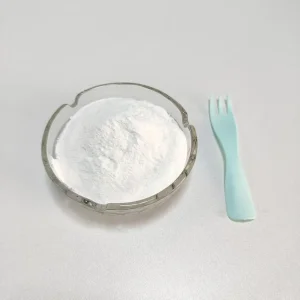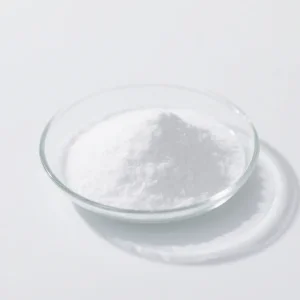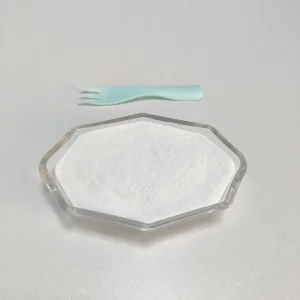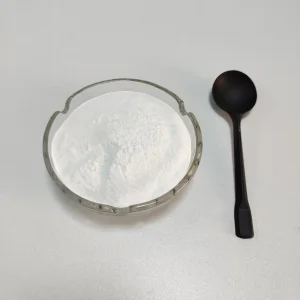
Direct supply paths for multi-molecular weight, high-assay, and sterile injection-grade active chemical components.
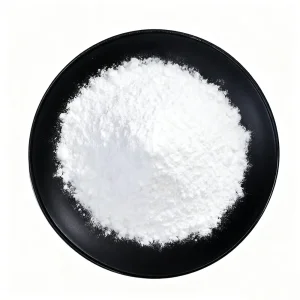
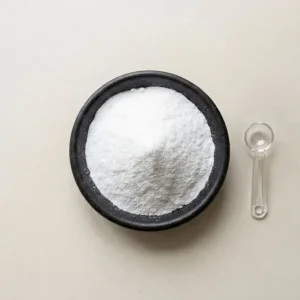
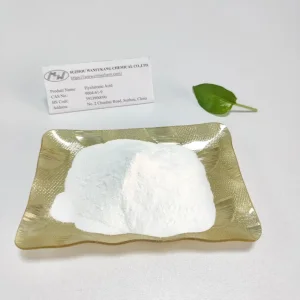
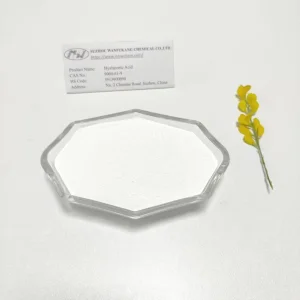
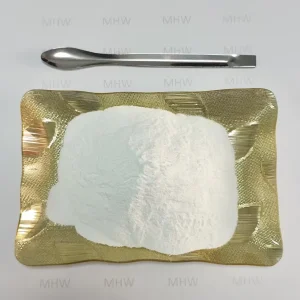
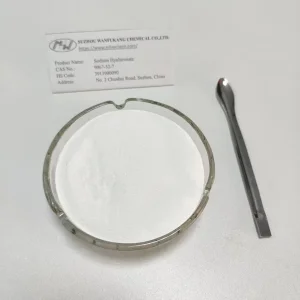
In the contemporary cosmetic, pharmaceutical, and nutraceutical industries, the philosophy of "minimalism" has evolved from a branding trend into a strict chemical and formulation directive. High-purity, minimalist Sodium Hyaluronate (HA) represents a raw material that contains zero chemical cross-linking residues, low heavy metals, and is free of extraneous additives. It is bio-synthesized to deliver native hydration, high bioavailability, and exceptional compatibility with skin cells and biological tissues.
As sourcing groups transition to buying directly from specialized Minimalist Hyaluronic Acid factories, validating the chemical integrity, processing standard, and quality controls of the manufacturer becomes paramount. This whitepaper delivers actionable intelligence and analytical benchmarks for procurement executives looking to secure highly stable, reliable batches of Sodium Hyaluronate from premier Chinese manufacturers.
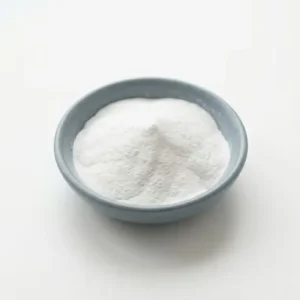
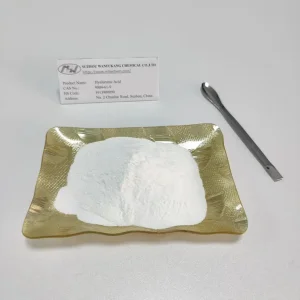
Traditional HA production methods sometimes utilize excessive precipitation agents or organic solvents that leave trace residues in the final white powder. A minimalist production factory focuses on deep purification processes, primarily advanced membrane filtration and alcohol-precipitation techniques, that maximize purity (often exceeding 98% active assay) without relying on stabilizer additives or residual chemical catalysts.
Crucial for eye drop and injection grade raw materials, ensuring standard endotoxin controls under 0.05 IU/mg.
Targeted segmentation from Oligo HA (<10 kDa) to Ultra-High Molecular Weight (>2.0 MDa) using enzymatic degradation.
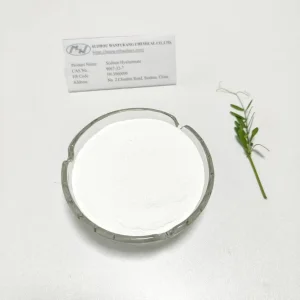
China hosts the world’s most robust and vertically integrated biopolymer production ecosystem. Factories like Suzhou Wanfukang Chemical Co., Ltd leverage advanced microbial fermentation of Streptococcus zooepidemicus on safe, non-animal-derived agricultural substrates. This industrial synergy ensures:
Buying from a minimalist hyaluronic acid factory requires verifying certifications that validate compliance with global pharmacopoeias. Successful procurement programs focus on the following validation steps:
First, analyze the raw material assay. A standard cosmetic grade should demonstrate a purity of no less than 95.0%, with premium products achieving 98.0% or higher. For eye drops and injection-grade active pharmaceutical ingredients (APIs), the specifications are far tighter, demanding rigorous control of bacterial endotoxins, heavy metals, and nucleic acids. Second, audit the facility's GMP (Good Manufacturing Practice) credentials. Reliable manufacturers maintain ISO 9001, ISO 22716, and cosmetic GMP status, ensuring cleanroom environments that prevent micro-contamination during spray-drying and milling phases.
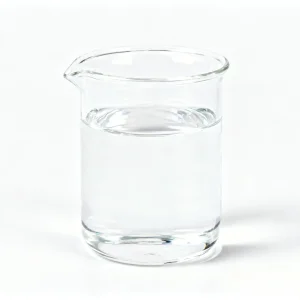
When shipping internationally to markets such as the USA, Europe, India, and South America, localized regulatory support makes the difference between swift customs clearance and months of compliance delays. Reputable factories provide comprehensive document dossiers, including REACH registration (Europe), DMF filings (USA), and CDSCO compliance files for Indian cosmetic and pharmaceutical buyers. Localization also means offering custom particle-size distributions and sterile liquid pre-mixtures (such as 1% Sodium Hyaluronate Aqueous Solution) to bypass initial processing steps in buyer facilities.
The industry is moving swiftly from simple, single-molecular-weight hyaluronic acid to multi-dimensional moisturizing networks (like 4D Hyaluronic Acid) and functionalized variations. By cross-linking distinct molecular weights, manufacturers create a biological matrix that hydrates multiple skin layers simultaneously. Furthermore, the rising demand for food-grade HA in joint supplements and nutricosmetics means factories must maintain high food safety certifications (such as HACCP, Kosher, and Halal) alongside cosmetic and pharmaceutical standards.


Specializing in the development, fermentation, and export of cosmetic, food, and functional ingredients globally.
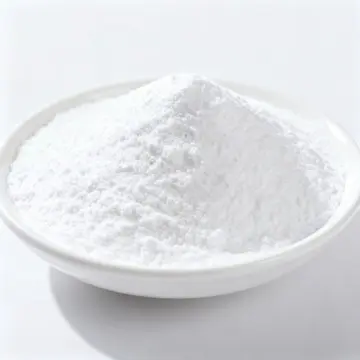
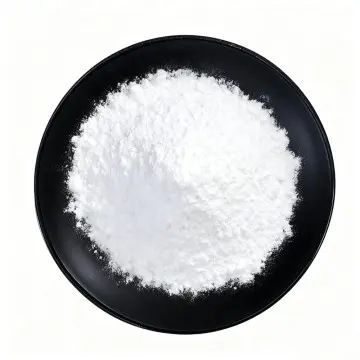
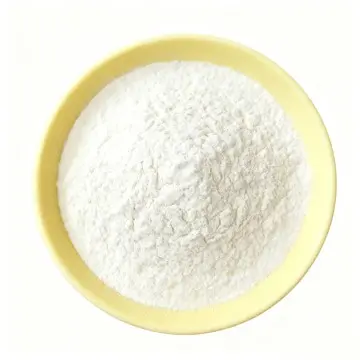
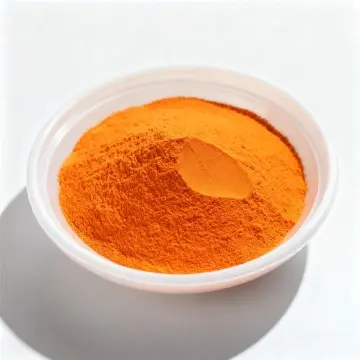
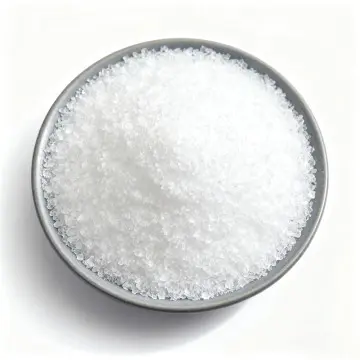
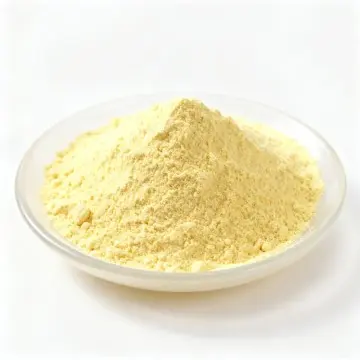
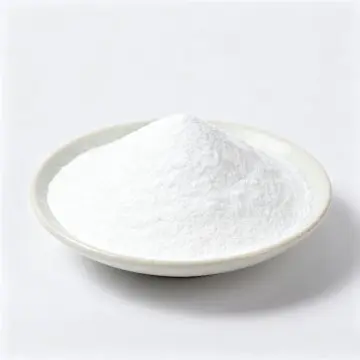
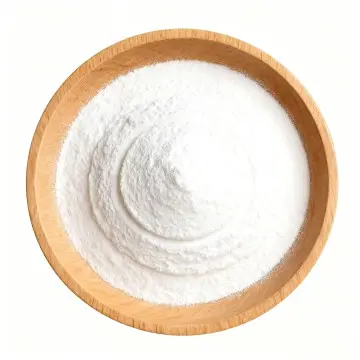
Bridging Chinese biopolymer manufacturing capabilities with strict global entry requirements.
With the expansion of the cosmetics market in India, brands are actively sourcing Sodium Hyaluronate to combat the effects of warm climates and pollution, demanding highly stable, non-sticky grades with rapid absorption properties.
Our minimalist hyaluronic acid manufacturing processes comply with European Union chemical guidelines. Every shipment is fully registered under REACH, guaranteeing uninterrupted access to Western European production centers.
We maintain active Drug Master Files (DMF) for pharmaceutical grades. These APIs match USP/EP/JP specification sheets, enabling cosmetic injectables and medical device developers to bypass lengthy safety trials.
Expert coverage on global trends, supply shifts, and regional market analysis for B2B buyers.
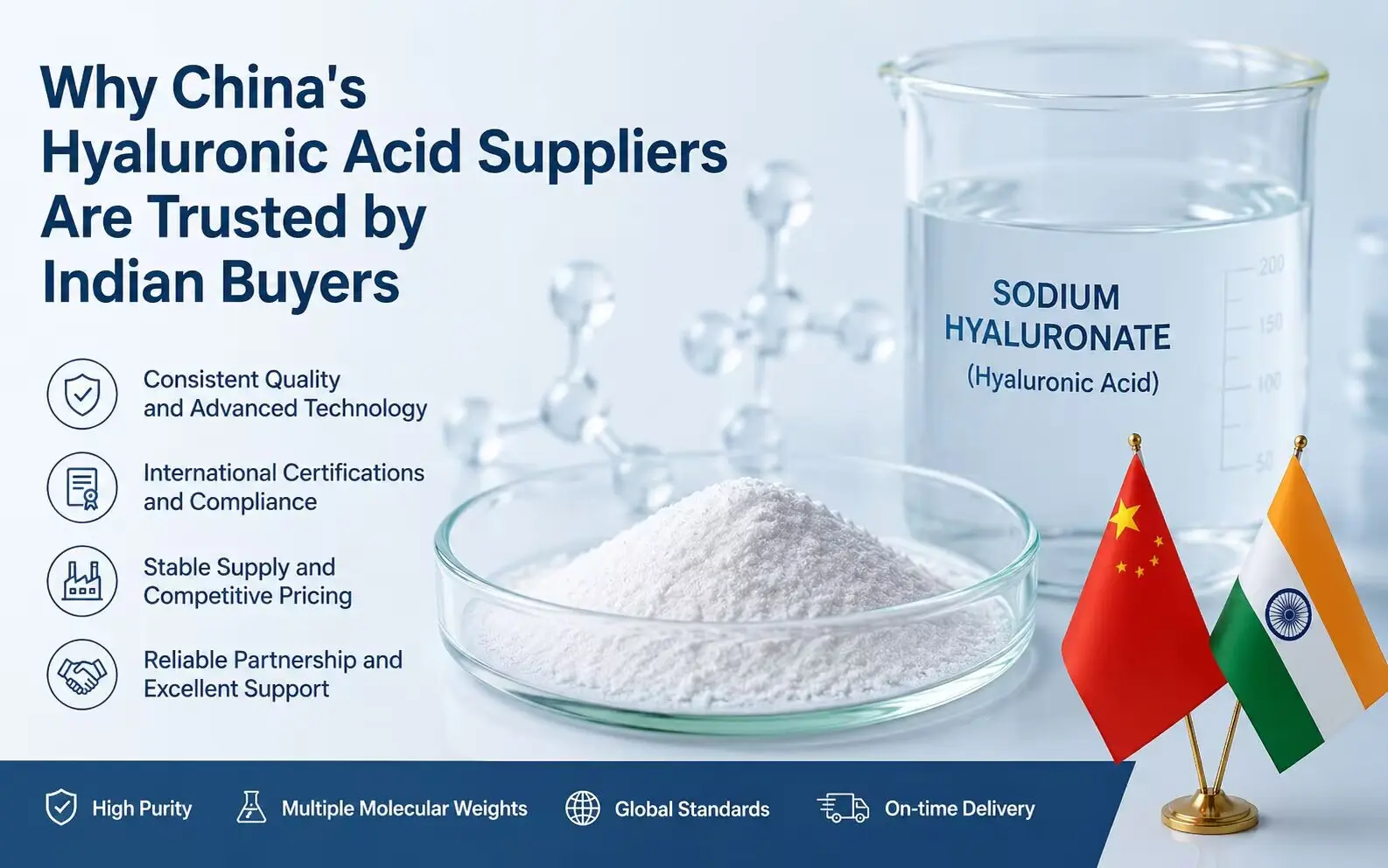
Detailing how Indian cosmetics, pharmaceutical, and health product sectors leverage Chinese HA manufacturing consistency to meet expanding local demand.
Read Full Report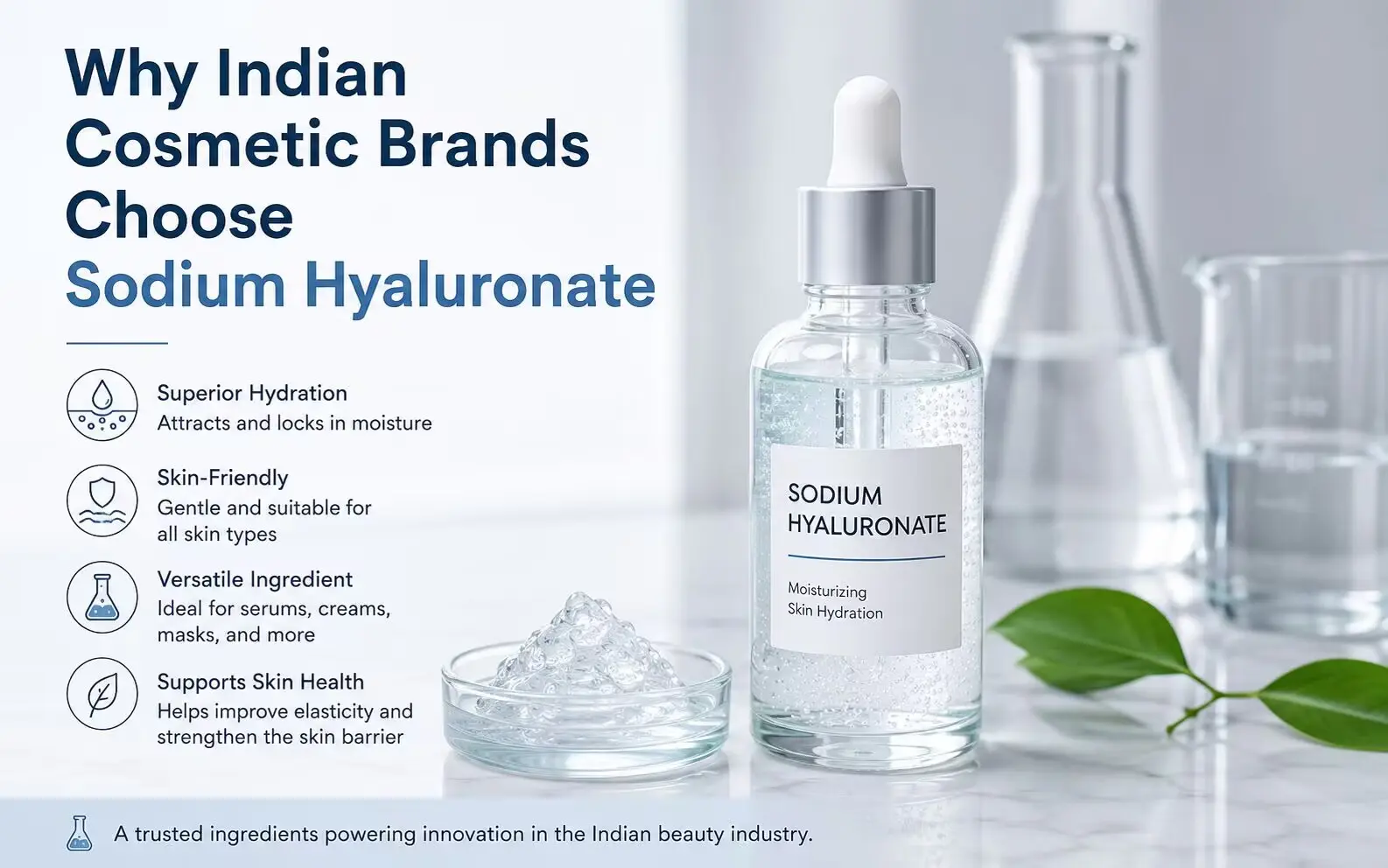
An in-depth look at how moisturization technology forms the backbone of premium serums, face masks, and makeup products across South Asia.
Read Full Report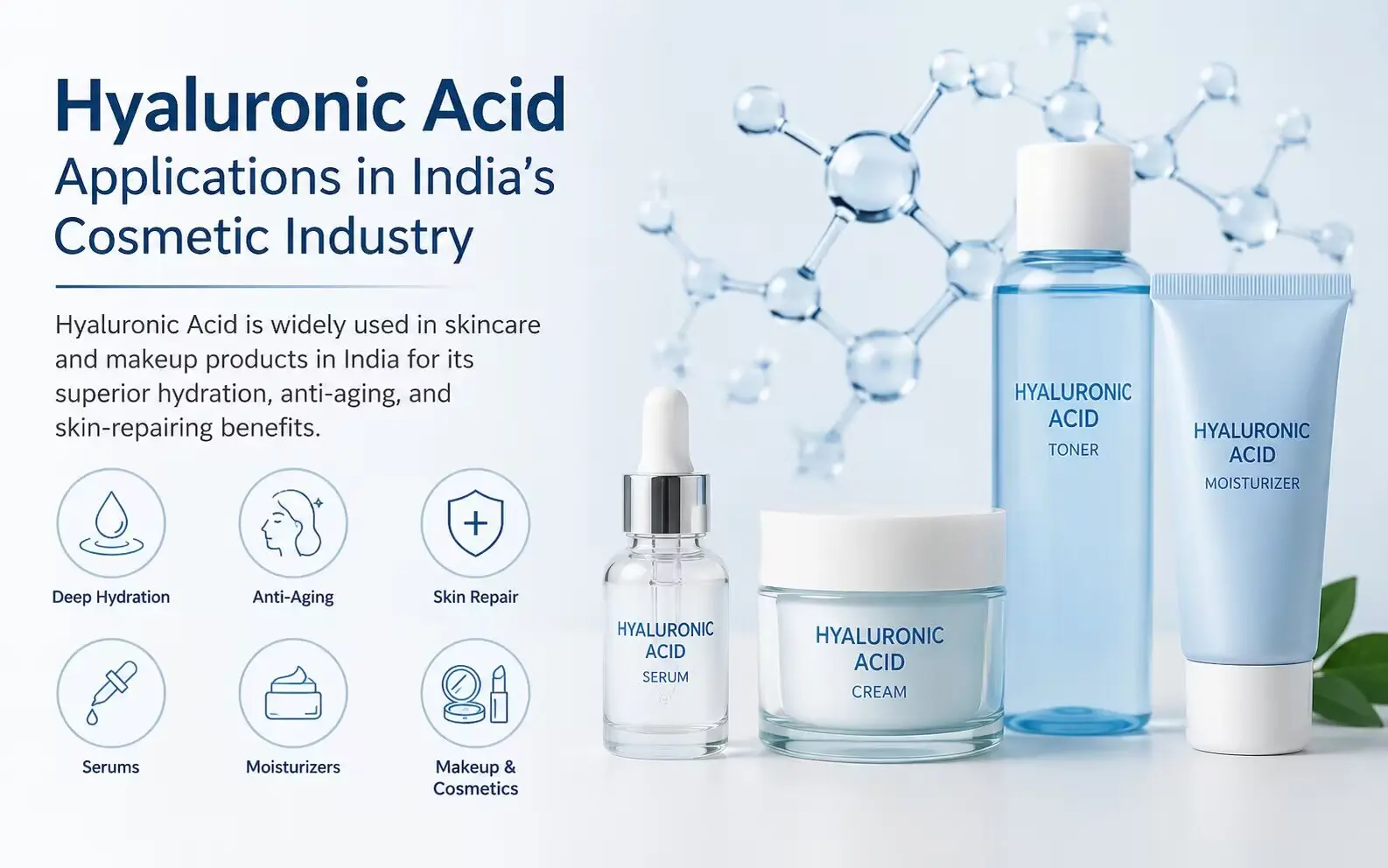
Exploring formulation adjustments required to maintain HA stability in warm humid conditions, emphasizing cross-linked and low-MW variants.
Read Full ReportDirect technical answers from our laboratory and compliance engineering teams.
It refers to a manufacturing methodology that avoids organic chemical cross-linking residues and synthetic stabilizers. The result is a pure, biocompatible Sodium Hyaluronate powder with high chemical stability, suitable for sensitive cosmetic formulations and injectables.
We use state-of-the-art enzymatic degradation processes. By utilizing natural enzymes rather than harsh acid hydrolysis, we can target precise molecular weights (such as Oligo HA at <10 kDa, Medium MW at 200-600 kDa, and High MW at >1.5 MDa) without degrading the chemical purity of the polymer backbone.
Every commercial batch is supplied with a comprehensive Certificate of Analysis (COA), heavy metals report, microbiology screening sheet, and standard safety data sheet (SDS). For pharmaceutical orders, we also supply GMP compliance certificates and DMF references.
With an annual output exceeding 500 tons, our multi-stage fermentation facility ensures high stock reserves. We partner with international shipping hubs to guarantee seamless customs clearance and shipping routes to Asia, Europe, and the Americas.
Yes. All our Hyaluronic Acid and Sodium Hyaluronate products are manufactured via microbial fermentation using non-animal-derived starting materials. This guarantees compatibility with vegan, clean-label, and halal/kosher dietary and cosmetic specifications.
Collaborating with leading research institutions and logistics networks globally.

Direct access to industrial chemical listings, supply channels, and batch quotations.