Providing custom biological solutions with varying molecular weights for clinical, cosmetic, and food industries.
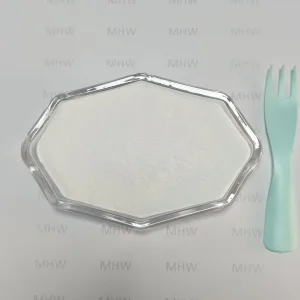
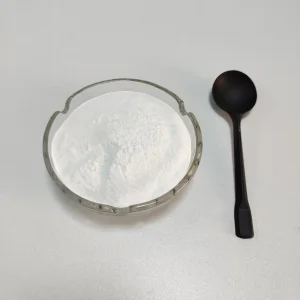
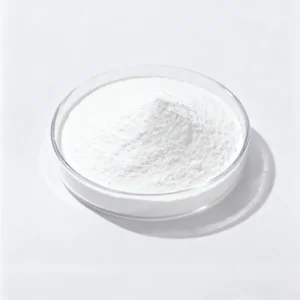
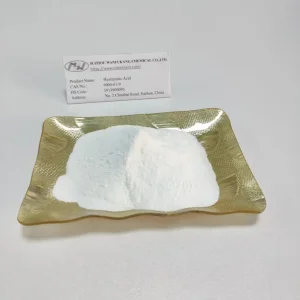
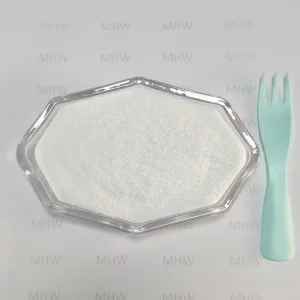
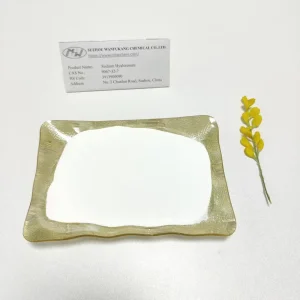
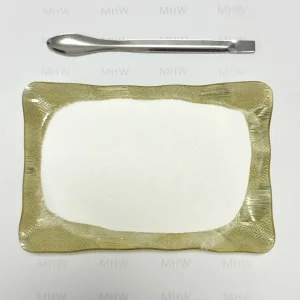
Hyaluronic Acid (HA), chemically known as Sodium Hyaluronate, has evolved from a niche biochemical compound into a cornerstone molecule for global skincare, clinical orthopedics, ophthalmology, and dietary wellness. As one of the most effective hydrophilic biopolymers found naturally in the extracellular matrix of mammalian tissues, its primary value lies in its unparalleled moisture-binding capacity—retaining up to 1,000 times its own molecular weight in water.
Historically extracted from animal sources such as rooster combs, the modern industry has pivoted completely to microbial fermentation using optimized strains like Streptococcus equi subsp. zooepidemicus. This biotechnological leap ensures highly standardized molecular weights, virtually eliminates zoonotic viral contamination risks, and meets strict ethical parameters (kosher, halal, and vegan). Today's global market demands tailored physical characteristics, forcing manufacturers to refine their filtration, purification, and drying processes to supply highly specific grades ranging from Oligo-HA (under 10 kDa) to Ultra-High Molecular Weight (above 2.0 MDa).
Understanding the rheological behaviors and physiological outcomes of different Hyaluronic Acid molecular weights is crucial for precise formulating:
| Classification | Molecular Weight Range | Primary Bio-activity | Industrial Application |
|---|---|---|---|
| Oligo / Mini Hyaluronic Acid | < 10 kDa (Enzymatic Degradation) | Transdermal penetration, cellular signal activation, deep hydration | Anti-aging serums, deep tissue repair treatments |
| Low Molecular Weight (LMW) | 10 kDa - 100 kDa | Epidermal layer hydration, reinforcing intercellular junctions | Moisturizers, essence sprays, and sheet masks |
| Medium Molecular Weight (MMW) | 100 kDa - 1.0 MDa | Natural barrier enhancement, film-forming protection | Daily body lotions, sunscreens, and basic creams |
| High Molecular Weight (HMW) | 1.0 MDa - 1.8 MDa | Macro-viscosity, surface moisture preservation, film protection | Ophthalmic lubricants, protective topicals |
| Ultra-High / Cross-Linked | > 2.0 MDa or BDDE Crosslinked | Viscoelastic buffering, slow enzymatic degradation, tissue volumizing | Dermal fillers, intra-articular injections, artificial tears |
China has emerged as the uncontested powerhouse of raw sodium hyaluronate production, accounting for over 75% of global market supply. This dominance is not simply a result of pricing structures, but rather a reflection of robust technological clusters, raw material supply security, and rigorous manufacturing efficiency.
Chinese fermentation facilities integrate high-output bio-reactors with closed-loop computerized controls that maintain critical pH, dissolved oxygen, and nutrient feeds. This systematic approach results in high yield consistency and minimizes batch-to-batch deviations. Additionally, local access to high-purity carbon sources (derived from domestic corn and wheat fermentation crops) creates a stable vertical supply chain completely insulated from global logistical shocks. Our facilities in Suzhou, Jiangsu Province, leverage these regional logistics hubs to ship standardized packaging globally, guaranteeing lead times within days rather than weeks.
The next decade of Hyaluronic Acid synthesis focuses on three technological horizons:
Moving beyond traditional wild-type pathogenic strains, researchers are engineering food-safe hosts such as Bacillus subtilis and Saccharomyces cerevisiae to express HA. This completely eliminates the threat of exotoxins and allows for direct extraction from fermentation broths with minimal purification chemicals.
To increase the half-life of HA in human tissues without generating toxicity, manufacturers are exploring natural cross-linkers like genipin and dynamic covalent bonds (Schiff base reaction) to replace synthetic cross-linkers like BDDE. This will revolutionize dermal filling and drug delivery systems.
Pre-formulated matrix blends combining 3D networks of high, medium, and low molecular weights are designed to mimic the natural dermal composition. These matrices provide simultaneous surface-level plumping and deep-tissue matrix regeneration.
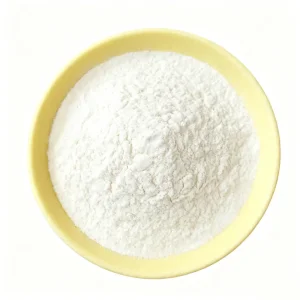
Depending on your regional market, incorporating Pure Hyaluronic Acid Powder requires compliance with specific regulatory standards:
Wanfukang specializes in the development and export of cosmetic, food, and functional ingredients.
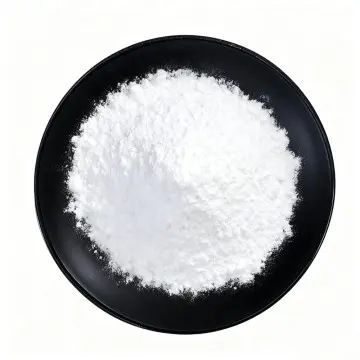
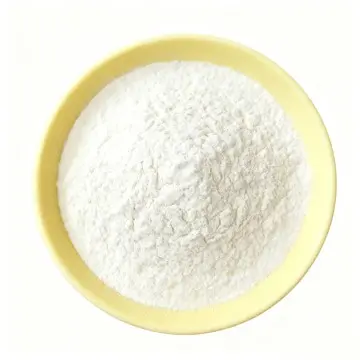
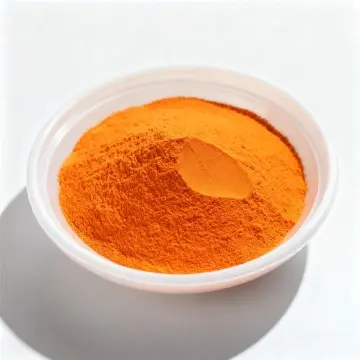
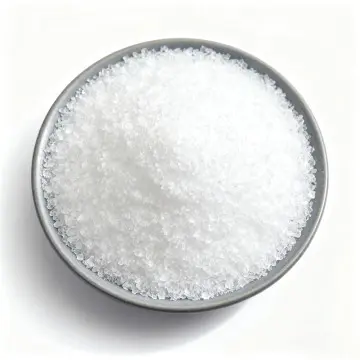



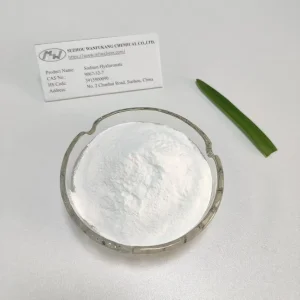
Suzhou Wanfukang Chemical Co., Ltd. is a professional manufacturer and global supplier of Sodium Hyaluronate and Pure Hyaluronic Acid.
As a specialized chemical corporation, we provide every grade of sodium hyaluronate, including food grade, cosmetic grade, and pharmaceutical grade. With the expansion of our technical capability, our business has extended to cosmetic active ingredients, health food raw materials, and pharmaceutical excipients. Many of our high-end biopolymers are applied globally for advanced cosmetics, joint health formulas, and ophthalmic formulations.
Learn More →Expert answers addressing the chemical, structural, and supply inquiries of our global partners.
Insights into regional supply dynamics and formulation trends in emerging cosmetic sectors.
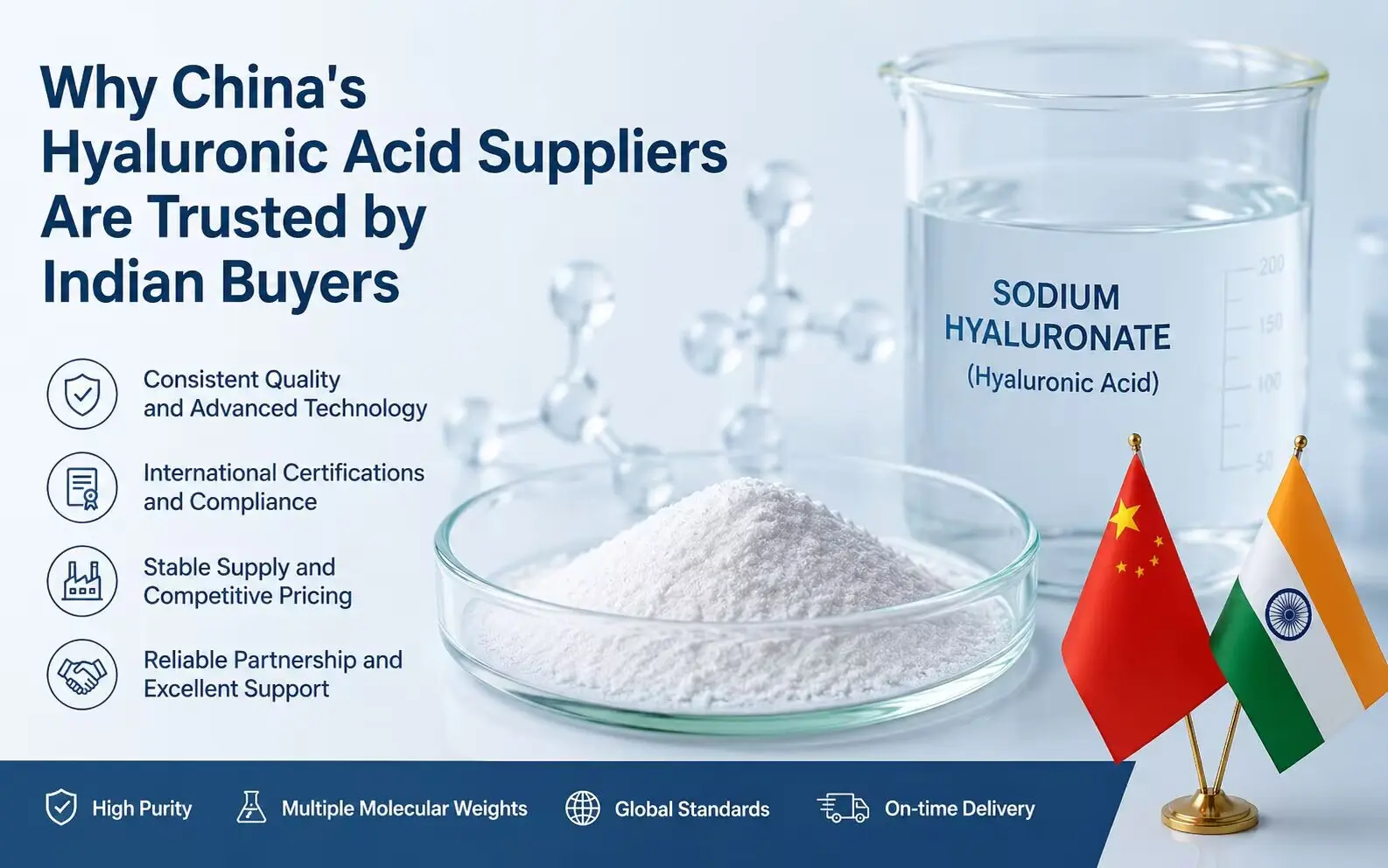
In recent years, with the rapid development of India's cosmetics, pharmaceutical, and food supplement sectors, buyers rely on Chinese suppliers for steady pricing, low biological impurities, and certified compliance.
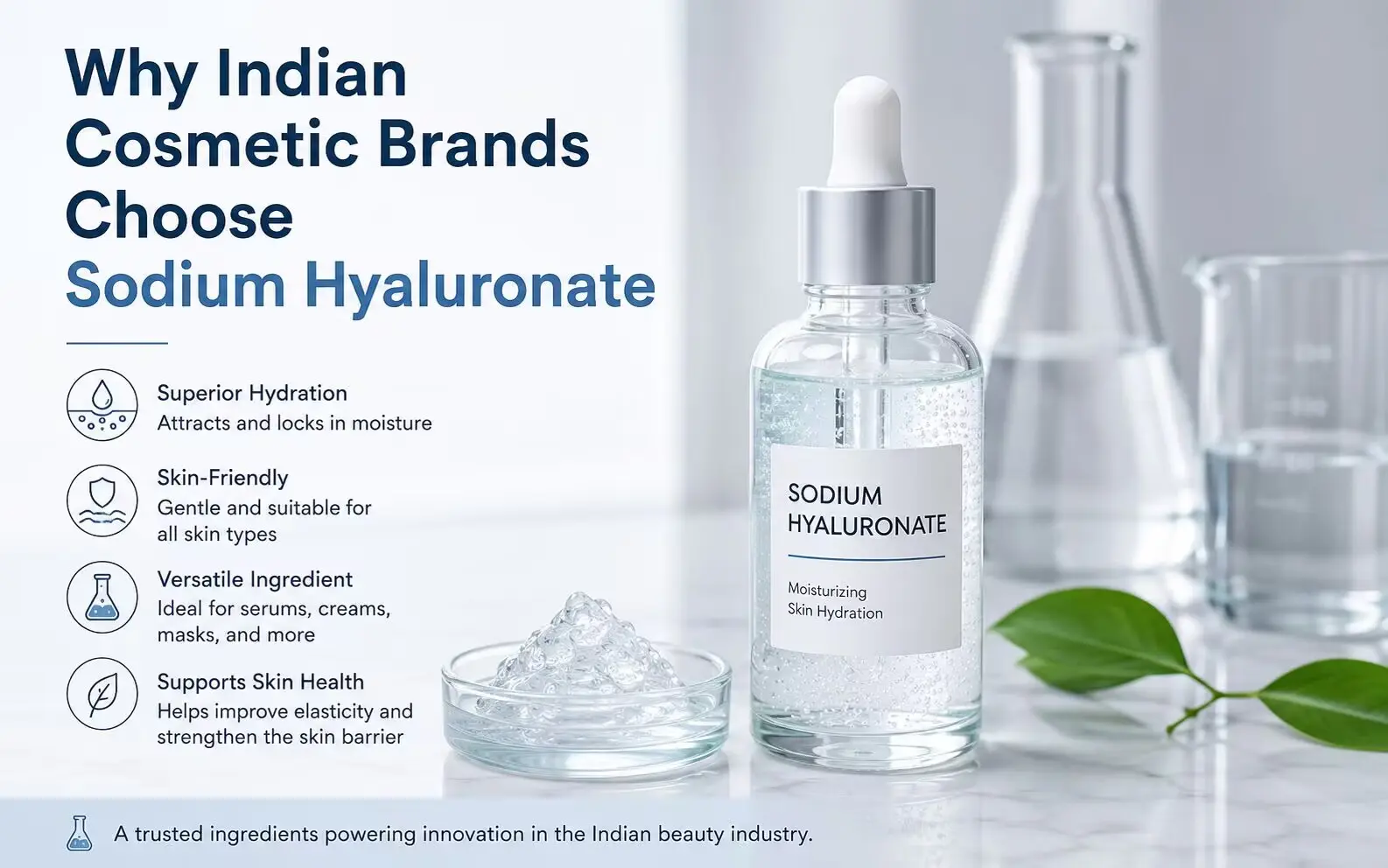
Rising consumer awareness of skincare benefits has led major Indian beauty houses to formulate with Sodium Hyaluronate. This ingredient ensures excellent stability and moisture retention in warm and humid climates.
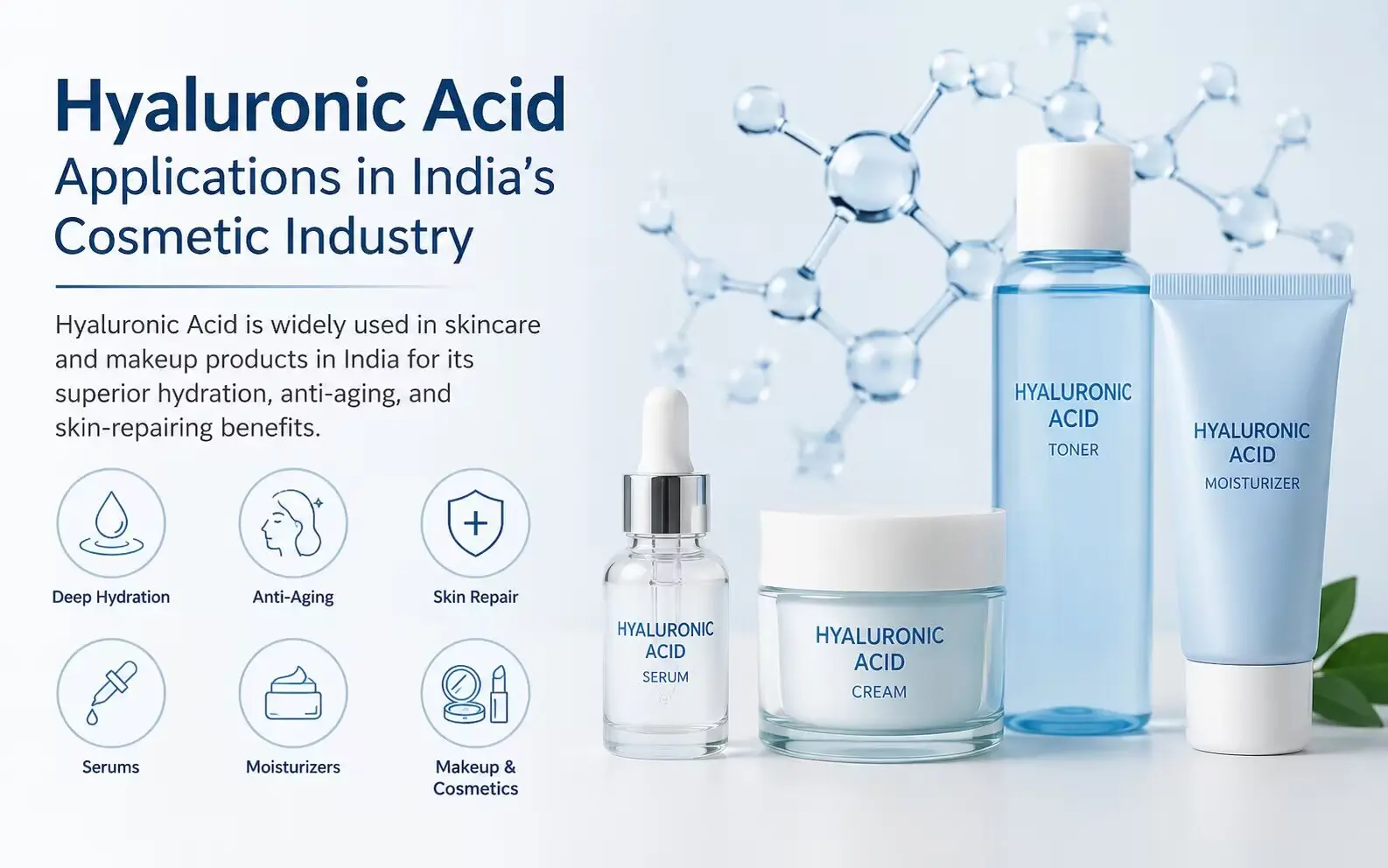
Explaining how varying weights of HA are blended into lightweight essences, sunscreens, and color cosmetics to serve the diverse skin requirements of South Asian consumer groups.
Explore our highly specialized molecular solutions, solution blends, and whitening actives.
Trusted by research laboratories, medical formulation sites, and cosmetic brands in 20+ countries.