Global Industrial Status & Commercial Significance of Hyaluronic Acid
An in-depth look into the biochemical evolution, raw material valuation, and cross-border supply dynamics.
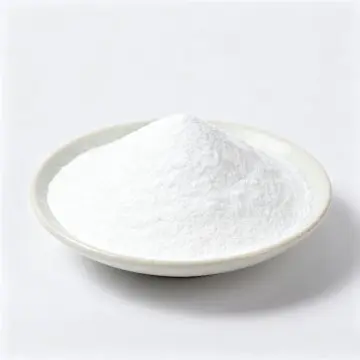
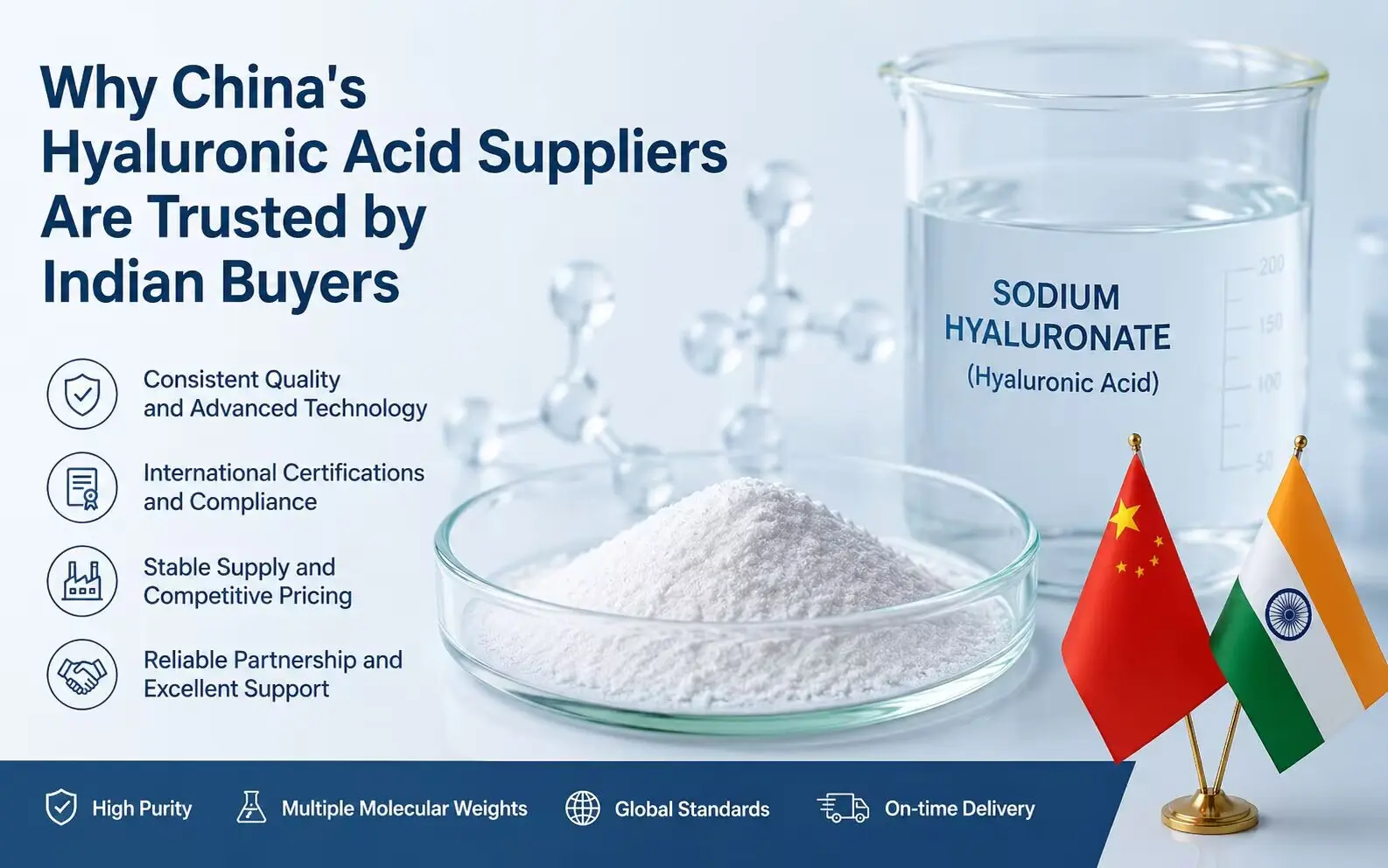
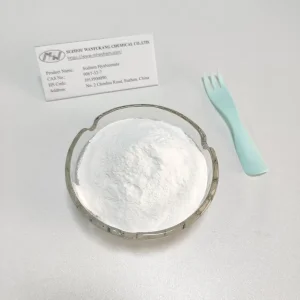
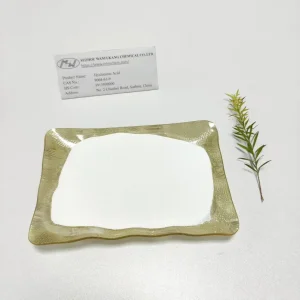
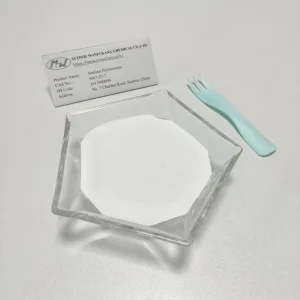
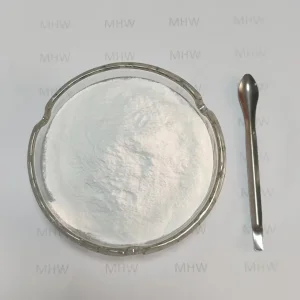
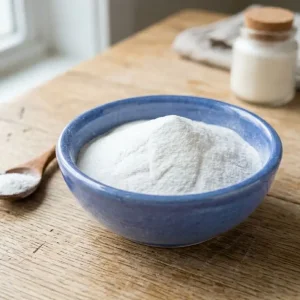
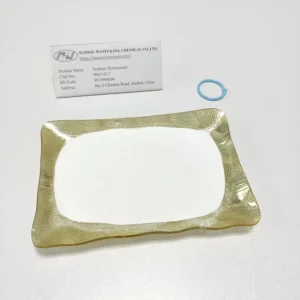
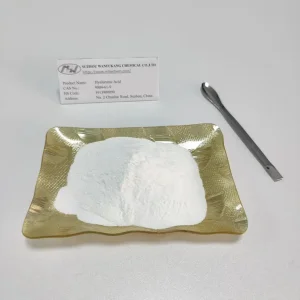
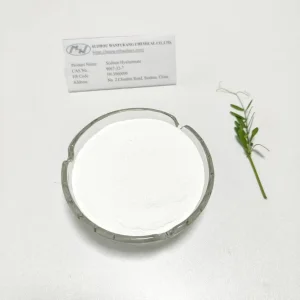
Hyaluronic Acid (HA), chemically categorized as a linear polysaccharide composed of repeating disaccharide units of D-glucuronic acid and N-acetyl-D-glucosamine, has transitioned from a specialized medical biomaterial to a fundamental ingredient across cosmetic, nutritional, and clinical industries. In the contemporary global supply chain, China accounts for over 70% of the world's total production capacity of Sodium Hyaluronate. This concentration of raw material manufacturing is driven by structural advancements in microbial fermentation technologies, scale optimization, and an extensive local industrial cluster.
Historically obtained via animal tissue extraction—primarily bovine vitreous humor and avian rooster combs—the modern era of HA synthesis relies strictly on Streptococcus zooepidemicus fermentation. This technological shift, catalyzed by Chinese bio-engineers, has successfully eliminated risks associated with animal-derived pathogens (such as transmissible spongiform encephalopathies) while significantly reducing raw material production costs. Consequently, the access barrier for high-molecular and low-molecular weight HA variants has lowered, triggering a massive wave of innovation in topical skin health, intra-articular lubricants, and nutricosmetics.
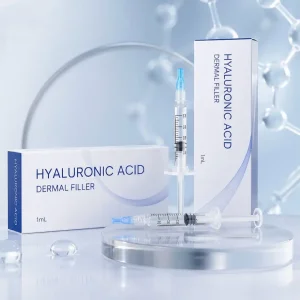
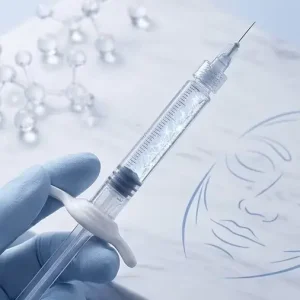
From a market valuation standpoint, the global market size for Sodium Hyaluronate is projected to expand at a compound annual growth rate (CAGR) of 7.2% through 2030, driven by the aging demographics, rising demand for minimally invasive aesthetic procedures, and the premiumization of cosmetic formulations. Our central production facilities in Suzhou represent a critical node in this global chain, serving cosmetic formulators, ophthalmic solution manufacturers, and nutraceutical brands across Europe, North America, India, and the ASEAN region.