Explore our foundational line of food, cosmetic, and pharmaceutical grade active ingredients exported globally.
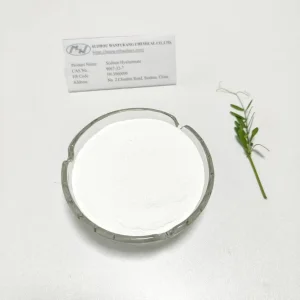
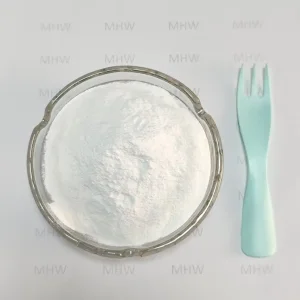
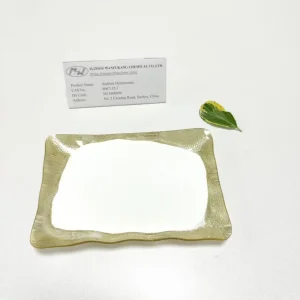
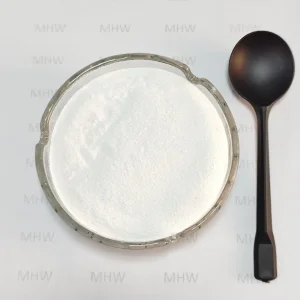
The global demand for natural plant extracts, herbal derivatives, and biological functional ingredients is experiencing unprecedented growth. Driven by consumer awareness toward "Clean Label" cosmetics, functional nutraceuticals, and preventive medicine, global cosmetic brands and health supplement manufacturers are redesigning their product lines. Herbal extracts, sodium hyaluronate, and other organic synthesized compounds represent a multi-billion dollar market expected to register a compound annual growth rate (CAGR) of over 8.5% in the coming decade.
Today's industrial landscape relies heavily on the quality, standardized assay levels, and microbiological safety of raw ingredients. The paradigm shift from chemical synthetic agents to plant-based and microbially fermented active ingredients (such as vegan-friendly Hyaluronic Acid and Arbutin) requires manufacturer transparency, complete supply chain traceability, and strict regulatory compliance matching European, Indian, and American standards.
China has established itself as the leading exporter of high-purity active ingredients and herbal extracts, supplying up to 70% of the world’s demand for core cosmetic and dietary compounds. This industrial authority is built upon deep integration across three critical vectors:

Suzhou Wanfukang Chemical Co., Ltd. has established itself as an authoritative supplier of Sodium Hyaluronate, Hyaluronic Acid, and high-efficacy cosmetic and dietary raw materials. Over years of research and production optimization, we have expanded our portfolio to cover cosmetic ingredients, health food raw materials, and pharmaceutical-grade active ingredients.
Our core mission is to support cosmetic formulators, supplement manufacturers, and global medical device entities with high-purity, traceable ingredients. By utilizing cutting-edge chromatography, extraction, and drying methodologies, WFK Chem delivers stable chemical compounds that form the backbone of well-known joint health solutions, intensive cosmetic skin creams, dermal fillers, and nutritional beverages globally.
Highly effective chemical derivatives, herbal synergists, and bioactive components developed for premium global products.
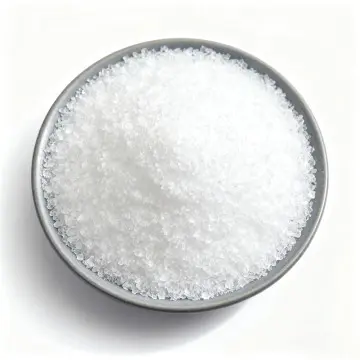
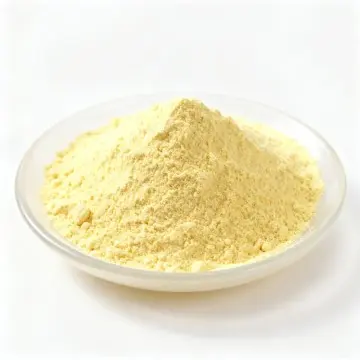
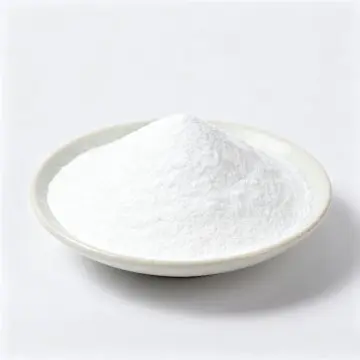
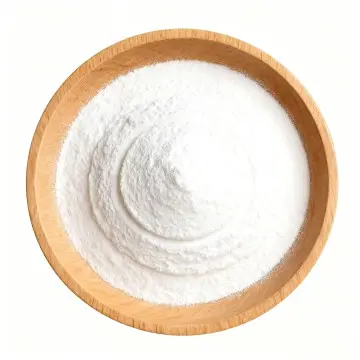
The versatility of active ingredients such as sodium hyaluronate allows for multi-industry adaptation. In personal care formulations, cosmetic brands target varied molecular weights. High molecular weight hyaluronic acid acts as a non-occlusive film-forming agent, locking in epidermal moisture. Conversely, low-molecular-weight oligomers penetrate deep into the dermis, accelerating collagen synthesis and cellular repair.
In the nutraceutical and food additive space, joint care supplements combine high-purity Chondroitin Sulfate with oral-grade Sodium Hyaluronate. This combination forms a synergistic barrier that replenishes joint synovial fluid, helping to reduce pain and mechanical wear. In medical device formulations, sterile, non-pyrogenic sodium hyaluronate solutions are utilized as viscoelastic agents in ophthalmic surgeries and intra-articular injections, which requires strict control over endotoxin levels and microbial purity.
Procurement professionals face dynamic obstacles when importing raw ingredients. Key considerations include:
Keep up with the global trends, localized market analyses, and technical advancements in chemical raw material sourcing.
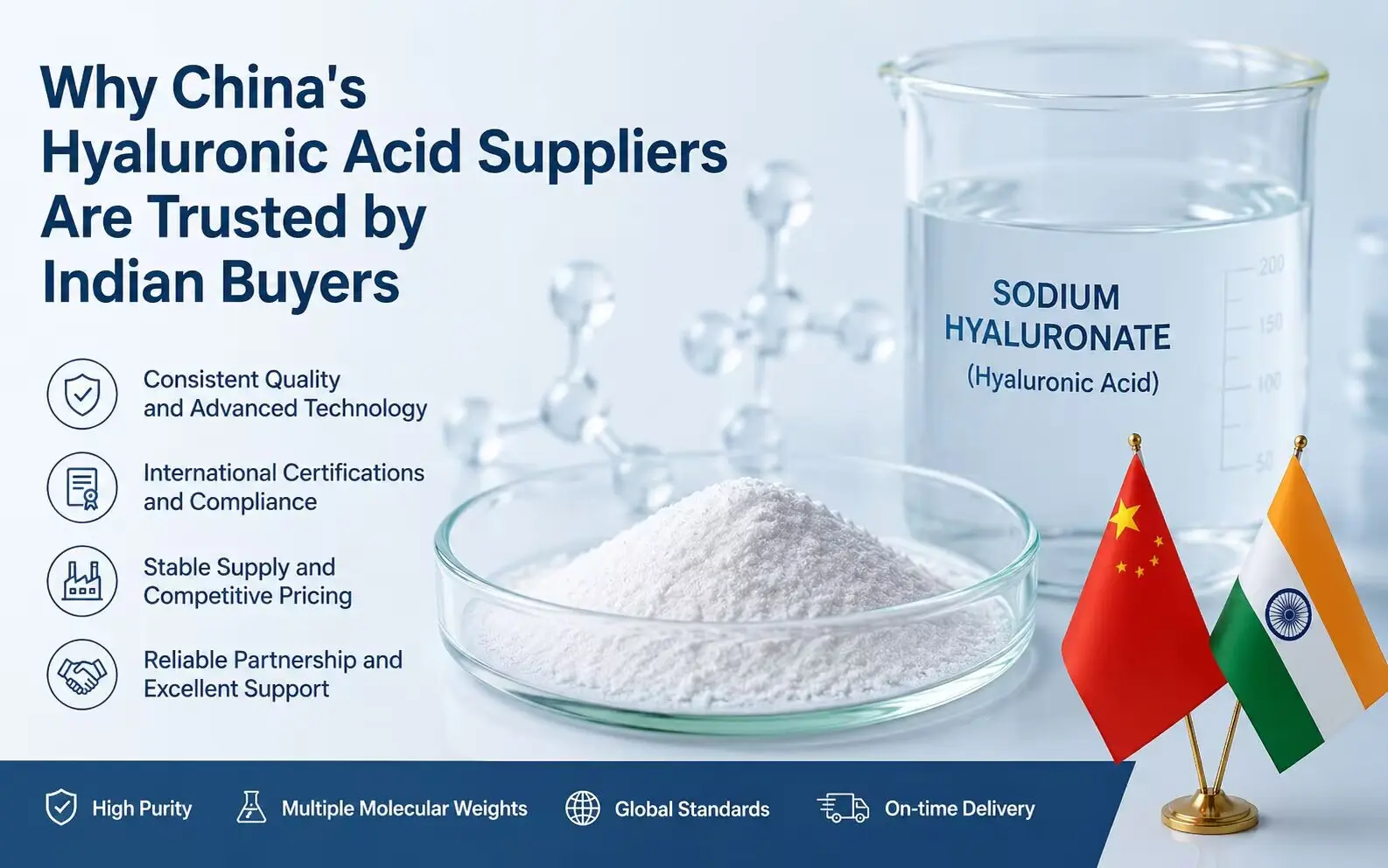
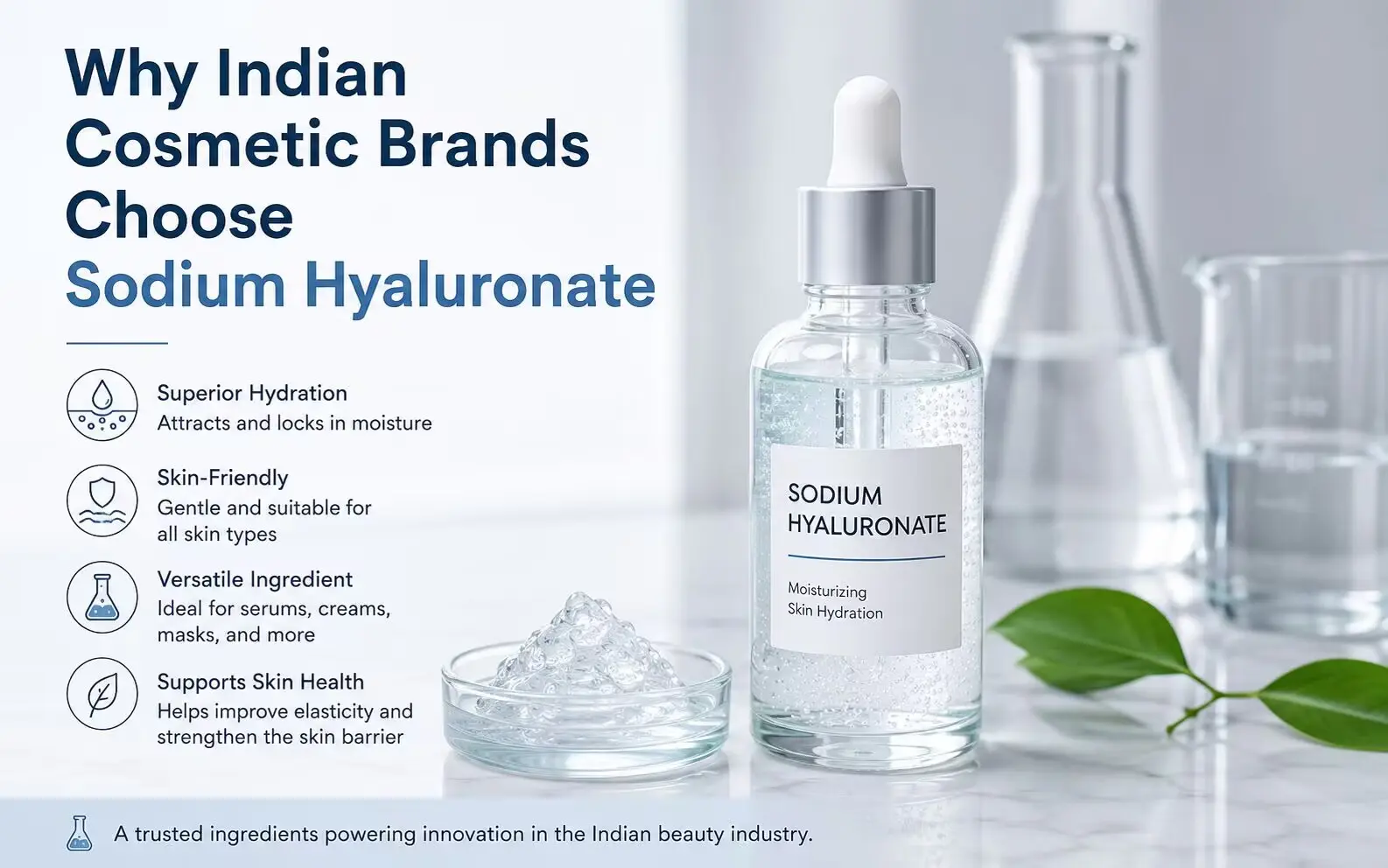
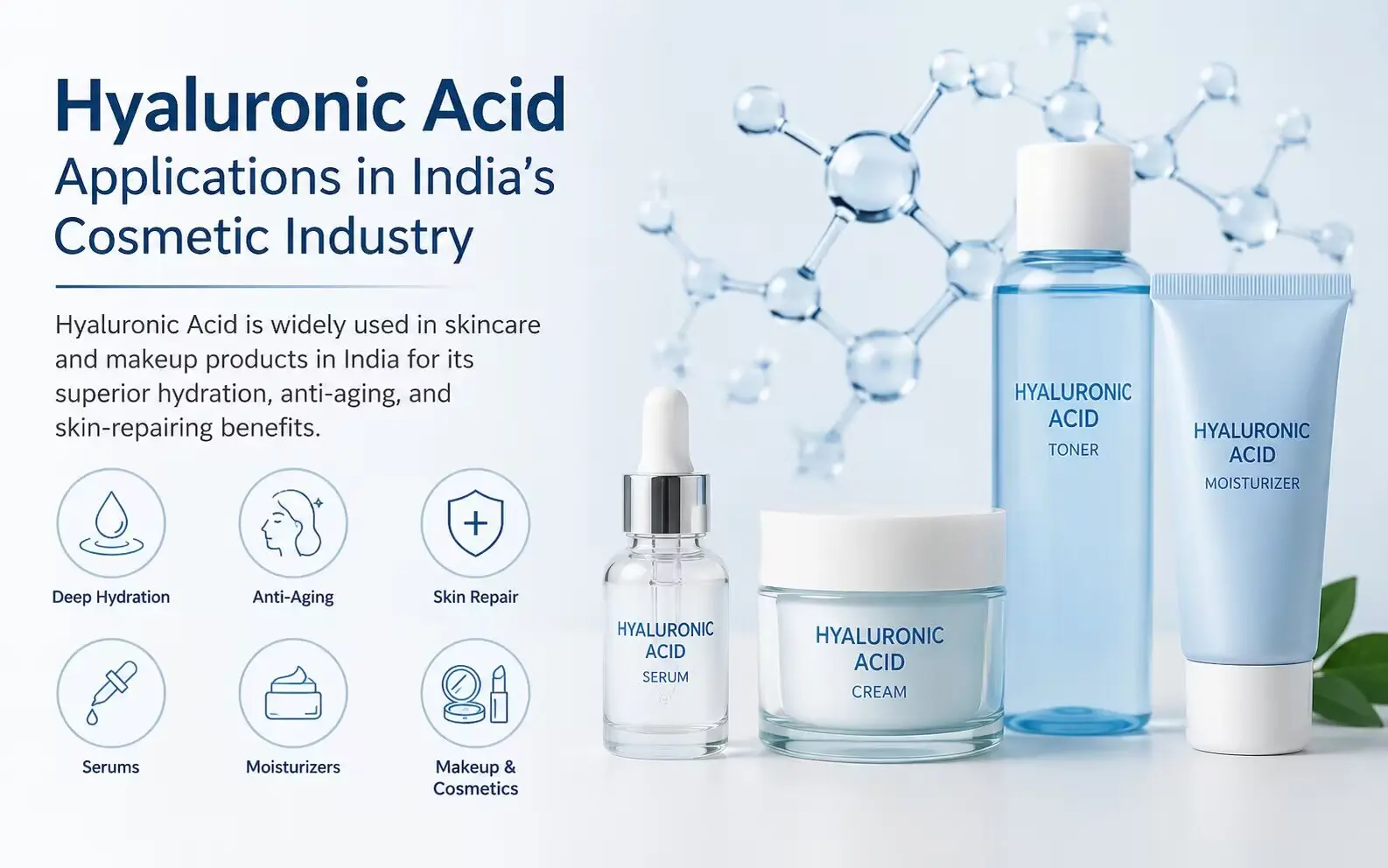
Essential guidance on certifications, molecular kinetics, and regulatory standards for global procurement managers.
A: The key difference lies in the purification processes, quality standards, and regulatory compliance. Cosmetic grade focuses on skin hydration and tactile feel, requiring low heavy metal levels. Food grade (oral grade) must comply with food safety regulations, ensuring stability through digestive processes. Pharmaceutical grade requires sterile production, low endotoxin levels, and must meet strict pharmacopoeia standards (e.g., USP, Ph. Eur.) for ophthalmic or injectable applications.
A: Microbial fermentation (typically using Streptococcus zooepidemicus on wheat/corn substrates) produces vegan-friendly hyaluronic acid. This method avoids the risk of animal-derived pathogens (such as BSE/TSE), offers consistent molecular weights, matches clean-label demands, and meets Halal and Kosher certification requirements.
A: High molecular weight (HMW-HA > 1.6 MDa) forms a protective layer on the skin surface to prevent water loss, ideal for surface hydration. Medium molecular weight (MMW-HA 1.0–1.6 MDa) balances surface hydration and absorption. Low and oligomeric molecular weights (<100 kDa) penetrate deep into the skin layers to support cellular health and repair.
A: Buyers should ask for a Certificate of Analysis (CoA) matching the target batch, Material Safety Data Sheets (MSDS), heavy metal reports, microbiological test results, and relevant global certifications like ISO, Halal, Kosher, or GMP depending on the application grade.
A: We utilize automated bio-reactors, temperature-controlled fermentation, and advanced membrane filtration. Each batch undergoes testing for purity, molecular weight distribution, and microbiological safety to ensure it meets our technical specifications before export.
Explore our specialized range, including dermal filler materials, multi-dimensional hyaluronate solutions, and customized active blends.