Explore our foundational range of fermentation-derived hyaluronic acid solutions and synergistic physiological active substances.
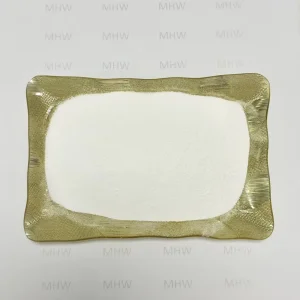
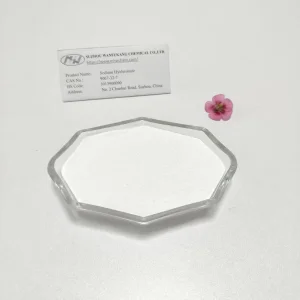
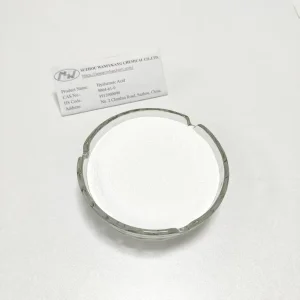
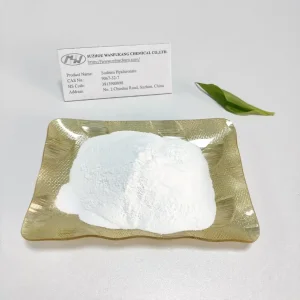
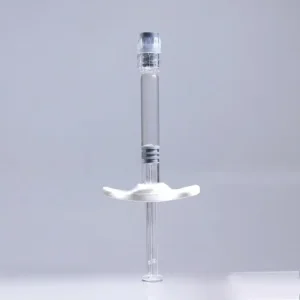
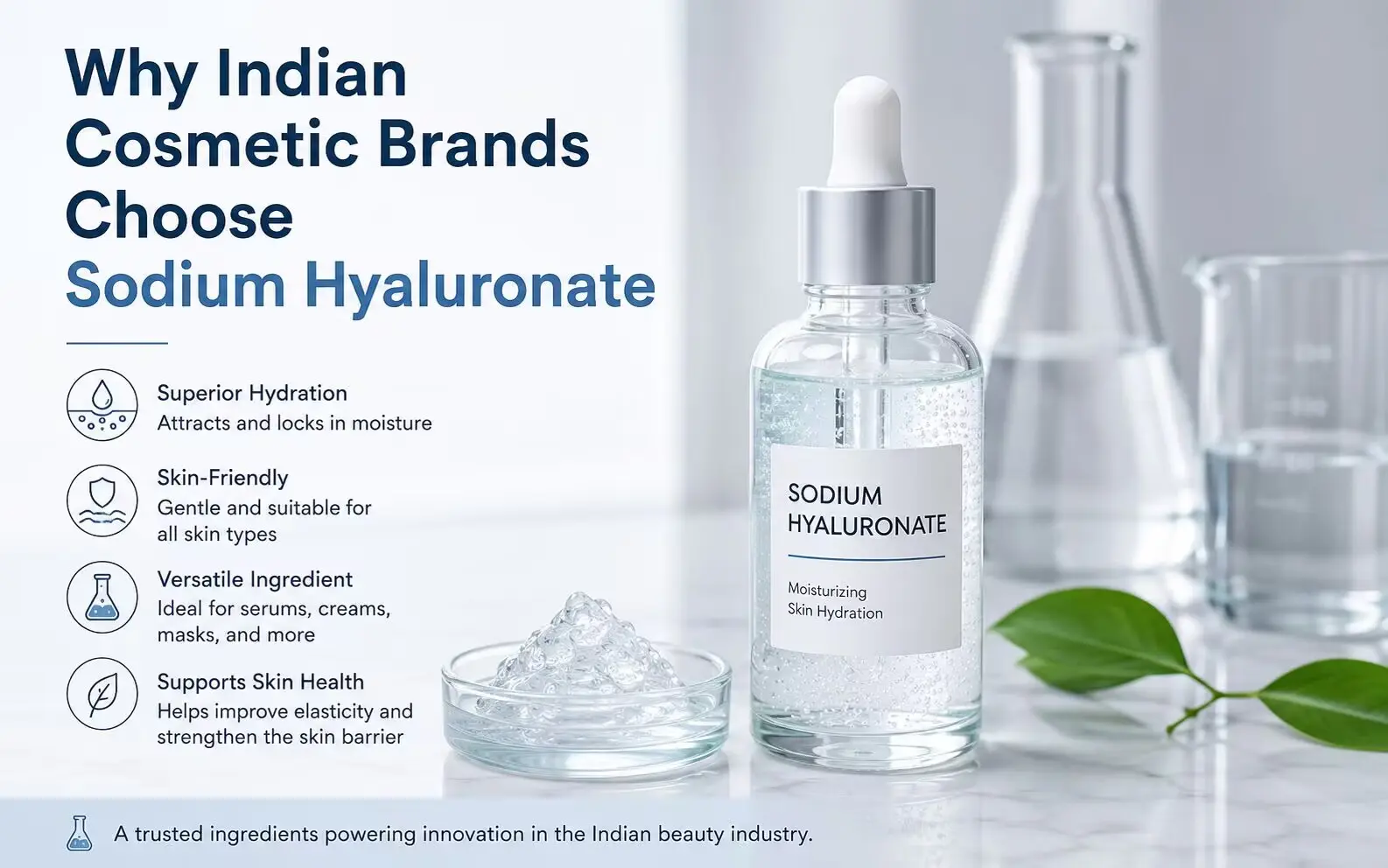
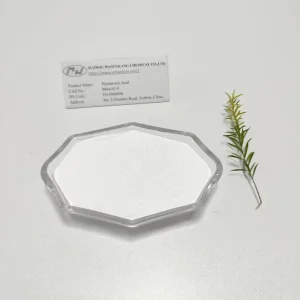
Hyaluronic Acid (HA), or Sodium Hyaluronate (CAS No. 9004-61-9), has transitioned from a basic moisture-retaining agent to an engineered, multi-functional biopolymer complex. Modern personal care formulations and medical device manufacturing demand precision. This necessity gave birth to the Hyaluronic Acid Complex—a synergistic matrix that blends different molecular weights of HA with targeted active compounds to achieve optimized physiological performance.
By combining high-molecular-weight sodium hyaluronate (>1.5 MDa) to form a physical protective barrier on the skin's surface with oligomeric sodium hyaluronate (<10 kDa) that penetrates deep into the epidermis, formulation scientists can stimulate endogenous HA production while reducing transepidermal water loss (TEWL) simultaneously.
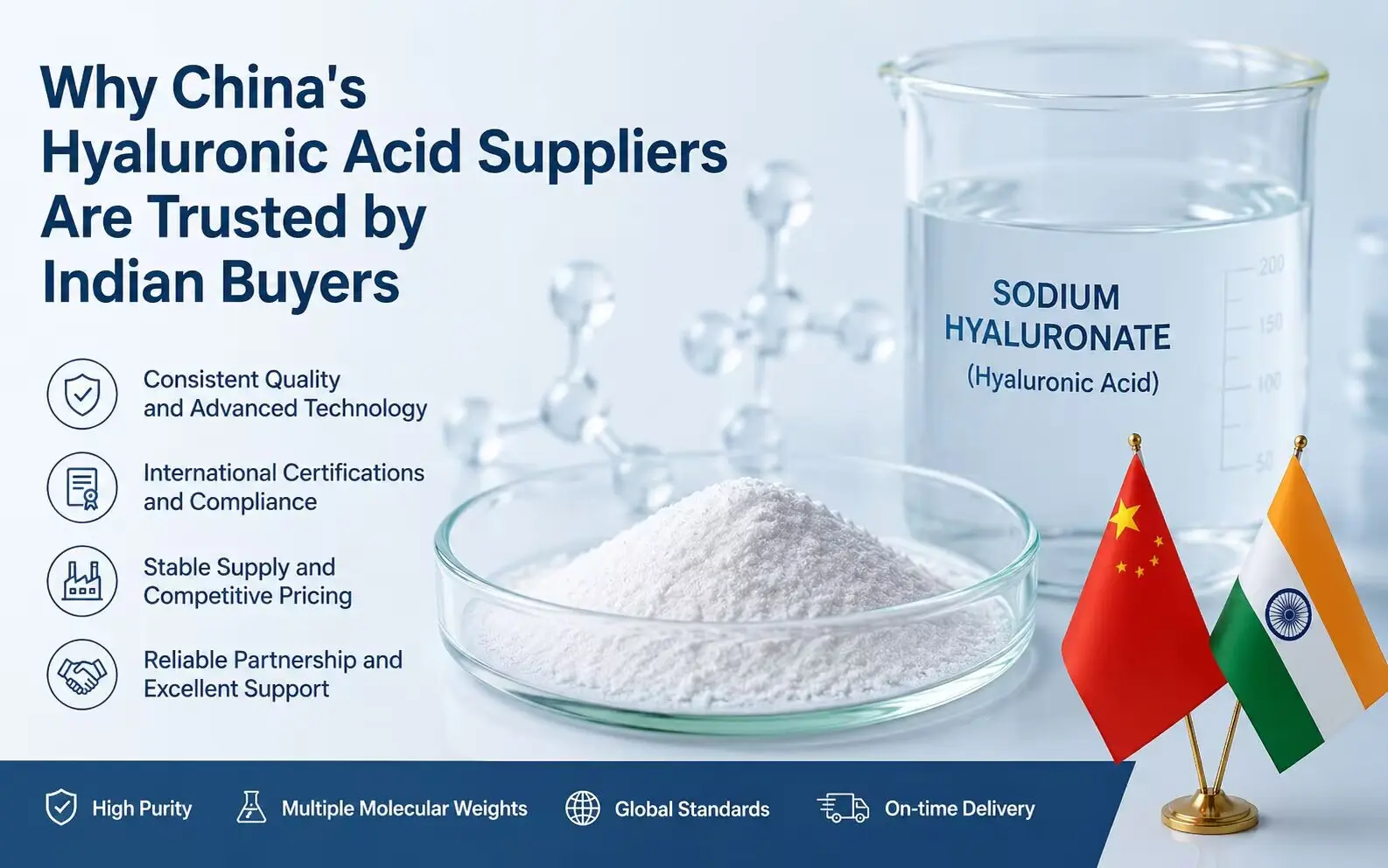
China is currently the global epicentre for hyaluronic acid research, engineering, and high-volume commercial production. Chinese factories leverage advanced bio-fermentation tech to produce premium-grade HA complexes at high yields.
The global demand for Hyaluronic Acid Complexes is shifting toward clean formulas, targeted bio-activity, and multi-functional ingredients.
1. Nutricosmetics & Functional Foods: Edible safety grade hyaluronic acid is becoming a staple in supplement formulas. Combined with ingredients like Chondroitin Sulfate and Vitamin C, it aids joint health and systemic skin hydration. This trend is driven by consumers seeking preventative health solutions.
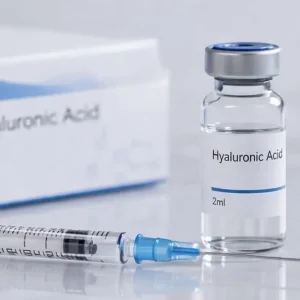
2. Aesthetic Medicine & Cross-linking Innovation: The aesthetics industry is moving toward non-invasive injectables. Cross-linked hyaluronic acid dermal fillers, designed with minimal chemical cross-linkers like BDDE, ensure high biocompatibility and durability, providing longer-lasting aesthetic corrections.
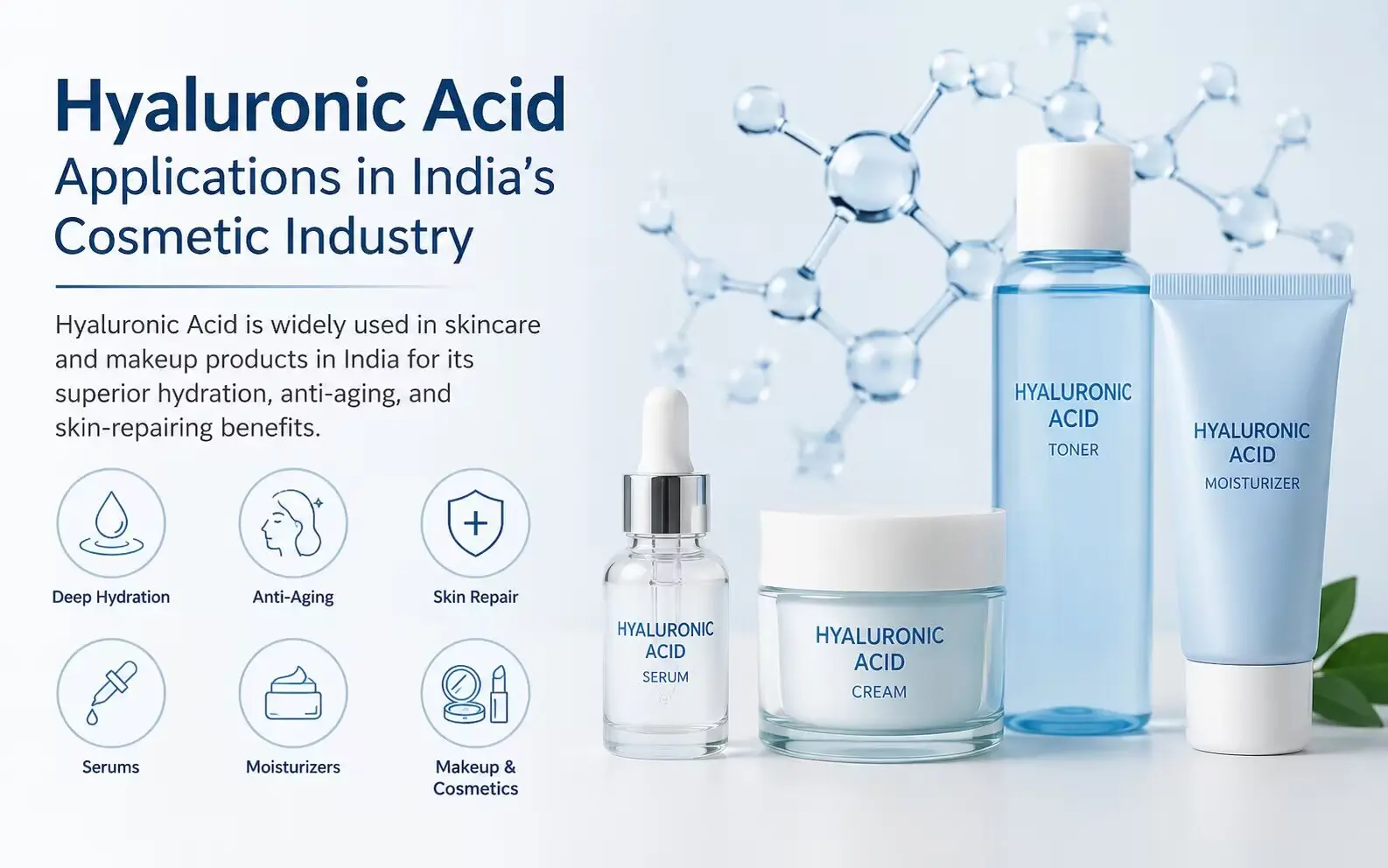
3. Advanced Topical Cosmetics: From basic serums to advanced anti-wrinkle complexes, top brands rely on custom blends. Combining active ingredients like Niacinamide and Arbutin with low-molecular-weight HA accelerates cell renewal and brightens skin, offering a comprehensive anti-aging mechanism.
Integrating hyaluronic acid into stable cosmetic or therapeutic formulas requires resolving common formulation issues. For instance, high shear forces can break polymer chains, lowering viscosity. High electrolyte concentrations can also collapse the hydration network.
To address these challenges, we offer custom stabilization services. By adjusting molecular weight ratios and incorporating natural stabilizers like citric acid buffer systems, we ensure our HA solutions retain their hydration capabilities and viscosity even in challenging formulation environments.
Suzhou Wanfukang Chemical Co., Ltd. is a leading manufacturer specializing in the development, purification, and global distribution of cosmetic, food, and pharmaceutical grade ingredients.
Our product line includes high-quality Sodium Hyaluronate, specialized active ingredients like Niacinamide, Vitamin C, and Chondroitin Sulfate. This range supports brands in developing safe, high-efficacy products for modern consumers.
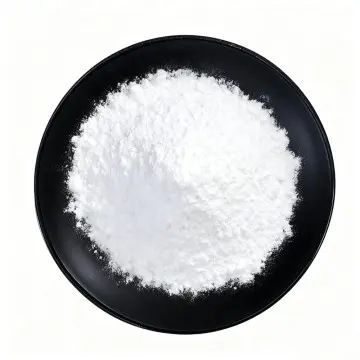
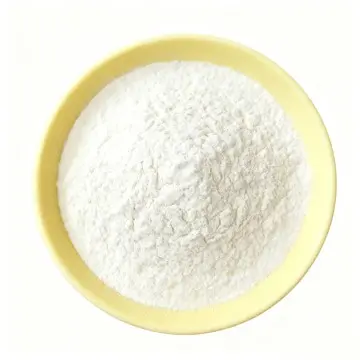
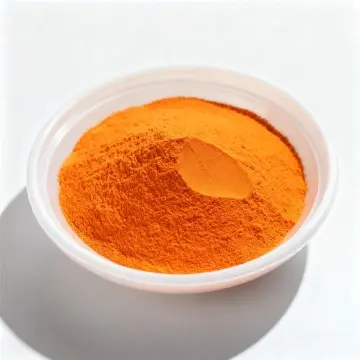
Engineered active materials designed to meet the rigorous quality standards of the global pharmaceutical, cosmetic, and nutraceutical industries.
Expert answers addressing regulatory, stability, and application questions for sourcing teams worldwide.
For standard cosmetic and food grades, our typical MOQ is 1 kg to 25 kg depending on the packaging design. Standard lead times range from 7 to 15 days from our Suzhou hub to key global shipping ports. We provide full certificates of analysis (COA) and material safety data sheets (MSDS) for each batch.
Our hyaluronic acid is produced exclusively via bacterial fermentation using Streptococcus zooepidemicus strains grown on a plant-derived carbohydrate medium. This ensures our products are 100% vegan, cruelty-free, and free from animal-derived pathogens, making them suitable for clean beauty formulations.
Each batch undergoes strict testing, including: Glucuronic Acid assay (minimum 44%), Sodium Hyaluronate assay (minimum 98%), pH value, molecular weight distribution, transparency (optical transmittance > 99%), heavy metals limit (< 10ppm), and aerobic bacterial plate counts.
Yes, blending different molecular weights is standard practice when formulating a Hyaluronic Acid Complex. They are highly compatible and can be added directly to the aqueous phase under moderate agitation. We recommend pre-dispersing the high-molecular-weight powder to prevent clumping.
High-purity stabilized active ingredients for cosmetics and health supplements.
Stay informed about global demand shifts, international trading dynamics, and product applications.