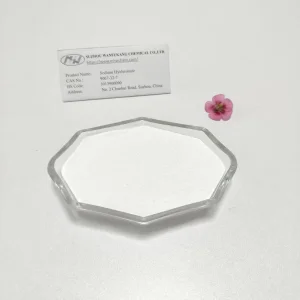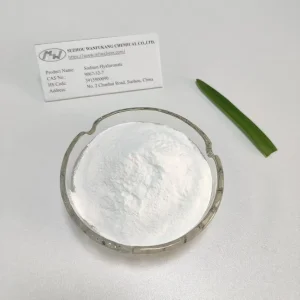
Select molecular distributions engineered for target transdermal and systemic efficacy

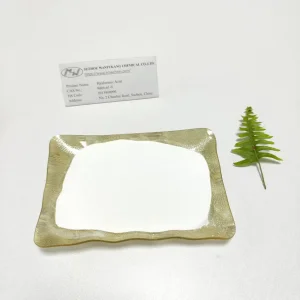
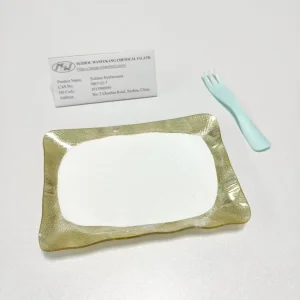
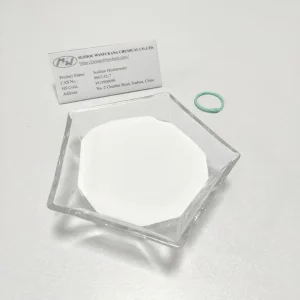
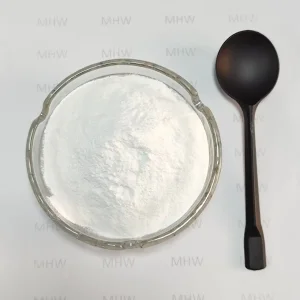
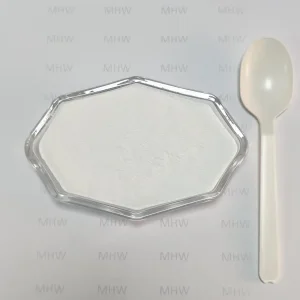
An Analysis of Multi-Dimensional Hyaluronic Acid Systems in Skincare Engineering
Hyaluronic Acid (HA) is a naturally occurring linear polysaccharide containing alternating units of D-glucuronic acid and N-acetyl-D-glucosamine linked via alternating beta-1,4 and beta-1,3 glycosidic bonds. Unlike animal-derived variants of the past, modern high-efficiency manufacturing utilises microbial fermentation strains—principally Streptococcus zooepidemicus—to yield highly bio-compatible Sodium Hyaluronate.
As a prime humectant, HA retains up to 1000 times its dry weight in water molecules. The transdermal utility of Hyaluronic Acid is governed explicitly by its molecular mass distribution. Formulating premium creams requires an exact balance of Low, Medium, and High Molecular Weight (MW) fractions, alongside cross-linked hydrogels.
| Grade Class | MW Range | Primary Function |
|---|---|---|
| Ultra-Low / Oligo HA | 3 – 10 kDa | Deep epidermal penetration, signaling, cellular repair |
| Low MW HA | 10 – 100 kDa | Long-lasting deep hydration, skin elasticity enhancement |
| Medium MW HA | 800 – 1200 kDa | Stratum corneum moisture balance, barrier reinforcement |
| High MW HA | > 1500 kDa | Protective film formation, surface hydration, anti-pollution |
In modern skincare engineering, the physical size of the HA polymer determines whether it provides superficial hydration or deeper physiological benefits. High-molecular weight polymers establish an invisible, semi-occlusive protective grid over the epidermis. This matrix limits trans-epidermal water loss (TEWL) and shields the skin from environmental stressors.
Conversely, low-molecular-weight systems and Oligo-HA, such as the 3–5 kDa Cosmetic Grade Hyaluronic Acid, bypass the tight junctions of the outer skin layers. These micro-polymers work directly with endogenous pathways to boost natural HA production and reinforce extracellular structure. Consequently, they help fade deep wrinkles and restore structural integrity from the inside out.
Suzhou Wanfukang Chemical Co., Ltd: Empowering Global B2B Procurement
Operating out of Suzhou's high-tech industrial cluster, Suzhou Wanfukang Chemical Co., Ltd specializes in the research, optimization, and international distribution of Cosmetic, Food, and Pharmaceutical Grade Sodium Hyaluronate. Over a decade of process refinement has enabled us to achieve highly consistent quality standards across batches.
By utilizing advanced membrane filtration, automated purification processes, and rigorous sterility controls, our factory reliably achieves a pure assay above 98% for cosmetic grades, and pharmaceutical-grade purity for injection systems. Our flexible batch manufacturing lines adapt to custom molecular specifications, providing tailored solutions to cosmetic formulators worldwide.
Supply chain resilience requires not only high-quality production but also fast, reliable logistics. Strategically located near major shipping hubs like Shanghai and Ningbo, Wanfukang facilitates smooth multimodal transport.
We manage the export processes directly to destination ports across Europe, North America, and rapidly growing markets in South Asia (including India, Southeast Asia, and the Middle East). From providing documentation like COAs, MSDS, and GMP certifications to maintaining temperature-controlled storage, we ensure our high-purity raw materials arrive securely, maintaining their bio-active properties.
Tailoring Sodium Hyaluronate Formulations to Global Climates and Consumer Profiles
In warm, highly humid environments, consumers prioritize lightweight, non-comedogenic hydration. High-molecular weight creams can sometimes feel sticky or heavy on the skin.
Brands in these regions typically leverage low and ultra-low molecular weight fractions (such as 10–100 kDa and 3–5 kDa). These micro-molecules absorb quickly, providing deep hydration without leaving a greasy residue.
Following micro-needling, laser resurfacing, or chemical peels, the skin barrier is temporarily compromised. In these scenarios, high-purity, non-animal-derived HA is crucial.
Utilizing Injection Grade Sodium Hyaluronate aids tissue repair, soothes inflammation, and speeds up dermal recovery, making it a key component in post-treatment protocols.
The concept of "beauty from within" continues to drive global market growth. Food Grade Sodium Hyaluronate powder is increasingly used in dietary supplements, functional beverages, and oral beauty liquids.
Ingested HA supports systemic joint health by replenishing synovial fluid, while also improving skin moisture levels across the entire body.
Innovations in Glycosaminoglycan Bioprocessing and Molecular Customization
While standard microbial fermentation remains the global industry standard, new technologies are focusing on highly customized molecular structures. Advanced enzymatic digestion systems can now slice large HA chains into precise molecular weights down to the single-digit kilodalton level. This allows for the production of tailored cosmetic ingredients with highly predictable absorption rates.
Additionally, cross-linking technology—historically used primarily in dermal fillers—is finding its way into topical cosmetic formulations. Cross-linked sodium hyaluronate forms a dynamic, highly stable gel network on the skin. This structure resists rapid enzymatic degradation by endogenous hyaluronidases, providing sustained, time-released hydration over longer periods.
Modern consumers and regulatory standards are driving cosmetic brands toward clean-label and vegan raw materials. Plant-based fermentation and non-animal sourcing are no longer optional—they are essential criteria for clean-label skincare lines.
At Suzhou Wanfukang, we ensure our production processes are entirely vegan and free from animal-derived materials. This commitment helps our clients meet international clean-label certifications, compliance audits, and changing consumer expectations.
Addressing Common Inquiries from Procurement Managers and Cosmetic Chemists
Pharmaceutical, Food, and High-Performance Cosmetic Grade Components