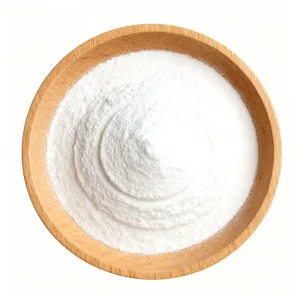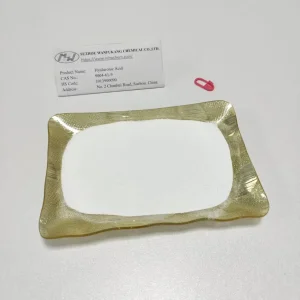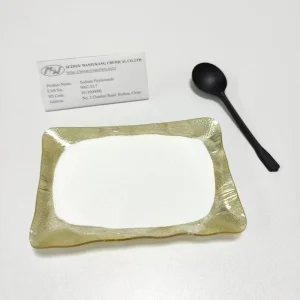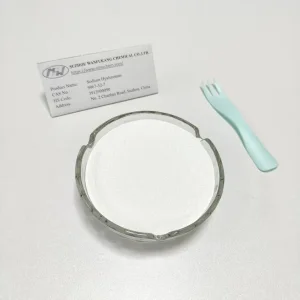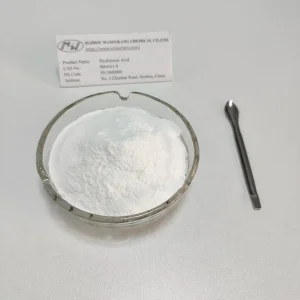
Discover our primary commercial-grade offerings tailored for high efficacy, stability, and premium formulation needs.
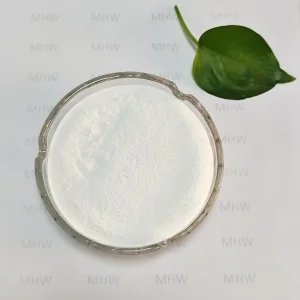
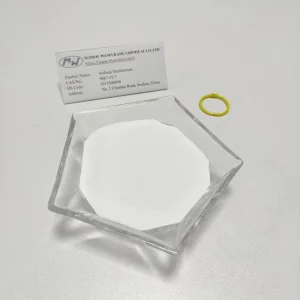
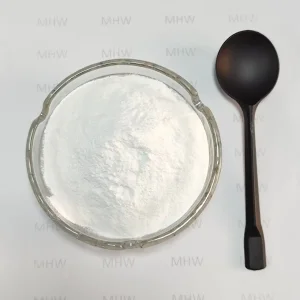
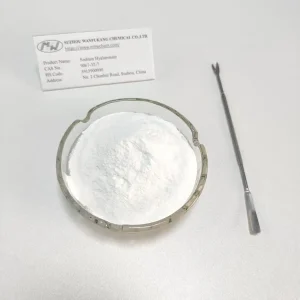
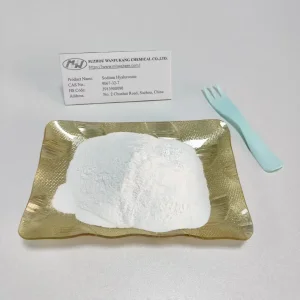
Hyaluronic Acid (HA), chemically categorized as a high molecular weight glycosaminoglycan consisting of repeating disaccharide units of D-glucuronic acid and N-acetyl-D-glucosamine, is an indispensable biomaterial across medical, nutritional, and personal care ecosystems.
Currently, China represents the epicenter of global Hyaluronic Acid production, accounting for over 80% of the raw material market share worldwide. This structural centralization is driven by pioneering microbial fermentation technology, coupled with massive capital investments in automated refining facilities. In terms of "Kandungan Hyaluronic Acid" (biochemical concentration and active compound profiles), modern standards demand rigorous control over molecular weight distribution (polydispersity index) and chemical purity parameters.
The physiological function of Hyaluronic Acid is entirely dependent on its molecular structure. While High Molecular Weight (HMW) HA (>1.5 MDa) excels at forming viscous moisture barriers on skin surfaces and providing joint cushioning, Ultra-Low Molecular Weight (ULMW) HA (3–5 kDa) penetrates deeper epidermal layers, stimulating endogenous collagen syntheses.
Understading the industrial transition from animal source extraction to non-animal microbial fermentation.
Historically sourced from rooster combs. This method suffered from high contamination risks, low yield margins, and heavy presence of animal pathogens, restricting applications in medical settings.
Transition to microbial fermentation using Streptococcus zooepidemicus strains. Utilizing glucose, peptone, and yeast extract feeds to yield massive outputs of high-purity, non-animal origin HA.
Application of physical, chemical, and enzymatic degradation technologies to precisely control molecular weight distribution from ultra-low (3 kDa) to ultra-high (3.0 MDa) specifications.
Modern cross-linking technologies (using BDDE agents) to extend the half-life of HA inside biological systems, laying the path for long-lasting ophthalmic lubricants and dermal fillers.
Optimized ingredient categories developed under strict ISO and GMP compliance standards for global brands.
Dermal formulation bases designed for maximum moisture retention, transdermal absorption optimization, and anti-aging synergies.
Nutritional additives targeting joint health, structural cartilage maintenance, and whole-body hydration via high bioavailability.
Ultra-low bacterial endotoxin materials developed specifically for ophthalmology, dry eye therapy, and sterile micro-injection formulations.
In recent years, the cosmetic and health product industries in India and Southeast Asia (specifically Indonesia, Malaysia, and Vietnam) have experienced double-digit growth. Skincare brands operating in markets like Mumbai, New Delhi, Jakarta, and Kuala Lumpur require access to active ingredients that balance high efficacy, cost-efficiency, and absolute safety compliance.
Chinese Hyaluronic Acid suppliers, such as Suzhou Wanfukang Chemical Co., Ltd, have emerged as the primary choice for these localized enterprises. The trust factor is anchored in several pillars:
With the rapid development of India's cosmetic and pharmaceutical sectors, buyers prioritize cost-efficiencies and regulatory compliance, both of which are strength-points of Chinese microbial producers.
Analyzing the rise of clinical cosmetic brands in India and their formulation reliance on highly stable, water-soluble Sodium Hyaluronate salts for tropical climates.
An in-depth study of how molecular weights alter product viscosities, skin absorption parameters, and packaging requirements for Indian beauty products.



Suzhou Wanfukang Chemical Co., Ltd is an established, specialized manufacturer and exporter of Sodium Hyaluronate and Hyaluronic Acid raw materials. Backed by nearly a decade of experience, we provide tailored solutions for cosmetic, dietary supplement, and pharmaceutical applications.
Our strict purification procedures ensure that all classes of our Sodium Hyaluronate are characterized by low bacterial counts, minimal endotoxin levels, and high stability. Beyond HA, our portfolio includes complementary active ingredients such as Vitamin C, Vitamin A, Niacinamide, and Coenzyme Q10, helping global manufacturers formulate competitive, evidence-backed products.
Crucial formulation and chemical parameters clarified by Suzhou Wanfukang’s technical experts.
Expand your formulations with our broad catalog of complementary vitamins, enzymes, and active compounds.