Explore our highly standardized raw materials verified by global cosmetic chemists and medical researchers. Optimized for penetration and skin biocompatibility.
Exploring the biological pathways, stabilization, and skin barrier benefits in modern dermatology.
In contemporary cosmetic formulation and clinical dermatology, the pairing of Retinol (Vitamin A) and Hyaluronic Acid (HA) represents one of the most chemically logical and biologically effective dual-active strategies. Retinol, widely regarded as the gold standard in dermal rejuvenation, functions by accelerating cell turnover and stimulating fibroblasts to produce endogenous collagen and elastin. However, the cellular renewal process triggered by Retinoids often causes temporary epidermal barrier disruption, marked by increased trans-epidermal water loss (TEWL) and localized inflammation (often referred to as 'retinoid dermatitis').
To counteract this, Hyaluronic Acid acts as the ultimate physiological buffer. As a powerful glycosaminoglycan humectant, it is capable of binding up to 1000 times its weight in water. By combining varying molecular weights of HA with protected Retinol matrices, formulators can deliver profound cellular regeneration while simultaneously maintaining optimal stratum corneum hydration and structural integrity.
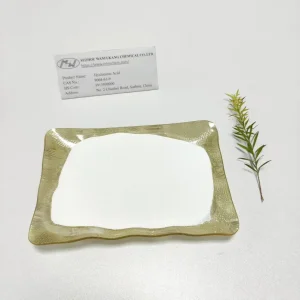
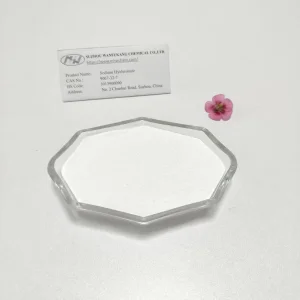
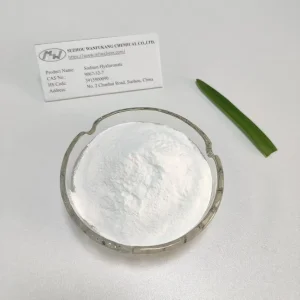
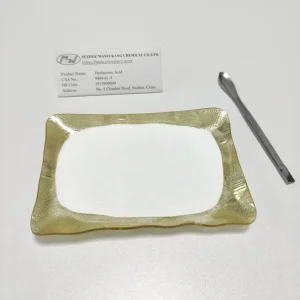
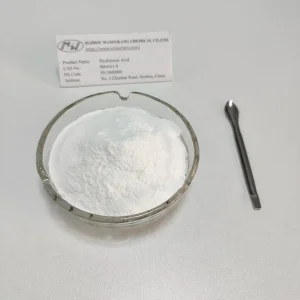
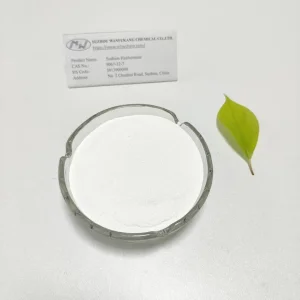
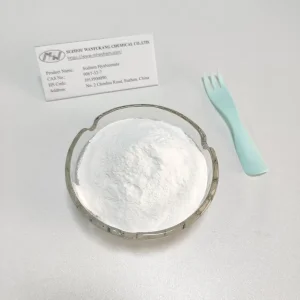
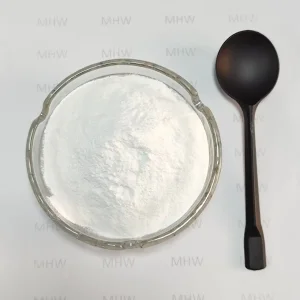
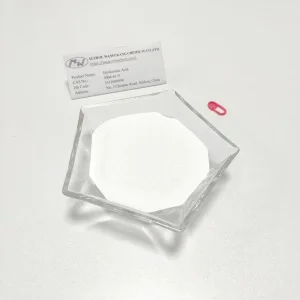
As a leading Chinese developer and exporter of cosmetic raw materials, Suzhou Wanfukang Chemical Co., Ltd provides targeted, industrial-grade active complexes. Our solutions integrate high-purity Vitamin A derivatives with multi-spectrum Sodium Hyaluronate powder (ranging from ultra-low 3–5 kDa variants for transdermal penetration to cross-linked dermal filler matrices for superficial locking) to help global cosmetics manufacturers build premium skincare products.
Hyaluronic acid creates a cohesive viscoelastic film over the epidermis, sealing in hydration and relieving the dryness, itching, and scaling commonly associated with retinoid cellular activation.
By modulating the molecular weight distribution (3 kDa to 1.8M Da), our HA molecules act as non-invasive micro-carriers, facilitating the stable transport of Retinol to the deeper layers of the epidermis.
Pure Retinol is highly susceptible to photo-oxidation. Our formulation advice and dynamic carrier solutions shield the Retinol molecule within a dense molecular network of sodium hyaluronate.
Analyzing B2B procurement trends, supply chain concentration, and the competitive advantages of Chinese biomanufacturing.
The global demand for high-potency functional cosmetics and nutricosmetics has surged, putting pressure on supply chains to deliver raw materials that are both cost-effective and compliant with tight regional regulations. China has established itself as the global hub for raw material production of Sodium Hyaluronate and essential anti-aging vitamins, accounting for over 70% of the worldwide supply. This dominance is driven by structural factors: industrial fermentation scale, optimized microbial production processes, and vertically integrated chemical supply chains.
Historically, hyaluronic acid extraction was dependent on rooster comb processing, which faced yield and purity limitations. The transition to microbial fermentation of Streptococcus zooepidemicus revolutionized the cost-efficiency curve. Chinese manufacturing centers leverage advanced bioreactors to produce metric tons of high-assay cosmetic-grade and pharmaceutical-grade HA with minimal heavy metal contamination and low bacterial endotoxins.
At the same time, Chinese chemical manufacturers have advanced the stabilization of delicate actives like Vitamin A. By investing in micro-encapsulation, spray-drying, and specialized protective packaging, Chinese exporters provide international buyers with active ingredients that survive long-distance shipping and complex manufacturing cycles.
| Raw Material Grade | Target Molecular Weight (kDa) | Primary Application Profile | Key Compliance Standard |
|---|---|---|---|
| Ultra-Low HA (Cosmetic Grade) | 3 kDa – 10 kDa | Deep transdermal hydration, serums, essence sprays | In-Cosmetics Standard, REACH Registered |
| Standard HA (Cosmetic Grade) | 1,000 kDa – 1,500 kDa | Film-forming, surface hydration, lotions, creams | Ecocert Approved, Vegan Certified |
| Ophthalmic & Medical Grade HA | 1,800 kDa – 2,200 kDa | Eye lubricants, clinical dermal fillers, joint health injectables | GMP Certified, Low Bacterial Endotoxins (<0.05 EU/mg) |
| Encapsulated Retinol Powder | N/A (Active Assay 10%-50%) | Anti-wrinkle night creams, targeted acne treatments | USP / EP Compliance, Light-stable packaging |
A B2B partner you can rely on for scalability, quality control, and global logistics efficiency.
Innovative B2B raw material pathways for high-efficiency, zero-irritation dermatological formulas.
The main challenge in manufacturing Retinol and Hyaluronic Acid products is their chemical stability. Retinol features a conjugated polyene chain that is highly sensitive to UV light, temperature, and atmospheric oxygen. When exposed, it rapidly isomerizes into biologically inactive states. Similarly, standard Hyaluronic Acid, when introduced into high-water formulas, can increase viscosity excessively without penetrating the skin barrier.
To overcome these challenges, Suzhou Wanfukang has developed a clear technical roadmap for raw material development, focusing on two main areas:
Suzhou Wanfukang Chemical Co., Ltd has operated as a professional supplier of Sodium Hyaluronate and Hyaluronic Acid for many years. We supply high-grade raw materials to the cosmetics, health food, and pharmaceutical industries.
As our business has grown, we have expanded our catalog to include premium cosmetic ingredients, health food materials, and pharmaceutical-grade actives. Today, our products are widely used in cosmetics, joint health supplements, and medical devices globally. We focus on providing stable supply, strict quality control, and reliable regulatory support for B2B buyers around the world.
Connect with an Expert


Meeting strict international standards to ensure frictionless importing and clean-label compliance.
B2B cosmetic manufacturing requires strict adherence to regulatory standards across different regions. For example, the European Union's REACH regulations, the US FDA's MoCRA framework, and China's NMPA raw material safety guidelines have strict rules regarding trace impurities, residual solvents, heavy metals, and bacterial endotoxin levels in cosmetic ingredients.
At Suzhou Wanfukang Chemical Co., Ltd, we address these complex regulatory requirements through dedicated QA/QC departments and complete technical documentation, including:
Read about emerging market trends, B2B purchasing patterns, and chemical import updates.
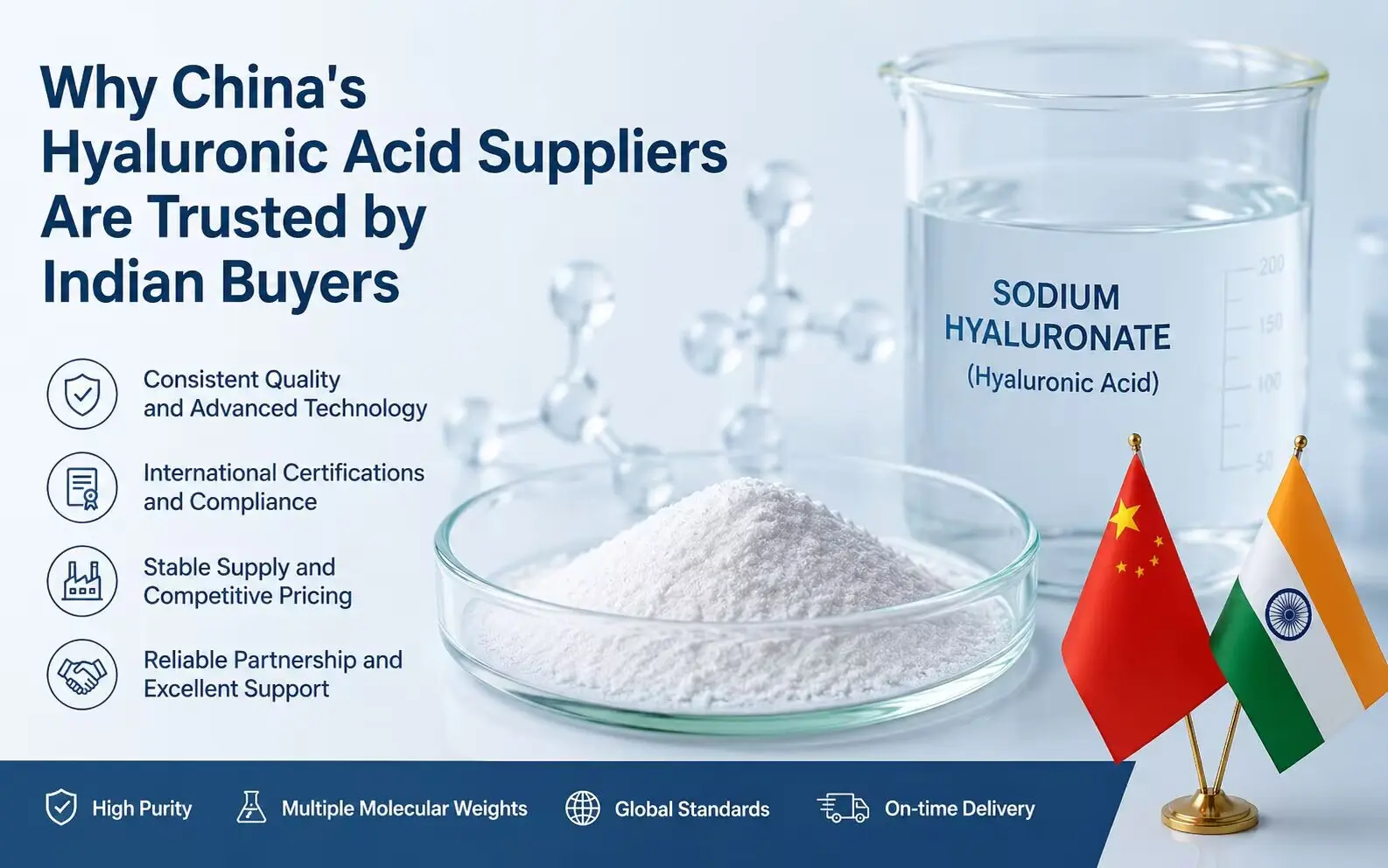
With the rapid development of India's cosmetics, pharmaceutical, and dietary supplement industries, the market demand for hyaluronic acid (HA) and sodium hyaluronate has continued to grow. Against this backdrop, more and more Indian buyers are turning to Chinese suppliers who offer high-assay consistency, robust logistics channels, and cost advantages that fit Indian scaling needs.
Read Article →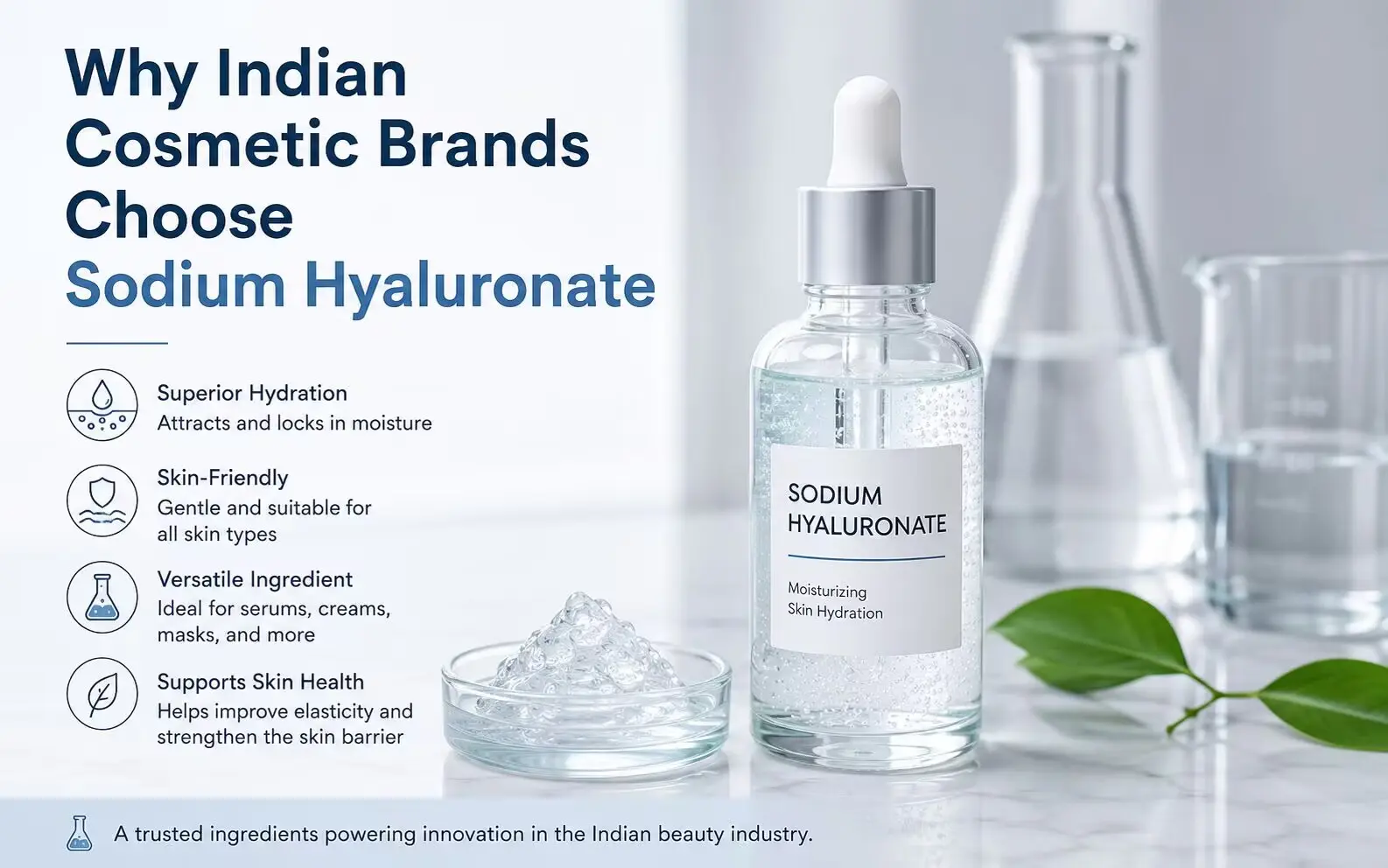
With the growth of the Indian beauty and personal care market, consumers' demand for effective, safe, and clean skincare has risen. Sodium hyaluronate is becoming a key ingredient for Indian cosmetics manufacturers. It is widely used in hydrators, repair creams, facial masks, sunscreens, and color cosmetics to satisfy the demand for intense hydration.
Read Article →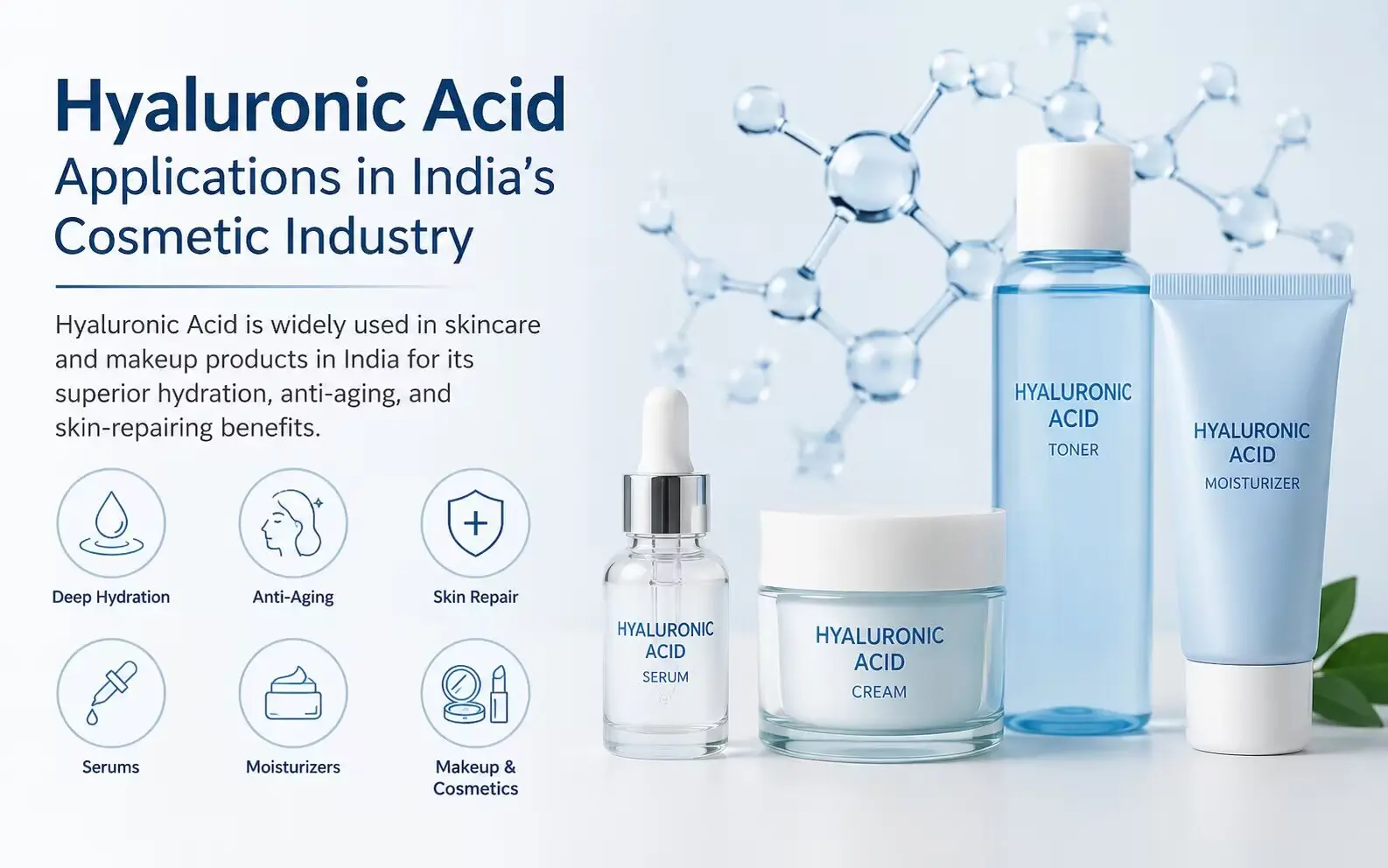
In the Indian personal care sector, hyaluronic acid (HA) has become a key functional active. Because of its versatility, B2B buyers purchase cosmetic-grade and food-grade HA to target anti-aging, barrier repair, and overall skin wellness markets.
Read Article →Common questions answered by our chief formulation engineer and international regulatory compliance team.
Review our broader range of B2B chemical ingredients. We supply high-assay whitening, moisturizing, and anti-aging agents globally.