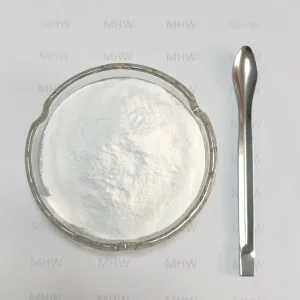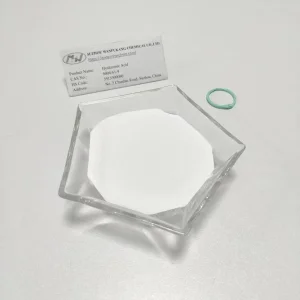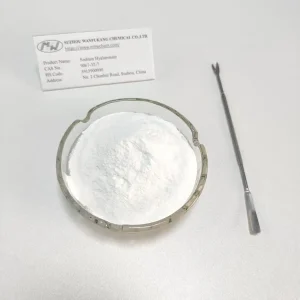
Explore our premium grade selections of Hyaluronic Acid, Sodium Hyaluronate, and target active complexes engineered for pharmaceutical and skincare efficacy.
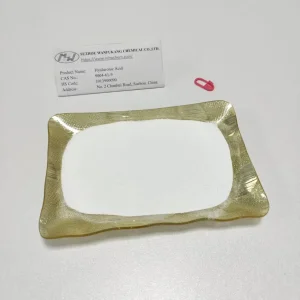
An Industrial and Scientific Analysis on the Convergence of Benzoyl Peroxide and Hyaluronic Acid Technologies
In modern dermatological formulations, matching aggressive anti-acne agents with restorative humectants represents a foundational objective. Benzoyl Peroxide (BPO) has stood for decades as the gold standard for treating acne vulgaris, operating via the release of free oxygen radicals that target *Cutibacterium acnes* without inducing bacterial resistance. However, BPO therapy is chronically plagued by adverse skin reactions, notably dry skin, pruritus, erythema, scaling, and general impairment of the epidermal lipid barrier.
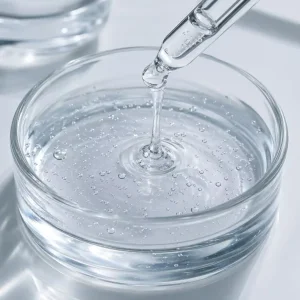
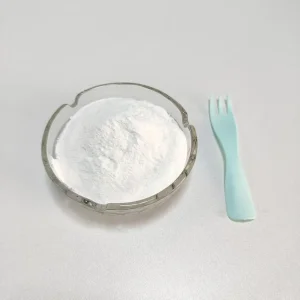
To counteract this epidermal degradation, modern cosmetic formulation pipelines rely on Hyaluronic Acid (HA) and its sodium salt derivative, Sodium Hyaluronate. As a naturally occurring glycosaminoglycan, HA holds up to 1,000 times its molecular weight in water. By incorporating varying molecular weights of HA (from low molecular weight ranges of 200-600 kDa to ultra-high molecular weights), formulators create a complex molecular mesh. The high molecular weight fraction seals moisture at the stratum corneum surface, creating a protective barrier against trans-epidermal water loss (TEWL) induced by BPO. Meanwhile, the lower molecular weight fractions penetrate deeper epidermal layers to promote cell migration, structural healing, and downregulate inflammatory cytokine profiles.
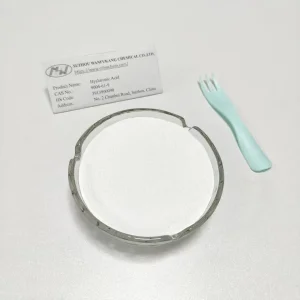
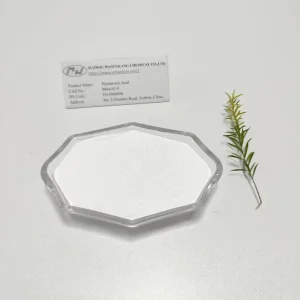
China has solidified its position as the global epicenter for the production of cosmetic, food, and pharmaceutical grades of Sodium Hyaluronate. Industrial factories like ours leverage advanced microbial fermentation systems (typically utilizing *Streptococcus zooepidemicus*) to cultivate HA with high purity, high yield, and strictly controlled molecular weight specifications. This biotechnology pathway eliminates risks associated with animal-derived raw materials, achieving a completely cruelty-free, non-animal-derived product profile.
Our facility ensures optimal control over critical raw material variables. In the production of medical and cosmetic grade HA, raw microbial broth undergoes multi-stage filtration, ultrafiltration, and alcohol precipitation. This achieves a product featuring extremely low protein impurities, low heavy metals, and minimized endotoxin thresholds, making it suitable for both topical formulations and aesthetic dermal injections.
| Parameters | Cosmetic Grade (Standard) | Injection / Dermal Grade | Analytical Methods |
|---|---|---|---|
| Sodium Hyaluronate Assay | ≥ 98.0% | 95.0% - 105.0% | Spectrophotometry / HPLC |
| Intrinsic Viscosity | Customizable | Matching Target Mw | Ubbelohde Viscometer |
| Bacterial Endotoxins | N/A | < 0.05 IU/mg | LAL Test (USP <85>) |
| Protein Impurities | < 0.1% | < 0.05% | Coomassie Brilliant Blue Method |
Combining Benzoyl Peroxide and Hyaluronic Acid within a single formulation requires advanced chemical engineering. BPO is an oxidizer that remains suspended in crystalline form, while HA is a hydrophilic polymer vulnerable to degradation under high oxidative stress or extreme pH shifts. Our application lab provides technical support for stabilization:
Acquiring cosmetic and pharmaceutical actives requires strict adherence to international quality protocols. Procurement teams from North America, Europe, and the Asia-Pacific region prioritize stable purity profiles, supply chain transparency, and comprehensive documentation packages (such as SDS, COA, DMF, and REACH compliance).
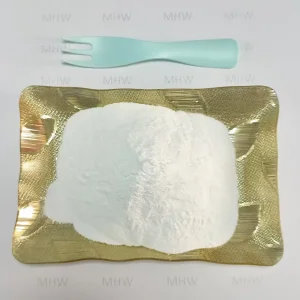
Suzhou Wanfukang Chemical Co., Ltd. provides optimized global supply chain logistics, ensuring the stability of chemical properties during shipping. Whether distributing liquid aqueous preparations or freeze-dried cosmetic powders, our factory maintains rigorous temperature and humidity controls to prevent polymer degradation. This ensures consistent formulation viscosity and active performance upon arrival at international customer laboratories.
Skincare preferences vary significantly across global regions. For instance, in the humid climates of South Asia (such as India), formulations require lightweight, non-comedogenic properties. Here, combining low-viscosity Sodium Hyaluronate with Benzoyl Peroxide in aqueous gels provides effective acne management without leaving heavy, greasy residues. Conversely, in colder climates, high molecular weight HA is necessary to form an occlusive surface layer, protecting skin from windburn and dryness during clinical BPO treatments.
Micro-encapsulated Benzoyl Peroxide gels coupled with Low Molecular Weight Hyaluronic Acid to soothe irritation and rebuild damaged skin barriers.
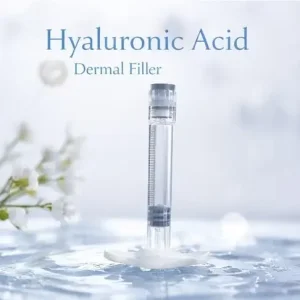
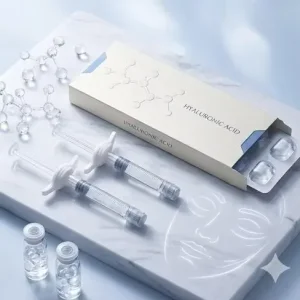
Highly purified cross-linked Sodium Hyaluronate fillers for targeting deep wrinkles and nasolabial folds, providing immediate mechanical support.
Non-animal derived, low-endotoxin Hyaluronic Acid and Chondroitin Sulfate designed for eye drops and joint lubrication supplements.
Suzhou Wanfukang Chemical Co., Ltd. is a specialized supplier of Sodium Hyaluronate and Hyaluronic Acid raw materials. Our product portfolio spans cosmetic, food, and pharmaceutical grade ingredients, developed to meet international regulatory standards.
As a reliable supply chain partner, our offerings extend across cosmetic actives, health food ingredients, and active pharmaceutical ingredients (APIs). Our products are widely utilized in topical skin treatments, joint health supplements, and medical devices.
Stay informed with current market trends and analysis on active ingredients within global personal care markets.
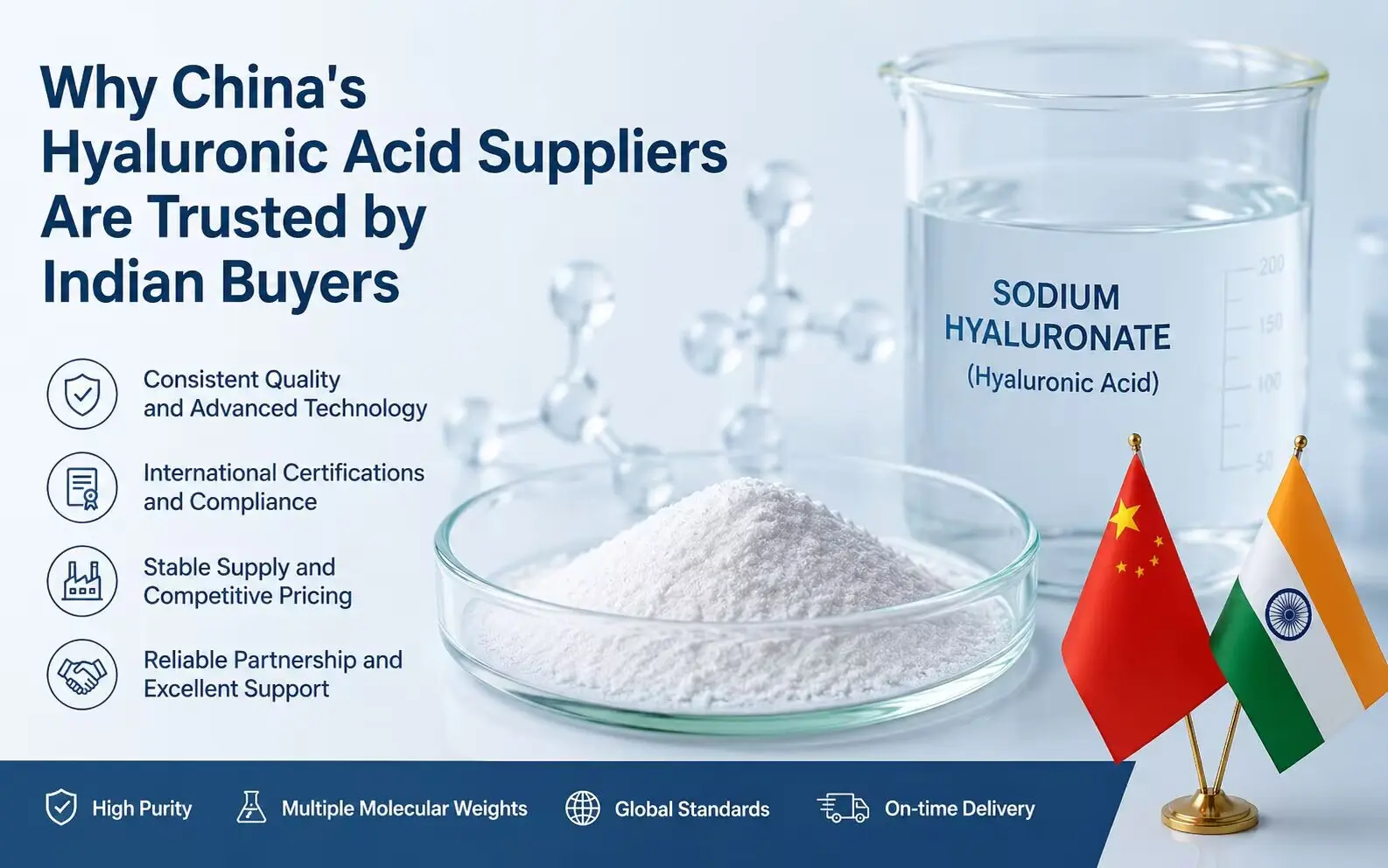
India's growing personal care and pharmaceutical industries drive substantial demand for active ingredients. Chinese producers deliver consistent quality, bio-fermentation purity, and reliable supply chains, making them primary sourcing partners.
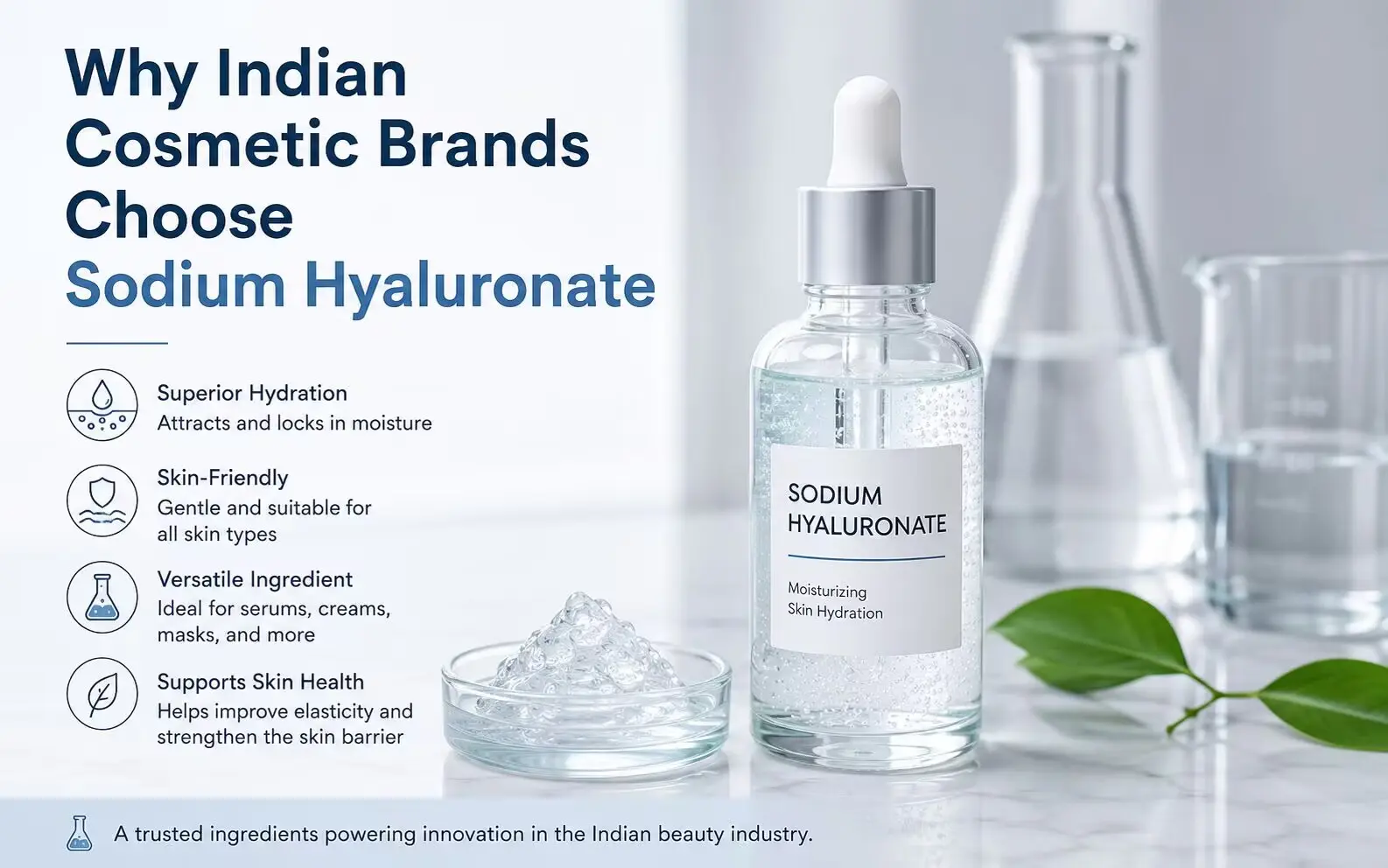
Sodium Hyaluronate remains essential for hydrating skincare products. Indian brands utilize various grades to design serums, creams, and sunscreens tailored for regional climate conditions.
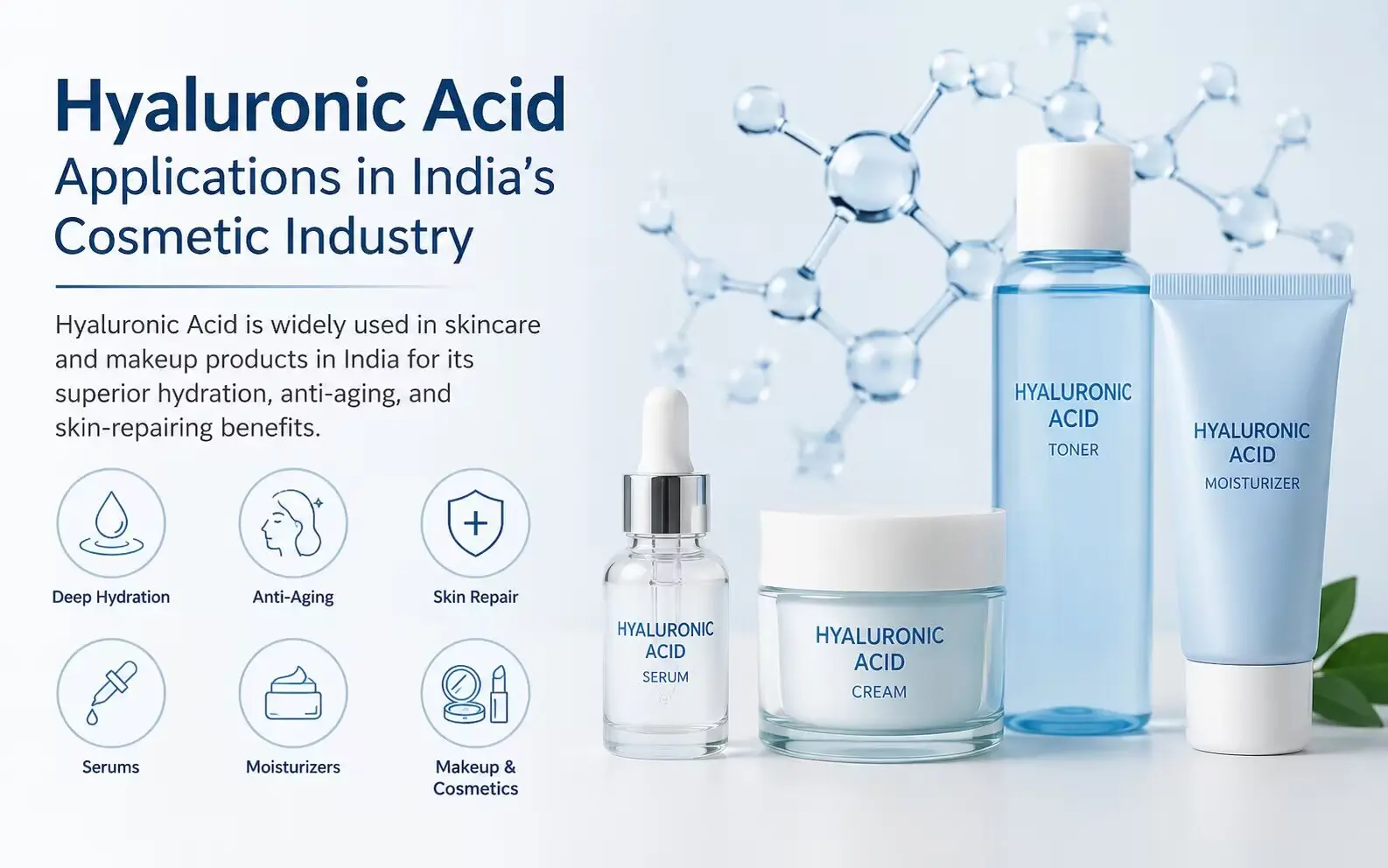
The cosmetic market continues to shift toward clinical, ingredient-led formulations. Hyaluronic Acid is central to this trend, functioning as the foundational humectant across anti-aging and acne-recovery product lines.

Scientific resolutions to common queries encountered by product developers and sourcing professionals.
Premium raw materials designed for food-grade, cosmetic-grade, and pharmaceutical applications.