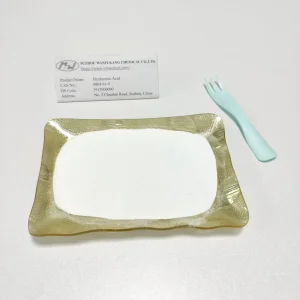
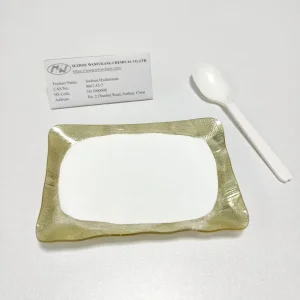
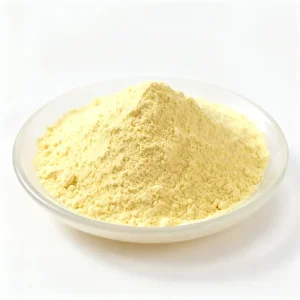
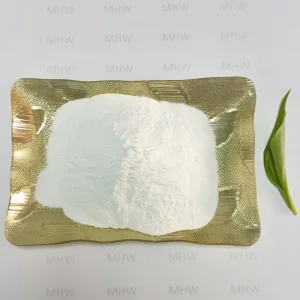
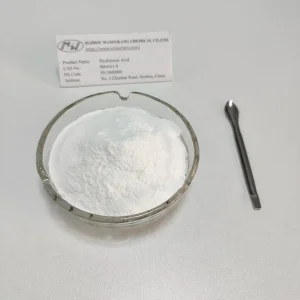
The international dermatology, nutricosmetic, and clinical aesthetic sectors are undergoing a structural shift toward bioactive, biochemically stable raw materials. Among these, Collagen and Hyaluronic Acid (HA) are the structural pillars of skin moisturization, matrix recovery, and tissue longevity. Currently, the global market valuation for these two biomaterials exceeds USD 15 Billion, driven by a compound annual growth rate (CAGR) of 7.8% for cosmetic-grade molecules and 9.4% for clinical-grade equivalents.
Historically, collagen extraction relied exclusively on mammalian tissues (bovine and porcine). Modern technological breakthroughs, however, have unlocked marine-derived peptides and advanced recombinant humanized collagen (rhCollagen) via yeast and bacterial hosts. In parallel, Hyaluronic Acid production has fully transitioned from traditional avian rooster-comb extraction to precise, non-animal-derived microbial fermentation of Streptococcus zooepidemicus. This advancement ensures minimal immunogenicity, highly consistent molecular weights, and strict compliance with ethical and vegan formulation requirements worldwide.
China currently controls over 70% of the global raw material supply for Sodium Hyaluronate. This concentration of production capacity is not merely a matter of scale; it is rooted in deep infrastructure integration, state-of-the-art bio-fermentation technology, and strict quality assurance protocols. Chinese factories, particularly those situated in advanced biochemical industrial zones, offer unmatched supply chain resilience.
Direct pipeline integration of carbon sources (such as glucose) reduces transit loss and raw feedstock costs, enabling predictable, long-term pricing for high-volume B2B contract orders.
Automated bio-reactors manage real-time pH, dissolved oxygen, and feed rates, yielding consistent molecular weight distributions with minimal batch-to-batch variation.
Modern facilities operate cleanrooms certified under EU GMP, ISO 9001, and ISO 22716 standards, with comprehensive documentation support including MSDS, COA, and Kosher certifications.
As a premier global supplier of raw ingredients, Suzhou Wanfukang Chemical Co., Ltd. customizes its product outputs to meet the distinct clinical, cosmetic, and regulatory standards of key target markets:
| Raw Material Type | Molecular Weight Range | Primary Physiological / Cosmetic Mechanism | Typical Formulation Dosage |
|---|---|---|---|
| High Molecular Weight HA | 1.8 Mda - 2.2 MDa | Forms a protective moisture barrier on the skin surface; protects the skin barrier. | 0.1% - 0.5% |
| Medium Molecular Weight HA | 1.0 MDa - 1.6 MDa | Provides long-lasting hydration; excellent texturizer for serums and emulsions. | 0.2% - 1.0% |
| Low / Oligo HA | < 10 kDa (Oligo) | Deep transdermal absorption; stimulates endogenous HA synthesis; structural repair. | 0.5% - 2.0% |
| Cross-Linked Hyaluronic Acid | Modified Polymer Matrix | Constructs a stable, elastic hydrogel matrix; commonly used in dermal fillers. | Clinical Specification |
We segment our production lines to meet strict, application-specific standards. Browse our chemical catalog by cosmetic, nutritional, and customized functional categories.
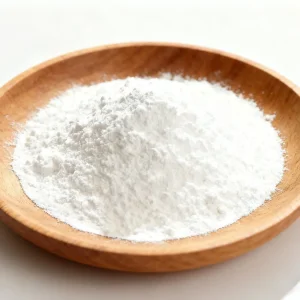
High-assay whitening agents, stable niacinamide, arbutin, and transdermal hyaluronic acid powders optimized for skin brightening, anti-aging, and barrier recovery.
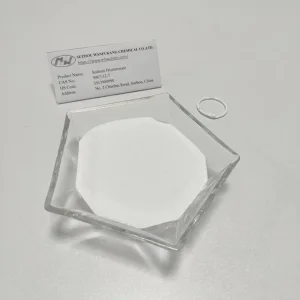
Microbial fermentation food-grade sodium hyaluronate, high-purity chondroitin sulfate, and vitamins engineered to survive processing for oral beauty drinks and joint-health supplements.
Ultra-pure injection and ophthalmic-grade sodium hyaluronate with strictly controlled endotoxin levels. Designed for artificial tears, intra-articular injections, and dermal filler formulations.
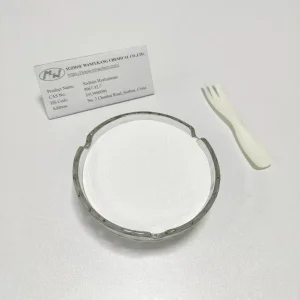
Ready-to-formulate 1% Sodium Hyaluronate aqueous solutions. Simplifies standard manufacturing, eliminates hydration delays, and cuts processing times for volume formulations.
As a dedicated supplier of Sodium Hyaluronate and active cosmetic ingredients, our manufacturing capabilities support global distribution to cosmetics brands, pharmaceutical labs, and wellness manufacturers.



Real-world insights on sourcing bio-actives, local compliance dynamics, and technical development trends in emerging beauty markets.
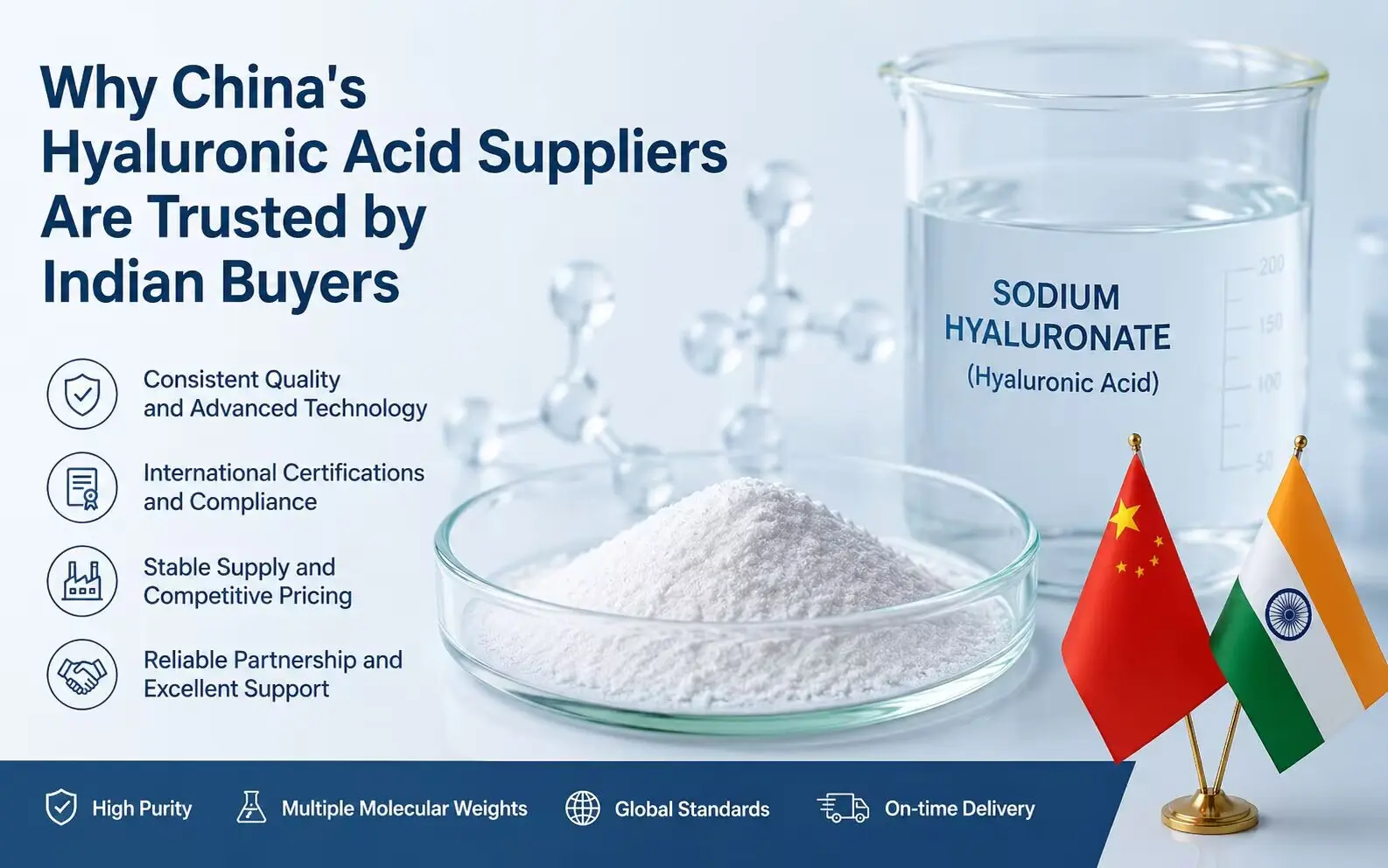
With the rapid development of India's cosmetics, pharmaceutical, and wellness industries, the demand for high-quality hyaluronic acid continues to rise. Discover how Chinese manufacturers satisfy this demand by providing reliable, large-scale supply chains, strict impurity profiles, and competitive pricing.
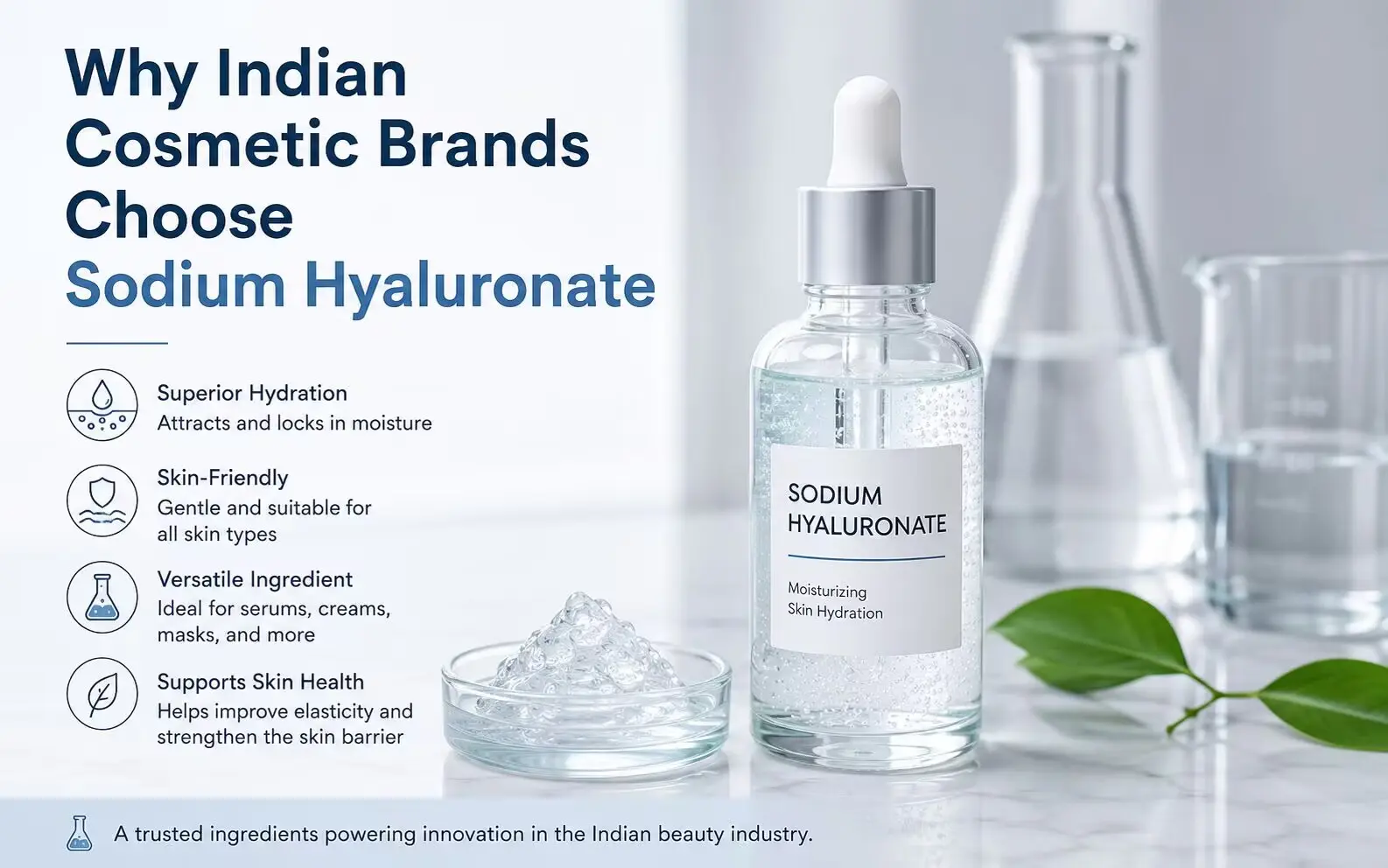
As Indian consumers demand more clinical efficacy from their personal care products, sodium hyaluronate has become a go-to active ingredient. It offers high compatibility in skin brightening formulations, stable performance under regional heat conditions, and intense hydration.
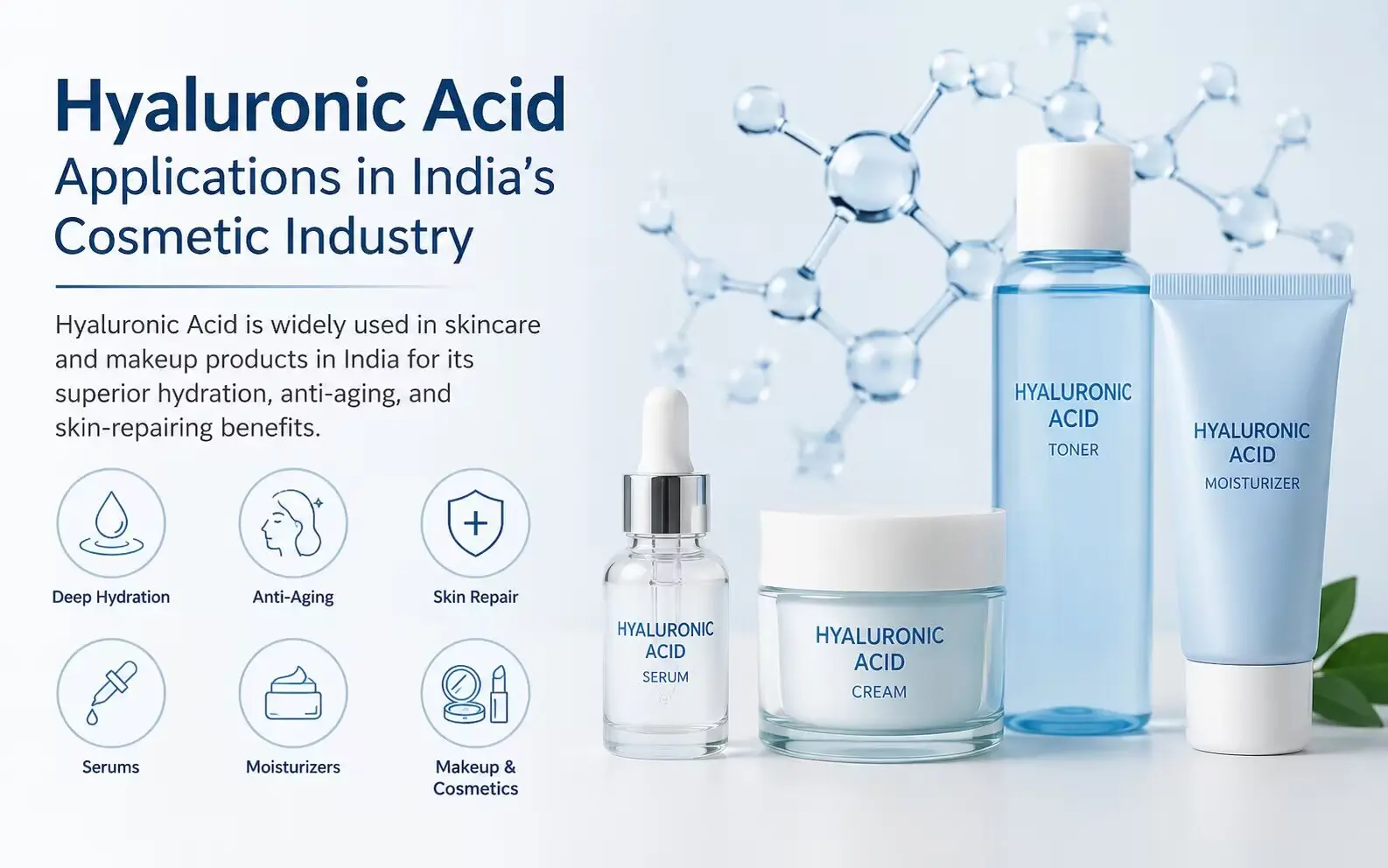
Explore the diverse formulations utilizing bio-fermented hyaluronic acid, ranging from oil-free hydrating gels and lightweight sunscreens to recovery serums, highlighting the ingredient's versatility across different product formats.
Key information for laboratory developers, cosmetic chemists, and procurement teams.
View our full range of molecular weights, ophthalmic solutions, and functional food additives manufactured to support diverse global applications.