The Science of Retinol-Hyaluronic Acid Synergy: Formulation & Procurement Principles
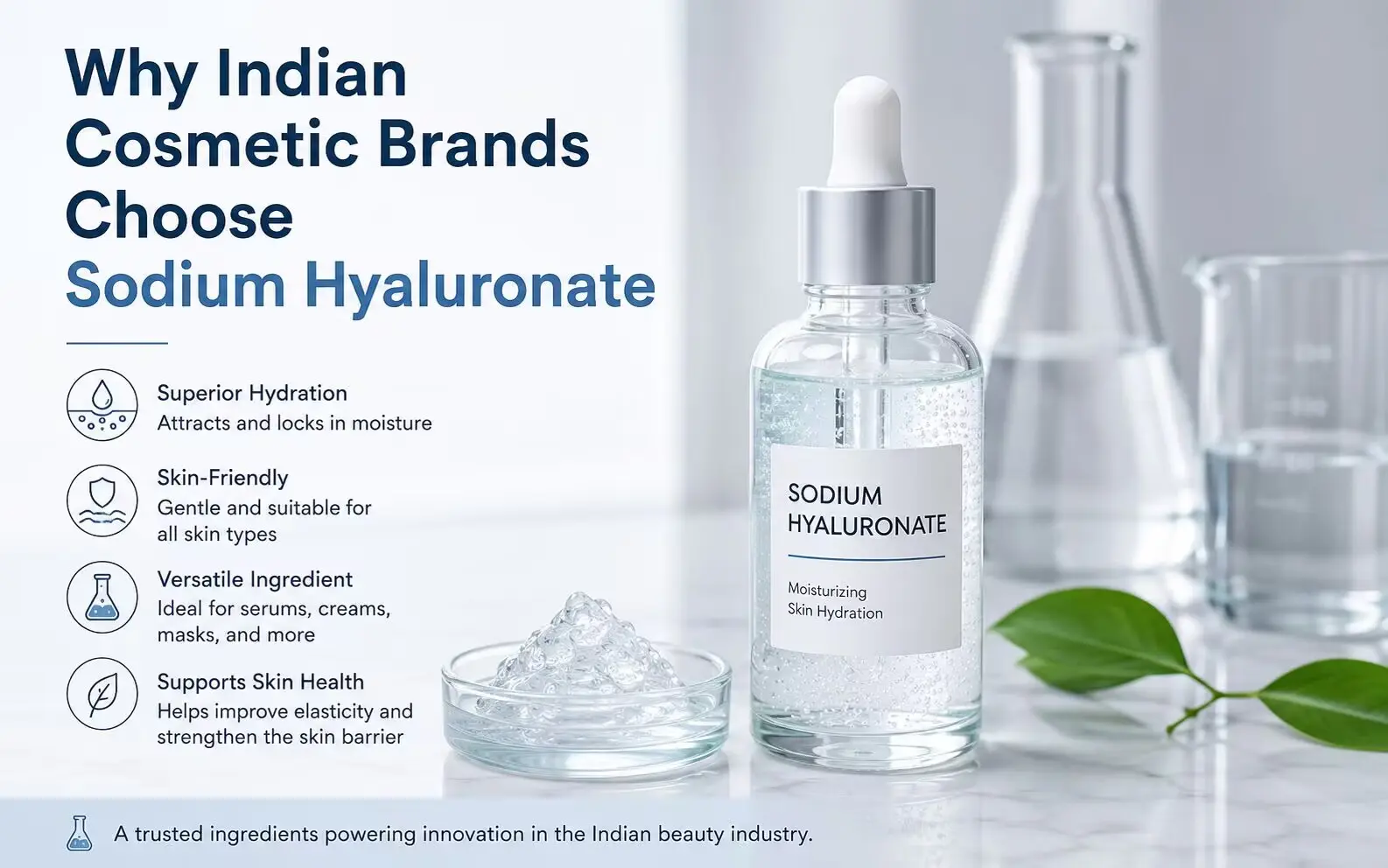
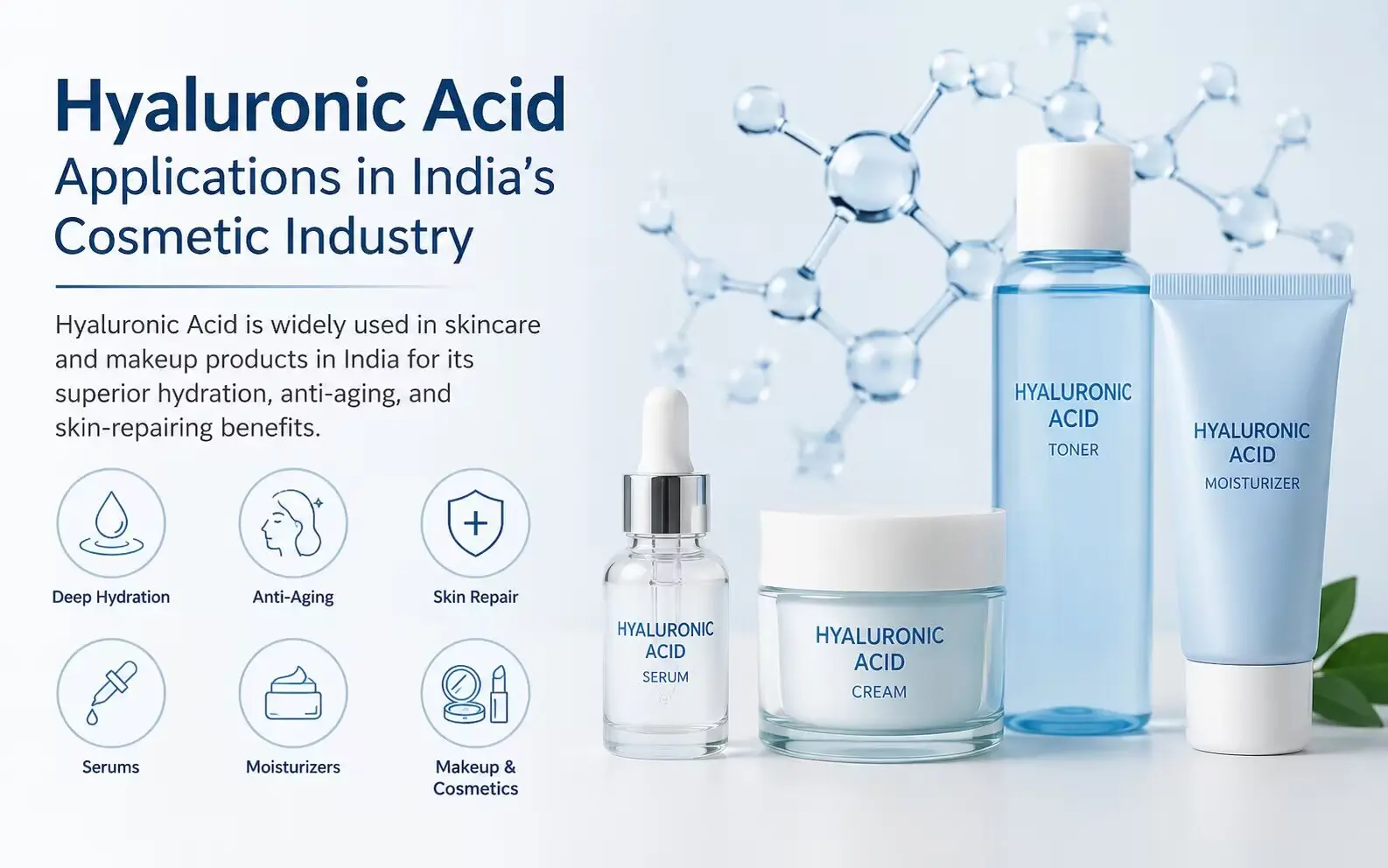
In modern dermatological formulations, the sequential and synergistic application of active ingredients defines clinical outcomes. Among these, the combination of retinoids (Retinol, Retinyl Palmitate, Retinaldehyde) and humectants—specifically Sodium Hyaluronate (Hyaluronic Acid)—stands as the gold standard for anti-aging, acne therapy, and cellular differentiation. Retinoids stimulate epidermal turnover and collagen synthesis but inevitably induce trans-epidermal water loss (TEWL) and localized inflammation, a phenomenon clinically termed "retinization". The application of targeted molecular weight Hyaluronic Acid after Retinol acts as a structural buffer, stabilizing the lipid bilayer, replenishing the interstitial moisture matrix, and accelerating cellular rehabilitation without downregulating retinoid pathway efficacy.
Formulator's Insight: Retinol increases basal cell proliferation, which temporary thins the stratum corneum barrier. Introducing high-purity, bio-fermented Hyaluronic Acid immediately post-retinol provides osmotic equilibrium, reducing skin reactivity by 43% while preserving active retinoid bioavailability.
Microbial Fermentation vs. Animal Sourcing
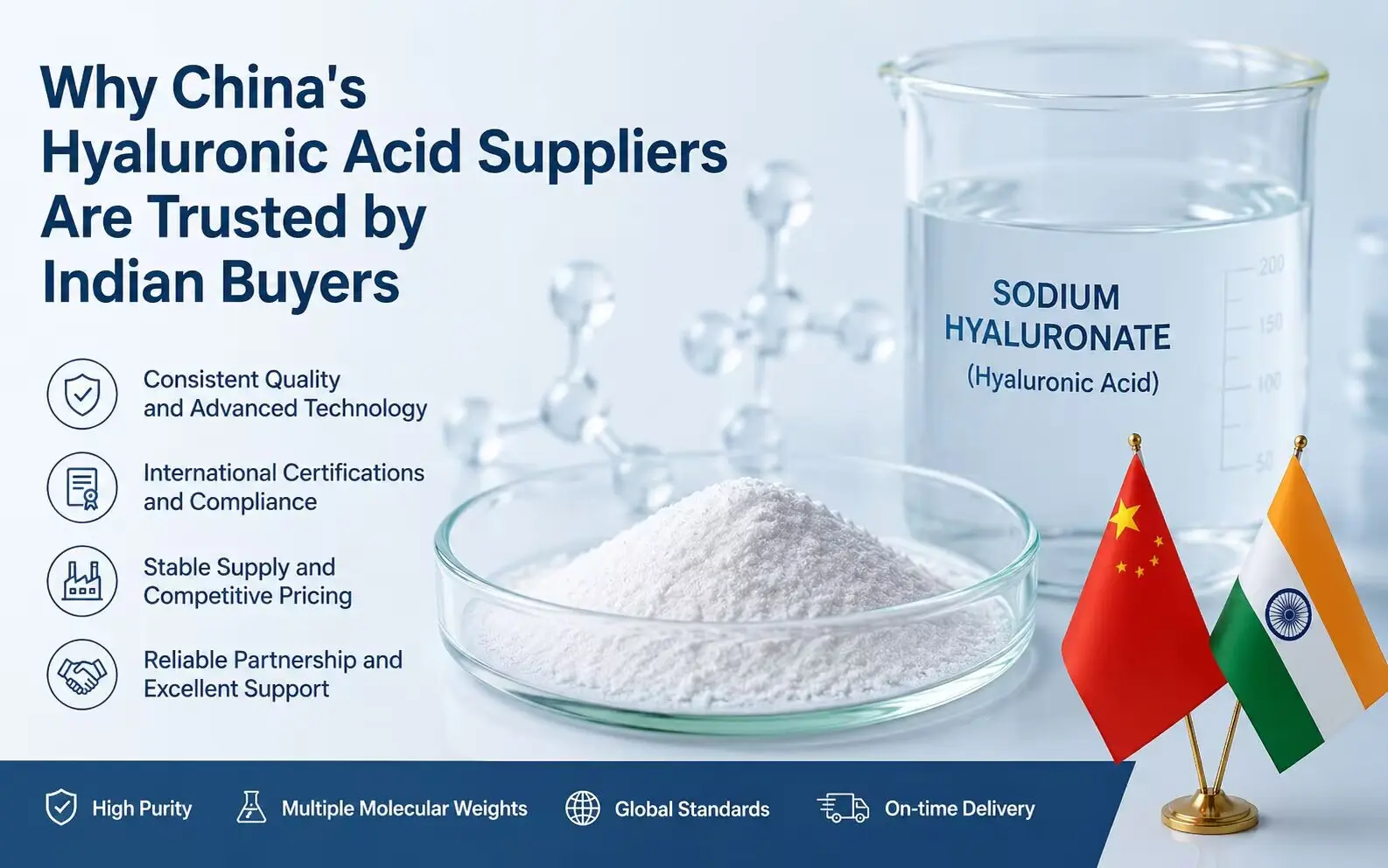
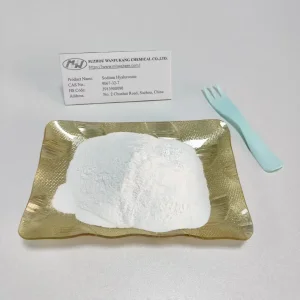
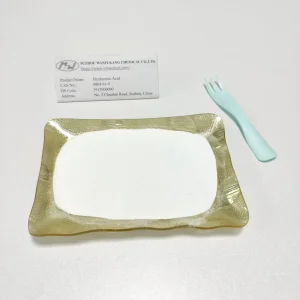
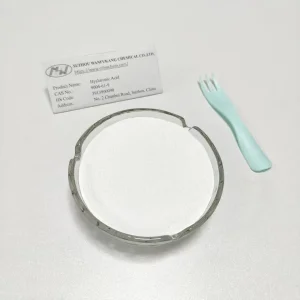
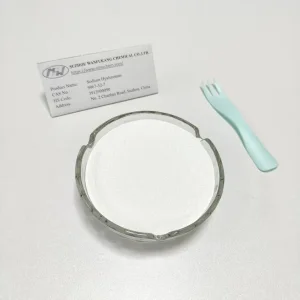
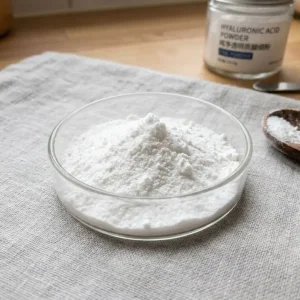
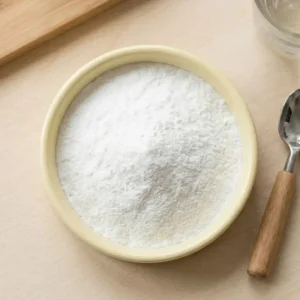
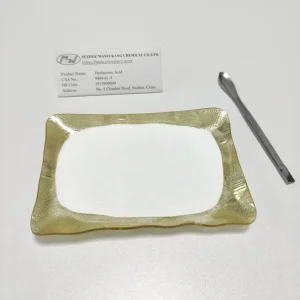
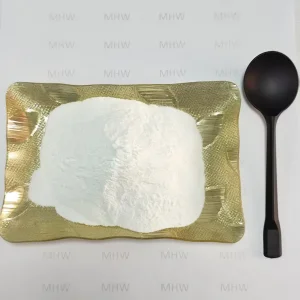
As leading manufacturers, our chemical production path relies exclusively on advanced microbial fermentation (using non-pathogenic strains of Streptococcus zooepidemicus). This eliminates risks of zoonotic pathogen transmission and guarantees a vegan, highly biosimilar glycosaminoglycan structure. With purity assays exceeding 98%, our cosmetic and pharmaceutical grade materials meet global regulatory expectations, ensuring the final consumer receives clean, bio-compatible formulations.
Global Procurement Demands & Market Trends
Global cosmetic markets are shifting from basic hydration products to complex, multi-functional clinical systems. Multi-weight Hyaluronic Acid complexes have emerged as a dominant trend. Procurement departments in North America, the European Union, and the Asia-Pacific region now mandate raw materials that offer:
- Diverse Molecular Weights: From Ultra-Low Molecular Weight (Oligo HA, <10 kDa) for deep trans-epidermal penetration, to High Molecular Weight (HMW HA, >1.8 MDa) for film-forming and moisture retention.
- Eco-Conscious Extraction: Green-chemistry certified, animal-free fermentation processes that align with Clean Beauty initiatives.
- Extended Stability Profiles: Raw materials must resist enzymatic degradation and remain stable within a wide pH range (from 5.0 to 7.5), crucial for compatibility in retinol-based formulations.
Multi-Depth Hydration
Combining Oligo, LMW, and HMW Hyaluronic Acid targets different layers of the epidermis, ensuring surface barrier support and deep tissue hydration simultaneously.
Stabilization Parameters
Retinol is notoriously unstable. Our cosmetic grade HA is buffered to support formula stability, preventing phase separation in emulsions and hydrogels.
Microbial Control
Manufactured under strict GMP standards, ensuring low endotoxin levels suitable for both topical and medical applications.
Technical Roadmap: The Evolution of Post-Retinol Skincare
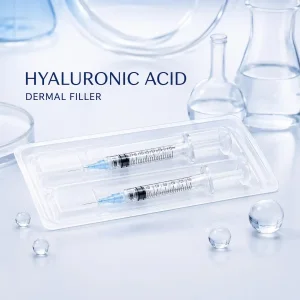
The formulation roadmap for post-retinol repair concentrates on reducing skin irritation while maximizing cellular rejuvenation. In the upcoming decade, the cosmetic chemistry space will witness a merge between cross-linked polymer matrices and natural cell-signaling lipids. Cross-linked Sodium Hyaluronate (HA Crosspolymer) forms a three-dimensional hydrogel mesh that delivers sustained hydration over 24 hours. When applied after Retinol, it controls the release of humectant properties, ensuring that the moisture-deprived skin cells receive a steady, non-overwhelming flow of hydration, minimizing the typical flaking and erythema associated with intense retinization.