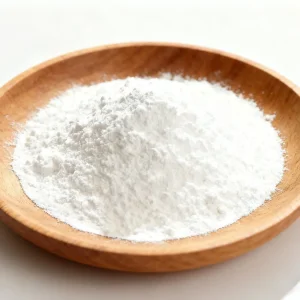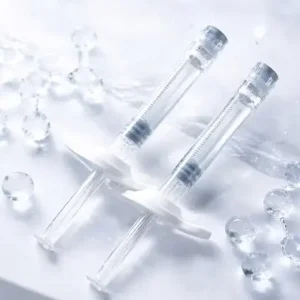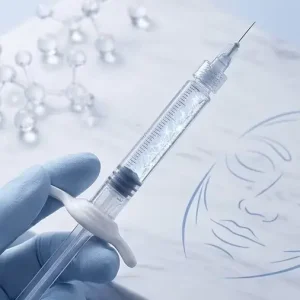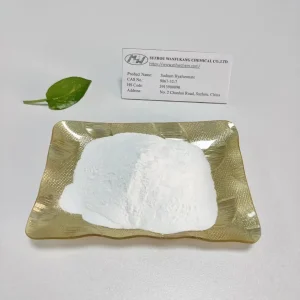
Premium sodium hyaluronate raw materials and medical-grade dermal solutions engineered for clinical excellence.
Evaluating the Biophysical Parameters of Cross-Linked Dermal Fillers
Hyaluronic acid (HA) lip augmentation is no longer merely a cosmetic procedure; it is a discipline grounded in advanced viscoelastic rheology. The lips represent one of the most anatomically challenging dynamic zones of the human face. Subject to constant movement from speech, mastication, and micro-expressions, any dermal filler intended for this region must display an optimum balance between Storage Modulus (G'), Loss Modulus (G''), and Cohesivity.
As a premier global exporter, our cross-linked HA gel lines are synthesized using advanced bio-fermentation methods, minimizing the presence of BDDE (1,4-butanediol diglycidyl ether) residues. The modern clinical consensus dictates that the ideal lip filler should possess a moderate G' to provide immediate structural projection, while exhibiting high cohesivity to prevent the gel from migrating outside the vermilion border. This balance ensures natural-looking results that integrate seamlessly with the host soft tissue.
The global demand for non-animal-derived dermal fillers is growing rapidly. Industry projections suggest that the global dermal filler market will exceed $10 billion USD by 2028, with lip augmentation accounting for a significant share of this growth. This expansion is driven by a shift in consumer demographics and an increasing preference for minimally invasive procedures with minimal recovery time.
Distributors, clinical networks, and pharmaceutical purchasing houses require a reliable, high-volume supply partner capable of delivering consistent batch qualities. Our vertically integrated production model supports these needs, ensuring that from raw microbial fermentation to finished pre-filled syringes, the chemical profile is fully traced and validated under GMP conditions.
Transitioning from Conventional BDDE Cross-Linking to Biocompatible Polymer Integration
Our R&D roadmap focuses on developing next-generation bio-resorbable matrices. While BDDE remains the industry standard for cross-linking, our laboratory is actively optimizing alternative pathways, including PEGylation (Polyethylene Glycol cross-linking) and chitosan-crosslinked matrices. These technologies aim to reduce the acute swelling phase post-injection and improve biocompatibility.
In addition, we are researching smart hydrogels capable of responsive degradation. By altering the cross-linking density, we can tailor the in vivo survival rate of the gel, allowing clinical practitioners to choose between soft, highly hydrative gels for fine lip borders, and structural, high-projection gels for significant volume restoration.
Adapting Aesthetic Properties to Dynamic Regional Preferences
Practitioners in Western regions often request high G' (Storage Modulus) formulations. This accommodates dynamic injection techniques like the "Russian Lip" method, which requires a firm gel capable of vertical projection and sharp definition of the cupid's bow.
Target: High Structural IntegrityAesthetic preferences in countries like Japan, South Korea, and China favor low-to-medium viscosity hydrogels. The goal is to achieve natural-looking fullness and hydration without visible borders. This requires a gel that integrates seamlessly into the mucosal layer.
Target: High Cohesivity & SoftnessThe regional preference in the Middle East often trends towards high volume and durability. Gels must be optimized to resist metabolic breakdown, utilizing complex multi-cross-linking patterns to extend the degradation cycle up to 12-18 months.
Target: Slow Degradation ProfileSpecializing in the development and export of cosmetic, food, and pharmaceutical grade ingredients.
Evaluating the Scalability of Modern Bio-Manufacturing Hubs
China leads the global production of raw sodium hyaluronate. Our facility leverages regional infrastructure to maintain high supply chain resilience, even during periods of global logistics volatility. From raw microbial fermentation processes utilizing non-pathogenic bacterial strains, to purification systems that meet the strict limits of the European Pharmacopoeia (EP), our supply chain is designed to minimize risk.
This scale enables competitive pricing structures without compromising on safety or compliance metrics. By eliminating intermediate suppliers, we provide direct factory pricing to clinical networks and distributors. Our automated sterile filling suites use advanced inspection systems to ensure each syringe meets strict safety standards before release.
This operational model allows for rapid production scaling. Standard customized formulation batches (OEM/ODM) can be processed, packaged, and prepared for shipping within weeks, outperforming traditional manufacturing timelines.
Suzhou Wanfukang Chemical Co., Ltd
Suzhou Wanfukang Chemical Co., Ltd has operated as a professional supplier of Sodium Hyaluronate and Hyaluronic Acid for many years.
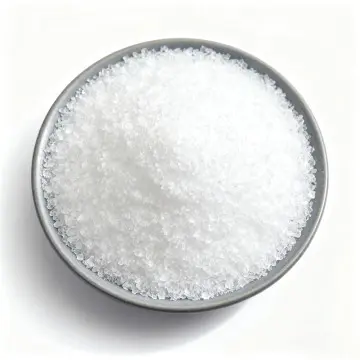
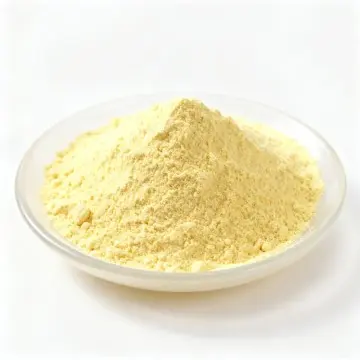
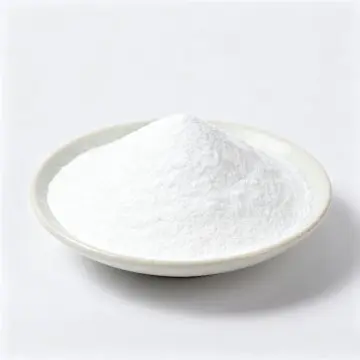
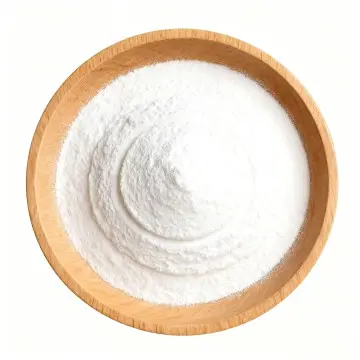
We supply a range of sodium hyaluronate grades, including food grade, cosmetic grade, and pharmaceutical grade. As our operations have expanded, we have developed our product portfolio to serve cosmetic ingredients, health food materials, and pharmaceutical ingredients. Today, our products are widely utilized in cosmetic formulations, joint health supplements, and medical applications.



Navigating International Regulatory Frameworks for Medical Devices
We supply comprehensive validation packages to support international customs clearing and regulatory approval. This documentation includes Certificate of Analysis (COA), Safety Data Sheets (SDS), stability testing reports, and Master Files to assist with local health authority registrations.
Hyaluronic acid gels can be sensitive to environmental variations. Our logistics division employs temperature-monitored shipping profiles to ensure that shipments maintain structural integrity from the factory gate to their final destination, preventing degradation during transport.
We support OEM/ODM inquiries to customize specific gel properties. Whether modifying concentration ranges, adjustment of lidocaine levels, or designing custom retail packaging, our engineering teams help adapt product offerings to local market demands.
Tracking the rise of high-quality sodium hyaluronate in dynamic international markets.
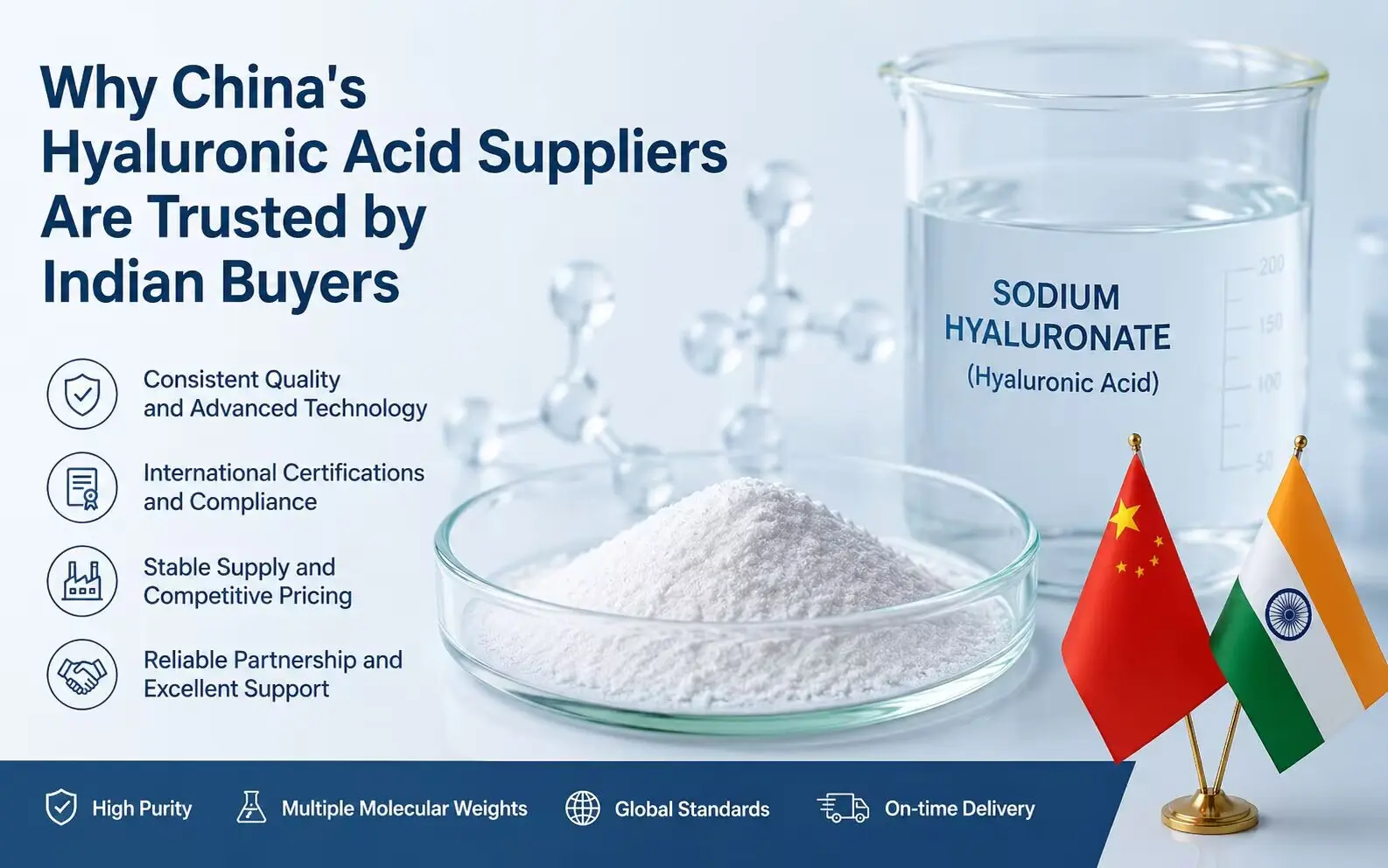
India's growing cosmetics, pharmaceutical, and health supplement industries are driving increased demand for high-purity sodium hyaluronate. Buyers look to Chinese manufacturers for reliable batch consistency and scalability.
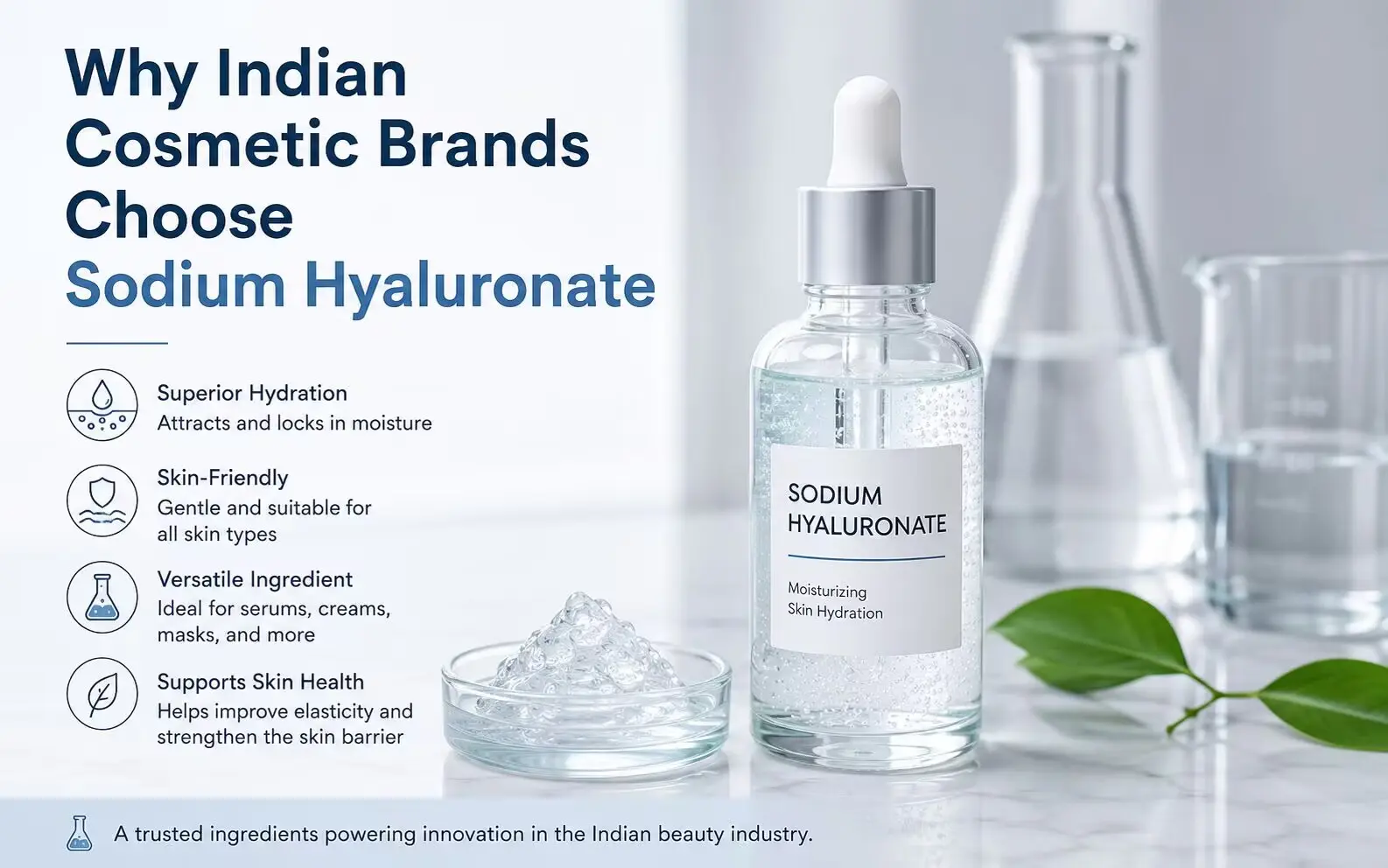
As the Indian personal care sector grows, cosmetic brands increasingly rely on sodium hyaluronate for its moisturizing and biocompatible properties in topical serums, creams, and sunscreens.
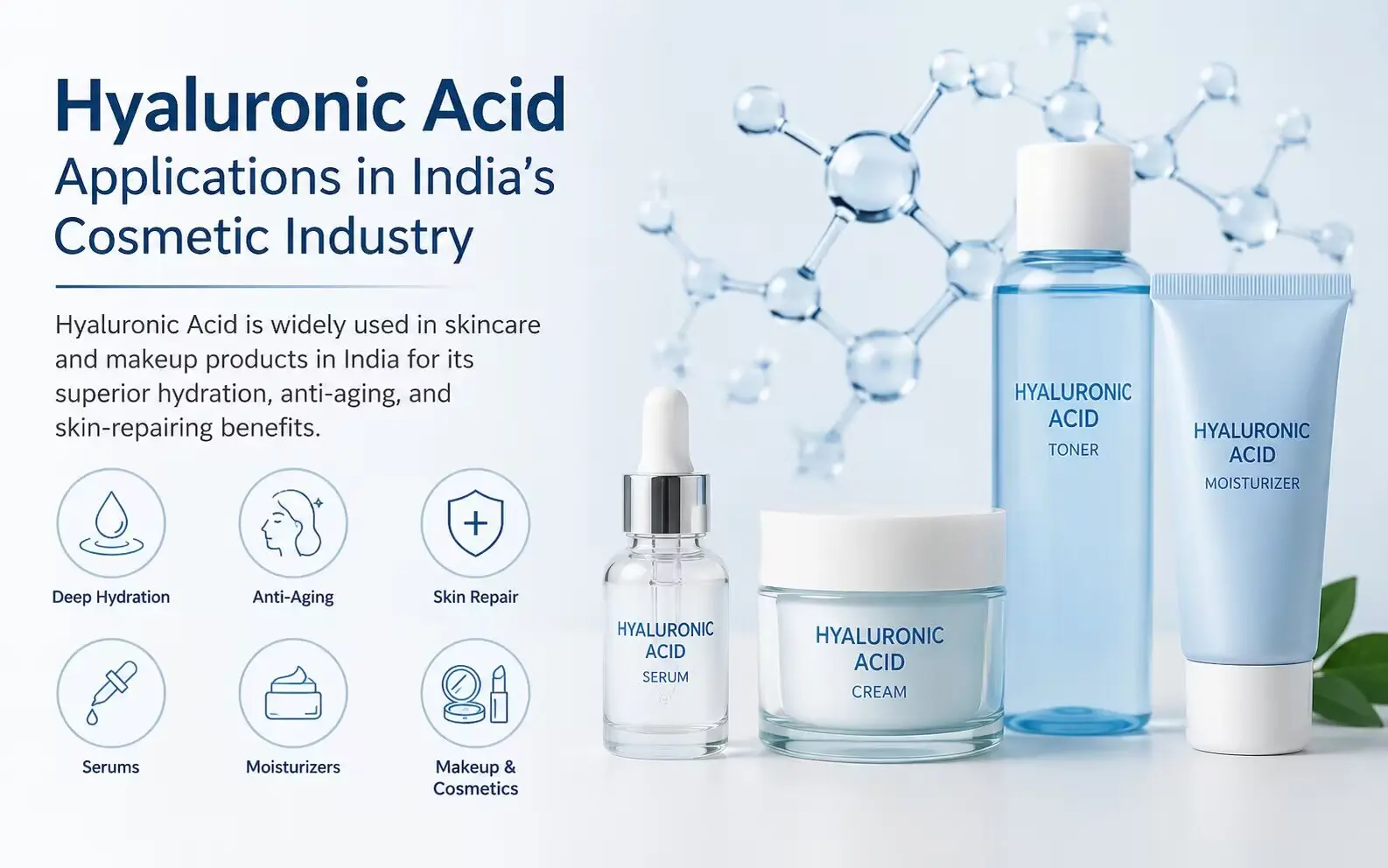
The versatility of hyaluronic acid allows it to serve multiple functions in cosmetics. Key applications range from deep-acting skin hydration matrices to surface-plumping formulations.
Scientific and Regulatory Inquiries Addressed by Our Technical Department



Explore our extended range of high-purity cosmetic raw materials and health supplement ingredients.