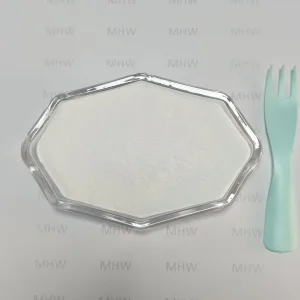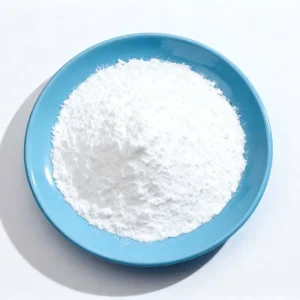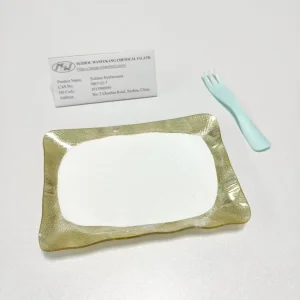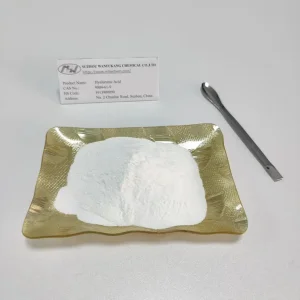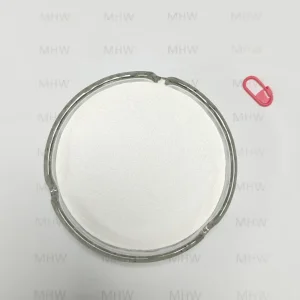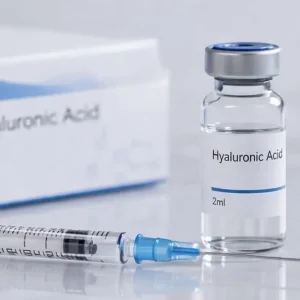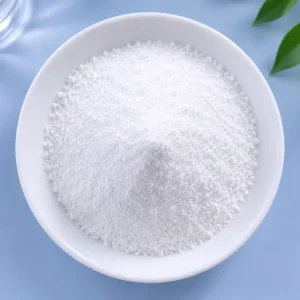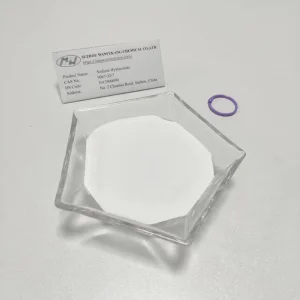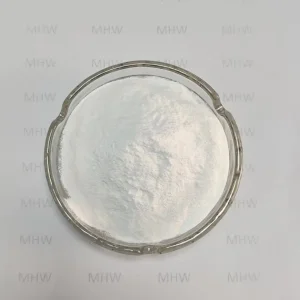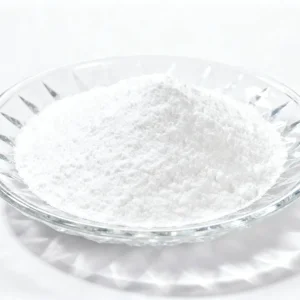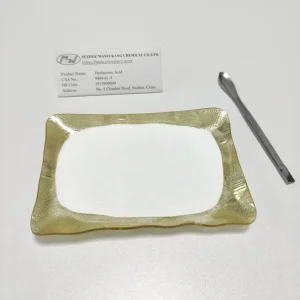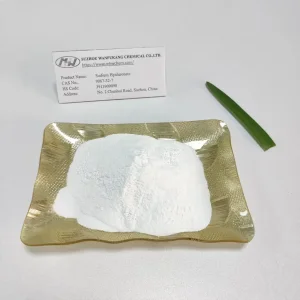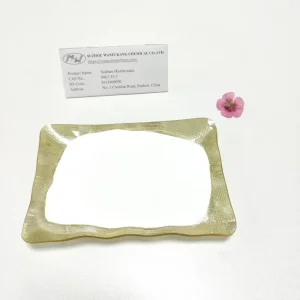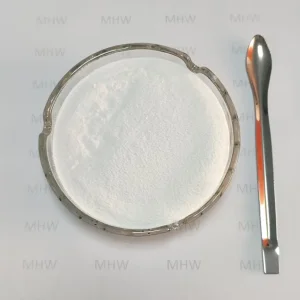
Premium selection of molecular variants engineered for optimal bioavailability, stability, and moisture rentention.
Sodium Hyaluronate (HA), the sodium salt of hyaluronic acid, represents one of the most critical structural glycosaminoglycans utilized across bio-pharmaceuticals, ophthalmology, clinical nutrition, and clinical cosmetics. As global consumer demand pivots towards high-efficacy cosmetic formulas and preventive therapeutic nutrition, the production paradigm of Sodium Hyaluronate has transitioned from traditional animal tissue extraction to high-yield microbial fermentation using genetically optimized strain libraries (such as *Streptococcus equi* subsp. *zooepidemicus* and *Bacillus subtilis*).
Our global supply framework highlights the rising commercial imperative for multi-molecular weight portfolios. Ultra-low molecular weight hyaluronic acid (typically <10 kDa) penetrates the stratum corneum deeply to stimulate cell proliferation, whereas high molecular weight configurations (>1.5 MDa) establish a highly viscoelastic surface barrier layer that optimizes hydration and preserves dermal cellular structure.
Our systems comply strictly with USP, EP, and ChP standards, featuring rigorous batch traceability profiles and comprehensive HPLC testing records.
Non-GMO Streptococcus strains guarantee an animal-free origin, eliminating potential contamination from avian viral or mammalian protein components.
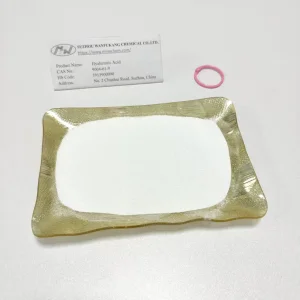
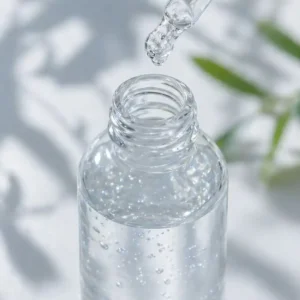
Supplying standard dry powders as well as stable 1% Sodium Hyaluronate aqueous solutions with customized food or cosmetic preservative configurations.
Exporting to over 20 destination nations, backed by ISO 9001:2015, Kosher, Halal, and GMP manufacturing framework validations.
From standard bacterial biosynthesis to advanced cross-linked structures and enzymatic oligomerization processes.
Utilization of *Streptococcus equi* strains, producing high-molecular-weight polymers with typical distribution curves of 1.0 MDa to 2.0 MDa. Primarily targeting base viscosity control and topical cosmetic humectancy.
Development of physical, chemical, and enzymatic degradation processes to access Low Molecular Weight (LMW) and Oligo HA (<10,000 Da). Enhances deep cutaneous penetration and triggers natural healing pathways.
Formulation of cross-linked complexes (BDDE, DVS) that significantly prolong enzyme resistance (Hyaluronidase) within the extracellular matrix, optimizing performance in dermal fillers and localized therapeutics.
Pioneering the synthesis of host organisms such as non-pathogenic *Bacillus subtilis*. Recombinant technology enables the manufacture of highly monodisperse HA segments with zero immunogenicity risks.
Suzhou Wanfukang Chemical Co., Ltd. specializing in the development and export of cosmetic, food, and functional ingredients.
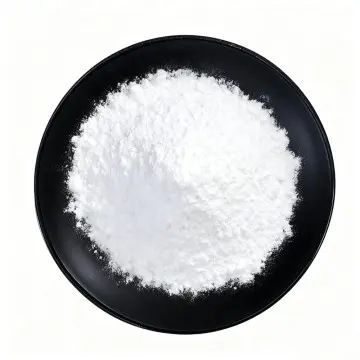
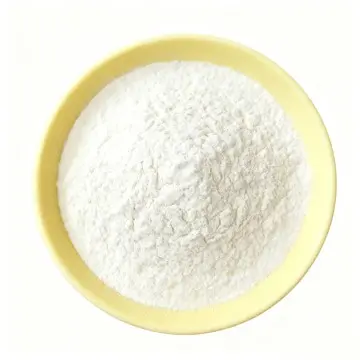
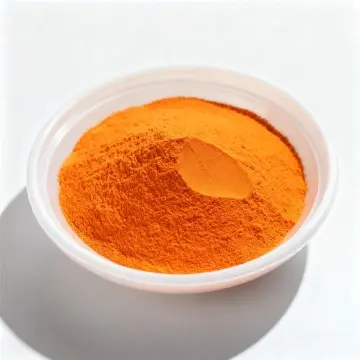
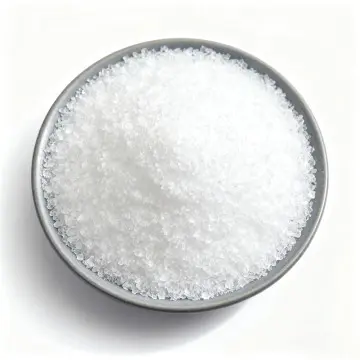
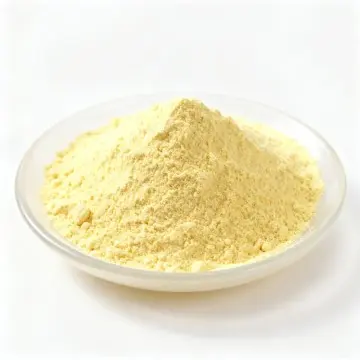
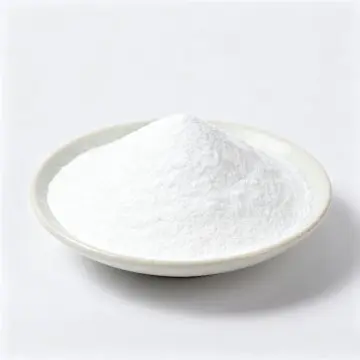
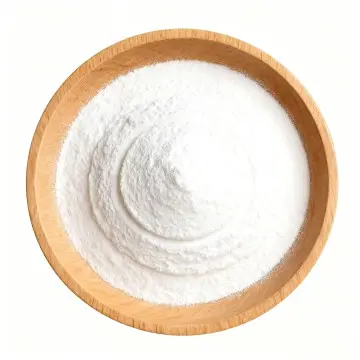
Suzhou Wanfukang Chemical Co., Ltd. has established itself as an authoritative supplier of Sodium Hyaluronate and auxiliary ingredients for nearly a decade. Our analytical labs and formulation guidance specialists operate at the intersection of material science and biochemistry.
We deliver cosmetic, food, and pharmaceutical grade solutions. By expanding our operational framework to encompass customized ingredient processing, our technical solutions support formulations in cosmetics, dietary supplements, joint health matrices, and ophthalmic solutions.
Aligning raw material specifications with application chemistry for targeted commercial success.
Solving the skin barrier hydration paradox through synergistic formulation of 1% Sodium Hyaluronate Solutions, Arbutin, and Niacinamide. Multi-molecular targets optimize transdermal delivery without disrupting natural lipid architectures.
Combining oral food-grade Sodium Hyaluronate with Chondroitin Sulfate and Coenzyme Q10. These components work synergistically to support synovial fluid viscosity, joint mobility, and systemic antioxidant pathways.
Developing high-purity Sodium Hyaluronate with minimized endotoxin indexes for eye drop formulations and surgical viscoelastics. Offers long-lasting corneal surface lubrication and optimized shear thinning behavior.
Market studies and technical trends in global markets, including localized formulation strategies.
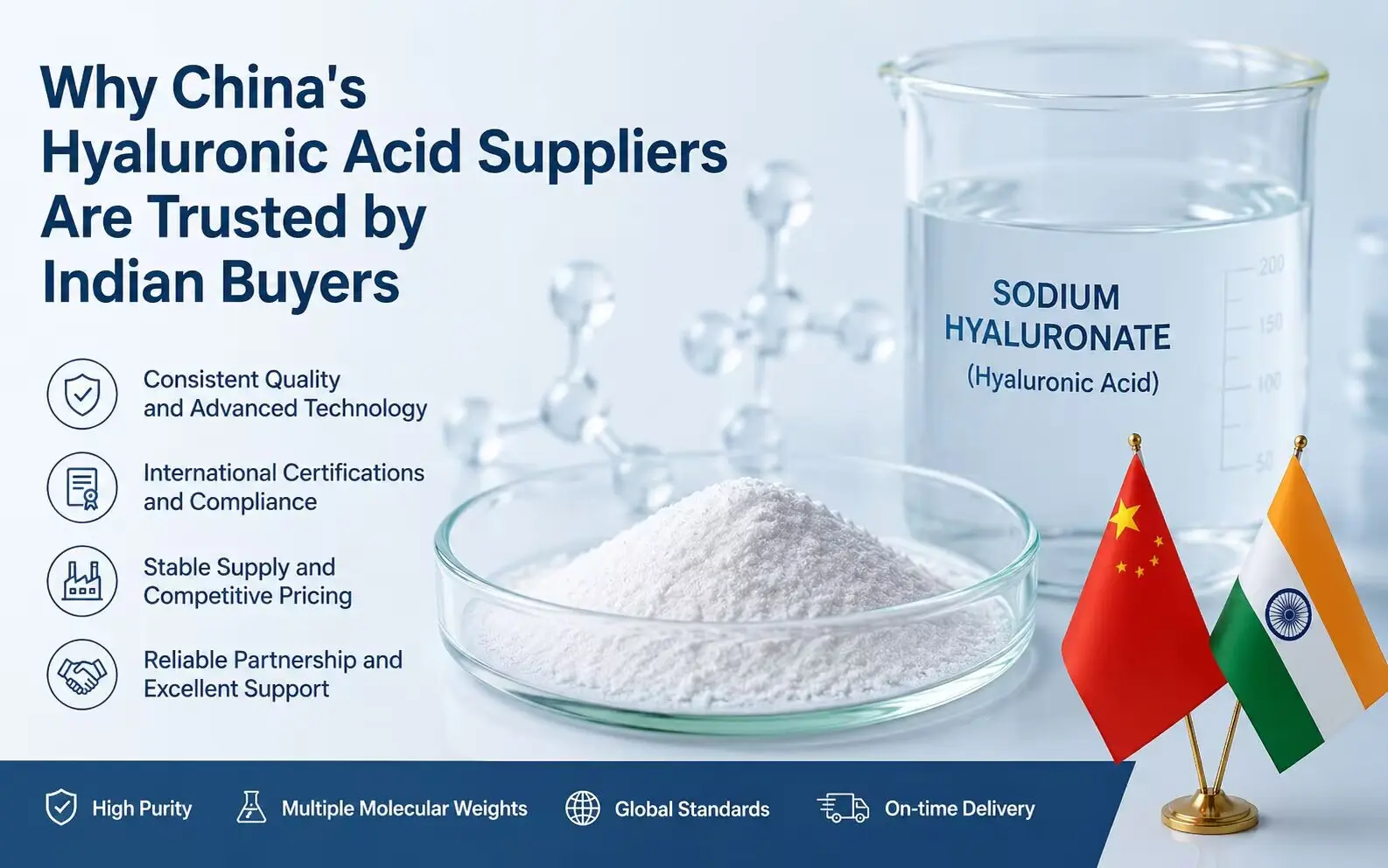
India's cosmetic, pharmaceutical, and nutraceutical markets have experienced significant growth, driving high demand for consistent hyaluronic acid supplies. Chinese manufacturers have established strong partnerships with Indian buyers by offering scalable microbial fermentation facilities, reliable batch consistency, and transparent regulatory support (including DMF documentation).
Read Analysis →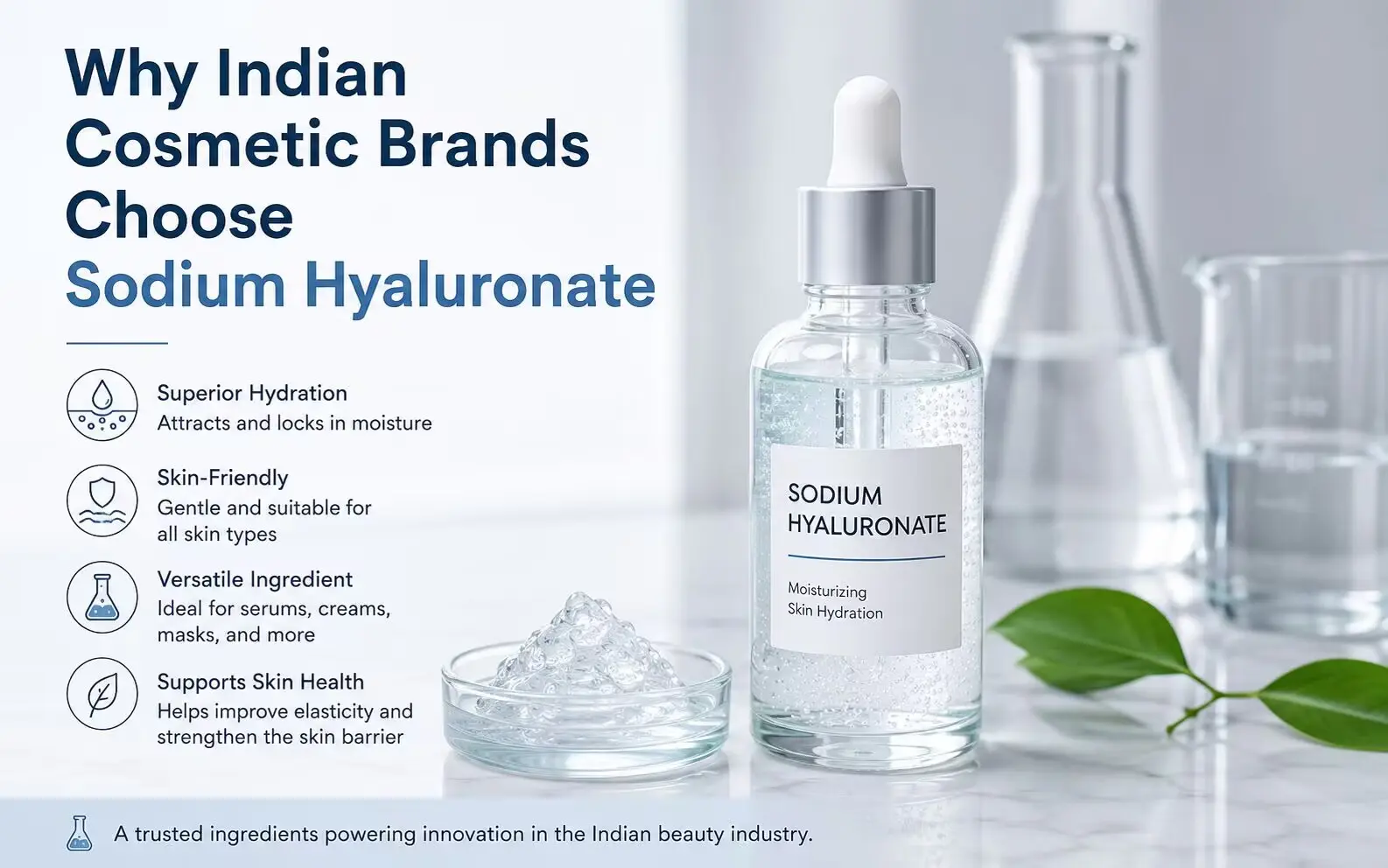
With localized demand shifting toward non-greasy, intense-hydration skincare suitable for warm climates, Indian cosmetic developers are prioritizing Sodium Hyaluronate. Its ability to lock in moisture without clogging pores makes it a key ingredient in modern serums, lightweight creams, and broad-spectrum sunscreens.
Read Analysis →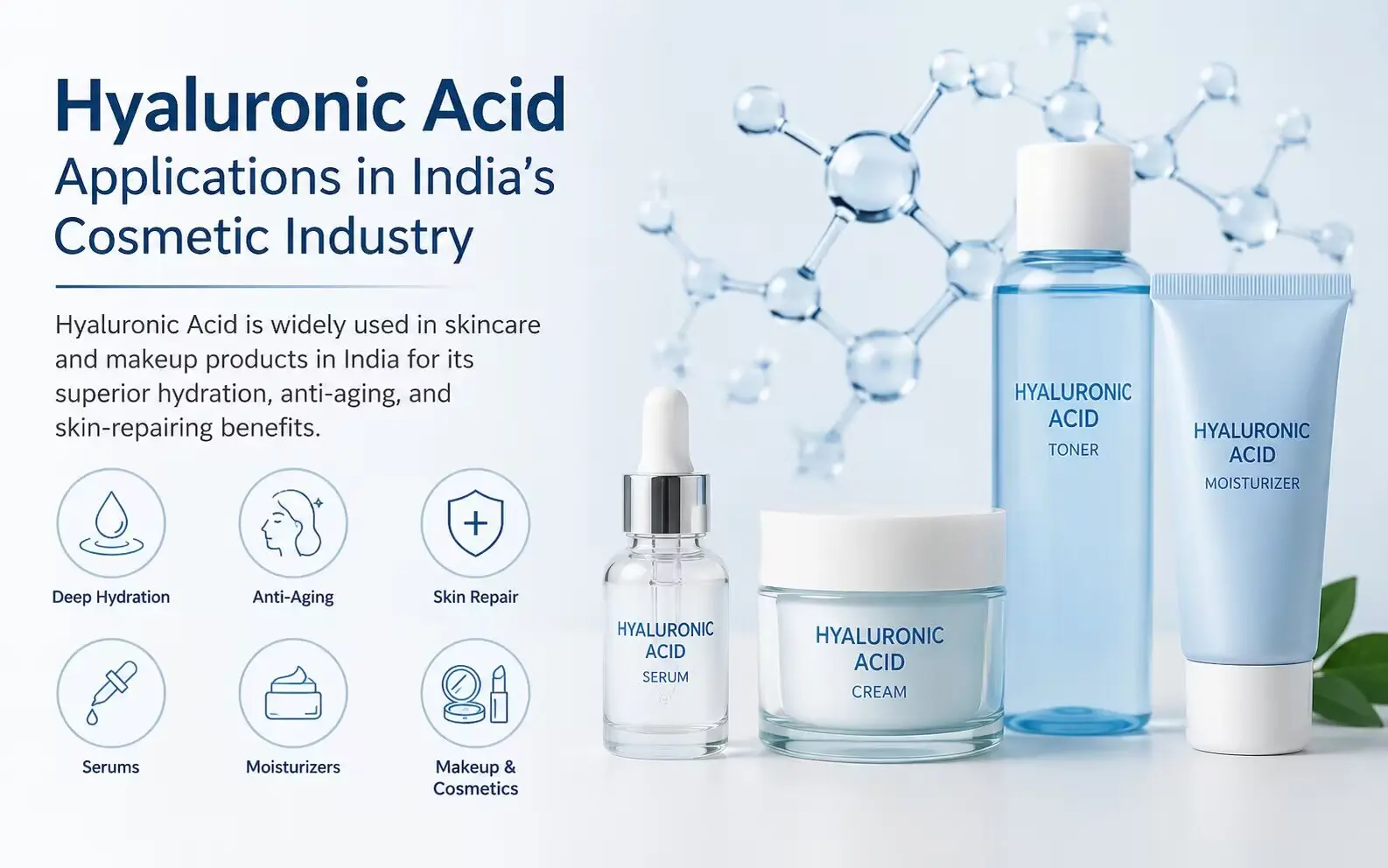
The formulation of multi-molecular weight solutions has changed the approach to skin barrier repair. By combining various molecular sizes of Sodium Hyaluronate, cosmetic chemists can target both superficial hydration and deeper skin layers, helping formulas perform reliably under diverse environmental conditions.
Read Analysis →Addressing common queries from formulation chemists, procurement managers, and regulatory departments.
Advanced formulations designed to meet specific regulatory and performance targets across global markets.