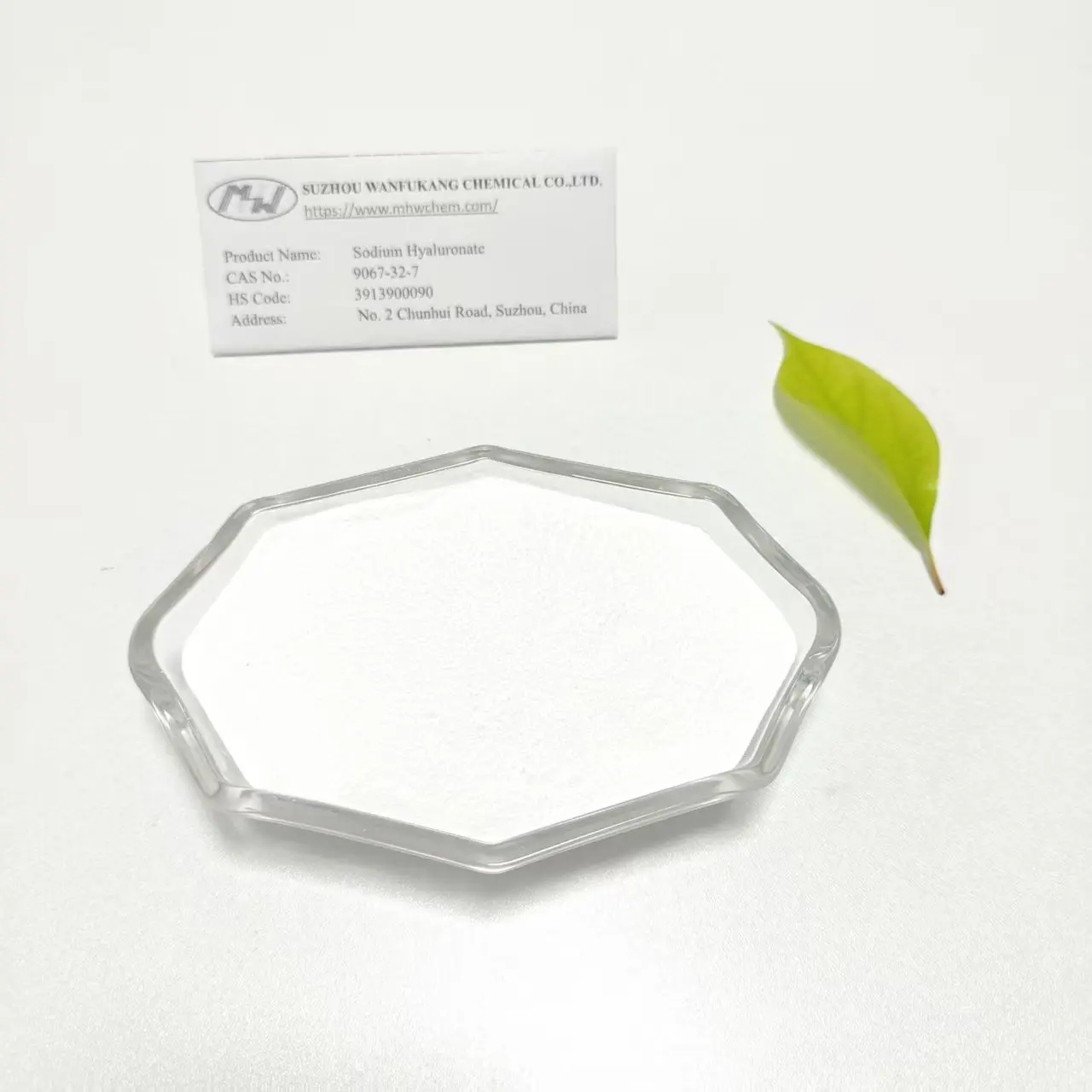
1 / 3

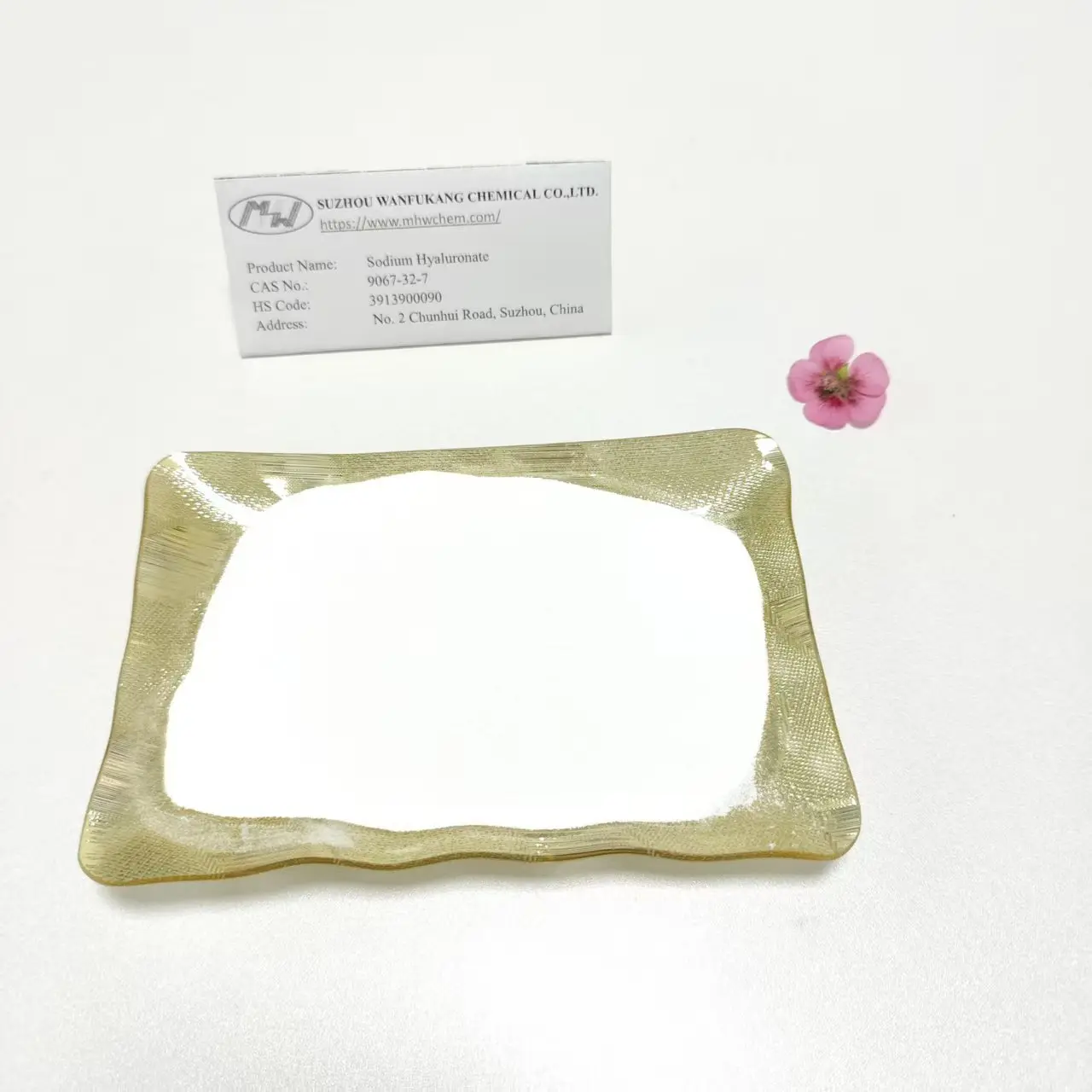
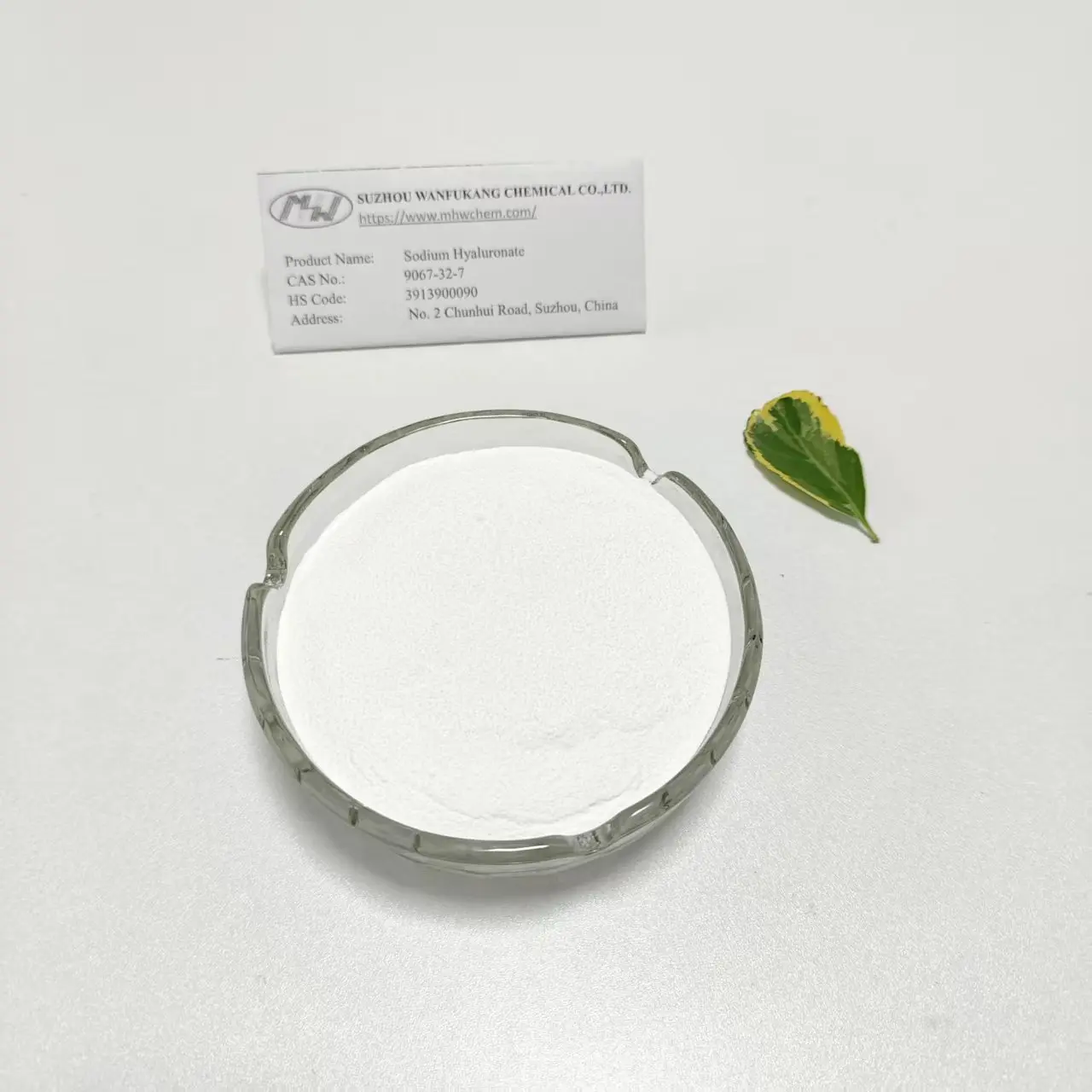
| Product Name | Sodium Hyaluronate |
| Chemical Formula | (C14H20NNaO11)n |
| Chemical Structure |

|
| CAS No. | 9067-32-7 |
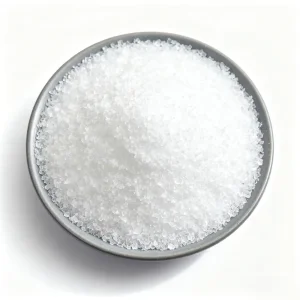
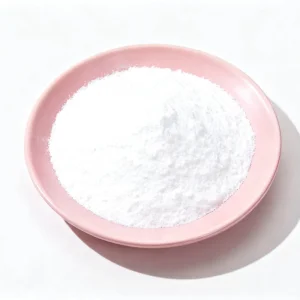
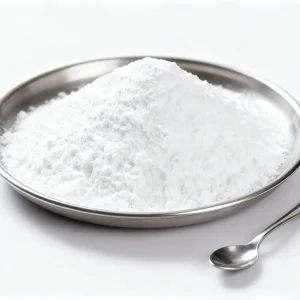
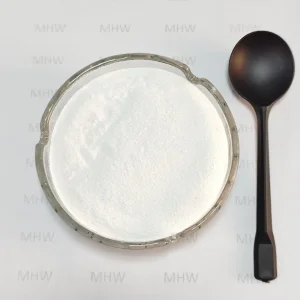
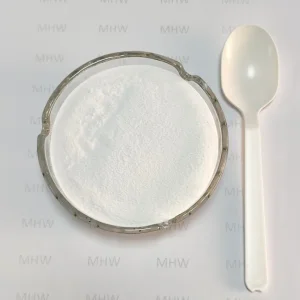
| Appearance | White, fine powder |
| Assay | ≥95% |
| Molecular Weight | 3,000 Da-2.0 MDa |
| Solubility | Soluble in water |
| Source | Microbial fermentation |
| MOQ | 1kg |
Sodium hyaluronate is one of the most potent water-locking substances in nature, capable of binding up to 1000 times its own weight in water. After oral absorption, it pumps moisture "from within" the dermis, increasing epidermal hydration, significantly reducing transepidermal water loss, and improving dryness and flaking in mature skin.
Recent clinical literature confirms that oral administration of sodium hyaluronate of a specific molecular weight can stimulate dermal fibroblasts, promoting the spontaneous synthesis of endogenous collagen and hyaluronic acid, fundamentally increasing epidermal thickness and reducing deep wrinkles around the eyes and face.
Besides bones and skin, sodium hyaluronate is also a major component of synovial fluid and the lens of the eye. Added as a raw material to supplements, it can effectively replenish synovial fluid in joints, reduce cartilage friction, and alleviate degenerative joint discomfort; it also improves "dry eye" symptoms caused by blue light and aging.
Research from leading institutions such as Harvard Medical School has found that oral hyaluronic acid can inhibit systemic chronic inflammation by regulating the intestinal mechanical barrier and promoting the growth of endogenous probiotics—a core breakthrough in the field of healthspan research.
Sodium hyaluronate is typically available in a variety of molecular weights to meet different application needs, including:
Different molecular weight products have different characteristics in terms of absorption, functional positioning, and formulation applications, which can meet different market demands.
The sodium hyaluronate market has maintained rapid growth in recent years, driven by increasing consumer demand for health, beauty, and anti-aging products. Particularly in Asia, Europe, and North America, hyaluronic acid-containing beauty supplements and functional foods are attracting growing attention from brands and consumers.
We provide a wide range of molecular weights (from 3,000 Da up to 2.0 MDa) categorized into Low, Medium, and High molecular weights, as well as Oligopoietic Sodium Hyaluronate (Oligo HA) to suit various application demands.
It is a white, fine powder with an assay of ≥95% and is derived through microbial fermentation.
Oral Sodium Hyaluronate locks in moisture inside the dermis to increase hydration and reduce moisture loss. It also stimulates dermal fibroblasts to produce endogenous collagen and hyaluronic acid, helping to reduce deep wrinkles.
Yes. As a major component of synovial fluid and the eye lens, it helps replenish joint lubrication to reduce cartilage friction, improves dry eye symptoms, and supports gut microbiota regulation to reduce chronic inflammation.
Our Sodium Hyaluronate is fully soluble in water, and the Minimum Order Quantity (MOQ) for orders is 1kg.