The Paradigm Shift in Bio-Hydration: Hydrolyzed Sodium Hyaluronate Whitepaper
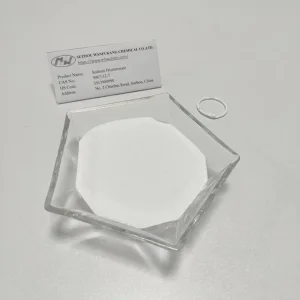
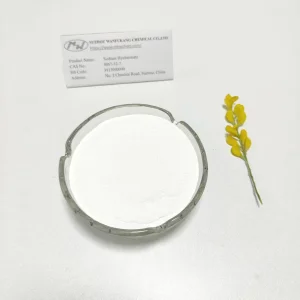
In the contemporary personal care, pharmaceutical, and nutraceutical industries, the demand for target-specific bio-actives has catalyzed a shift from simple surface barriers to complex, deep-layer cellular modulators. Hydrolyzed Sodium Hyaluronate represents the absolute zenith of this molecular evolution. Unlike traditional high-molecular-weight Hyaluronic Acid (HA), which forms a non-permeable hydration film on the stratum corneum, Hydrolyzed Sodium Hyaluronate is manufactured by reducing molecular weight down to fractions of its original size (< 10 kDa) through controlled enzymatic or chemical hydrolysis.
This structural transformation facilitates direct transdermal absorption. It turns a mechanical moisture-binding agent into a biological messenger capable of interacting with CD44 receptors, stimulating endogenous GAG (glycosaminoglycan) synthesis, strengthening tight junctions, and neutralizing reactive oxygen species (ROS) deep within the dermal layers.
Technological Roadmap: Precision Cleavage and Molecular Calibration
How we achieve molecular uniformity and chemical stability is key to our leadership as global exporters. The transition from bulk microbial fermentation to hydrolyzed active raw materials follows a strict biochemical progression:
Stage 1: Bio-Fermentation
Streptococcus zooepidemicus is cultivated under strictly vegan, animal-free conditions. Using glucose from corn starch, fermentation produces pure macromolecular Hyaluronic Acid with high consistency.
Stage 2: Enzymatic Cleavage
Unlike aggressive acid-hydrolysis which alters the chemical structure, we use proprietary enzyme technology (Hyaluronidase) to break down the polymer chains at precise glycosidic links, ensuring safety and purity.
Stage 3: Purification
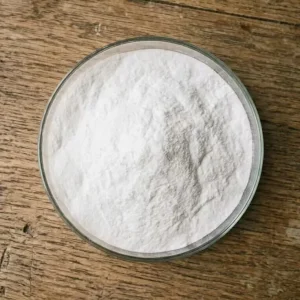
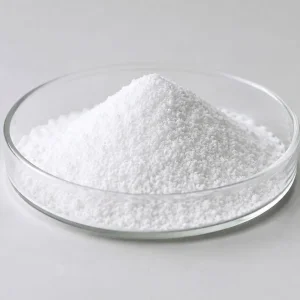
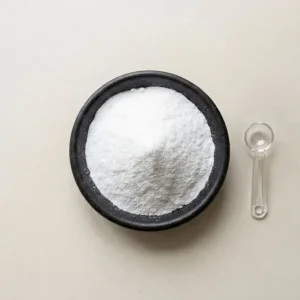
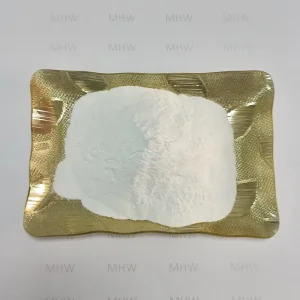
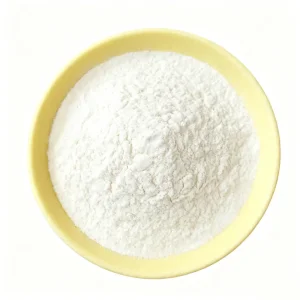
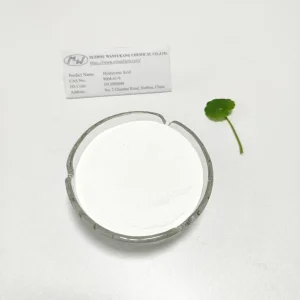
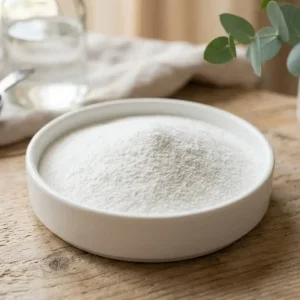
Advanced ultrafiltration removes enzyme residues and mineral salts. Spray drying in cleanrooms yields ultra-low molecular weight (3,000–10,000 Da) Hydrolyzed Sodium Hyaluronate powder with assay > 95%.